Why Your 4×4’s Suspension Deserves More Than Factory Settings
Upgrading the suspension on your 4×4 can dramatically change how your vehicle performs on and off the road. From smoother highway handling to greater control on uneven terrain, the right suspension setup improves stability, ride quality, and overall driving confidence. It’s not just about lift or appearance—it’s about how your vehicle responds under real-world conditions.
Whether you’re dealing with a harsh, uncomfortable ride, planning to run larger tires, or gearing up for more demanding off-road use, suspension upgrades provide tangible benefits in safety, comfort, and performance. With the proper components and tuning, your 4×4 becomes more capable, predictable, and enjoyable—no matter where the road or trail takes you.
Quick Answer: What You Need to Know
- Shocks and struts control movement and absorb impacts
- Lift kits provide 1-5 inches of ground clearance for larger tires
- Heavy-duty springs support heavier loads without sagging
- Sway bars reduce body roll and improve cornering stability
- Skid plates protect vital components from rocks and debris
- Professional installation ensures proper alignment and performance
Your 4×4’s suspension does critical work every time you drive. It connects your vehicle’s frame to the wheels, supporting weight while allowing tires to move independently over uneven terrain. The suspension system affects everything from how smoothly you cruise on pavement to whether your truck can clear that rocky trail without damage.
Stock suspensions are built for compromise. They need to satisfy the average driver who rarely ventures off paved roads, while keeping manufacturing costs down. As one industry source puts it: “Stock pickups typically ride poorly due to the compromise between carrying capacity and ride comfort.” When you add heavy accessories like winches or bumpers, tow trailers regularly, or tackle challenging terrain, those factory components quickly show their limitations.
The right upgrades can improve handling by up to 20% and extend tire life by up to 15% through more even wear patterns. But choosing the wrong components or installing them incorrectly can actually make things worse, creating new problems while failing to solve the old ones.
5 Telltale Signs Your 4×4 Needs a Suspension Upgrade
Your 4×4 talks to you every time you drive it—you just need to know what to listen for. Before you get excited about lift kits and heavy-duty shocks, it’s worth understanding when your current suspension is actually telling you it needs help. We see these warning signs regularly at our Riverside, CA shop, and catching them early can save you from bigger headaches down the road.
- Uneven tire wear is often the first clue something’s wrong.
- Excessive bouncing or swaying turns every drive into a carnival ride.
- Poor handling and control makes your 4×4 feel vague and unpredictable.
- Strange noises like clunking or squeaking are your suspension’s cry for help.
- Visible sagging or damage is the most obvious sign that it’s time for an upgrade.
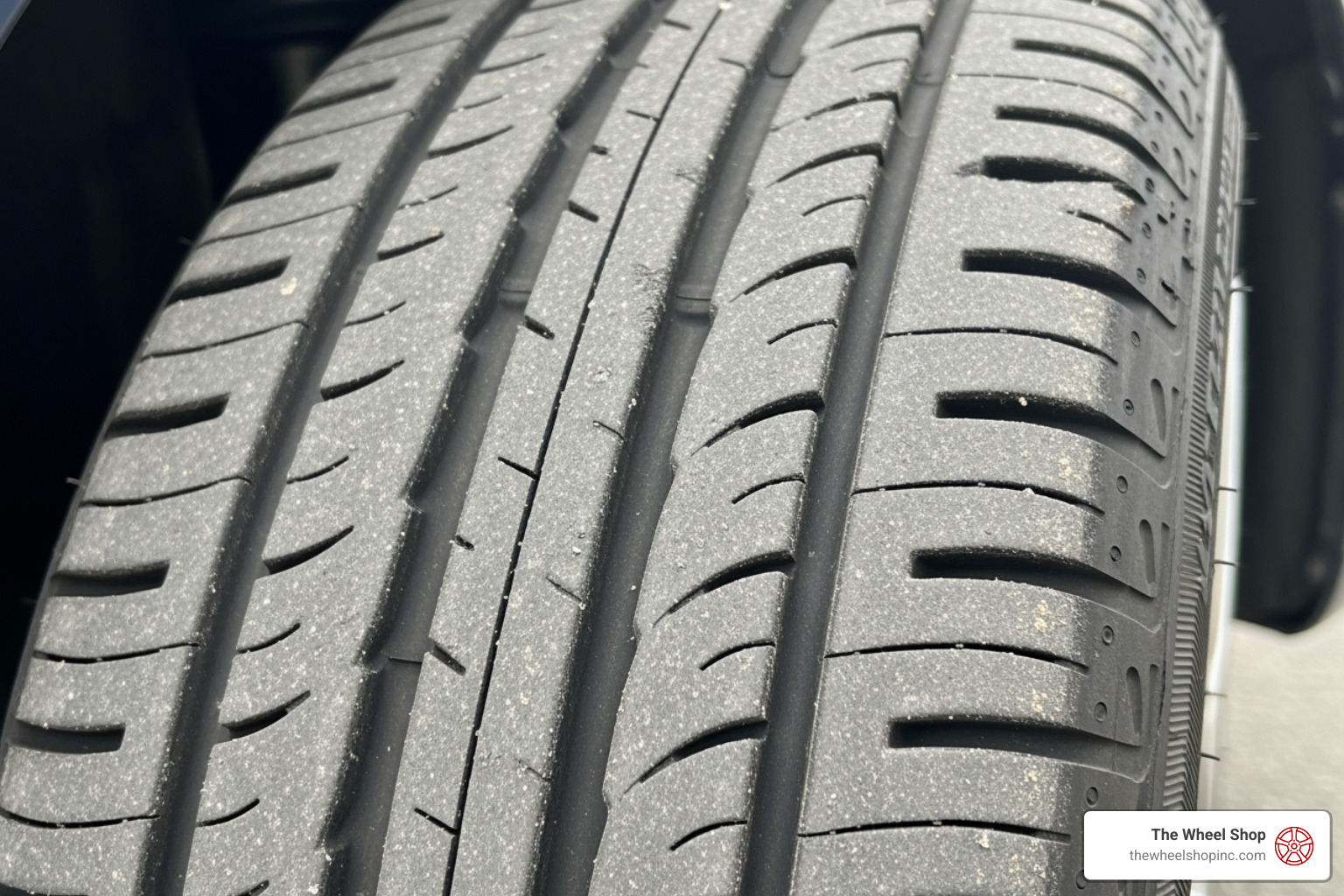
How Uneven Tire Wear Signals a Problem
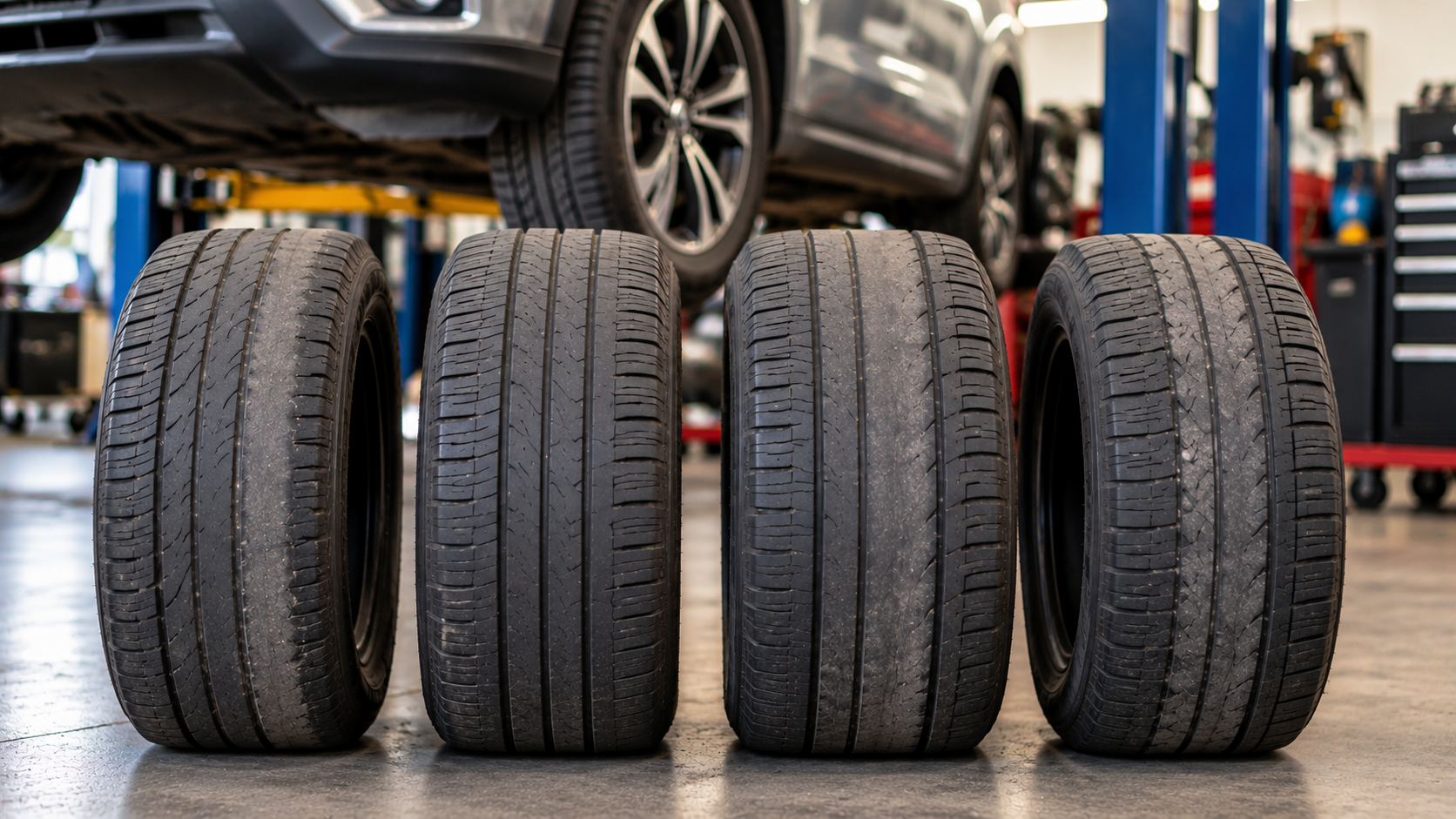
Uneven tire wear is a clear sign that worn shocks, damaged springs, or failing bushings are preventing consistent tire contact with the road. Look for these telltale patterns:
- Tire Cupping: Scalloped dips around the tire’s circumference indicate worn shocks are letting the tire bounce unevenly.
- Worn Edges: If one side of the tire wears faster than the other, it points to alignment issues or worn control arms causing the tire to lean.
- Feathering: A sawtooth pattern across the tread blocks also signals alignment problems that a healthy suspension would prevent.
A properly functioning suspension keeps tires planted firmly, extending their life by up to 15% and improving traction and safety.
The Dangers of Excessive Bouncing and Swaying
If your 4×4 bounces endlessly after bumps or leans dramatically in corners, your shocks and struts are worn out. They can no longer control the spring movement, leading to a ride that is both uncomfortable and dangerous.
This lack of control is a serious safety issue. It increases stopping distances during hard braking, makes the vehicle unpredictable in evasive maneuvers, and causes excessive body roll in turns. This lean reduces tire grip and increases rollover risk, especially in lifted 4x4s. Beyond the danger, the constant motion leads to driver fatigue, making every trip exhausting.
Addressing Poor Handling and Strange Noises
Poor handling, such as difficulty steering or the vehicle pulling to one side, often stems from worn ball joints, tie rod ends, or control arm bushings. These issues create a vague, disconnected feeling in the steering because the suspension can no longer maintain proper wheel geometry.
Strange noises are also clear warnings. Knocking or clunking sounds over bumps point to loose or worn shock mounts or joints. Squeaking often comes from dry or worn bushings. Ignoring these sounds allows damage to spread, leading to more complex repairs.
Key Components for Upgrading the Suspension On Your 4×4
Your suspension system is made up of components that must work together to support, control, and stabilize your vehicle. When you’re ready to push your 4×4 beyond factory limitations, understanding how these parts interact becomes essential. Each component plays a specific role in ride quality, handling, and off-road capability, and upgrading one without considering the others can limit performance gains.
Upgrading the suspension on your 4×4 isn’t about swapping parts at random—it’s about selecting components that complement each other and match how you drive. When shocks, springs, control arms, and supporting hardware are designed to work as a system, you get improved control, durability, and confidence both on the highway and on the trail.
Shocks and Struts: The Heart of Control
Shocks and struts control spring movement, keeping your tires planted on the ground. Upgrading from factory parts makes an immediate difference in ride quality and control.
- Mono-tube shocks offer a major improvement by separating gas and oil to prevent “shock fade” from fluid aeration. This ensures consistent performance and better heat dissipation.
- Reservoir shocks take this further with an external reservoir that increases fluid capacity and cooling. They are ideal for extended, aggressive off-roading where stock shocks would overheat.
The key benefit is superior heat dissipation and precisely tuned damping rates. Aftermarket shocks manage heat better and allow for adjustments to match your driving style. The result is a smoother, more controlled ride in all conditions.
Suspension Lift Kits: Gaining Ground and Capability
A suspension lift kit is about more than an aggressive look; it’s about fundamentally expanding your vehicle’s capability. The primary benefits include:
- Increased Ground Clearance: Lifting the chassis protects your undercarriage from rocks and ruts, allowing you to tackle more challenging trails.
- Room for Larger Tires: More clearance lets you fit bigger tires, which provide better traction and improve approach/departure angles.
- Improved Articulation: A quality lift kit allows for greater wheel travel, keeping tires on the ground for maximum traction on uneven terrain.
The result is a dramatic boost in off-road capability. At The Wheel Shop, we install Custom Suspension Lift Kits and Lift Kits for Trucks, matching the right components to your vehicle and goals.
Heavy-Duty Springs: The Foundation of Support
Springs support your vehicle’s weight and absorb impacts. For any 4×4 that carries heavy gear, tows trailers, or has aftermarket accessories like bumpers and winches, upgraded springs are essential.
- Heavy-Duty Coil Springs: Common on SUVs and front suspensions, upgraded coils prevent the front end from sagging under the weight of a winch or steel bumper.
- Heavy-Duty Leaf Springs: Found on the rear of most trucks, upgraded leaf packs improve load-carrying capacity and towing stability, preventing the rear from squatting under load.
Upgrading your springs provides better load-carrying capacity, improves towing stability, and reduces sag. This maintains proper suspension geometry for better handling and tire life. We offer Custom Suspension solutions to match your springs to your specific needs.
Stability and Protection Components
These components are critical for maximizing the performance and durability of your upgraded 4×4.
- Sway Bars and End Links: Upgraded sway bars reduce body roll in turns, improving stability. For serious off-roading, quick-disconnect end links allow you to temporarily disable the sway bar for maximum wheel articulation.
- Skid Plates and Armor: While not a suspension part, skid plates are essential protection. They are heavy-duty shields for your oil pan, transmission, and other vital undercarriage components, protecting them from trail damage.
We carry a full range of Truck and Car Accessories to complement your suspension upgrades and keep your 4×4 protected.
Choosing the Right Upgrade for Your Vehicle and Use
Not every suspension upgrade makes sense for every truck or driver. The components that transform a weekend trail warrior might make a daily-driving work truck feel harsh and uncomfortable.
Independent vs. Solid Axle Suspension
Understanding your 4×4’s axle design is key to choosing the right upgrades.
- Independent Front Suspension (IFS): Found on most modern trucks and SUVs (e.g., Ford F-150, Toyota Tacoma), IFS provides a smoother on-road ride and better handling. The trade-off is typically less wheel articulation for extreme off-roading. Upgrades often require new upper control arms (UCAs) to correct geometry after a lift.
- Solid Axles: Common on vehicles like the Jeep Wrangler, solid axles offer superior durability and wheel articulation for technical off-roading, maximizing traction on uneven ground. The downside is a rougher on-road ride.
Neither is “better”; they are optimized for different uses. IFS prioritizes on-road comfort, while solid axles excel in rugged terrain.
Tailoring Upgrades for Trucks, Jeeps, and SUVs
The best upgrades are custom to your specific vehicle.
- Trucks (e.g., Ford F-250, Ram 2500): Upgrades often focus on improving load-carrying and towing. Heavy-duty springs prevent sagging, while leveling kits can eliminate the factory rake and fit slightly larger tires.
- Jeeps (e.g., Wrangler, Gladiator): Owners typically prioritize maximum articulation and ground clearance. Complete systems with adjustable control arms, long-travel shocks, and disconnectable sway bars are popular for trail performance.
- SUVs (e.g., Toyota 4Runner, Chevy Tahoe): The goal is often a balance between daily driving comfort and improved off-road capability. A moderate lift (2-3 inches) with quality shocks is a common solution.
What to Consider When Upgrading the Suspension On Your 4×4 for Towing
Towing places unique stress on your suspension. A trailer’s tongue weight can cause the rear of your truck to squat, which lifts the front, impairing steering control, headlight aim, and overall stability.
Key upgrades for towing include:
- Helper Springs or Air Bags: These provide additional support only when under load, preventing squat without making the unladen ride harsh.
- Upgraded Rear Springs: Heavy-duty springs with a higher load rating are essential for frequent towing to provide consistent support.
- Sway Control: Upgraded sway bars help keep the tow vehicle stable, reducing dangerous trailer sway.
After any upgrade, a proper wheel alignment is critical for towing safety. Our Leveling Kits can also help restore the proper stance for towing. Tell us about your towing needs so we can design a system that handles the load safely.
5 Telltale Signs Your 4×4 Needs a Suspension Upgrade
Your rig will warn you before things get serious. Catch these signs early and your upgrade can be simple, safer, and more cost-effective.
- Uneven tire wear (cupping, feathering, worn edges)
- Excessive bouncing or swaying
- Poor handling or wandering
- Clunking or squeaking noises
- Visible sagging or damaged parts
How Uneven Tire Wear Signals a Problem
- Tire cupping points to worn shocks letting the wheel hop.
- Worn inner/outer edges suggest alignment issues or tired control arm components.
- Feathering usually indicates toe misalignment from worn bushings or tie rod ends.
A healthy suspension keeps tires planted, improving traction and extending tire life by up to 15%.
The Dangers of Excessive Bouncing and Swaying
Worn shocks/struts can’t control spring movement, leading to longer stopping distances, unpredictable evasive maneuvers, and increased body roll—especially risky on lifted 4x4s. It’s uncomfortable and fatiguing, too.
Addressing Poor Handling and Strange Noises
Loose steering, pulling, or wandering often traces to worn ball joints, tie rod ends, or control arm bushings. Clunks over bumps suggest loose/worn mounts or joints; squeaks often indicate dry/worn bushings. Upgrading with quality components restores precision and stability.
Key Components for Upgrading the Suspension On Your 4×4
Upgrading the right parts—tuned to work together—sharpens control, comfort, and capability.
Shocks and Struts: The Heart of Control
- Mono-tube shocks separate gas and oil to prevent fade and improve heat dissipation.
- Reservoir shocks add fluid capacity and cooling for consistent performance under hard, extended use.
Result: better damping, traction, and ride quality on- and off-road.
Suspension Lift Kits: Gaining Ground and Capability
- More ground clearance protects your undercarriage and opens tougher trails.
- Extra room for larger tires improves traction and approach/departure angles.
- Quality systems increase wheel travel for better articulation.
We install Custom Suspension Lift Kits and Lift Kits for Trucks matched to your vehicle and goals.
Heavy-Duty Springs: The Foundation of Support
- Upgraded coils support accessories (bumpers, winches) and prevent front-end sag.
- Heavy-duty leaf packs boost payload/towing stability and keep the rear level under load.
Our Custom Suspension solutions pair spring rates to your use case for correct ride height and geometry.
Stability and Protection Components
- Sway bars/end links reduce body roll; quick-disconnect links maximize articulation off-road.
- Skid plates and armor protect oil pan, transmission, and other critical components.
Complement your build with our Truck Car Accessories.
Choosing the Right Upgrade for Your Vehicle and Use
Match parts to your axle design, vehicle type, and real-world use for the best results.
Independent vs. Solid Axle Suspension
- Independent Front Suspension (IFS): smoother on-road manners; often needs upgraded upper control arms (UCAs) and geometry corrections when lifted.
- Solid axles (e.g., Jeep Wrangler, many HD trucks): excellent articulation and durability off-road; ride can be firmer on pavement.
Neither is “better”—they excel in different scenarios.
Tailoring Upgrades for Trucks, Jeeps, and SUVs
- Trucks: focus on load/tow stability (springs, helper solutions); torsion-bar models may need UCAs with lift.
- Jeeps: benefit from adjustable control arms, track bars, and disconnectable sway bars for articulation.
- SUVs: prioritize balanced comfort and capability with moderate lifts and quality shocks.
What to Consider When Upgrading the Suspension On Your 4×4 for Towing
- Helper springs or air bags prevent squat without harsh unloaded ride.
- Heavy-duty rear springs improve consistency for frequent towing.
- Sway control boosts stability and reduces trailer sway.
Always finish with a precise alignment; leveling solutions can also help restore stance when towing.
Frequently Asked Questions
Upgrading the suspension on your 4×4 often raises questions about timing, performance, and cost—especially when you start noticing signs of wear or limitations in the factory setup. The following FAQs address common concerns drivers have when evaluating whether it’s time for a suspension upgrade and what to expect from the process.
How do I know if my suspension really needs to be upgraded?
If you’re experiencing a rough or bouncy ride, excessive body roll, poor handling when carrying loads, uneven tire wear, or reduced off-road control, these are strong indicators that your suspension is no longer performing as it should. Even without visible damage, worn components can significantly affect safety and comfort.
Will upgrading my suspension improve on-road driving, or is it just for off-roading?
A properly designed suspension upgrade improves both on-road and off-road performance. On the street, you’ll notice better stability, braking control, and ride comfort. Off-road, upgraded suspension provides increased articulation, ground clearance, and control over uneven terrain.
Do I need a full suspension system, or can I upgrade components individually?
That depends on your goals. While individual upgrades can offer improvements, a complete suspension system ensures all components work together as intended. Mixing mismatched parts can limit performance and lead to premature wear, which is why a system-based approach is often recommended.
Will larger tires require suspension upgrades?
In most cases, yes. Larger tires add weight and change suspension geometry, which can strain factory components. Upgrading the suspension helps maintain proper alignment, handling, and durability while maximizing the benefits of running bigger tires.
The Wheel Shop Difference
Choosing the perfect custom suspension lift kit is an exciting journey, and at The Wheel Shop, we’re here to make it seamless. With over two decades of experience, our expertise in custom suspension installations is best. We specialize in changing vehicles to not only look great but perform exceptionally well, whether on city streets or rugged trails.
Our commitment to craftsmanship is evident in every project we undertake. We take pride in our precision alignments and custom installations, ensuring each vehicle meets the highest standards. Our skilled team is dedicated to providing top-tier service, ensuring your lift kit is installed with meticulous attention to detail.
Customer service is at the heart of what we do. We understand that every vehicle and driver is unique, so we tailor our services to meet your specific needs. From initial consultation to post-installation support, we’re with you every step of the way. We believe in building lasting relationships with our clients, offering guidance and support long after your visit.
If you’re ready to lift your vehicle’s performance and style, we invite you to explore our suspension services. Let us help you achieve the perfect lift that suits your lifestyle and driving trips. At The Wheel Shop, your vehicle is in expert hands, and your satisfaction is our top priority.
Whether you’re looking to conquer off-road trails or simply improve your vehicle’s aesthetics, a custom lift kit from The Wheel Shop is your gateway to a new driving experience.