Most drivers think about aftermarket wheels in terms of appearance first. A new set of wheels can completely change the personality of a truck, SUV, or performance car. However, wheel weight affects far more than style alone. It directly influences how a vehicle accelerates, brakes, handles, and consumes fuel every day. Even a relatively small change in wheel weight can create noticeable differences in overall driving efficiency.
Modern vehicles are engineered with careful attention to rolling resistance, drivetrain efficiency, and weight distribution. When heavier wheels are installed without considering their impact on vehicle dynamics, fuel economy often suffers in ways many drivers do not initially expect. On the other hand, selecting lighter, properly engineered wheels can improve responsiveness and reduce unnecessary strain on critical components.
At The Wheel Shop, we regularly help drivers understand the relationship between wheel and tire packages, vehicle performance, and long-term operating costs. Fuel economy may not always be the first thing customers think about during a wheel upgrade, but it is one of the most important factors affecting the ownership experience over time.
Why Wheel Weight Matters More Than Most Drivers Realize
Vehicle weight always affects fuel consumption, but wheels occupy a unique position because they are considered “unsprung weight.” Unsprung weight refers to components not supported by the suspension system, including wheels, tires, brake assemblies, and portions of the suspension itself. Because wheels rotate constantly while the vehicle is moving, their weight creates a larger performance impact than static body weight alone.
A heavier wheel requires more energy to start rotating and more energy to keep spinning at highway speeds. Every time a driver accelerates from a stoplight, merges onto a freeway, or climbs a hill, the engine works harder to move that added rotational mass. In stop-and-go traffic environments like Southern California, those repeated acceleration cycles can significantly influence fuel usage over time.
According to research discussed by Car and Driver, larger and heavier wheel combinations can reduce fuel economy while also affecting acceleration and ride comfort. The relationship between wheel size and efficiency becomes even more noticeable when oversized wheels are paired with aggressive tire compounds or heavy off-road setups.
Another important consideration is inertia. Rotational inertia increases as weight moves farther away from the center of the wheel. This means that two wheels with identical overall weights may still perform differently depending on where the mass is concentrated. A wheel with heavier outer edges generally requires more energy to rotate than one designed with a lighter outer barrel structure.
The Connection Between Rotational Mass and Fuel Economy
Fuel economy is heavily influenced by how efficiently a vehicle converts energy into motion. When wheel weight increases, more engine output is required to overcome rotational resistance. That added demand translates into increased fuel consumption, especially during acceleration.
Drivers often notice this after installing oversized truck wheels or heavier cast wheels. The vehicle may suddenly feel slower leaving intersections, less responsive during passing maneuvers, or more sluggish during freeway merging. In many cases, the driver unconsciously compensates by pressing the accelerator harder, which increases fuel usage even further.
The effect becomes especially pronounced on vehicles equipped with smaller turbocharged engines or hybrid drivetrains. These vehicles are carefully calibrated for efficiency, and additional wheel weight can disrupt the balance engineers originally intended. A heavier wheel setup may force transmissions to downshift more frequently, increase engine load, and reduce the effectiveness of fuel-saving technologies.
The United States Department of Energy explains at FuelEconomy.gov that excess vehicle weight reduces fuel efficiency because the engine must work harder to move the vehicle. While the site discusses overall weight generally, rotational mass from wheels amplifies this effect because the wheels are both moving and spinning simultaneously.
This is one reason why many performance-oriented manufacturers invest heavily in lightweight wheel technology. Reducing rotational mass improves responsiveness, braking feel, and fuel economy all at once. Even a few pounds saved per wheel can produce measurable benefits in real-world driving conditions.
Heavy Wheels vs. Lightweight Wheels
Not all wheels are built the same. Manufacturing methods, materials, and structural design all influence final wheel weight. Understanding these differences helps drivers make smarter upgrade decisions that balance style, durability, and efficiency.
Traditional cast wheels are generally more affordable and widely available. However, they are often heavier because more material is required during production to achieve the necessary strength. Heavier cast wheels may still perform very well for daily driving, but they can negatively affect fuel efficiency, acceleration, and ride responsiveness when compared to lighter alternatives.
Flow-formed wheels represent a middle ground between affordability and performance. During manufacturing, the wheel barrel is spun and stretched under pressure to increase strength while reducing unnecessary material thickness. This process typically creates a lighter wheel without the higher price associated with fully forged wheels.
Forged wheels are usually the lightest and strongest option available. Because forged aluminum is compressed under extreme pressure during production, manufacturers can use less material while maintaining exceptional structural integrity. These wheels are commonly found on high-performance vehicles because they reduce unsprung weight while improving handling and acceleration characteristics.
However, lighter is not always automatically better. A vehicle used for heavy towing, off-roading, or commercial hauling may require wheels specifically engineered for higher load capacities. The goal is not simply to choose the lightest wheel possible, but rather the correct balance between strength, durability, and efficiency for the intended driving application.
Tire Selection Also Influences Fuel Economy
Many drivers focus entirely on wheel weight while overlooking the role tires play in overall efficiency. In reality, the wheel and tire package functions as a complete system. Tire weight, tread design, and rolling resistance all contribute to fuel consumption.
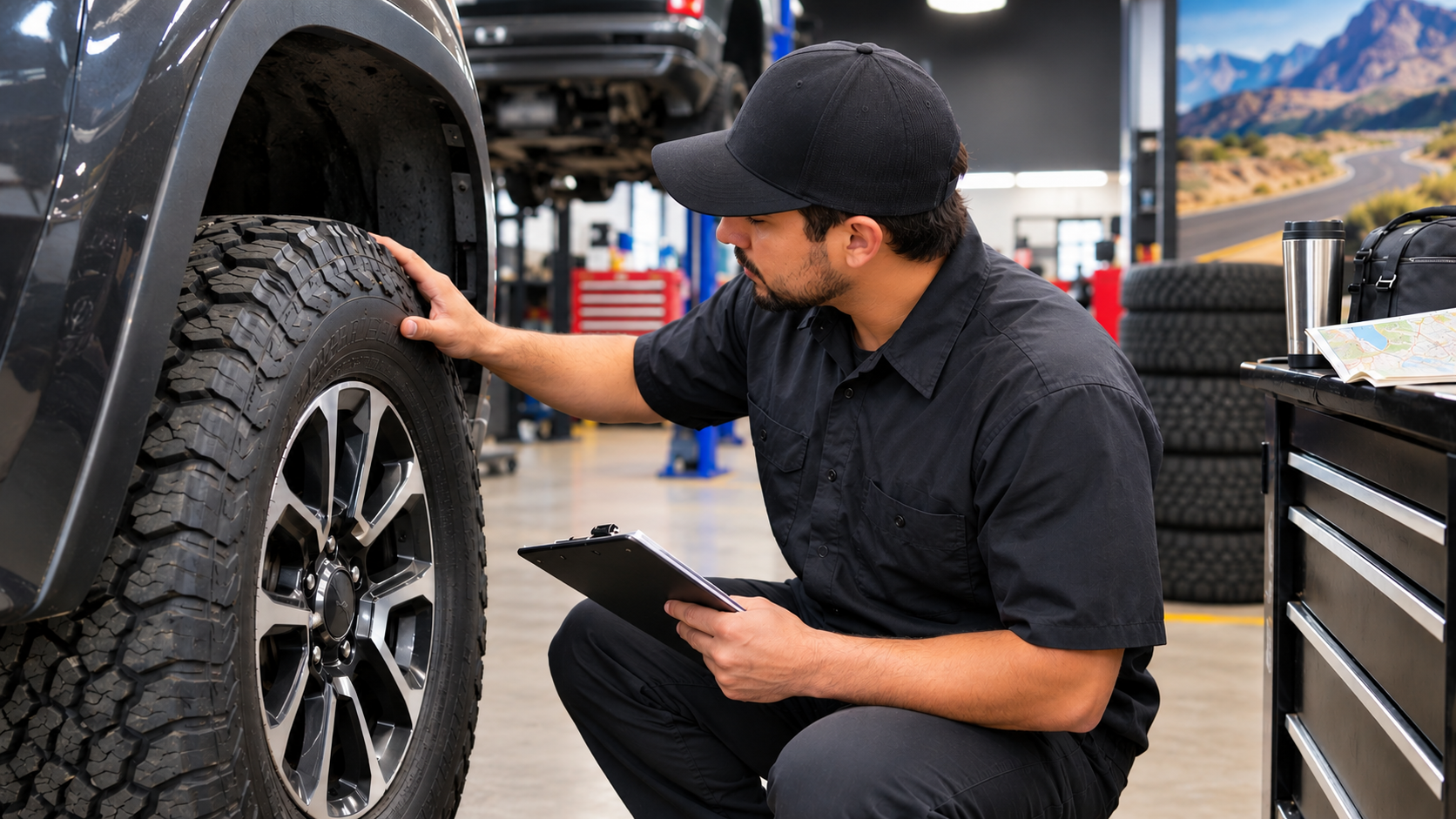
Aggressive mud-terrain tires, for example, are significantly heavier than standard highway tires. Their large tread blocks create more rolling resistance, which increases engine load and reduces efficiency. While these tires perform exceptionally well in off-road environments, they can noticeably reduce fuel economy during daily commuting.
Performance tires also vary widely in compound composition and internal construction. Softer compounds provide improved grip but typically create greater rolling resistance. Harder compounds may improve longevity and efficiency but sometimes sacrifice traction and ride comfort.
According to testing referenced by Consumer Reports, low rolling resistance tires can improve fuel economy by reducing the amount of energy required to keep the vehicle moving. While the gains may appear small individually, they accumulate over thousands of miles.
This is why proper wheel and tire fitment matters so much. Oversized wheels paired with excessively heavy tires can create a substantial efficiency penalty. A balanced setup that considers weight, tire design, and vehicle application often delivers better overall results.
How Larger Wheels Can Quietly Reduce Efficiency
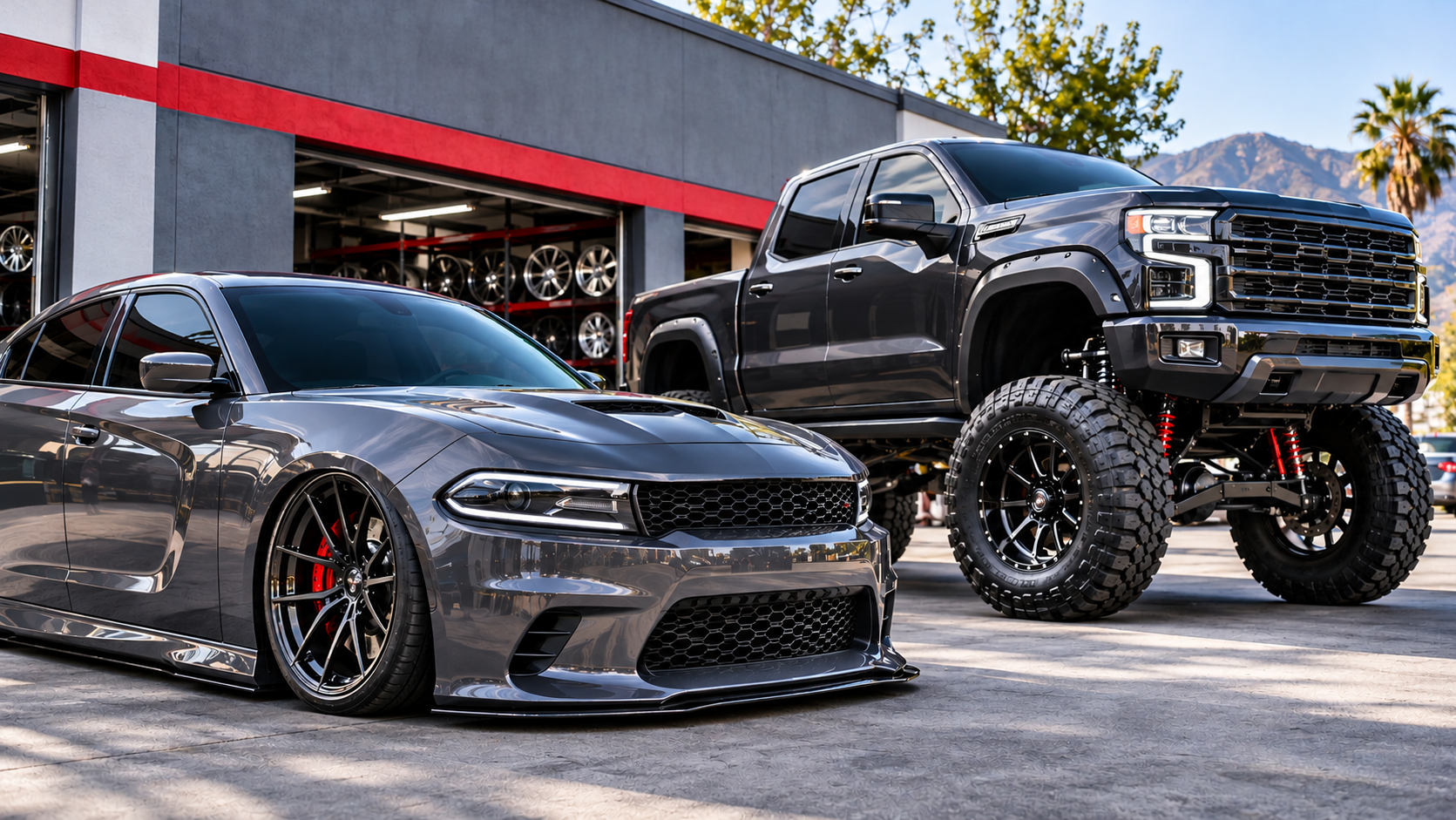
Wheel upgrades frequently involve increasing wheel diameter. Larger wheels can absolutely improve aesthetics and handling response when chosen correctly, but they also introduce trade-offs that drivers should understand beforehand.
As wheel diameter increases, tire sidewalls usually become shorter to maintain proper overall tire height. Shorter sidewalls may sharpen steering feel, but larger wheel barrels often weigh more than smaller alternatives. If the wheel weight increases substantially, the vehicle may experience reduced acceleration and lower fuel efficiency.
Additionally, larger wheels often encourage wider tire fitments. Wider tires increase contact patch area, which can improve traction but also create greater rolling resistance. Increased aerodynamic drag from wider tires may further reduce highway efficiency.
This does not mean larger wheels are inherently bad. Many modern wheel manufacturers now produce lightweight larger-diameter wheels specifically designed to minimize efficiency losses. The key is choosing wheels engineered with performance and weight reduction in mind rather than selecting solely based on appearance.
At The Wheel Shop, we help customers evaluate not just the visual impact of an upgrade, but also how the setup will affect ride quality, truck accessories, suspension behavior, fuel consumption, and long-term drivability.
Suspension and Alignment Play a Critical Role
Wheel weight does not operate independently from the rest of the vehicle. Suspension geometry and alignment settings heavily influence how efficiently a wheel and tire package performs.
Heavier wheels place additional strain on suspension components including shocks, springs, control arms, wheel bearings, and bushings. Over time, that added stress can accelerate wear and reduce ride quality. Drivers may begin noticing increased vibration, less stable handling, or uneven tire wear patterns.
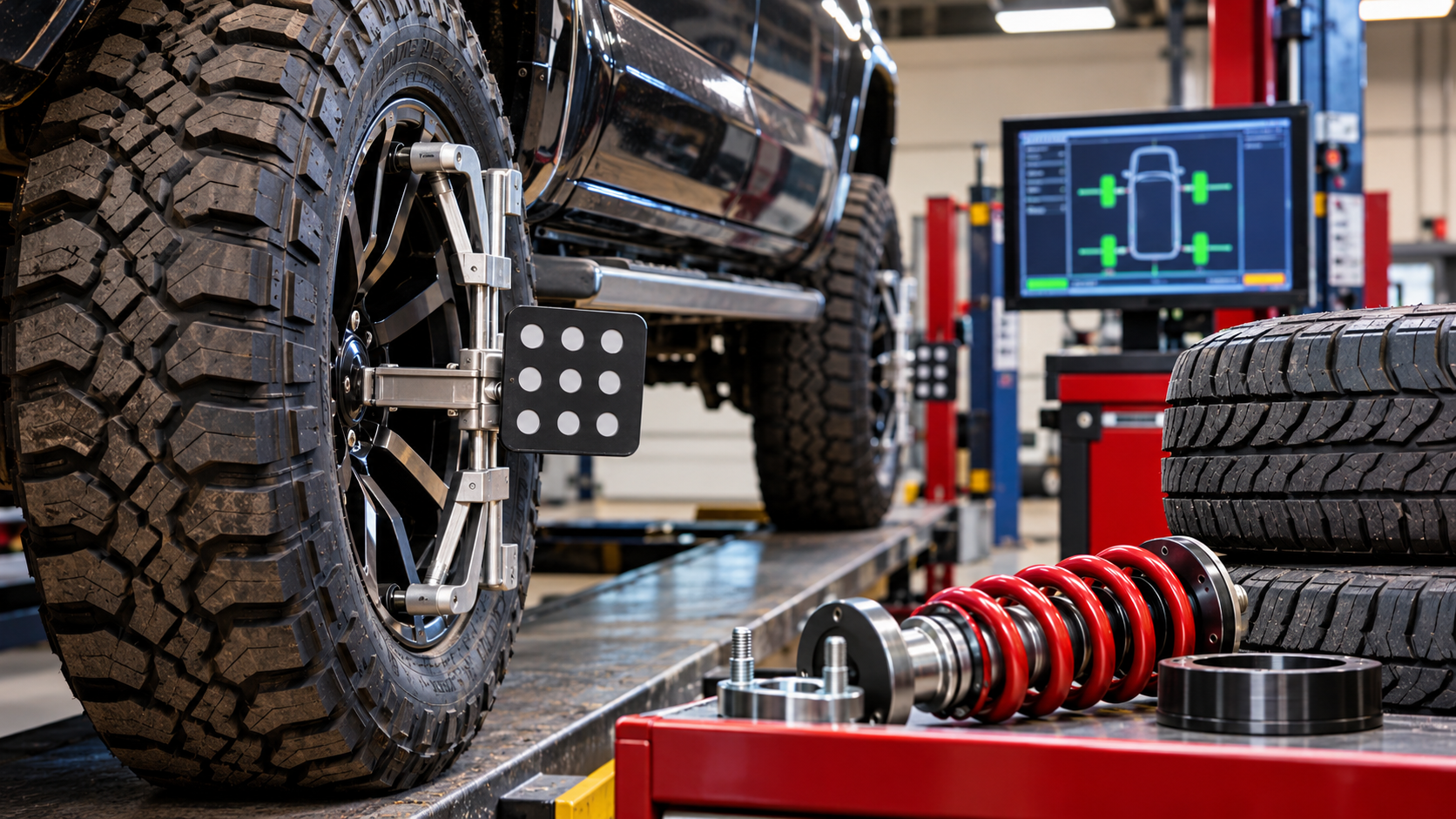
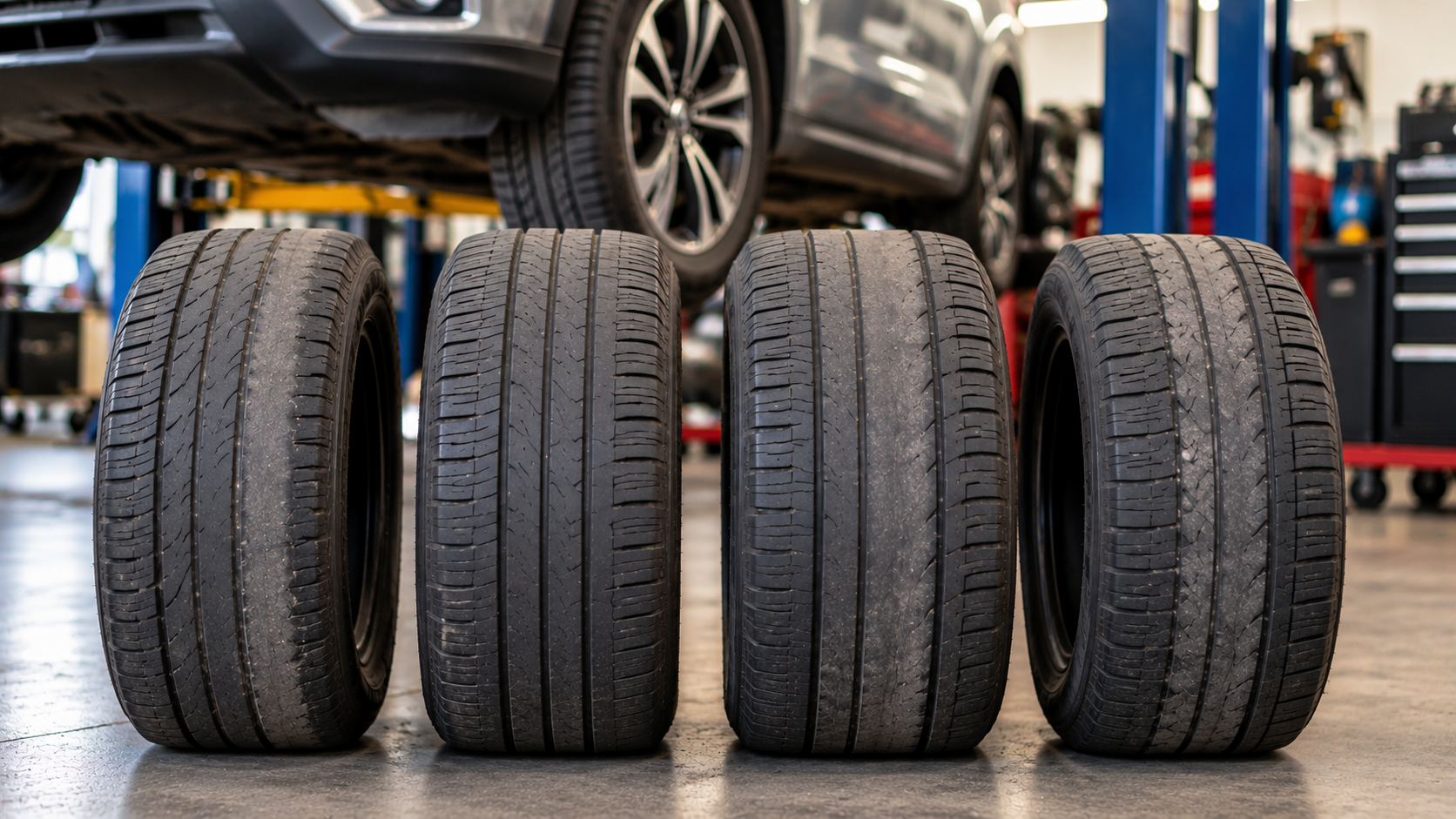
Improper alignment can compound these problems dramatically. Even the most carefully selected lightweight wheel setup may still suffer reduced fuel economy if toe, camber, or caster settings are outside specification. Misalignment increases rolling resistance because the tires are no longer moving efficiently in the intended direction.
This is why professional installation matters. Proper balancing, precise alignment, and suspension inspection ensure that new wheels perform as intended rather than creating hidden efficiency losses.
Real-World Driving Feel and Daily Performance
Drivers often describe lightweight wheel setups as making a vehicle feel more “alive.” Steering feels sharper, acceleration becomes more responsive, and braking may feel more controlled. These changes are not simply psychological. Reduced rotational mass allows the vehicle to react more quickly to driver inputs.
In urban driving conditions, lighter wheels can make stop-and-go traffic feel less taxing because the vehicle requires less effort to accelerate repeatedly. Highway cruising may also feel smoother because lighter wheels reduce strain on suspension components over uneven pavement.
Conversely, excessively heavy wheels may create a disconnected or sluggish feeling behind the wheel. Steering response can feel delayed, suspension movement may become harsher, and the drivetrain may constantly feel as though it is working harder than necessary.
These differences become especially noticeable on trucks and SUVs that already carry significant curb weight. Adding large, heavy wheels without considering total package weight can create performance compromises that affect the overall driving experience every day.
This is why experienced installers consider more than appearance alone. The best wheel setup is one that complements the vehicle’s intended purpose while preserving efficiency, comfort, and reliability.
Long-Term Financial Impact of Heavier Wheels
Fuel economy losses from heavy wheels may appear small initially, but they accumulate steadily over time. Even a minor reduction in miles per gallon can translate into hundreds or thousands of dollars in additional fuel expenses throughout vehicle ownership.
There are also indirect financial effects to consider. Heavier wheel and tire packages can accelerate wear on brakes, suspension components, and tires themselves. Bearings, shocks, and steering components may experience greater stress, leading to increased maintenance costs.
Additionally, tire replacement costs often rise with oversized wheel setups because low-profile performance tires tend to be more expensive than standard fitments. Combined with faster wear from alignment issues or added rotational mass, long-term ownership costs can climb significantly.
Drivers who carefully balance wheel weight, tire selection, and alignment settings often achieve a better overall return on investment. The vehicle not only looks better but also maintains more predictable operating costs over time.
Frequently Asked Questions
Choosing the right wheels involves more than simply selecting a design that looks appealing. Many drivers have questions about how wheel weight affects daily driving, fuel economy, and overall vehicle performance. Here are some of the most common questions customers ask when exploring new OEM wheels, aftermarket upgrades, and performance wheel packages.
Do lighter wheels always improve fuel economy?
Lighter wheels can improve fuel economy because they reduce rotational mass and require less energy to accelerate. However, the overall impact depends on the complete wheel and tire package, driving habits, vehicle type, and alignment condition. A lightweight wheel paired with an extremely aggressive tire may still reduce efficiency compared to a balanced setup.
How much fuel economy can heavier wheels reduce?
The exact impact varies depending on wheel size, tire weight, vehicle design, and driving conditions. Some drivers may only notice a small decrease, while others experience more substantial reductions, especially in stop-and-go driving environments. Larger, heavier wheel packages generally create the most noticeable changes.
Are forged wheels worth the higher cost?
Forged wheels often provide superior strength-to-weight ratios, which can improve performance and efficiency. They are commonly chosen for high-performance vehicles because they reduce unsprung weight while maintaining durability. However, the best choice depends on the driver’s goals, budget, and intended vehicle use.
Can alignment issues affect fuel economy as much as wheel weight?
Absolutely. Poor alignment increases rolling resistance and uneven tire wear, both of which reduce efficiency. In some cases, improper alignment may create a larger fuel economy penalty than wheel weight alone. This is why professional installation and alignment services are critical after installing new wheels or suspension upgrades.
The Wheel Shop Difference
For more than twenty years, The Wheel Shop has helped drivers throughout Riverside and surrounding areas choose the right wheels, tires, and suspension solutions for their vehicles. We understand that wheel upgrades are about far more than appearance alone. The right setup should improve the way a vehicle drives, performs, and responds in real-world conditions every day.
Our certified mechanics bring years of specialized training and hands-on expertise to every installation, alignment, repair, and customization project. Whether you are searching for lightweight performance wheels, durable truck setups, wheel repair, powder coating, chrome plating, or complete suspension upgrades, we focus on solutions that balance style, functionality, and long-term reliability.
We also recognize that every vehicle and every driver is different. A daily commuter, lifted truck, performance sedan, and family SUV all require different approaches to wheel weight, tire selection, and fitment strategy. That is why we take the time to help customers understand how their choices affect fuel economy, handling, ride comfort, and component longevity before any installation begins.
If you are ready to upgrade your vehicle with professionally selected aftermarket wheels, tires, alignments, or suspension components, contact The Wheel Shop today at (951)588-1222 or email us at info@thewheelshop.com. From OEM replacements to fully customized wheel packages, we are committed to helping drivers throughout Riverside, CA achieve the perfect balance of performance, efficiency, and style.