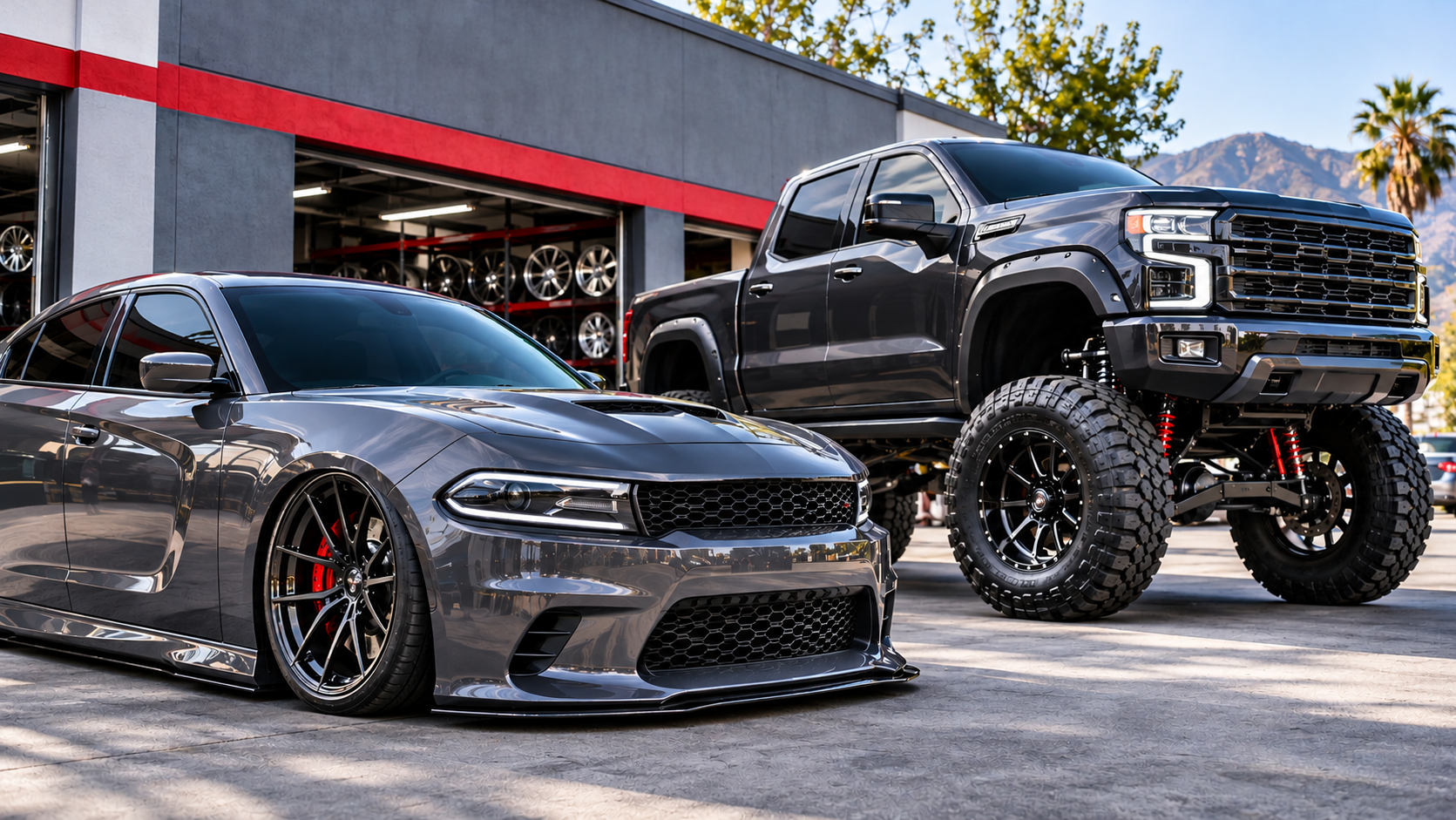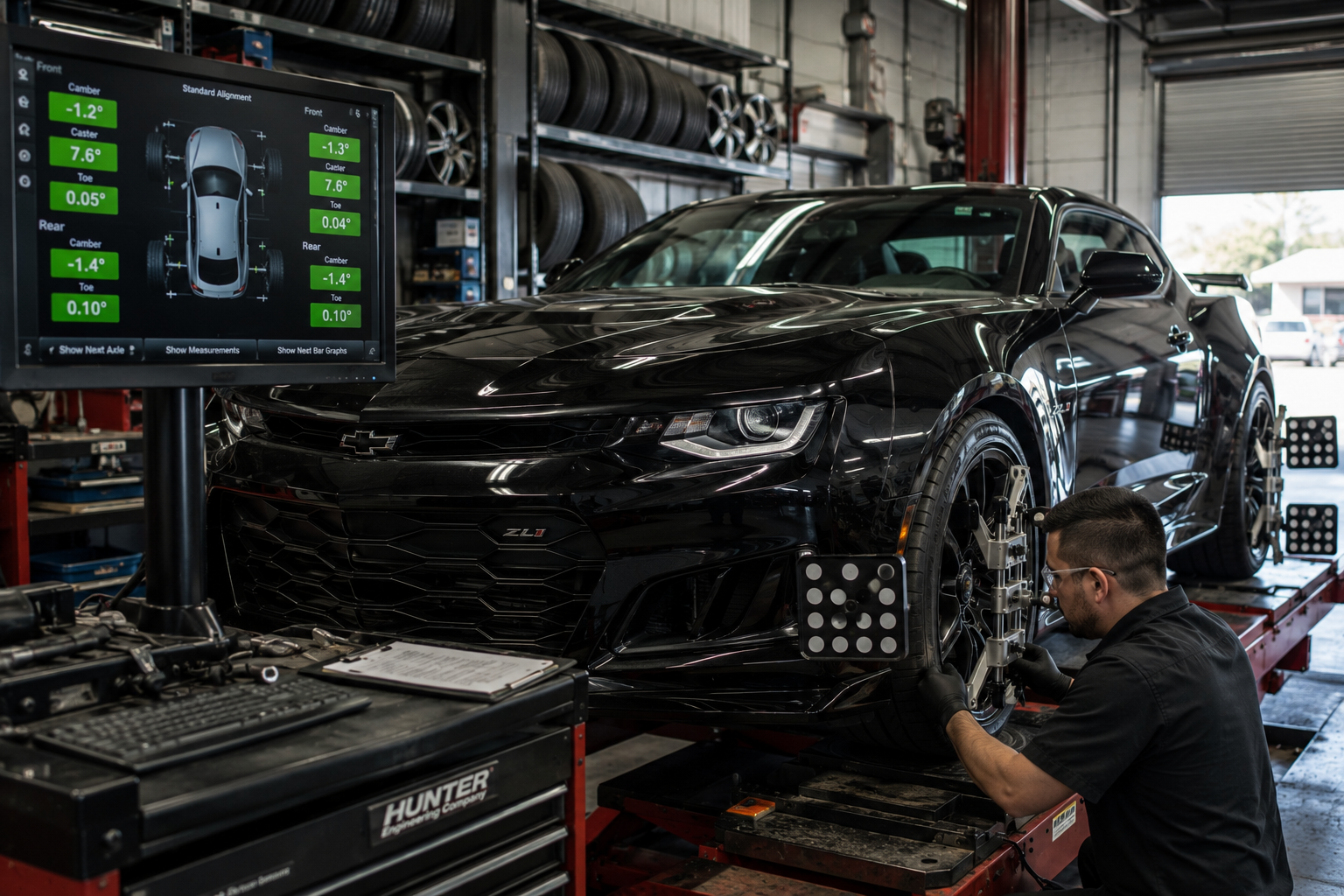
Performance vehicles are engineered to deliver exceptional acceleration, sharper handling, higher cornering speeds, and more precise steering than the average passenger vehicle. Whether you drive a modern sports car, a high-performance sedan, a muscle car, or a modified truck built for spirited driving, every component works together to create a balanced driving experience. Among the most overlooked yet most important pieces of that equation are the wheels, tires, suspension, and alignment.
Many drivers assume an alignment is simply a routine maintenance service performed the same way on every vehicle. In reality, performance vehicles often require significantly more precision, specialized equipment, and experienced technicians who understand how suspension geometry, wheel fitment, and tire characteristics influence handling. Improper alignment or incorrectly installed wheels can reduce performance, shorten tire life, and even compromise safety.
At The Wheel Shop, we have spent more than twenty years helping drivers get the most from their vehicles. From precision wheel alignment, aftermarket wheel installations, suspension upgrades, and wheel repair to powder coating and tire services, our certified mechanics understand that performance vehicles deserve more than a basic alignment rack and a quick adjustment.
Performance Vehicles Operate Within Much Tighter Tolerances
Performance vehicles are designed around very specific engineering specifications. Manufacturers spend countless hours optimizing steering geometry, suspension travel, weight distribution, and tire contact patches. A fraction of a degree in alignment can dramatically change how a vehicle behaves during acceleration, braking, or cornering.
Unlike standard commuter vehicles that prioritize comfort above all else, performance vehicles prioritize responsiveness. Drivers expect immediate steering feedback, predictable cornering, and stable high-speed handling. Small alignment errors that may go unnoticed in an economy sedan can become very obvious in a sports coupe or performance SUV.
Many modern performance vehicles also utilize adaptive suspensions, staggered wheel setups, wider tires, lower ride heights, and aggressive factory alignment specifications. These systems require technicians who understand not only factory specifications but also how modifications affect the overall suspension geometry.
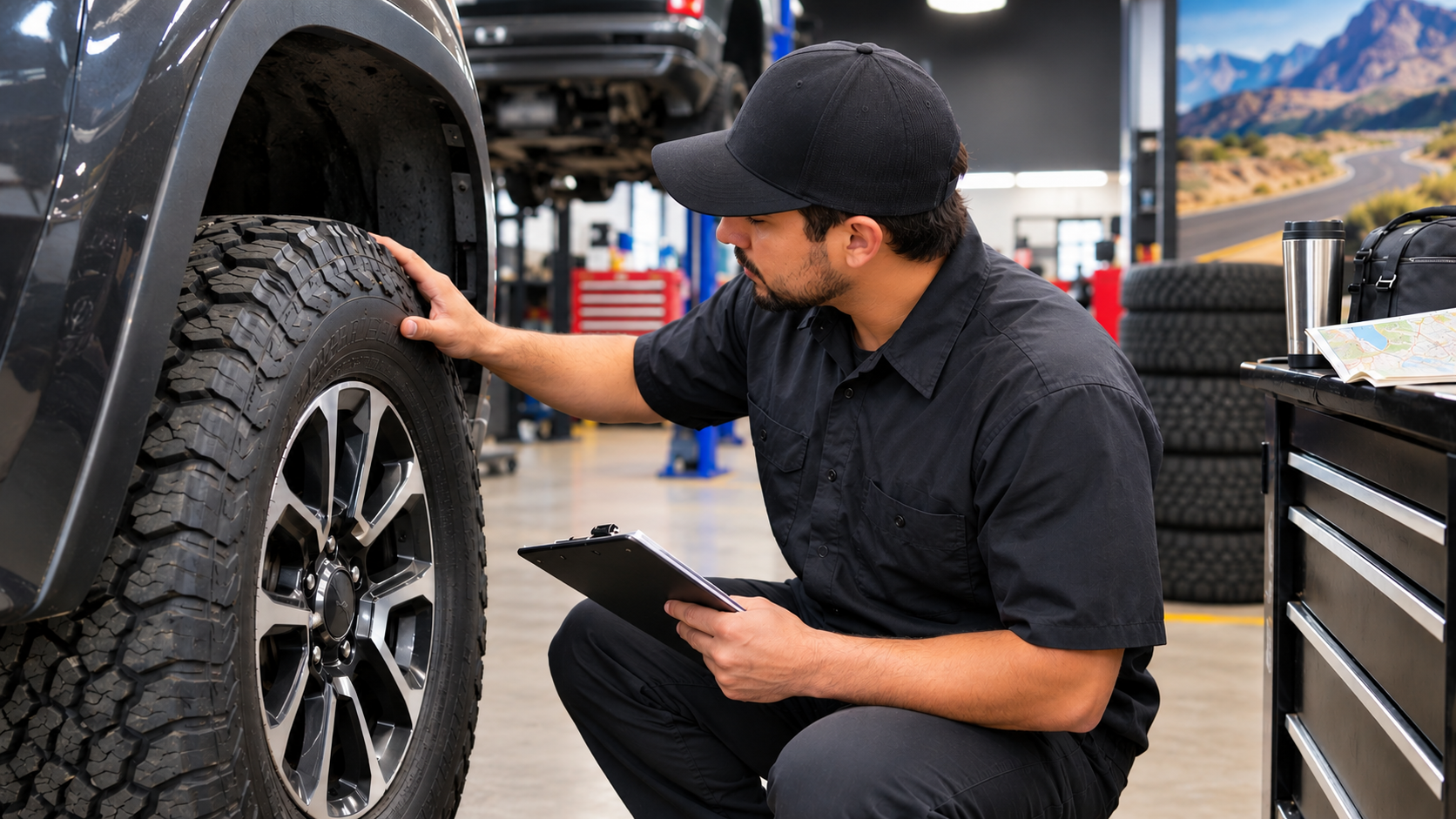
That is why experienced technicians begin with a complete inspection rather than immediately adjusting alignment numbers. Suspension wear, damaged wheels, bent components, or incorrect tire pressures can all influence alignment results.
Why Wheel Selection Matters Just as Much as Alignment
Many enthusiasts focus on horsepower while overlooking how wheels influence vehicle dynamics. Wheels affect unsprung weight, rotational mass, steering response, braking performance, and suspension movement. Choosing the right aftermarket wheels is about much more than appearance.
Wheel width determines how tires sit on the wheel and how much contact patch reaches the road. Offset influences suspension clearance, steering geometry, and load distribution across wheel bearings. Even small differences in offset can alter scrub radius, affecting steering feel and braking stability.
Wheel diameter also changes performance characteristics. Larger wheels often improve steering response while reducing tire sidewall flex, but they can also create a firmer ride and increase vulnerability to pothole damage. Selecting the proper combination requires balancing appearance, handling goals, ride comfort, and intended vehicle use.
Drivers considering custom wheel installation should work with professionals who understand these relationships instead of relying solely on visual preferences. Proper fitment ensures adequate clearance for suspension components, brake calipers, and fenders while maintaining safe vehicle dynamics.
Alignment Is More Than Pointing the Wheels Straight
Many people think alignment simply means adjusting the steering wheel until it sits centered. In reality, modern alignments involve multiple suspension angles working together.
Camber determines how much the wheels lean inward or outward. Performance vehicles often utilize slightly negative camber to improve tire contact during aggressive cornering. However, excessive negative camber can dramatically increase inside tire wear during daily driving.
Caster influences steering stability and self-centering characteristics. More positive caster generally improves straight-line stability while increasing steering feedback. Toe adjustments affect how quickly a vehicle responds to steering inputs and how rapidly tires wear.
The National Highway Traffic Safety Administration explains that worn steering and suspension components can contribute to handling problems and increase stopping distances, making routine inspections an important part of vehicle safety.
Performance alignments frequently differ from factory commuter settings because owners may prioritize track performance, canyon driving, autocross, or spirited weekend driving. A knowledgeable alignment technician understands how these goals influence alignment recommendations.
Suspension Modifications Change Everything
Performance enthusiasts often install lowering springs, coilovers, lift kits for trucks, sway bars, upgraded control arms, or complete suspension systems. These modifications improve appearance and handling, but they also change suspension geometry.
Lowering a vehicle changes suspension angles throughout its range of motion. Without correcting alignment afterward, tires may wear unevenly, steering may become unstable, and handling can become unpredictable.
Likewise, trucks receiving custom suspension installations or truck leveling kits require careful alignment after installation. Raising or lowering ride height affects steering angles, caster, toe, and camber.
Professional alignment technicians understand how modified suspensions differ from factory configurations. Specialized equipment allows them to compensate for these changes while maintaining predictable handling characteristics.
Ignoring alignment after suspension modifications is one of the fastest ways to destroy expensive performance tires.
Tire Performance Depends on Proper Alignment
Performance tires represent a significant investment. Ultra-high-performance summer tires often provide exceptional grip but may wear rapidly when alignment is incorrect.
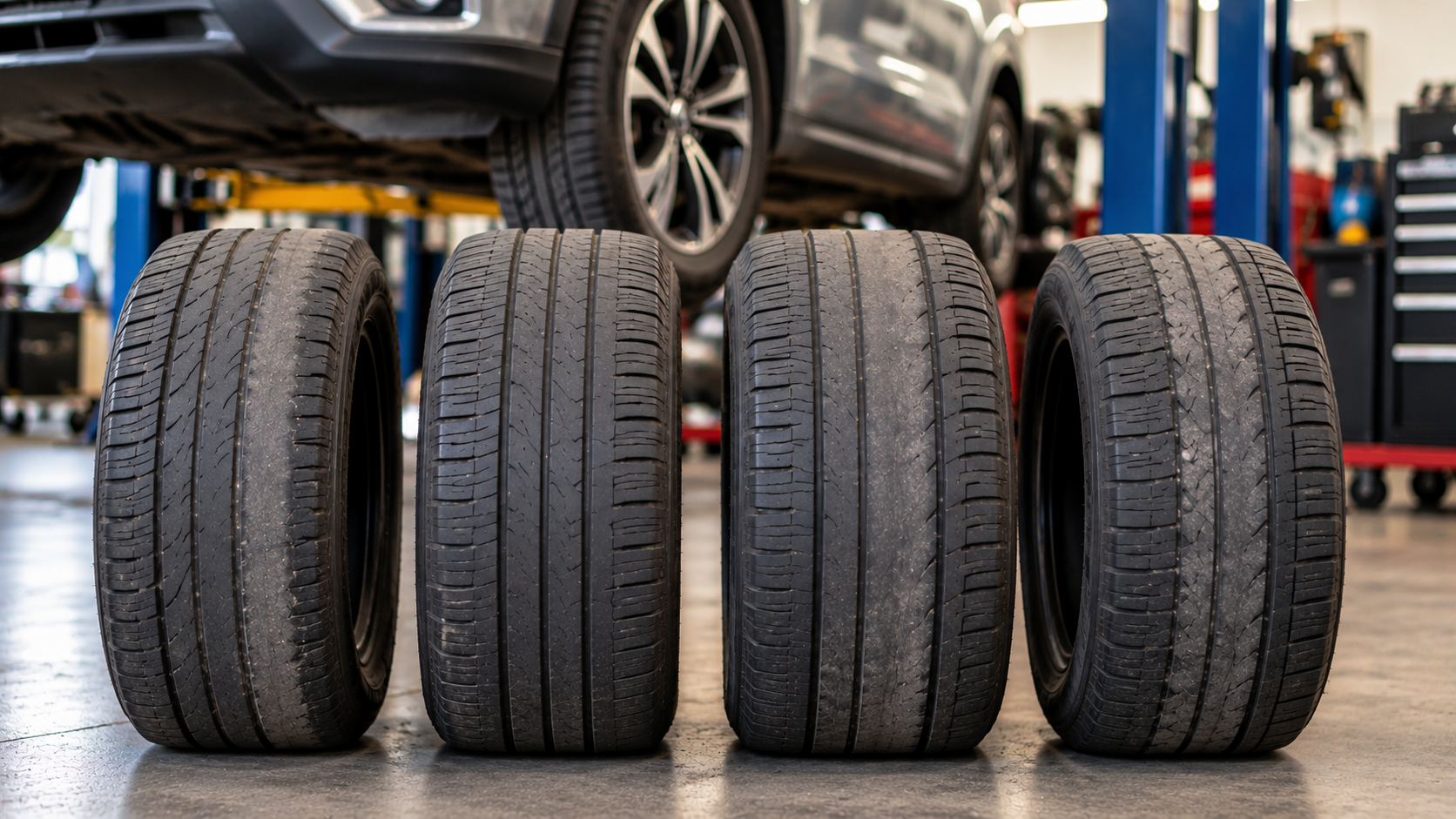
Even slight toe misalignment can scrub away thousands of miles of tread life. Drivers may notice feathering, uneven shoulder wear, or excessive inside-edge wear long before the tires should require replacement. Improper suspension settings frequently create wear patterns that cannot be corrected once established, even after the alignment is fixed.
Besides tire wear, poor alignment reduces braking efficiency. When tires cannot maintain maximum contact with the pavement, stopping distances may increase while electronic stability systems work harder to compensate.
Protecting premium tires begins with regular inspections and precision wheel alignments performed whenever suspension work, wheel changes, or significant impacts occur.
Damaged Wheels Can Affect More Than Appearance
Performance wheels encounter substantial stress from potholes, road debris, railroad crossings, and unexpected impacts. While cosmetic scratches may only affect appearance, structural damage can create vibration, air leaks, and alignment issues.
Bent wheels often cause vibrations that drivers mistakenly attribute to tire balancing. In some cases, the damaged wheel alters how the tire contacts the road, leading to inconsistent handling.
Professional wheel repair shop services can restore many wheels rather than requiring complete replacement. Proper repairs preserve wheel integrity while helping maintain smooth operation.
Similarly, curb damage may seem minor but can weaken wheel lips or create balance problems. Addressing issues early often prevents larger repairs later.
Precision Equipment Makes a Difference
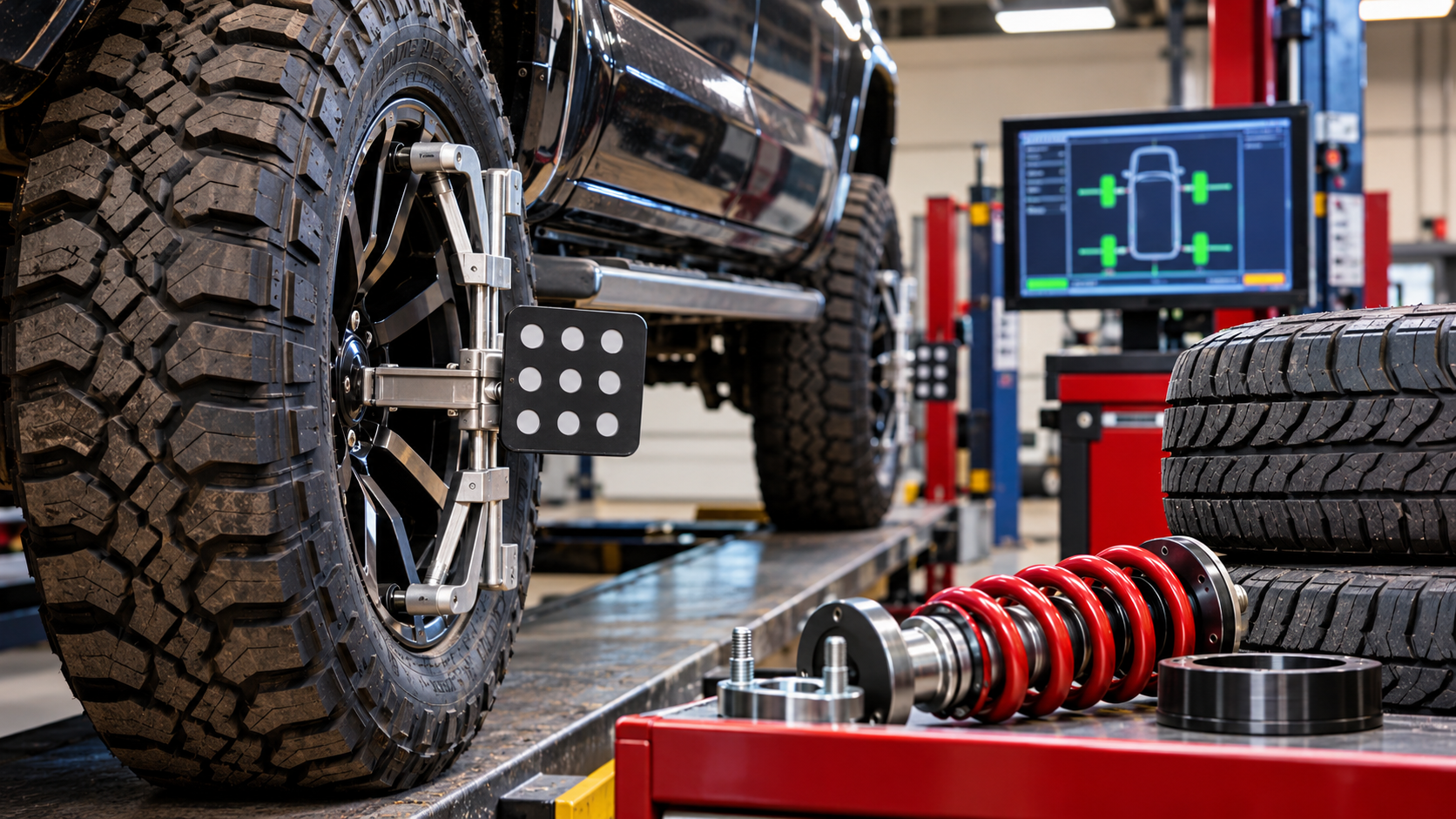
Modern alignment equipment uses advanced sensors and computerized measurements capable of detecting tiny changes in suspension geometry. However, equipment alone does not guarantee excellent results.
Experienced technicians know how to interpret alignment data instead of simply making every measurement green on a computer screen. They understand that aftermarket suspension systems, wheel offsets, and customer driving goals sometimes require customized settings.
Performance alignments often include test drives, steering angle calibration, suspension inspection, tire evaluation, and verification that every adjustment remains within safe operating parameters.
Technician experience becomes especially valuable when working on modified vehicles where factory specifications may no longer represent the ideal setup.
Performance Drivers Benefit From Regular Inspections
Waiting until tires wear unevenly or steering problems develop often means damage has already occurred. Preventive inspections help identify problems before they become expensive repairs.
Alignment should be checked after striking significant potholes, replacing suspension components, installing new wheels or tires, changing ride height, or noticing steering pull. Regular inspections also identify worn bushings, ball joints, tie rods, or wheel bearings that influence handling.
Car and Driver has published numerous technical articles explaining how suspension setup, tire selection, and wheel fitment directly influence performance and driver confidence, reinforcing the importance of viewing these systems as one integrated package rather than individual components.
Drivers investing in performance upgrades deserve to protect those investments with proper maintenance. A professional inspection provides peace of mind while helping maximize tire life, ride quality, and overall vehicle performance.
Frequently Asked Questions
Whether you own a factory performance vehicle or have modified your suspension and wheels, it is natural to have questions about maintenance. Understanding how these systems work together helps you make informed decisions that improve both performance and long-term reliability.
How often should a performance vehicle receive an alignment?
Performance vehicles should generally have their alignment checked annually or whenever new tires, wheels, suspension components, or ride height modifications are installed. An alignment is also recommended after striking large potholes or curbs, even if no obvious damage is visible.
Will aftermarket wheels affect my alignment?
Installing new wheels alone does not automatically change alignment settings. However, different offsets, widths, or suspension modifications performed during installation can influence steering geometry. Having the alignment verified after installing aftermarket truck wheels or performance wheels helps ensure optimal handling.
Can poor alignment damage expensive performance tires?
Yes. Incorrect toe or camber settings can rapidly wear premium tires, sometimes reducing their usable life by thousands of miles. Because high-performance tires represent a substantial investment, routine wheel alignment services often pay for themselves through extended tire life.
Can a bent wheel cause vibration even after balancing?
Absolutely. A bent wheel may balance correctly on a machine yet still create vibration while driving because the wheel no longer rotates perfectly true. Professional inspection and repair can determine whether the wheel can be safely restored or should be replaced.
The Wheel Shop Difference
Your vehicle deserves technicians who understand that performance is about more than horsepower. At The Wheel Shop, we combine over twenty years of industry experience with certified mechanics who have specialized training in wheel alignment services, suspension systems, tires, aftermarket wheels, and wheel repair. Whether you drive a daily commuter with performance upgrades, a sports car, or a lifted truck, we approach every vehicle with the attention to detail it deserves.
We offer comprehensive services including powder coating, tire installation, wheel repair, OEM wheels, aftermarket wheels, suspension upgrades, chrome plating, caliper refinishing, truck and car accessories, and professional alignments. Our goal is not simply to install parts but to ensure every component works together safely and efficiently.
Because we understand how wheels, tires, suspension, and alignment influence one another, we take the time to inspect the complete system before making recommendations. That attention to detail helps protect your investment while improving handling, tire life, and overall driving confidence.
If your vehicle needs a precision wheel alignment, suspension work, new wheels, or expert advice on your next performance upgrade, contact The Wheel Shop today at (951) 588-1222 or email sales@thewheelshop.us. We are ready to help you get the most out of every mile.