A vibration that suddenly appears while driving can be easy to dismiss at first. Maybe the steering wheel starts shaking slightly around 60 mph. Perhaps you feel a rhythmic vibration through the seat or floor. Or the ride simply feels rougher than it did a few weeks ago. Whatever the symptom, something has changed, and determining what changed is important.
Two common possibilities are a damaged tire and a bent wheel. Unfortunately, they can produce remarkably similar symptoms. An out-of-balance tire, separated tire, bent rim, alignment problem, or worn suspension component can all create vibrations that feel similar from the driver’s seat.
At The Wheel Shop, we do not believe in guessing and replacing parts until the vibration disappears. Our team evaluates the wheel and tire assembly along with related alignment and suspension components to determine where the problem is actually coming from. With professional wheel repair, tire services, balancing, and alignment available in one place, we can identify the cause and recommend the appropriate solution.
Why Vehicle Vibrations Should Not Be Ignored
A vibration is more than an annoyance. It is feedback from the vehicle that something is no longer operating as smoothly as intended. Sometimes the cause is relatively straightforward, such as a lost wheel weight that has left the assembly out of balance. Other times, the vibration points to impact damage, tire deterioration, or a wheel that is no longer perfectly round.
The NHTS’a tire safety guidance recommends consulting a tire service professional when drivers notice tire performance problems such as noise or vibration. NHTSA also emphasizes the importance of balancing and alignment for proper tire operation and tire life.
Continuing to drive with a persistent vibration can also create secondary problems. An unbalanced or damaged assembly can contribute to irregular tire wear and place additional stress on steering and suspension components. The longer the underlying problem remains, the greater the possibility that what began as one damaged component will contribute to additional wear.
That is why we recommend having unexplained vibrations inspected instead of waiting for them to become severe.
What a Bent Wheel Feels Like
A wheel does not need to look dramatically damaged to be bent. A pothole, curb strike, road debris, or another hard impact can deform a wheel enough to affect how smoothly it rotates without creating an obvious visual defect. The inside edge of the wheel can also be damaged where it is difficult to see while the wheel is installed.
When a wheel becomes bent or out of round, its rotation is no longer perfectly consistent. Depending on the location and severity of the bend, you may notice a repetitive vibration that increases with vehicle speed. A damaged front wheel may transmit more vibration through the steering wheel, while problems at the rear may be more noticeable through the seat or floor.
Other clues can include recurring loss of tire pressure, difficulty balancing the wheel and tire assembly, or a vibration that began immediately after hitting a pothole or curb. However, symptoms alone cannot conclusively tell you that the wheel is responsible.
The Wheel Shop provides professional wheel straightening and structural rim repair services in Riverside. Our equipment allows us to evaluate an out-of-round wheel and determine whether it can be safely repaired. When appropriate, hydraulic wheel-straightening equipment can restore the wheel much more precisely than attempting to manipulate a damaged rim manually.
What a Bad Tire Feels Like
A damaged tire can imitate many of the symptoms of a bent wheel. Tires can develop irregular wear, flat spots, internal damage, bulges, or other conditions that interfere with smooth rotation. A tire may even appear relatively normal from the outside while still creating noticeable vibration.
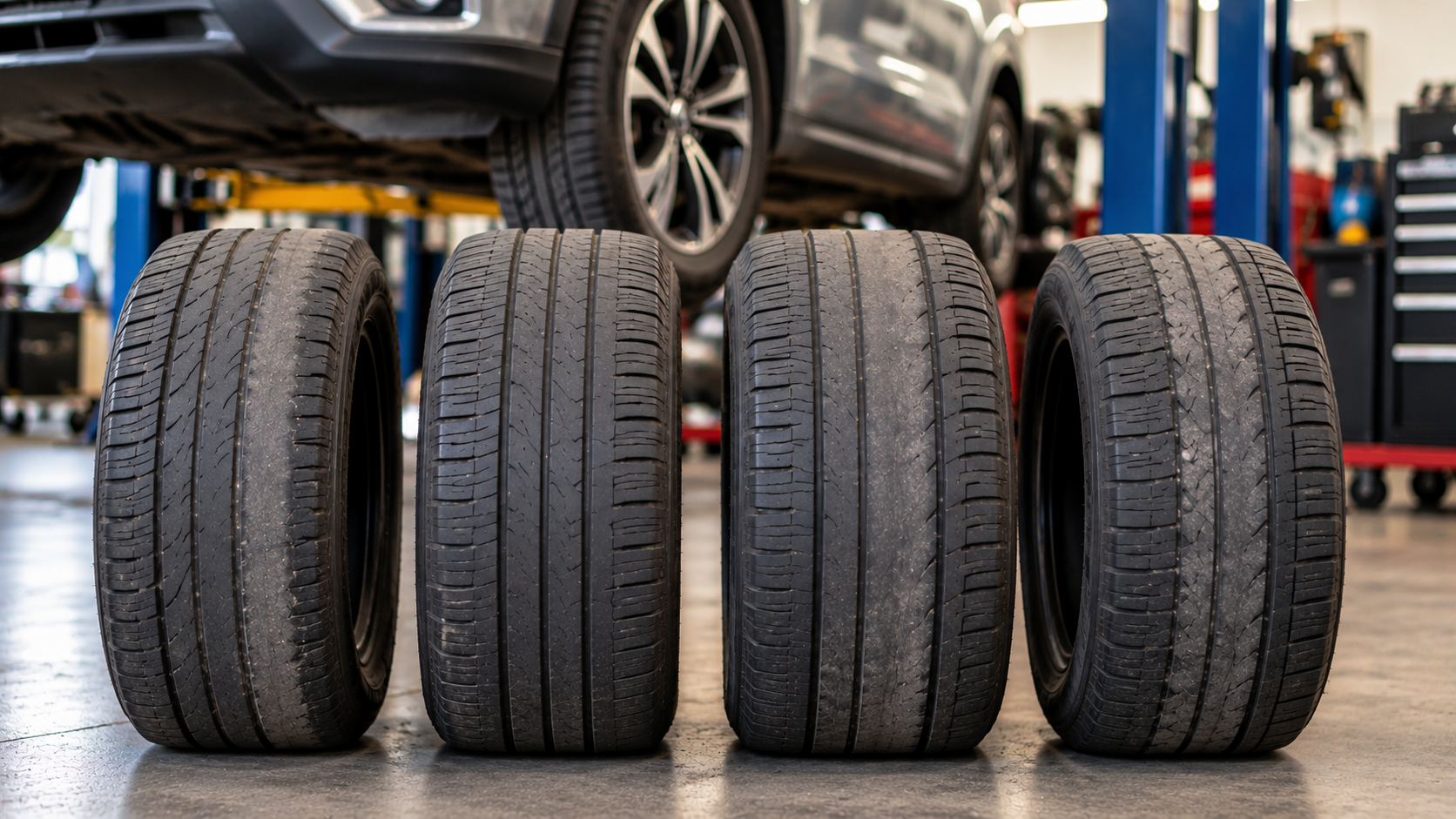
One clue is the tread. Cupping or scalloping creates alternating high and low areas across the tread surface and can produce both vibration and increased road noise. Uneven wear may also indicate an underlying balance, alignment, or suspension problem rather than a defect originating with the tire itself.
Drivers should also look for visible sidewall bulges, cuts, cracks, or unusual deformation. These signs deserve prompt professional attention. Persistent vibration can indicate uneven wear, internal tire damage, balance problems, or alignment issues, even when tread depth appears acceptable.
A tire that has suffered an impact can be particularly deceptive because the same impact may have affected the wheel. That is one reason The Wheel Shop evaluates the complete assembly instead of automatically assuming that replacing the tire will solve the problem.
Could It Simply Be a Balance Problem?
Yes. In many cases, a vibration does not mean the wheel is bent or the tire needs replacement. The wheel and tire assembly may simply be out of balance.
Even properly manufactured tires and wheels have small variations in weight distribution. During professional balancing, equipment identifies those differences so weights can be placed strategically around the wheel. If a weight falls off or the assembly’s balance changes over time, vibration can develop.
A balance-related vibration is often most noticeable within a particular speed range, especially at highway speeds. An out-of-balance wheel and tire assembly can produce steering-wheel or vehicle vibration and contribute to irregular tire wear.
At The Wheel Shop, our tire installation services include professional mounting and balancing using high-quality equipment. If balancing corrects the problem and testing shows that the wheel and tire are otherwise sound, an unnecessary tire or wheel replacement can be avoided.
If the assembly will not balance properly, however, that gives our technicians another clue that something else may be happening.
When Alignment and Suspension Enter the Picture
Not every vibration begins with the tire or wheel. The systems connected to them matter as well.
Alignment problems typically produce symptoms such as uneven tire wear, pulling, or an off-center steering wheel rather than vibration alone. However, poor alignment can create uneven wear that eventually contributes to a rougher ride. Similarly, worn suspension components can allow excessive wheel movement or contribute to tire cupping.
This becomes especially important after an impact. The same pothole capable of bending a wheel may also alter alignment or stress suspension components. Repairing the wheel without checking the rest of the vehicle can therefore leave the original complaint only partially resolved.
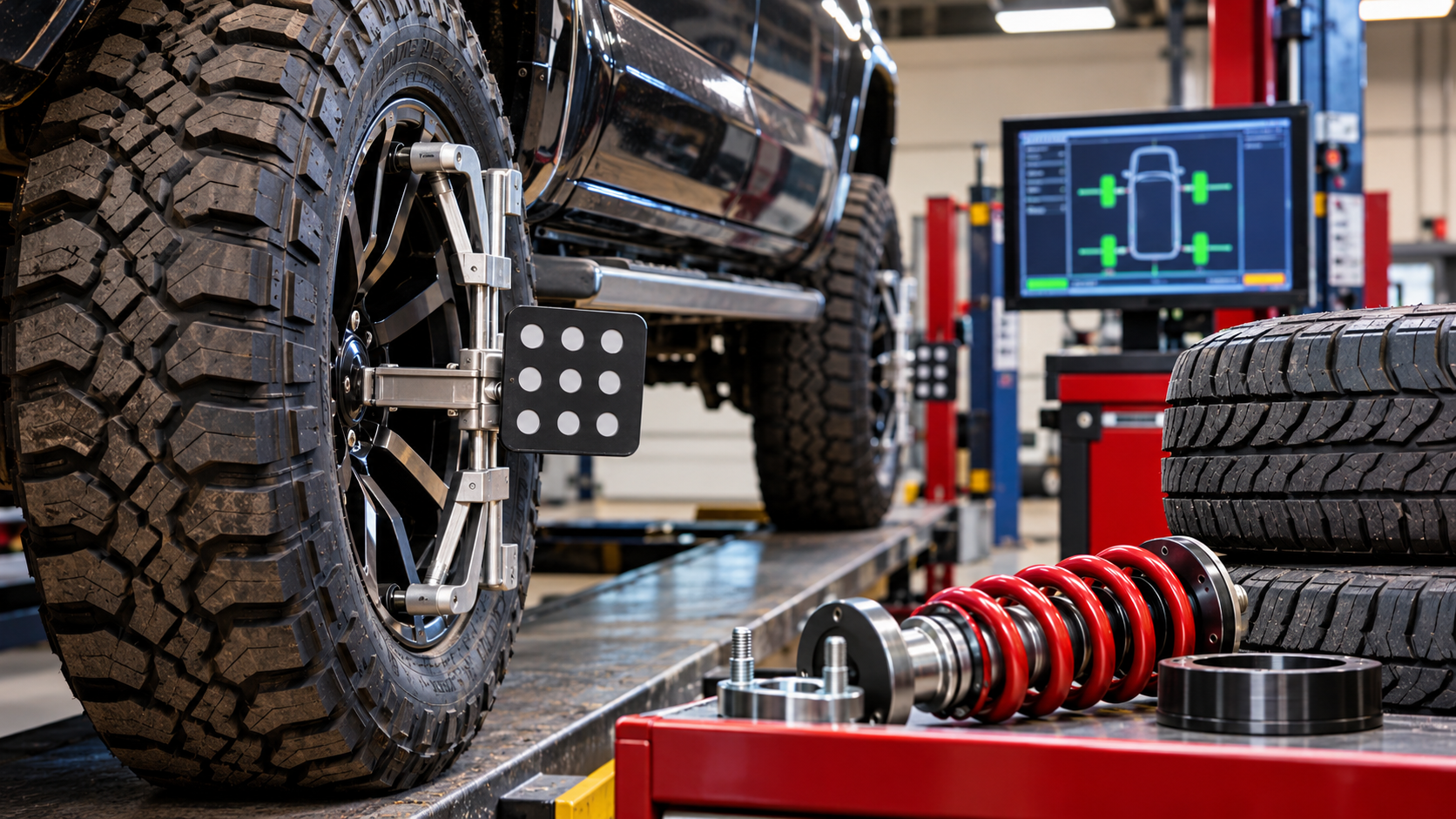
Because The Wheel Shop provides precision wheel alignment, suspension services, tires, and wheel repair, we can look beyond the most obvious symptom. Our goal is not merely to make the vibration disappear temporarily. We want to identify why it developed and address the conditions that could cause it to return.
How The Wheel Shop Tracks Down the Cause
Proper vibration diagnosis is a process of elimination backed by professional equipment and experience. We begin by listening to what the customer has experienced. When did the vibration begin? Does it happen at a specific speed? Is it felt mainly through the steering wheel or through the seat? Did it appear after a pothole strike? Does it become worse during braking?
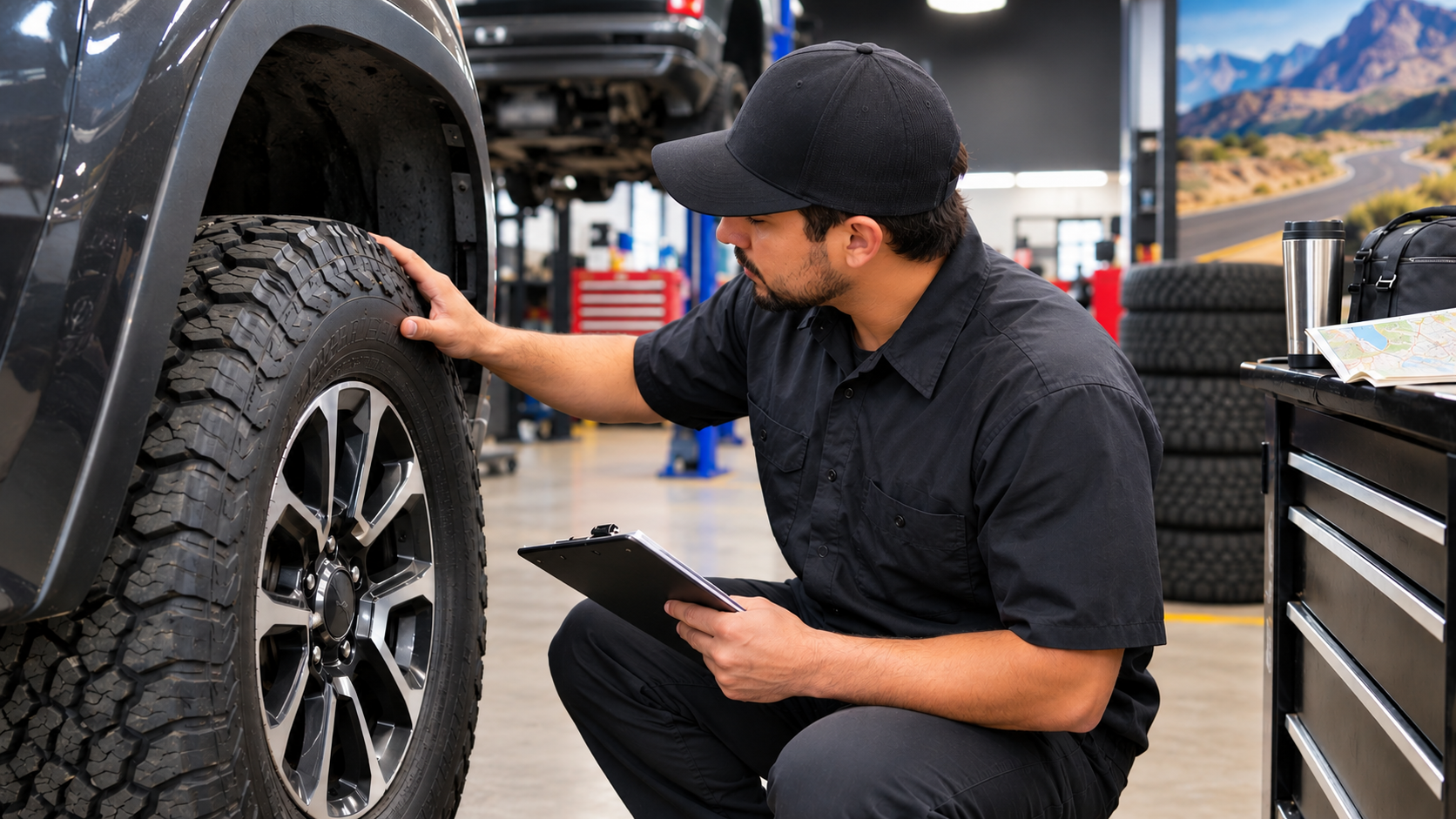
Those details can help point our technicians in the right direction, but the vehicle still needs to be inspected. We can examine tires for unusual tread wear, sidewall damage, deformation, and other problems. The wheels can be checked for bends, cracks, or an out-of-round condition, while balancing equipment helps determine whether the assembly rotates properly.
When necessary, we can expand the inspection to include wheel alignment services and suspension components. This comprehensive approach is particularly valuable when several conditions exist at the same time. A bent wheel, for example, may coexist with a damaged tire or an alignment issue following a hard impact.
Once we identify the source, we can explain whether you need balancing, tire replacement, bent rim repair, wheel straightening, alignment, suspension work, or another service. The objective is a targeted repair rather than an expensive guessing game.
Repair the Bent Wheel or Replace It?
Discovering a bent wheel does not automatically mean you need a new one. Many damaged aluminum and steel wheels can be professionally straightened, depending on the location, type, and severity of the damage.
The Wheel Shop offers structural repairs including wheel straightening and crack repair. Our wheel-straightening process uses specialized hydraulic equipment designed to restore an out-of-round wheel with a high degree of precision. That can make professional repair an excellent option for customers who want to preserve an OEM wheel or avoid unnecessary replacement.
Safety determines whether repair is appropriate. Some wheels have sustained too much damage to be safely restored. In those situations, replacement is the better choice. Because we also offer aftermarket wheels and OEM wheel options, we can help customers determine what makes sense for their vehicle, fitment, budget, and driving needs.
Frequently Asked Questions
Vibrations can be confusing because several different problems produce similar symptoms. These are some of the questions our customers commonly have when trying to determine whether they are dealing with a tire, wheel, or related issue.
Can a bent wheel cause vibration only at certain speeds?
Yes. A relatively minor bend may become much more noticeable as rotational speed increases. You might barely notice anything around town but experience significant vibration at highway speeds. Wheel imbalance can behave similarly, which is why professional testing is important before assuming the wheel itself is bent.
Can a bad tire look perfectly normal?
Sometimes. Certain forms of internal tire damage may not be obvious during a quick visual inspection. If a vehicle develops a new vibration following an impact or the vibration persists despite proper balancing, the tire should be evaluated professionally.
Will balancing fix a bent rim?
Balancing and wheel straightening solve different problems. Balancing compensates for uneven weight distribution within the wheel and tire assembly. It does not physically restore a bent wheel to its proper shape. Adding excessive weights to compensate for a structural problem is not a substitute for bent rim repair.
Should I get an alignment after hitting a pothole?
It is worth having the alignment evaluated after a significant impact, particularly if the steering wheel is no longer centered, the vehicle pulls, handling feels different, or unusual tire wear develops. A pothole can affect more than one component, so checking the wheel, tire, alignment, and suspension can prevent an incomplete repair.
The Wheel Shop Difference
For more than twenty years, The Wheel Shop has helped Riverside drivers solve wheel and tire problems ranging from simple balancing concerns to structural wheel damage. When your vehicle begins vibrating, we understand that you want more than a temporary fix. You want to know what is wrong, what needs to be repaired, and what does not need to be replaced.
Our certified mechanics bring years of experience, specialized training, and industry certifications to every repair and installation. We offer wheel repair Riverside CA, tire services, wheel straightening, alignments, aftermarket and OEM wheels, suspension, powder coating, calipers, chrome plating, and truck and car accessories. Having these capabilities in one shop allows us to evaluate the complete picture instead of treating every vibration as the same problem.
Whether the answer is a simple balance, a damaged tire, a repairable bent wheel, an alignment issue, or a combination of problems, we will help determine the right path forward. If replacement is necessary, we can also help you select properly fitted tires or wheels for your vehicle.
If your steering wheel is shaking, your vehicle has developed an unexplained vibration, or the ride has not felt right since hitting a pothole, do not wait for the problem to become more noticeable. Contact The Wheel Shop in Riverside at (951) 588-1222 or email save@thewheelshopinc.com to schedule an inspection. We can help identify what is causing the vibration and get your vehicle rolling smoothly again.