Why Aftermarket Wheels Transform Your Driving Experience

Upgrading your wheels can dramatically transform both the look and performance of your vehicle. Compared to expensive paint jobs or extensive body modifications, aftermarket wheels offer a cost-effective way to customize your ride. Today’s options go far beyond basic styling—they include advanced materials, innovative designs, and precise fitment choices that can enhance handling, reduce weight, and even improve fuel efficiency. Whether you’re aiming for a subtle upgrade or a bold statement, the right set of wheels lets you tailor your vehicle to your personal style and driving needs.
Quick Reference: Essential Aftermarket Wheel Considerations
- Fitment Specs: Diameter, width, bolt pattern (PCD), offset, and center bore must match your vehicle.
- Materials: Steel (durable, budget-friendly), Cast Alloy (lightweight, stylish), Forged (strongest, lightest).
- Styles: Multi-spoke, five-spoke, mesh, concave – choose based on your vehicle’s lines.
- Sizing: Plus sizing improves looks but stiffens ride; minus sizing adds comfort but may cause clearance issues.
- Budget: Individual wheels can cost $300-$500, plus tires and installation.
Choosing aftermarket wheels is about balancing four key factors: fitment, style, materials, and budget. Get the fitment wrong, and you’ll face costly mistakes. The wrong material can sacrifice performance, and a clashing style will make even expensive wheels look out of place.
Fitment determines both safety and functionality, ensuring your wheels align properly with your vehicle’s specifications. Style lets you showcase your personality and make a visual statement. Materials influence weight, strength, and cost, while your budget ultimately guides every decision.
When selected thoughtfully, aftermarket wheels can enhance handling, braking, and even fuel efficiency. On the flip side, choosing the wrong wheels can lead to performance issues, premature wear, or safety risks. That’s why understanding the fundamentals before making a purchase is essential.
Why Choose Aftermarket Wheels? The Primary Factors
Car enthusiasts choose aftermarket wheels for a variety of reasons, typically driven by four key factors: aesthetics, performance enhancement, personal expression, and cost-effectiveness. Upgrading wheels is often one of the most impactful modifications you can make to a vehicle, offering a noticeable visual transformation while improving handling, braking, and overall driving dynamics—all without the expense of more extensive upgrades.
A great set of wheels can completely change a car’s personality for a fraction of the cost of a custom paint job or body kit. Whether you have a daily commuter or a high-performance car, there’s a wheel solution that fits your needs and budget.
Upgrading for Style
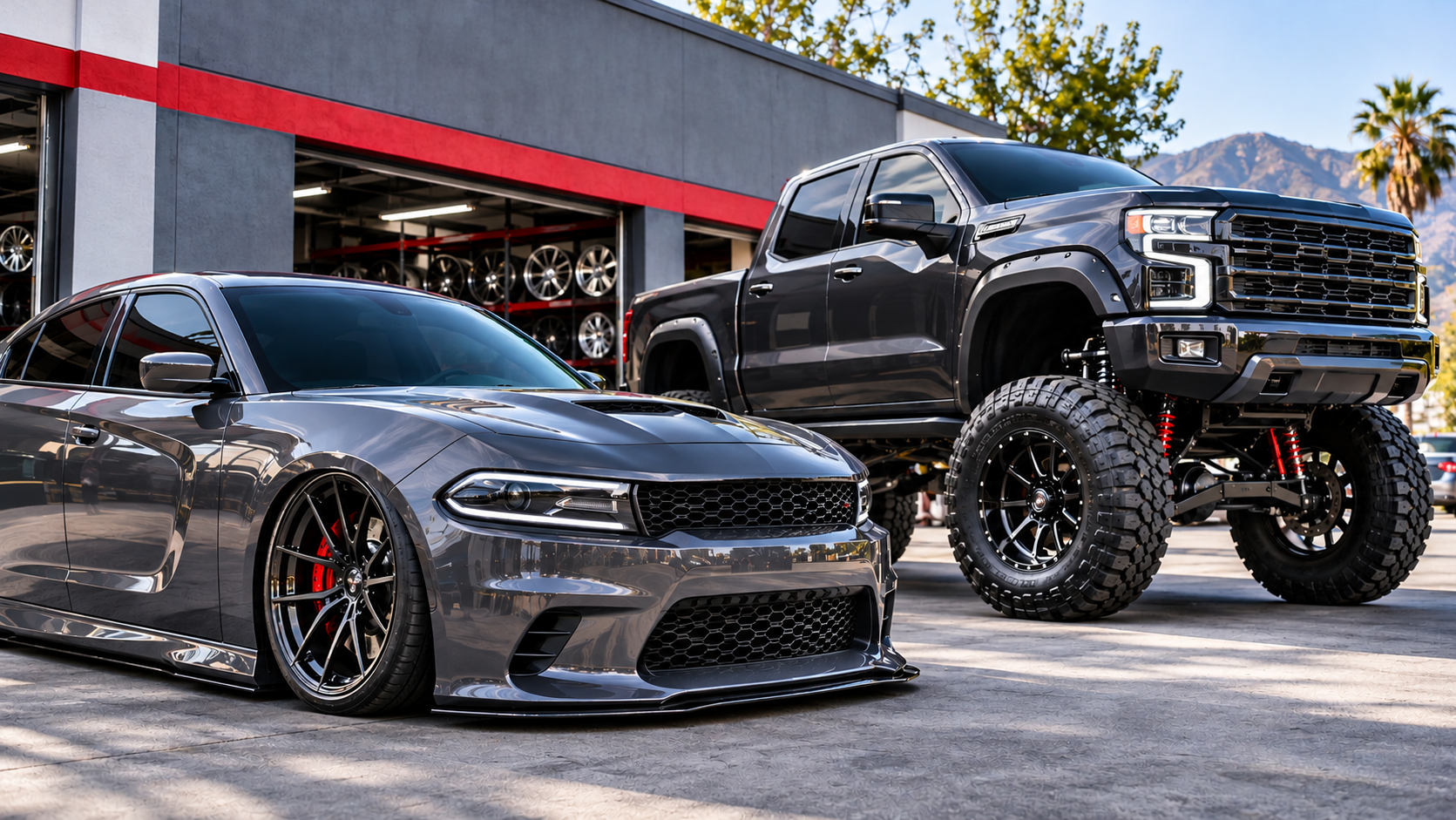
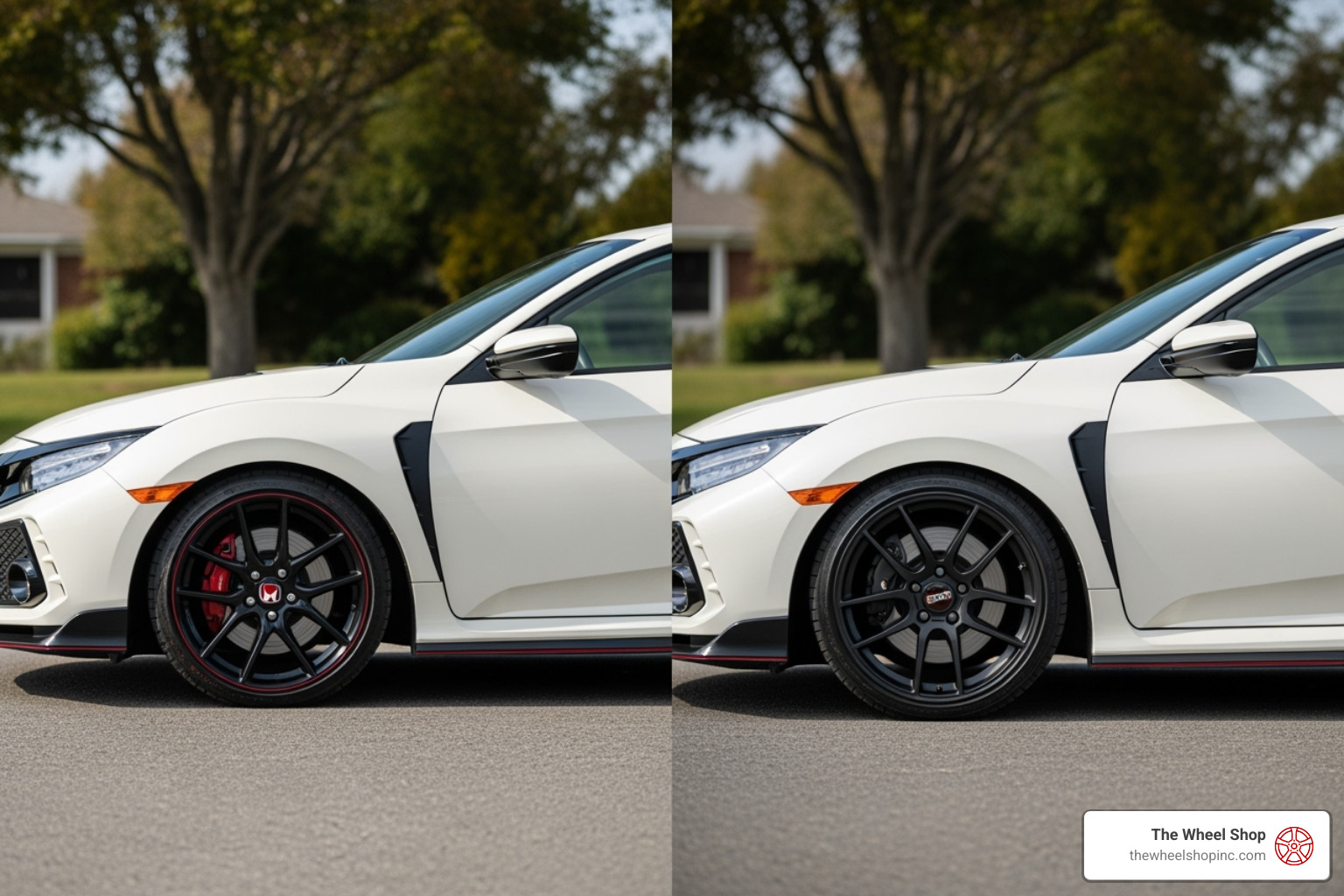
Wheels are often the first thing people notice about a car. Upgrading for style is about creating harmony between your wheels and your vehicle’s lines. A well-chosen set of aftermarket wheels can make an ordinary car turn heads. The key is to complement your car’s existing design language. A sleek sedan might suit clean, multi-spoke wheels, while a rugged truck could benefit from a bold, aggressive design.
Stock wheels often prioritize cost over style, resulting in a generic look. Aftermarket options let you stand out from the crowd and express your personal taste.
Upgrading for Performance
Performance improvement from wheel upgrades is real, measurable physics. The magic happens by reducing unsprung weight. This is the mass your suspension doesn’t support—wheels, tires, and brake components. Lighter aftermarket wheels reduce this weight, making your car feel more responsive.
Better handling comes from reduced rotational mass, allowing your suspension to work more effectively for more precise cornering. Improved braking occurs because there’s less weight to slow down, and many aftermarket wheels offer better heat dissipation. Even acceleration gets a boost, as less power is needed to spin the wheels.
Curious about the science behind wheel weight? Our detailed article Does Wheel Weight Really Matter? breaks down exactly how those pounds affect your driving experience.
Budgeting for Your New Wheels
Smart budgeting means thinking beyond the wheel price tag. Wheel costs for quality aftermarket options typically range from $300-$500 per wheel, but premium forged designs can cost much more.
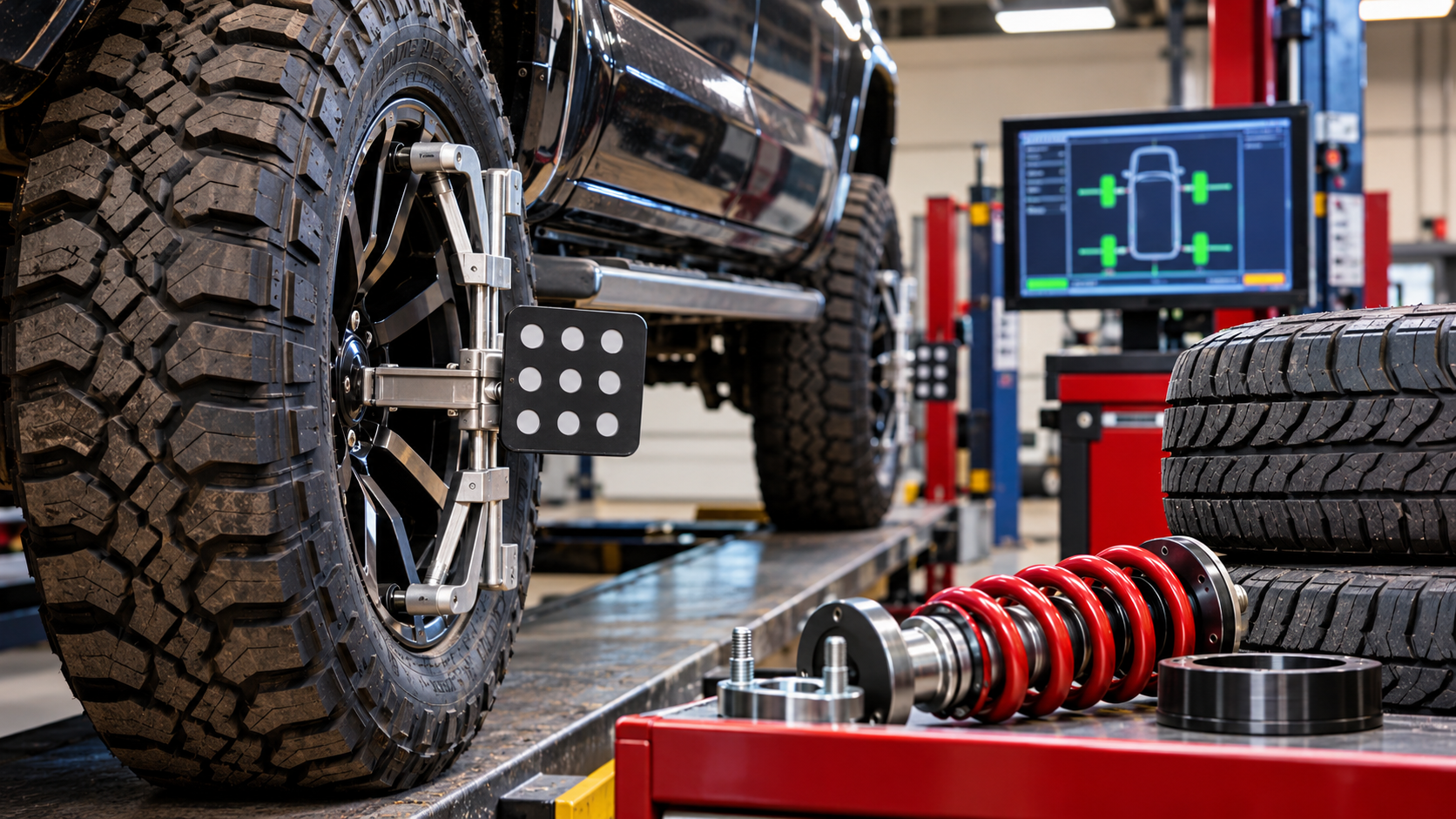
Remember to factor in other expenses. Tire costs can add hundreds or thousands to your project, as new wheels often require new tires. Installation fees cover mounting, balancing, and disposal of old tires. Finally, consider potential suspension adjustments. Significant changes in wheel size or offset may require an alignment or other modifications to ensure everything works together perfectly.
This investment pays dividends in both enjoyment and resale value, making your car more fun to drive and more attractive to future buyers.
Decoding Wheel Materials: Steel vs. Alloy vs. Forged
Understanding wheel materials is a crucial part of choosing aftermarket wheels. The material impacts more than just cost—it affects handling, ride quality, fuel efficiency, and durability against road hazards. Today’s manufacturing techniques offer a wide range of options, from lightweight alloys that improve performance to stronger, more resilient designs built for everyday driving. Selecting the right material ensures your wheels not only look great but also perform reliably under your driving conditions.
Steel Wheels
Steel wheels are the workhorses of the wheel world, offering exceptional durability at a budget-friendly price. They can take a beating and are resistant to road salt, making them ideal for winter driving, off-road use, or work trucks. If you hit a pothole, a steel wheel is more likely to bend than crack, often allowing you to keep driving.
The main trade-off is weight. Steel is significantly heavier than aluminum, which negatively impacts acceleration, braking, and handling. Their industrial look is basic, but it can be improved with wheel covers.
Alloy (Cast Aluminum) Wheels
Alloy wheels are the most popular choice for their excellent balance of cost, style, and performance. Made from cast aluminum, they are much lighter than steel, which improves suspension response, braking, and overall responsiveness. They also dissipate heat better than steel, which helps keep your brakes cool.
The casting process—pouring molten aluminum into molds—allows for an impressive variety of styles while keeping costs reasonable. They won’t rust like steel, though they still require care to prevent corrosion.
Want to learn more? Check out the 5 Benefits of Alloy Rims for detailed insights.
Forged Wheels
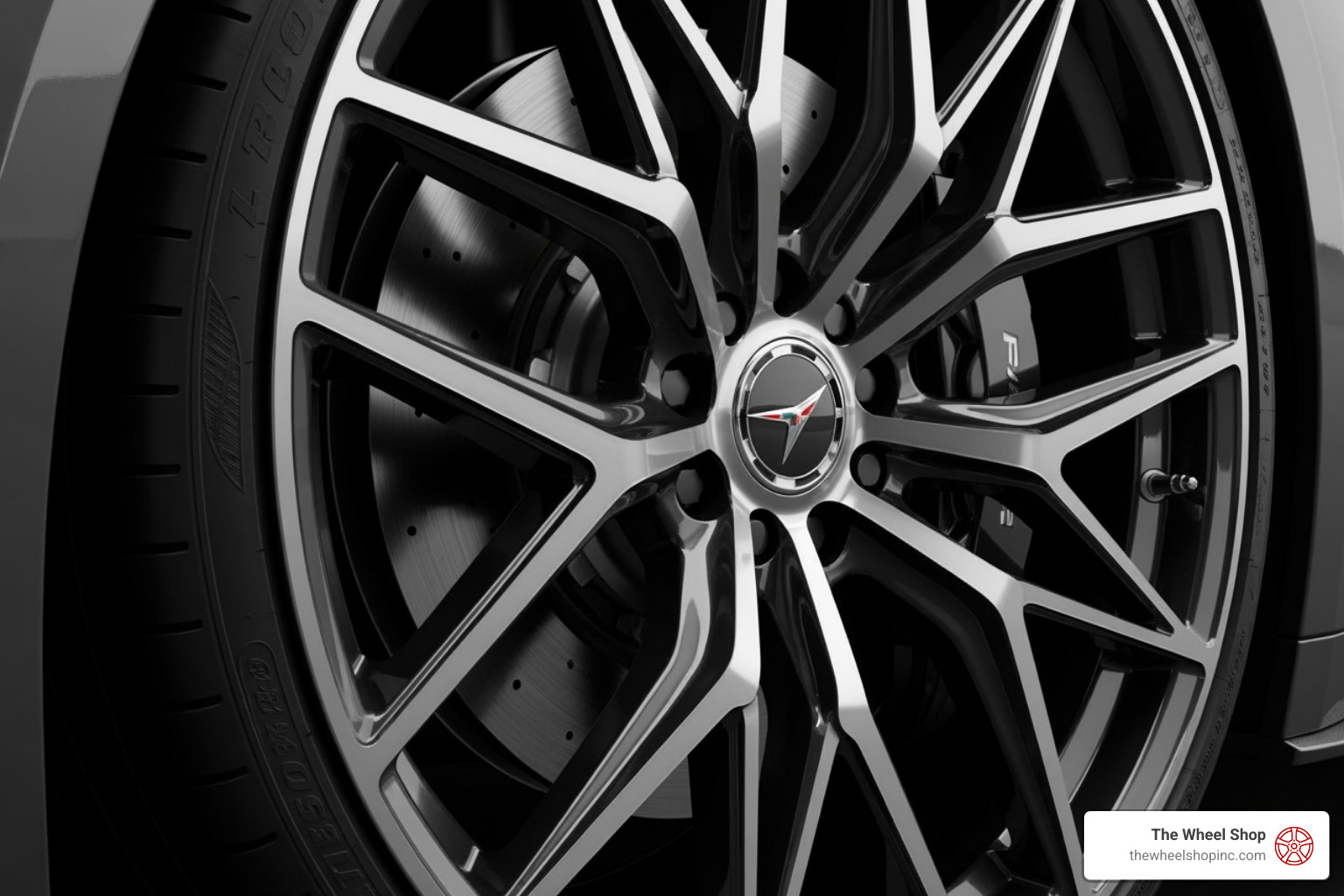
Forged wheels represent the absolute pinnacle of wheel technology. Instead of casting, a solid block of aluminum is compressed under extreme pressure and heat. This process aligns the metal’s grain structure, creating a wheel that is significantly lighter and stronger than a cast wheel.
Forged wheels offer the best strength-to-weight ratio, making them the top choice for professional racers and serious performance enthusiasts. The weight reduction translates directly into better handling, quicker acceleration, and more responsive braking. This advanced manufacturing process comes with a premium price, but for those who demand maximum performance, the benefits are undeniable.
A Beginner’s Guide to Aftermarket Wheels: Fitment, Styles, and Materials
This is where understanding the basics of aftermarket wheels becomes essential. Getting the technical specifications right—especially fitment—is critical. Even the most stylish or expensive wheels can create rubbing, compromise handling, or lead to unsafe driving if they don’t fit properly. Think of it like buying shoes: no matter how great they look, they’re ineffective—and potentially harmful—if they don’t fit your feet correctly. Proper fitment ensures your wheels perform safely and effectively while complementing your vehicle’s design.
Understanding Key Wheel Specifications for Perfect Fitment
Getting the fitment right is non-negotiable. Here’s what you need to know:
- Diameter and Width: These are the basic size measurements (e.g., 18-inch diameter, 8.5-inch width). They directly impact your car’s look, handling, and ride quality.
- Bolt Pattern (PCD): This is the most critical spec. It’s the number of lug holes and the distance between them (e.g., 5×114.3). If it doesn’t match your vehicle’s hub, the wheel won’t bolt on.
- Center Bore: This is the hole in the center of the wheel that fits over the vehicle’s hub. A snug, “hub-centric” fit is ideal. If the wheel’s bore is larger, hub-centric rings are used to fill the gap and prevent vibration.
- Offset and Backspacing: These measurements determine how far your wheels will stick out or tuck in. Offset is the distance from the wheel’s centerline to its mounting surface. Positive offset tucks the wheel in, while negative offset pushes it out. Incorrect offset can cause tires to rub against fenders or suspension components.
Mistakes in these areas can be costly and dangerous. Always consult your owner’s manual or a professional before choosing.
For more detailed information, check out Understanding Wheel and Tire Dimensions. Our comprehensive A mechanic’s guide to perfect fitment covers everything you need to know.
Choosing Aftermarket Wheel Styles and Materials for Your Car
Once you’ve nailed the technical specs, it’s time to choose a style. The goal is to find a design that complements your vehicle’s lines.
- Multi-spoke wheels offer a clean, sophisticated look and help dissipate brake heat.
- Five-spoke designs are a classic, sporty choice that’s easy to clean.
- Mesh style wheels provide an intricate, high-performance look often seen on luxury sports cars.
- Concave wheels curve inward for an aggressive stance, while deep dish wheels have a pronounced outer lip popular in classic and tuner scenes.
The Art of Sizing: Plus Sizing vs. Minus Sizing
Changing wheel diameter is known as “plus sizing” or “minus sizing.”
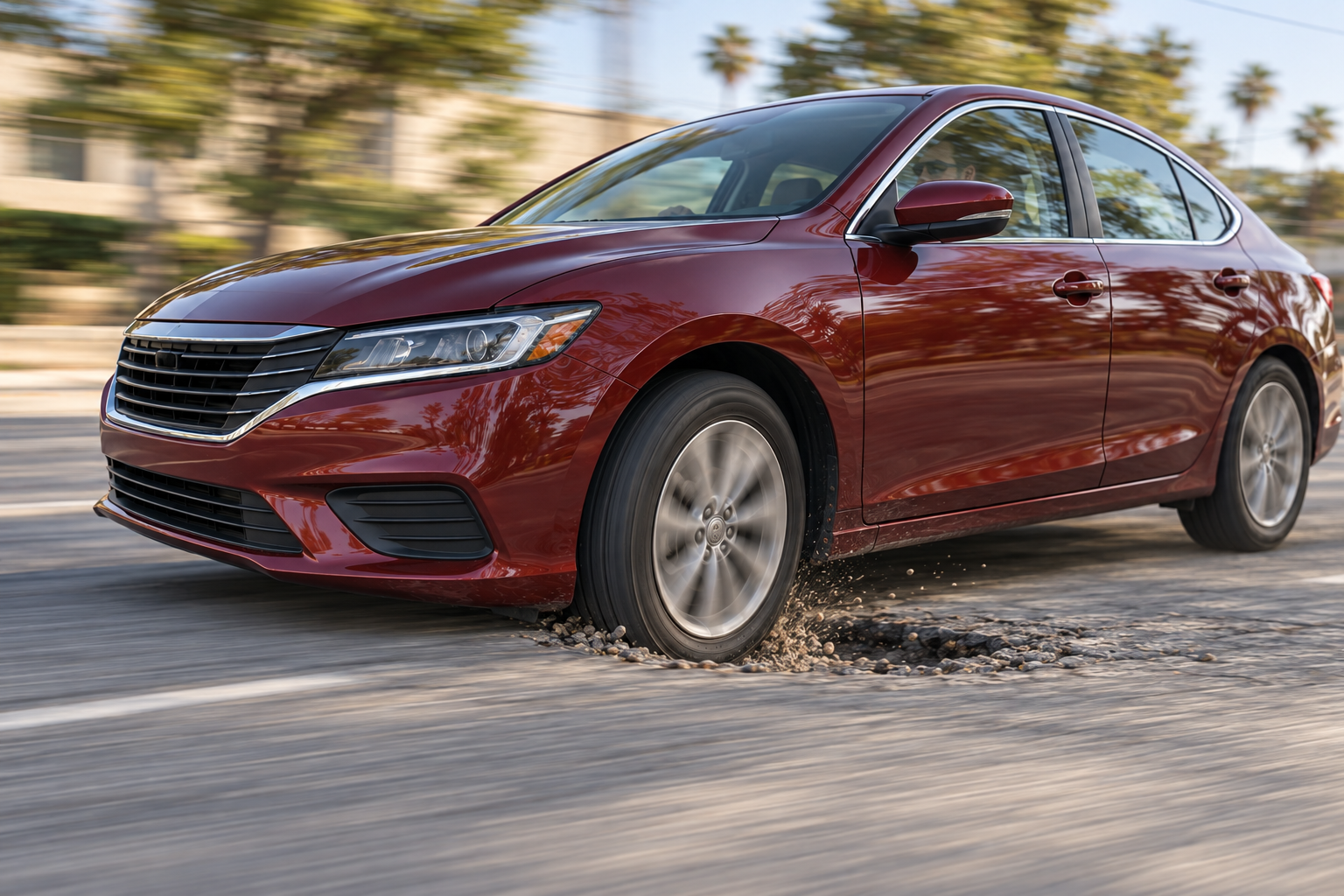
Plus sizing involves fitting larger-diameter wheels with lower-profile tires to maintain the same overall tire diameter. This improves appearance and sharpens handling, but the trade-off is a stiffer ride and increased risk of pothole damage. It can also cause fitment issues if not done correctly.
Minus sizing is the opposite: fitting smaller-diameter wheels with higher-profile tires. This provides a more comfortable ride and is a popular choice for winter or off-road setups. The main downside is potential clearance issues with large brake calipers.
Whatever you choose, keeping the overall tire diameter consistent is key to avoiding speedometer errors and performance changes. For detailed guidance on going bigger, check out our Guide to Upsizing Custom Wheels.
How Aftermarket Wheels Impact Performance and Maintenance
Your choice of wheels impacts far more than just your car’s appearance. The right set can influence handling, braking, and fuel efficiency, making them a key component of your vehicle’s overall performance. Wheels form the foundation of how your car interacts with the road, so selecting the right type and maintaining them properly is essential to ensure safety, reliability, and optimal driving dynamics.
For a deeper understanding of these impacts, check out How Wheel Size Impacts Ride Quality, Handling, and Fuel Economy.
Performance: More Than Just Looks
Reducing unsprung mass (the weight of wheels, tires, and brakes) is a key performance benefit. Lighter wheels allow the suspension to keep tires on the road more effectively, resulting in sharper handling and better steering response. Lighter wheels also require less effort to spin up and slow down, which improves both acceleration and braking.
An often-overlooked factor is brake caliper clearance. If you have or plan to install larger brakes, your new wheels must have enough room to clear them. On the plus side, alloy wheels excel at heat dissipation, which helps keep your brakes cool and performing optimally. Lighter wheels can also lead to a small but noticeable improvement in fuel economy.
Sometimes, bigger changes require custom solutions. That’s where our Custom Suspension expertise comes in handy. Want to learn more about the relationship between your wheels and brakes? Check out How Rotors Affect Your Wheels.
Essential Maintenance and Care
Aftermarket wheels are an investment that requires proper care. Keeping them looking great is straightforward with the right approach.
- Clean Regularly: Corrosive brake dust can etch your wheel’s finish. Clean them often, but avoid harsh chemicals. Use a pH-neutral wheel cleaner or mild soap and water to protect the finish.
- Protect the Finish: A quality wheel sealant or wax creates a barrier against dirt, brake dust, and road salt, making future cleaning easier.
- Check Lug Nut Torque: After installation and again after 50-100 miles, ensure your lug nuts are tightened to the manufacturer’s specifications to prevent serious problems.
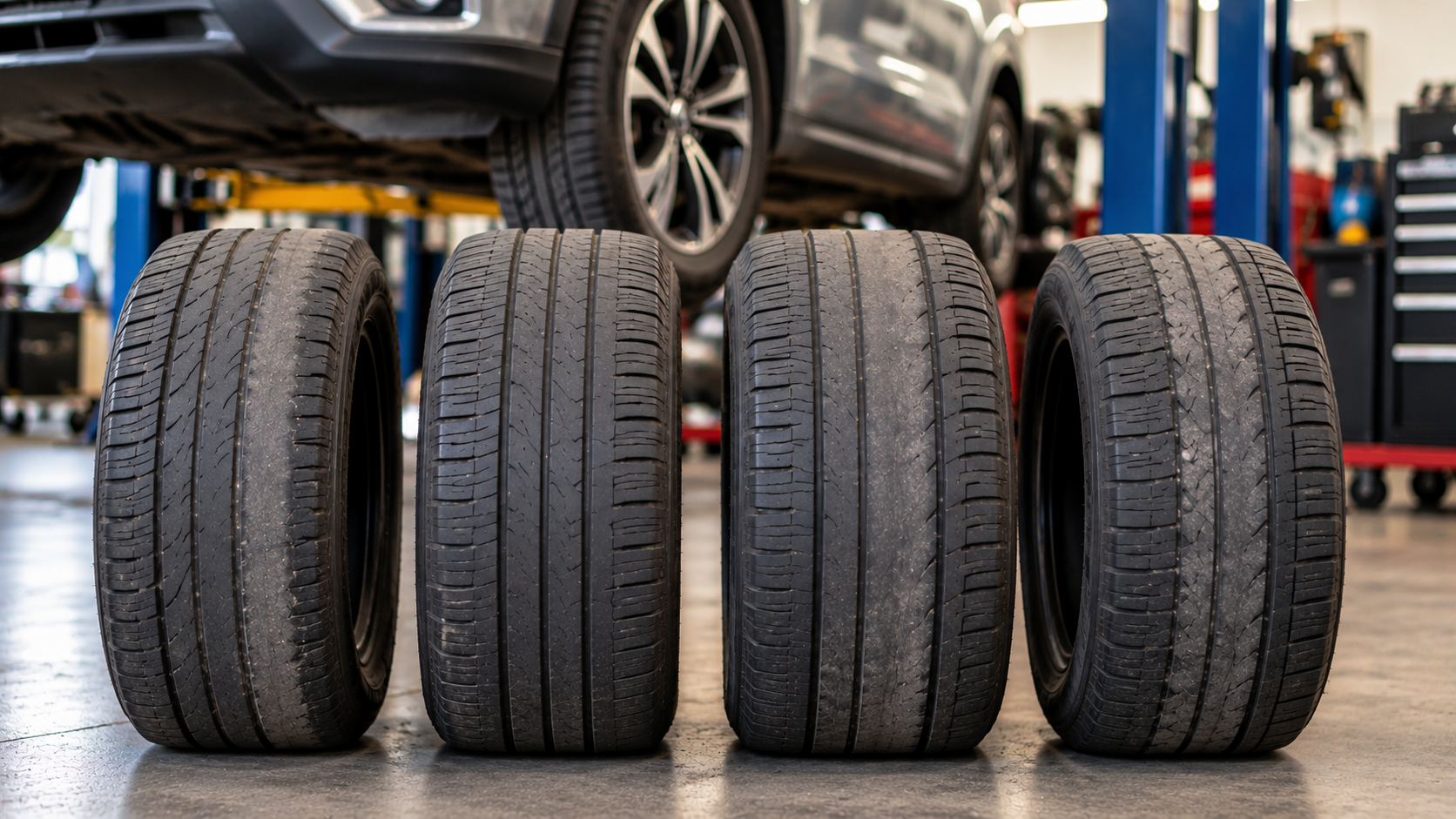
- Inspect for Damage: Regularly check for cracks, bends, or curb rash. Catching damage early can save you from more expensive repairs.
Want to avoid common pitfalls? Learn how to Avoid Making These Mistakes When Cleaning Your Wheels. If you need professional help, our Wheel Repair services are here for you.
Repair and Refinishing Options
Even with careful driving, damage can happen. Fortunately, most wheel damage is repairable.
- Pothole and Curb Rash Repair: Minor bends, cracks, and cosmetic damage can often be expertly repaired. We specialize in Alloy Wheel Pothole Repair to restore your wheels.
- Powder Coating: This durable finish provides excellent protection against chips and corrosion and comes in a world of custom colors. Learn about The Benefits of Powder Coating Your Wheels.
- Chrome Plating: For that classic mirror shine, our Replating Chrome Wheels service can restore damaged or worn chrome to its former glory.
Professional repair and refinishing options mean your aftermarket wheels can serve you well for years to come.
The Wheel Shop Difference
The journey from stock to custom doesn’t have to be complex. Whether you choose the shine of gloss, the subtlety of satin, the durability of powder coating, or the creativity of hydro-dipping, there is a perfect option for you.
The best choice is the one that fits your style, your budget, and your lifestyle. A low-maintenance satin finish may be ideal for a daily driver, while a show car can justify the upkeep of polished chrome. A custom finish protects your investment, can boost resale value, and, most importantly, brings you pride in your vehicle.
At The Wheel Shop, our team in Riverside, CA, has over twenty years of experience helping drivers make the right choice. We match the perfect wheel to your vehicle, driving style, and goals. Our services cover every aspect of your upgrade, from specialty wheel and rim repair and caliper and wheel powder coating to custom suspension installations and precision alignments. Our top-tier craftsmanship and exceptional customer service ensure you get wheels that look great and perform flawlessly.
Ready to transform your ride? For expert advice and a wide selection of Aftermarket Wheels & Tires, contact us today. Let’s find the perfect wheels to lift your driving experience.