For years, chrome wheels have been one of the most recognizable finishes in the automotive world. They have appeared on classic muscle cars, luxury sedans, lifted trucks, custom cruisers, and show vehicles across generations. Yet despite their long-standing popularity, chrome has developed a reputation that often causes enthusiasts and everyday drivers alike to dismiss it as outdated or excessive.
The reality is far more nuanced. Chrome is not dead. In fact, modern vehicle customization trends show that chrome continues to play an important role in both performance-inspired and appearance-focused builds. What has changed is how chrome is used. Rather than being applied indiscriminately across every surface of a vehicle, today’s builders are using chrome strategically to complement body lines, create contrast, and highlight design details.
At The Wheel Shop, we regularly work with customers who are surprised to learn how versatile modern chrome applications can be. Whether someone is restoring a classic vehicle, upgrading a luxury SUV, customizing a truck, or looking for a distinctive wheel finish, chrome remains a valuable option when selected thoughtfully and maintained properly.
The Difference Between Chrome, Polished, and Painted Wheels
One of the biggest misconceptions among vehicle owners is that chrome wheels are simply shiny wheels. In reality, chrome differs significantly from polished aluminum, painted finishes, powder coating, and machined surfaces.
Chrome plating involves applying layers of metal coatings to a wheel surface, creating a highly reflective finish that offers exceptional visual depth. This process produces a mirror-like appearance that is difficult to duplicate through other finishing methods. The reflective quality of chrome alloy wheels creates a level of brilliance that remains unmatched in many applications.
Polished aluminum wheels can appear similar from a distance, but their reflectivity and depth are generally less dramatic. Polished wheels often require frequent maintenance to preserve their appearance because the exposed metal surface is vulnerable to oxidation.
Painted wheels provide extensive color options and are often easier to customize, but they deliver an entirely different aesthetic. Matte black, gloss black, bronze, gunmetal, and other painted finishes can create aggressive or understated looks, while chrome tends to emphasize luxury, detail, and visual impact.
Similarly, chrome powder coat wheels and black chrome-inspired finishes have become increasingly popular because they blend modern styling with some of chrome’s reflective characteristics. These alternatives demonstrate that chrome aesthetics continue to influence current wheel trends even when traditional chrome plating is not used.
Why Chrome Still Works on Modern Vehicles
Many people assume chrome belongs exclusively on classic cars, but modern vehicle design often pairs surprisingly well with chrome accents. The key is understanding proportion and application.
Luxury SUVs, full-size trucks, premium sedans, and performance-oriented vehicles frequently feature factory chrome trim around windows, grilles, lighting elements, and badging. Adding chrome wheels can create visual consistency by connecting these design elements into a cohesive appearance.
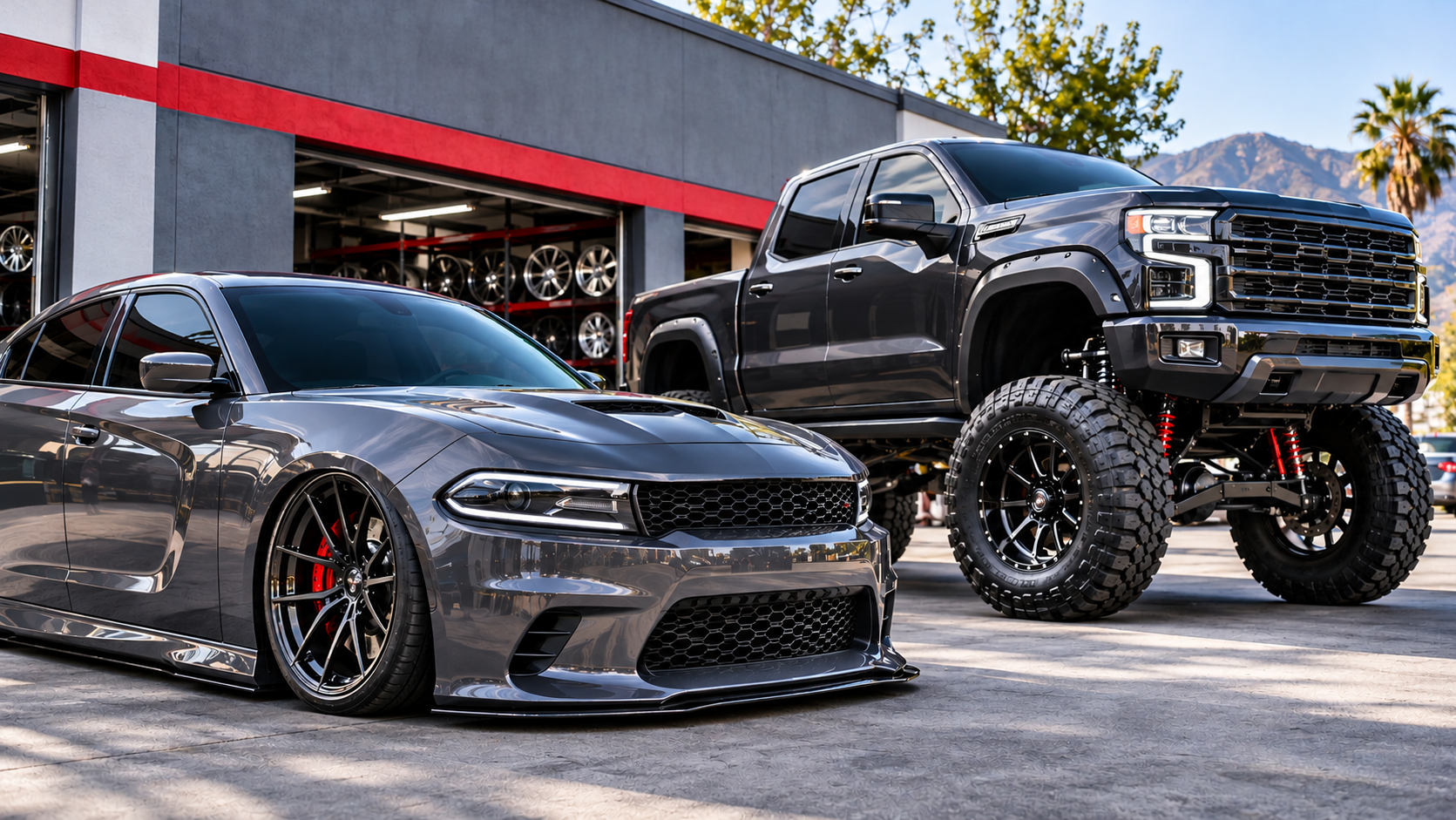
Truck owners are among the strongest supporters of chrome today. A lifted truck equipped with carefully selected chrome wheels, polished accessories, and tasteful trim can create a premium appearance that stands apart from the sea of black-wheel builds. This is particularly true for heavy-duty trucks, tow vehicles, and custom show trucks where chrome complements the vehicle’s size and presence.
Chrome also performs exceptionally well on vehicles with darker paint colors. Black, navy blue, charcoal gray, deep red, and dark green paint finishes often benefit from the contrast that chrome provides. Rather than disappearing into the vehicle’s overall appearance, chrome creates focal points that draw attention to the wheels and overall stance.
Even modern performance builds can utilize chrome effectively. When paired with contemporary body styling and appropriate wheel sizing, chrome can create a unique appearance that distinguishes a vehicle from more predictable customization choices.
The Return of Individuality in Vehicle Customization
Automotive customization has always been cyclical. Trends emerge, become popular, reach saturation, and eventually give way to new ideas. One of the most interesting developments in recent years has been a renewed emphasis on individuality.
According to industry trend coverage from publications such as SEMA and enthusiast media outlets like MotorTrend, vehicle owners increasingly seek modifications that help their vehicles stand apart from common builds rather than simply following prevailing trends. This shift has created opportunities for finishes and styles that may have been overlooked during the dominance of matte and black-wheel aesthetics.
Today, many enthusiasts recognize that a vehicle should reflect its owner’s personality and goals rather than current social media trends. For some builds, that means bronze wheels. For others, it means powder-coated finishes, custom paint, or forged wheel designs. For many vehicles, chrome remains the best option.
This renewed focus on personalization has helped fuel interest in best chrome wheels, chrome auto rims, and specialized finishing services. Rather than viewing chrome as old-fashioned, more vehicle owners are recognizing it as a unique design choice that can create a memorable appearance when executed properly.
Understanding Chrome Maintenance
One reason some vehicle owners avoid chrome is concern about maintenance. While chrome does require care, many assumptions regarding upkeep are exaggerated or based on outdated information.
Modern chrome finishes can remain attractive for years when cleaned regularly and protected from corrosive contaminants. Road salt, brake dust, harsh chemicals, and neglected cleaning schedules are often responsible for the deterioration commonly associated with chrome surfaces.
Routine maintenance typically involves washing wheels with appropriate cleaners, removing brake dust, avoiding abrasive chemicals, and inspecting for signs of damage. For many drivers, this level of care is no more demanding than maintaining a high-quality painted or polished wheel finish.
When damage does occur, professional services such as chrome wheel replating, wheel refinishing, or restoration can often return wheels to their original appearance, making chrome a surprisingly long-term investment when maintained correctly.
Chrome Restoration Versus Replacement
One of chrome’s overlooked advantages is that damaged wheels can often be restored rather than replaced. Many vehicle owners assume that peeling, pitting, or cosmetic damage automatically requires purchasing new wheels, but this is not always the case.
Professional chrome restoration services can address a variety of cosmetic issues depending on the condition of the wheel. Surface damage, aging finishes, and certain types of corrosion may be repairable through refinishing processes that restore appearance while preserving the original wheel.
This is particularly valuable for owners of classic vehicles, discontinued wheel designs, rare OEM wheels, and custom applications where replacement options may be limited or expensive. Restoring an original chrome wheel often preserves authenticity while reducing overall costs.
The restoration process also allows owners to evaluate alternative finishes if their styling goals have changed. Some customers choose to maintain traditional chrome, while others transition to powder-coated or specialty finishes after evaluating available options.
Choosing the Right Chrome Application for Your Vehicle
The success of chrome depends largely on selecting the right wheel design, finish, and size for the vehicle. Chrome is most effective when it complements the vehicle rather than competing with it.
Wheel size should remain proportional to vehicle dimensions and intended use. Oversized wheels may work well on certain trucks and SUVs, while performance vehicles often benefit from more restrained sizing. Proper fitment is equally important because even the most attractive wheel can negatively impact ride quality or appearance if dimensions are incorrect.
Vehicle color also influences chrome’s effectiveness. Dark paint often creates dramatic contrast, while lighter colors can create a more refined appearance. Chrome can work beautifully with both approaches when thoughtfully selected.
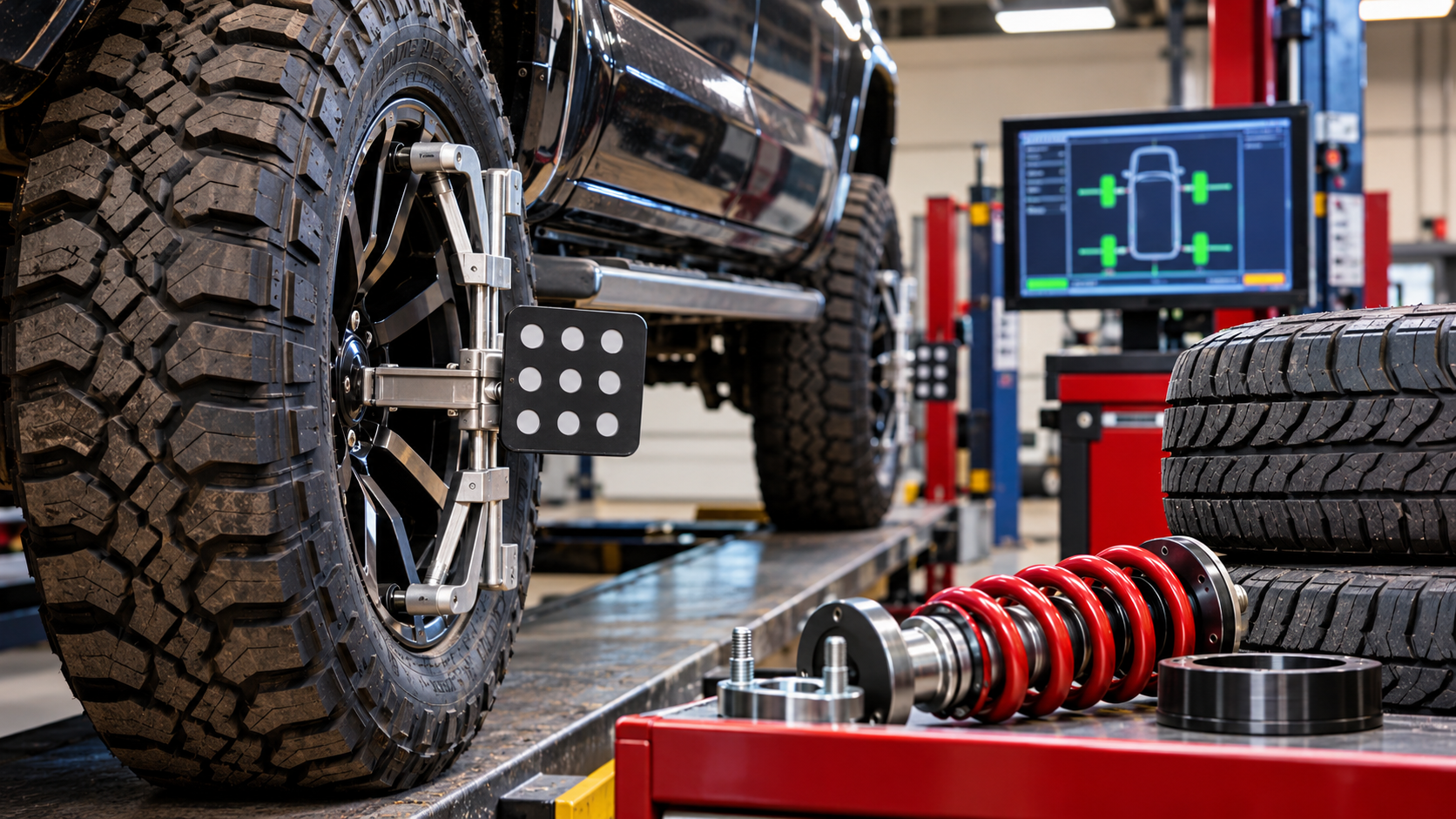
Professional guidance becomes especially important when evaluating options such as chrome plating rims, aftermarket wheel upgrades, suspension modifications, and custom styling combinations. Understanding offset, width, tire selection, and overall vehicle design ensures the finished result achieves the desired appearance and performance objectives.
Frequently Asked Questions
Chrome wheels continue to generate questions among vehicle owners because there are many misconceptions surrounding their appearance, durability, and maintenance. Here are answers to some of the most common questions.
Are chrome wheels outdated?
No. Chrome wheels are not outdated. Like any design element, their popularity fluctuates over time, but chrome remains a respected finish within luxury, truck, classic, and custom vehicle communities. Modern builds often use chrome more selectively and strategically than previous generations, creating a refined appearance rather than an excessive one.
Do chrome wheels require significantly more maintenance?
Chrome wheels do require regular cleaning and protection, but the maintenance requirements are often overstated. Consistent washing, removal of brake dust, and avoidance of harsh chemicals can help preserve chrome finishes for many years. Proper care is important regardless of wheel finish.
Can damaged chrome wheels be repaired?
In many cases, yes. Professional wheel repair and chrome plating services can address certain types of cosmetic damage, corrosion, and finish deterioration. The feasibility of repair depends on the extent of the damage and the wheel’s overall condition.
What types of vehicles look best with chrome wheels?
Chrome works particularly well on trucks, luxury SUVs, classic cars, muscle cars, and certain performance vehicles. The best results occur when wheel design, vehicle color, suspension setup, and overall styling work together to create a cohesive appearance.
The Wheel Shop Difference
For more than twenty years, The Wheel Shop has helped drivers throughout Riverside and surrounding communities choose wheel and tire solutions that match their vehicles, driving habits, and personal style. Whether you are considering chrome plating wheels, aftermarket upgrades, suspension modifications, wheel repair, or custom finishing services, we have the experience to guide you through the process.
Our team specializes in Powdercoating, Tires, Wheel Repair, Alignments, Aftermarket and OEM Wheels, Truck & Car Accessories, Suspension, Calipers, and Chrome Plating. We understand that every build is different, which is why we take the time to evaluate fitment, performance goals, appearance preferences, and long-term durability before recommending solutions.
Our certified mechanics bring years of experience and specialized training to every installation and repair. From restoring damaged wheels to helping customers select the perfect set of chrome alloy wheels, we are committed to providing professional workmanship that meets the highest industry standards.
If you are ready to explore your options for chrome wheels, wheel restoration, suspension upgrades, alignments, or custom vehicle enhancements, contact The Wheel Shop today. Call us at (951) 588-1222 or email info@thewheelshopinc.com to speak with our team and discover how we can help transform your vehicle with solutions built around quality, performance, and style.