Whether you use your truck for work, your SUV for weekend adventures, or your trailer to haul equipment, understanding load ratings is one of the most important aspects of vehicle safety. While many drivers focus on horsepower, towing capacity, or tire appearance, the ability of your wheels and tires to safely support weight is equally critical. Choosing components that are not designed for your vehicle’s intended use can negatively affect handling, braking, tire wear, and overall safety.
Load ratings are often misunderstood because they involve several interconnected specifications, including tire load index, wheel load capacity, Gross Vehicle Weight Rating (GVWR), payload, and towing limits. Many vehicle owners assume that if a tire fits, it is suitable for the job. In reality, selecting the correct truck wheels, aftermarket truck wheels, and tires requires understanding how these ratings work together.
At The Wheel Shop, we regularly help customers select wheels and tires that match both their vehicle and the way they actually use it. Whether someone drives an everyday pickup, a heavily equipped work truck, a large SUV, or a dedicated towing vehicle, understanding load ratings helps ensure long-term performance, safety, and reliability.
What Is a Load Rating?
A load rating simply refers to the maximum amount of weight a tire or wheel is designed to safely support. Every tire and every wheel has its own rating, and both must be appropriate for the vehicle. The tire cannot compensate for an underrated wheel, and an exceptionally strong wheel cannot overcome an underrated tire.
Manufacturers determine these ratings through extensive engineering and testing. They evaluate how materials respond to heavy loads, high speeds, repeated impacts, heat buildup, and thousands of miles of normal driving. Organizations such as the National Highway Traffic Safety Administration (NHTSA) provide educational guidance explaining why proper tire selection and maintenance are critical to vehicle safety.
Most drivers never exceed their vehicle’s maximum ratings during everyday commuting. However, work trucks, lifted trucks, overlanding vehicles, towing setups, and SUVs carrying multiple passengers or cargo frequently approach their design limits. That is why understanding load ratings becomes increasingly important as vehicle demands increase.
Understanding Tire Load Index
The most common load specification drivers encounter is the tire load index. Rather than listing a weight directly on the tire, manufacturers use a numerical code. Each number corresponds to a specific maximum weight capacity when the tire is properly inflated.
For example, a tire with a load index of 121 supports significantly more weight than one with a load index of 109. While the numbers themselves may seem confusing at first, tire manufacturers publish standardized load index charts that convert these values into actual weight capacities.
It is important to remember that the load index applies to each tire individually. Since trucks and SUVs distribute weight across four tires, the combined capacity must comfortably exceed the vehicle’s Gross Vehicle Weight Rating. Engineers also account for uneven weight distribution that occurs during acceleration, braking, cornering, and towing.
Increasing tire size does not automatically increase load capacity. Some larger off-road tires actually have lower weight ratings than factory-installed heavy-duty tires. That is why choosing replacement tires based solely on appearance can create unintended safety concerns.
Wheel Load Ratings Matter Just as Much
Many owners upgrading to custom wheels concentrate on style, finish, or diameter while overlooking wheel load capacity. Every wheel has its own engineered weight limit that should match or exceed the requirements of the vehicle.
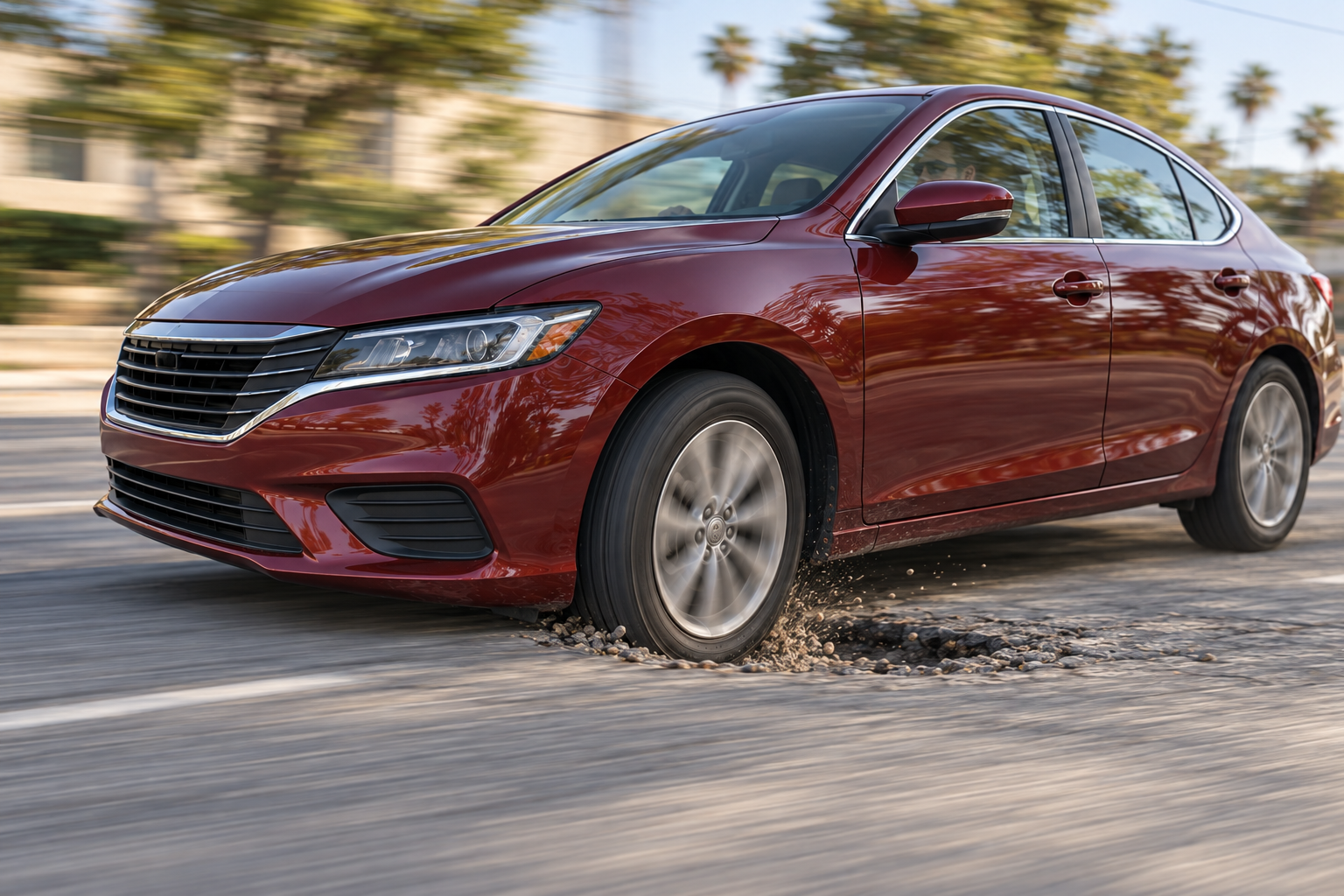
Heavy-duty trucks place tremendous stress on wheels during towing, hauling, rough terrain, and emergency maneuvers. Modern aftermarket wheels are available in many different materials and construction methods, but not every wheel is intended for every application.
Wheel manufacturers evaluate structural integrity using extensive fatigue testing, radial testing, and impact testing. Wheels designed for half-ton pickups may not be appropriate for three-quarter-ton or one-ton trucks carrying heavy payloads.
This becomes especially important when selecting aftermarket truck wheels. Larger wheels often look impressive, but appearance should never outweigh engineering. Proper fitment includes bolt pattern, offset, backspacing, brake clearance, and adequate load capacity.
GVWR, Payload, and Axle Ratings Explained
One of the biggest misconceptions among truck owners is confusing towing capacity with payload capacity. These are separate specifications that serve different purposes.
Gross Vehicle Weight Rating (GVWR) represents the maximum allowable weight of the fully loaded vehicle. This includes the vehicle itself, passengers, cargo, fuel, accessories, aftermarket equipment, and trailer tongue weight. Exceeding GVWR places additional stress on the suspension, brakes, tires, wheels, and frame.
Payload capacity refers specifically to how much weight can be added to the vehicle. This includes everything placed inside or on the truck after it leaves the factory. Toolboxes, campers, construction equipment, motorcycles, generators, and even passengers all count toward payload.
Axle ratings are equally important because weight is rarely distributed perfectly. Rear axles often carry significantly more weight during towing, while front axle loads may increase with heavy accessories such as winches or snowplows. Ignoring axle ratings can overload individual wheels and tires even when overall vehicle weight appears acceptable.
Why Towing Changes Everything
Many drivers only think about trailer weight when towing, but trailers affect much more than the hitch itself. Properly loaded trailers transfer tongue weight directly onto the rear axle, increasing demands on both tires and wheels.
Even relatively small trailers can add several hundred pounds of tongue weight before any passengers or cargo are considered. Larger travel trailers, equipment trailers, horse trailers, or enclosed cargo trailers can dramatically increase rear axle loading.
According to the Federal Motor Carrier Safety Administration (FMCSA), proper cargo loading and weight distribution are essential for maintaining vehicle stability and safe braking performance. While commercial regulations differ from personal vehicles, the same engineering principles apply.
Drivers who regularly tow should also remember that larger wheels with lower-profile tires may affect ride characteristics differently than factory wheel-and-tire combinations. The goal should always be maintaining appropriate load capacity while selecting wheels that complement the intended use of the vehicle.
Common Mistakes Drivers Make
One of the most common mistakes is assuming all tires of the same size carry identical weight ratings. In reality, two tires with identical dimensions may have completely different load indexes depending on their construction and intended application.
Another frequent mistake involves installing lightweight custom wheels designed primarily for appearance onto vehicles used for heavy hauling. While these wheels may perform perfectly on lighter vehicles, they may not provide adequate capacity for demanding work applications.
Drivers also sometimes overlook inflation pressure. Tire load ratings are based on proper inflation. Underinflated tires generate excessive heat, reduce load-carrying ability, accelerate tread wear, and increase the likelihood of failure.
Finally, modifications such as lift kits, oversized tires, bumpers, rooftop tents, campers, and recovery equipment all add weight. As modifications accumulate, many owners unintentionally reduce the available payload without realizing it.
Choosing the Right Wheels and Tires for Your Needs
The best wheel and tire combination depends on how you actually use your vehicle. A truck that spends most of its time commuting has very different requirements than one towing equipment every weekend.
Work trucks benefit from durable wheels designed with appropriate load capacity, high-quality commercial-grade tires, and regular inspections. Off-road enthusiasts often need additional strength to withstand impacts from rocks and uneven terrain while still supporting added accessories.
Families driving full-size SUVs should also pay attention to load ratings. Seven or eight passengers, luggage, sports equipment, and vacation gear can add substantial weight during long trips. Selecting properly rated tire service professionals and experienced installers helps ensure the vehicle remains safe under real-world conditions.
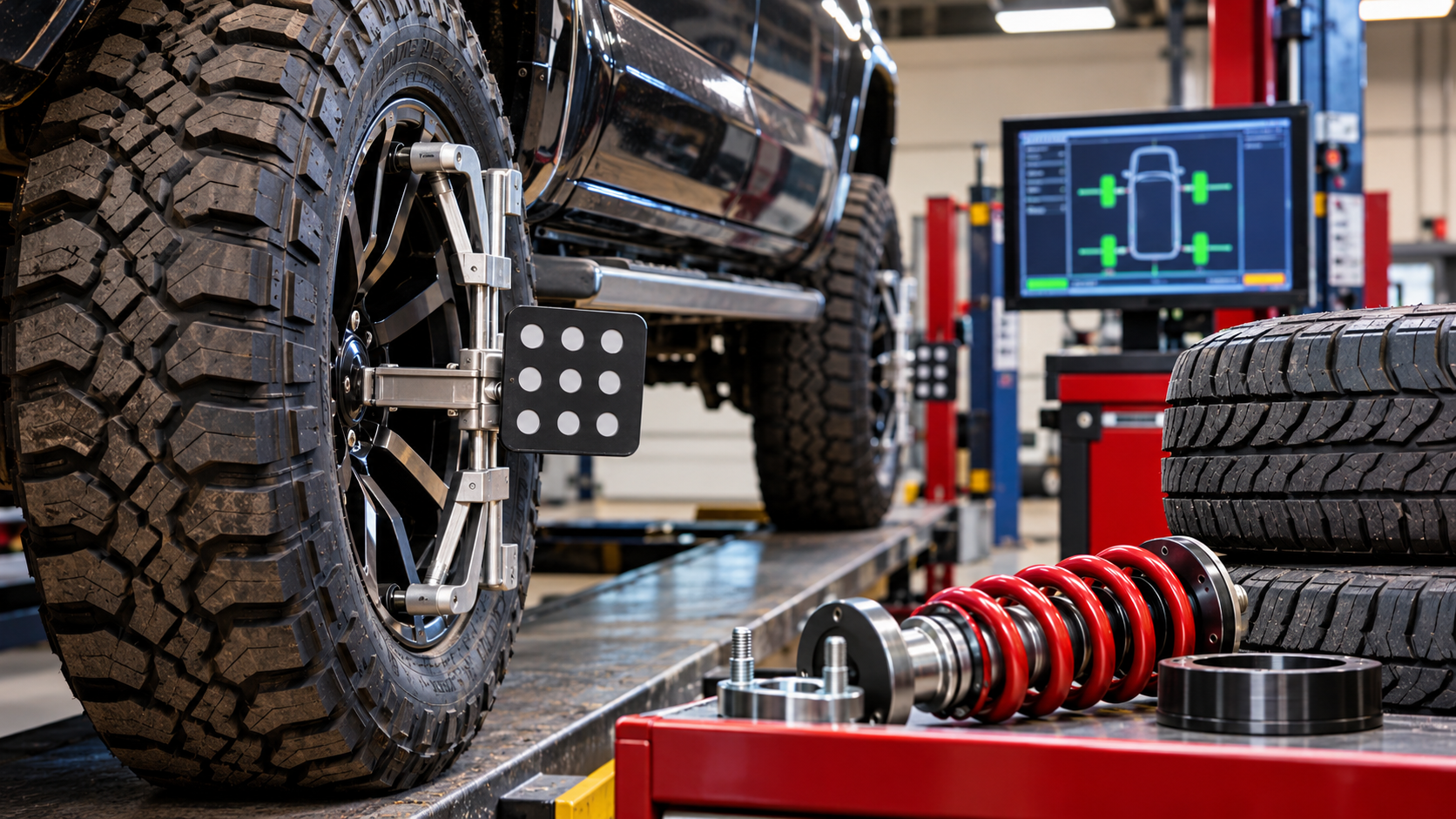
Professional installation also matters. Proper balancing, torque specifications, alignment, and fitment verification all contribute to long-term reliability. Even the highest-quality wheel and tire combination performs poorly if installed incorrectly.
Signs Your Wheels or Tires May Be Overloaded
Overloaded tires and wheels often provide warning signs before catastrophic failure occurs. Learning to recognize these symptoms allows drivers to address problems before they become dangerous.
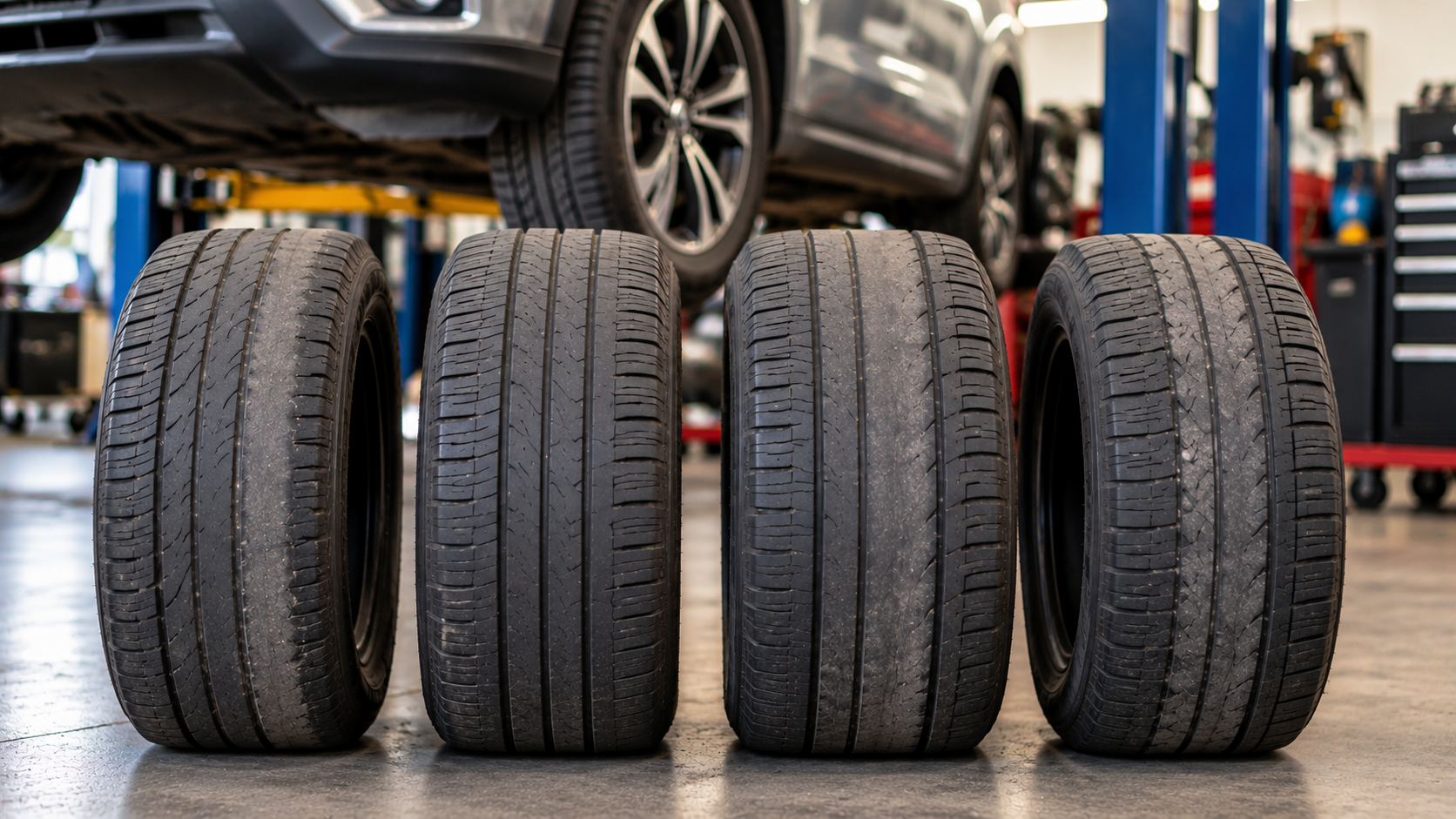
Excessive sidewall bulging, abnormal tread wear, persistent overheating, reduced braking performance, steering instability, and unusual vibration may all indicate excessive loading or improper tire selection. Vehicles carrying too much weight may also exhibit increased stopping distances, excessive suspension sag, and premature suspension wear.
Cracked wheels, bent rims, repeated balancing problems, or recurring tire failures should never be ignored. These symptoms may indicate that the wheels or tires are consistently operating beyond their intended capacity.
Routine inspections become even more important for trucks that regularly haul equipment, tow trailers, or travel long distances under heavy loads.
Frequently Asked Questions
Understanding load ratings can feel overwhelming because several different numbers all work together. Fortunately, a few key principles answer most questions drivers have when shopping for wheels and tires.
Can I install larger wheels without affecting load capacity?
Possibly, but not automatically. Larger wheels are available with many different load ratings. The replacement wheels must meet or exceed the original equipment requirements while maintaining proper fitment for your specific truck or SUV.
Does towing require different tires?
Not always, but frequent towing often benefits from tires designed with higher load capacities and stronger construction. The correct choice depends on trailer weight, payload, driving conditions, and manufacturer recommendations.
Can underinflated tires safely carry their rated load?
No. Tire load ratings assume the tire is inflated to the proper pressure. Underinflation reduces the tire’s ability to support weight safely while increasing heat buildup and wear.
How do I know if my aftermarket wheels are strong enough?
Reputable wheel manufacturers publish certified load ratings for every wheel they produce. An experienced shop can verify that your chosen wheels meet your truck’s or SUV’s requirements before installation.
The Wheel Shop Difference
For more than twenty years, The Wheel Shop has helped drivers throughout Riverside choose wheels and tires that do far more than improve appearance. We understand that proper fitment involves balancing style, performance, durability, and safety. Our experienced team takes the time to recommend products that match how you actually drive, whether that means daily commuting, heavy towing, off-road adventures, or demanding work applications.
Our certified mechanics bring years of hands-on experience and specialized industry training to every installation. From wheel alignment services and tire replacement Riverside to suspension upgrades, custom wheel installation, powder coating, chrome plating, wheel repair, and premium aftermarket and OEM wheels, we provide complete solutions designed to keep your vehicle performing at its best.
We believe that selecting the right wheels and tires should never be based solely on appearance. Proper load ratings, professional installation, accurate balancing, and expert guidance all contribute to a safer and more enjoyable driving experience. When you invest in your truck or SUV, you deserve confidence that every component is engineered to handle the demands you place on it.
If you are ready to upgrade your vehicle or simply have questions about choosing the right wheels and tires, contact The Wheel Shop today. Our knowledgeable team is here to help you make informed decisions that prioritize both performance and safety. Call us at (951) 588-1222 or email sales@thewheelshopinc.com to learn how we can help you find the ideal solution for your truck, SUV, or hauling vehicle.