Modern drivers often focus on horsepower, wheel design, suspension upgrades, or tire tread patterns when evaluating vehicle performance. However, one of the most overlooked factors affecting everyday driving comfort and handling is proper tire balancing. A vehicle with improperly balanced tires can feel unstable, noisy, rough, and unpredictable even when the tires themselves are brand new. By contrast, properly balanced wheels and tires help deliver smoother handling, better steering response, improved comfort, and longer-lasting vehicle components.
For drivers throughout Southern California, where long freeway commutes, uneven road surfaces, stop-and-go traffic, and high temperatures are common, maintaining proper tire balance is especially important. Whether you drive a daily commuter sedan, a lifted truck, a performance car, or a custom SUV, tire balance directly affects how your vehicle feels every time you touch the steering wheel.
At The Wheel Shop, we regularly help drivers identify ride quality problems that stem from improper balancing rather than major mechanical failures. Many customers are surprised to discover that vibrations, steering instability, uneven tire wear, and road harshness can often be corrected through proper wheel and tire service rather than expensive suspension repairs. Understanding how tire balancing affects steering feedback and ride quality can help drivers protect both their investment and their driving experience.
Understanding What Tire Balancing Actually Does
Tire balancing refers to the process of evenly distributing the weight of the wheel and tire assembly so it rotates smoothly at all speeds. Even tiny weight differences across a wheel can create noticeable vibrations once the tire begins spinning at highway speeds. A tire that appears perfectly round to the eye may still contain small heavy or light spots that affect rotation.
During the balancing process, specialized equipment measures where these imbalances exist. Small balancing weights are then strategically applied to offset uneven weight distribution. The goal is to ensure that the wheel spins evenly around its axis without wobbling, bouncing, or creating vibration.
This process may sound simple, but the effects on vehicle performance are significant. According to the National Highway Traffic Safety Administration, tire condition and maintenance play a major role in vehicle safety and overall handling performance. Proper balancing contributes directly to stable vehicle operation and driver control.
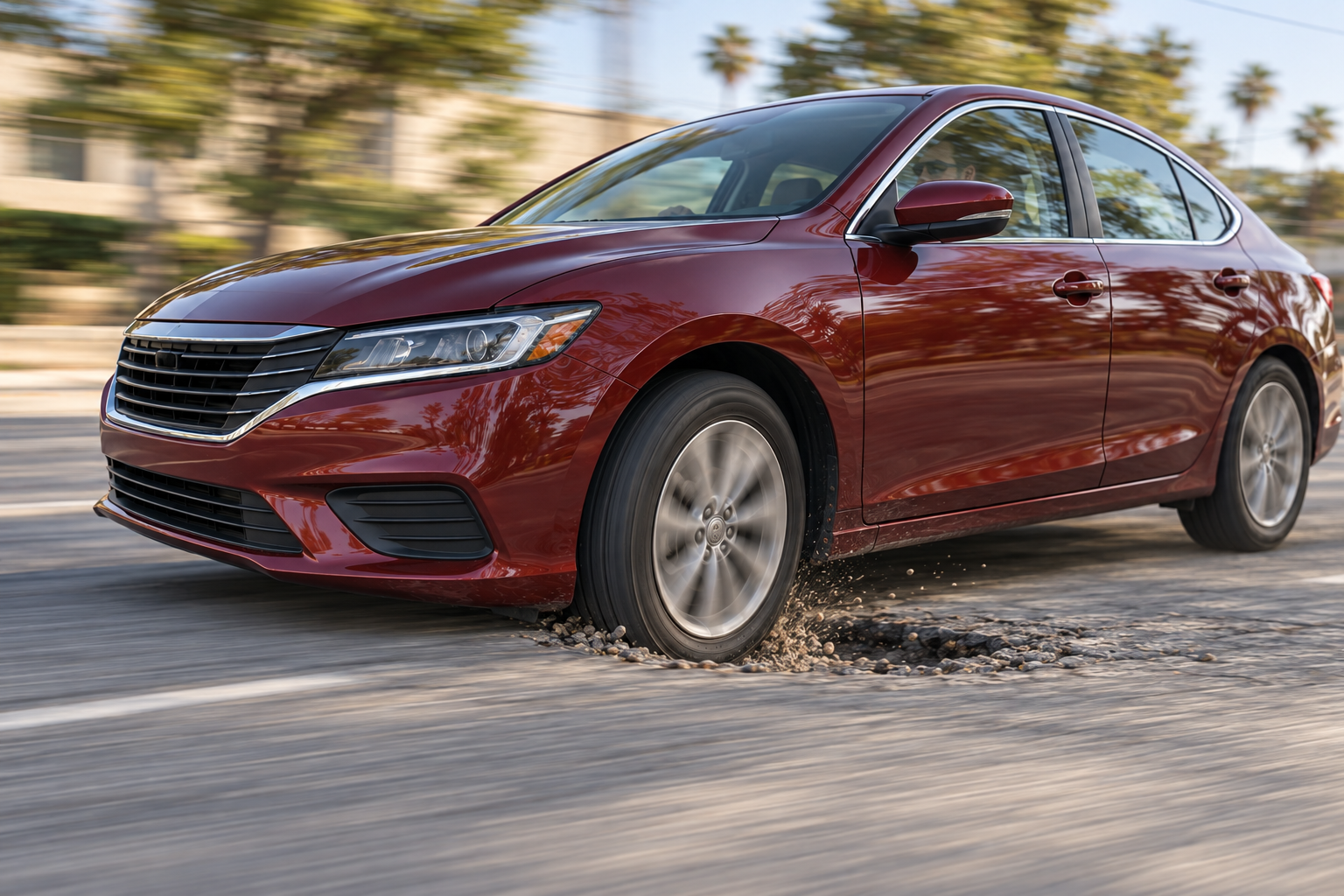
Many drivers assume balancing is only necessary after purchasing new tires. In reality, wheels can gradually lose balance over time due to potholes, curb impacts, tire wear, suspension changes, and even normal driving conditions. As tires wear down, weight distribution naturally changes, which can slowly alter ride quality and steering feel.
How Tire Balance Affects Steering Feedback
Steering feedback refers to the way the steering wheel communicates road conditions and vehicle behavior back to the driver. A properly balanced tire setup helps maintain smooth, predictable steering input, while an imbalanced setup can interfere with this communication.
When tires are out of balance, the steering wheel often begins vibrating at certain speeds. This typically occurs between 50 and 75 miles per hour because rotational forces increase dramatically as wheel speed rises. Even minor imbalances become amplified at highway speeds, creating shaking sensations that travel through the suspension and steering system.
Drivers frequently mistake this vibration for alignment problems or suspension failure. While those issues can also contribute, tire imbalance is often one of the first areas that should be checked. Steering wheel vibration is especially common when the front wheels are improperly balanced because the front suspension directly transfers movement into the steering column.
Properly balanced tires also improve steering precision. Vehicles respond more consistently to steering input when rotational forces remain even across all four wheels. This creates a more connected driving feel, especially during lane changes, cornering, and emergency maneuvers. For drivers using aftermarket wheels, larger wheel packages, or low-profile tires, balancing becomes even more important because larger wheel diameters often magnify vibration issues.
The relationship between wheel balance and steering feel becomes especially noticeable in performance vehicles and lifted trucks. Larger wheels and heavier tire setups create more rotating mass, which increases the importance of precise balancing. Even slight imperfections can affect steering response and driver confidence.
The Connection Between Tire Balance and Ride Quality
Ride quality involves far more than simply having soft suspension components. It reflects how smoothly a vehicle absorbs road imperfections and maintains passenger comfort during driving. Tire balance plays a surprisingly important role in this equation.
When a tire is out of balance, the wheel assembly no longer rotates evenly. Instead of spinning smoothly, the tire may bounce slightly as it turns. This creates repeated impacts against the road surface that transfer vibration into the suspension, chassis, seats, and steering wheel.
Over time, these vibrations can make a vehicle feel harsh and unsettled even on relatively smooth roads. Drivers may notice a constant humming sensation, seat vibration, floorboard buzzing, or subtle cabin shaking. These symptoms are particularly noticeable during freeway driving because the imbalance intensifies with speed.
Proper balancing allows the tire to maintain more consistent contact with the pavement. This improves not only comfort but also overall traction and stability. Tires play a critical role in vehicle dynamics because they represent the only direct contact point between the vehicle and the road. Smooth tire operation helps maximize that connection.
Drivers who upgrade to custom wheels and tires sometimes expect a firmer ride due to performance-oriented setups, but poor balancing can create unnecessary harshness beyond what the suspension itself produces. Proper balancing ensures the vehicle rides as smoothly as possible within the design of the wheel and tire package.
Why Larger Wheels Require More Precise Balancing
Modern vehicles increasingly use larger wheel diameters and lower-profile tires. While these upgrades often improve aesthetics and handling response, they also increase sensitivity to balancing issues.
A larger wheel creates more rotational leverage. This means small imbalances generate stronger forces as the wheel spins. Low-profile tires compound the issue because they contain less sidewall flex to absorb vibration. Instead, vibrations transfer more directly into the suspension and steering system.
Drivers who install oversized truck wheels, staggered wheel setups, or performance-oriented tire packages often notice balancing problems more quickly than drivers using smaller factory wheels. Lifted trucks are particularly susceptible because larger off-road tires naturally contain more mass and can develop uneven wear patterns over time.
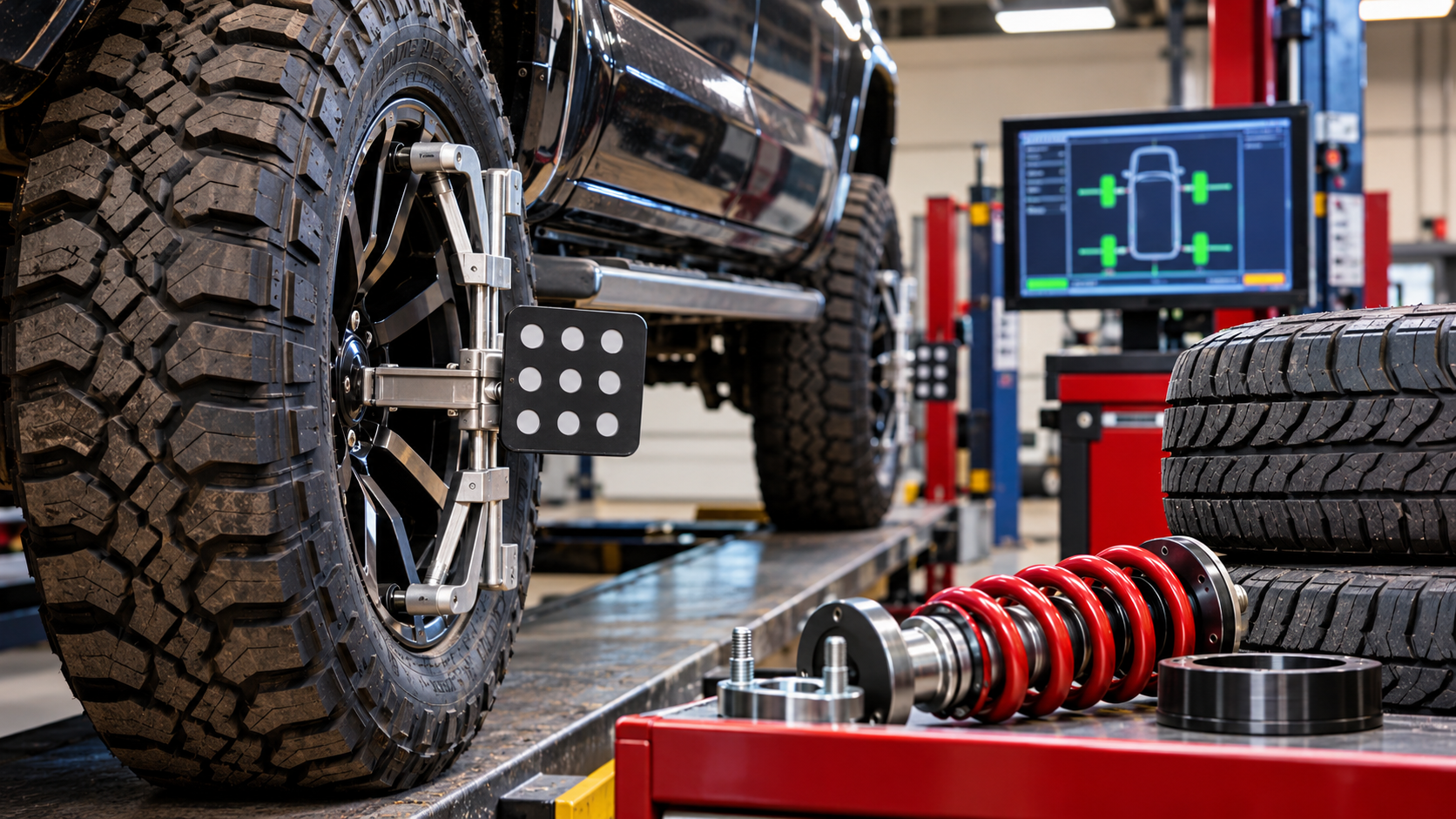
This is one reason professional balancing equipment and experienced technicians matter so much. At The Wheel Shop, we regularly work with OEM wheels, oversized truck wheels, performance tire packages, and custom suspension setups that require extremely precise balancing techniques. Generic balancing performed without proper calibration or attention to detail may leave residual vibration that drivers continue to feel.
Road force balancing has become increasingly valuable for larger wheel setups because it measures how the tire behaves under simulated driving pressure rather than simply checking free rotation. This helps identify inconsistencies that standard balancing equipment may overlook.
The Long-Term Effects of Driving on Unbalanced Tires
Many drivers tolerate vibration for months without realizing the long-term damage it can create. Unfortunately, tire imbalance affects far more than comfort alone.
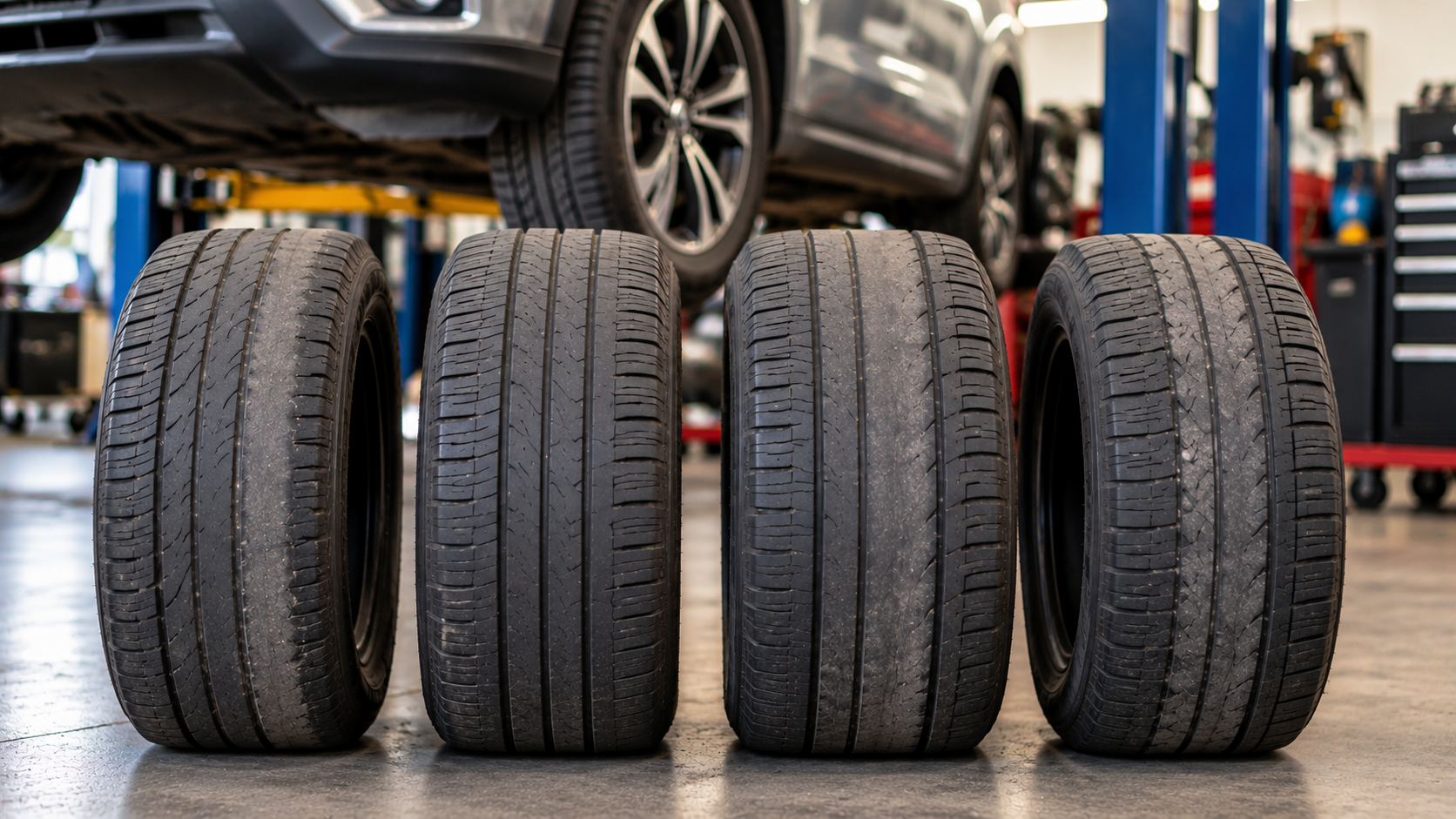
Constant vibration places additional stress on suspension components, wheel bearings, steering systems, and tires themselves. Over time, these repeated forces can accelerate wear throughout the vehicle. Tires may develop cupping or uneven tread wear patterns that shorten their lifespan considerably.
Suspension components such as shocks, struts, bushings, and tie rods also absorb continuous vibration stress. What begins as a simple balancing issue can gradually contribute to more expensive mechanical repairs if ignored long enough.
Fuel efficiency may also suffer slightly because unbalanced tires create inconsistent rolling resistance. While the difference may not seem dramatic initially, inefficient tire operation can contribute to reduced overall driving efficiency over thousands of miles.
Drivers often become accustomed to subtle vibration over time and forget how smooth their vehicle originally felt. After proper balancing service, many customers immediately notice quieter cabin conditions, smoother freeway driving, and improved steering responsiveness.
Common Signs Your Tires Need Balancing
One of the most obvious signs of imbalance is steering wheel vibration at higher speeds. However, several additional symptoms may also indicate balancing problems.
Drivers may notice shaking in the seats or floorboards, especially at freeway speeds. In some cases, the vibration appears only within a narrow speed range before becoming less noticeable again at higher or lower speeds. This occurs because resonance changes as wheel speed changes.
Uneven tire wear is another warning sign. If portions of the tread appear more worn than others, balancing problems may be contributing to inconsistent road contact. Excessive road noise can also indicate imbalance, particularly when paired with vibration symptoms.
Recently installed tires should always be balanced correctly from the start, but issues can still develop later due to potholes, road hazards, or lost wheel weights. Southern California roads can be particularly unforgiving due to expansion joints, freeway wear, construction zones, and pavement irregularities.
Drivers who recently upgraded aftermarket wheels, installed lift kits, or changed suspension geometry should pay close attention to ride quality changes afterward. New wheel setups often require more careful balancing to achieve optimal performance.
Why Professional Tire Service Matters
Balancing tires correctly requires more than simply attaching weights to a wheel. Proper equipment calibration, wheel inspection, tire mounting accuracy, and technician experience all affect final results.
Damaged wheels, bent rims, uneven tire construction, or improper mounting can all create vibration issues that balancing alone may not fully correct. Skilled technicians understand how to diagnose the source of vibration rather than masking symptoms temporarily.
At The Wheel Shop, our certified mechanics bring years of experience and expertise to every repair and installation. We work with everything from factory commuter vehicles to fully customized performance builds throughout Riverside and surrounding areas.
Proper balancing also works best when paired with correct alignment settings. Even perfectly balanced tires can wear unevenly if alignment angles are incorrect. Combining professional balancing with accurate alignment service helps maximize tire life, ride comfort, and steering consistency.
Tire Balance and Overall Driver Confidence
One of the least discussed aspects of proper tire balance is driver confidence. Vehicles that ride smoothly and respond consistently create a more relaxed and controlled driving experience.
Drivers often underestimate how much subtle vibration affects fatigue during long drives. Constant steering wheel movement and cabin vibration can gradually increase stress and reduce comfort over time. Smooth vehicle operation allows drivers to focus more naturally on the road rather than compensating for instability or harshness.
This becomes especially important during emergency maneuvers, wet road conditions, or high-speed freeway driving. Consistent steering feedback helps drivers react more predictably and maintain better overall control.
Performance enthusiasts also value proper balancing because it allows suspension systems, tires, and steering components to perform as intended. Even high-end suspension upgrades cannot fully compensate for poorly balanced wheels.
Frequently Asked Questions
Proper tire balancing is one of the most misunderstood aspects of vehicle maintenance. Many drivers recognize vibration symptoms but are unsure when balancing is necessary or how it affects overall vehicle performance. Below are some of the most common questions customers ask about tire balancing, steering feel, and ride quality.
How often should tires be balanced?
Most vehicles benefit from tire balancing every time new tires are installed or rotated. However, balancing may also become necessary after hitting potholes, curbs, or road debris. Many drivers choose to have balancing checked every 5,000 to 7,500 miles as part of regular tire maintenance.
Can tire imbalance damage suspension components?
Yes. Prolonged vibration from unbalanced tires can place additional stress on shocks, struts, wheel bearings, bushings, and steering components. Over time, this may accelerate wear and contribute to more expensive repairs.
Is balancing still important with brand-new tires?
Absolutely. Even brand-new tires and wheels contain slight weight inconsistencies that require balancing. Proper installation should always include professional balancing service to ensure smooth operation from the beginning.
What is the difference between tire balancing and wheel alignment?
Balancing corrects uneven weight distribution within the wheel and tire assembly, while alignment adjusts suspension angles to ensure the tires contact the road correctly. Both services work together to improve ride quality, tire wear, and steering performance.
The Wheel Shop Difference
For more than twenty years, The Wheel Shop has helped drivers throughout Riverside, California improve the way their vehicles look, handle, and perform. From everyday commuter vehicles to fully customized trucks and performance builds, we understand how every component of the wheel and tire system affects the overall driving experience. Proper tire balancing is not simply about eliminating vibration. It is about restoring smooth steering feedback, improving ride quality, protecting suspension components, and helping drivers feel more connected to their vehicles.
Our team specializes in Powdercoating, Tires, Wheel Repair, Alignments, Aftermarket Wheels, OEM Wheels, Truck & Car Accessories, Suspension, Calipers, and Chrome Plating. Every service is performed by certified mechanics with extensive industry experience and specialized training. Whether you need a simple balancing service or a complete wheel and suspension upgrade, we focus on delivering professional workmanship that meets the highest standards.
We understand that every vehicle and every driver has different goals. Some customers prioritize comfort and daily drivability, while others want sharper handling, aggressive styling, or enhanced off-road capability. Our experience allows us to recommend the right wheel, tire, balancing, and suspension solutions based on how the vehicle is actually used. That personalized approach helps ensure long-term performance, reliability, and customer satisfaction.
If your vehicle feels rough, unstable, or less responsive than it should, proper tire balancing may make a bigger difference than you realize. Contact The Wheel Shop today at (951)588-1222 to speak with our experienced team about balancing services, wheel upgrades, alignments, suspension work, or custom wheel packages. Located in Riverside, CA, we are proud to help Southern California drivers achieve smoother rides, better steering performance, and vehicles that feel as good as they look.