How to Maintain Powder-Coated Wheels for Long-Term Finish Integrity
Powder-coated wheels have become one of the most popular upgrades for drivers who want a finish that combines durability, style, and long-lasting protection. Whether you choose a sleek satin black finish, a bold bronze color, or a custom color that complements your vehicle, powder coating provides a resilient surface that stands up to everyday driving better than many traditional painted finishes. However, even the toughest finish requires proper care if you expect it to look exceptional for years.
Many vehicle owners assume that because powder coating is durable, it is maintenance-free. That misconception often leads to premature fading, scratches, staining, or corrosion around damaged areas. A few simple maintenance habits can dramatically extend the life of your investment while keeping your wheels looking as impressive as the day they were installed.
At The Wheel Shop, we have spent more than twenty years helping customers protect their wheels through professional powdercoating, wheel repair, tire services, and maintenance. Understanding how to care for your powder-coated wheels ensures that your investment continues to enhance both the appearance and value of your vehicle.
Why Powder Coating Lasts Longer Than Traditional Paint
Unlike conventional liquid paint, powder coating uses electrostatically charged powder that is baked onto the wheel at high temperatures. The curing process creates a hard, uniform finish that bonds tightly to the metal surface. This results in a coating that is generally more resistant to chips, scratches, chemicals, and UV exposure than many traditional paint systems.
The finish also creates an excellent barrier against moisture, road debris, and contaminants that would otherwise attack bare metal. This is particularly important for wheels because they are constantly exposed to water, brake dust, rocks, road salt, tar, and other harsh conditions. According to the Powder Coating Institute, powder coatings are widely recognized for their durability, corrosion resistance, and environmental advantages over many liquid coating systems.
However, no finish is indestructible. A powder-coated wheel that receives regular maintenance will almost always outlast one that is neglected. The coating itself remains extremely durable, but accumulated contaminants and physical damage can eventually compromise its protective properties.
Wash Your Wheels Frequently
One of the simplest ways to preserve powdercoated wheels is to wash them regularly. Dirt alone rarely causes damage, but contaminants trapped within that dirt often do. Brake dust is particularly problematic because it contains tiny metal particles created during braking. If left on the surface for extended periods, these particles may become embedded in the finish and contribute to staining.
Road grime presents similar challenges. Oil residue, tar, bug remains, and environmental pollutants slowly build up over time. When combined with moisture and heat generated during driving, these materials become increasingly difficult to remove without aggressive cleaning methods that may damage the finish.
A gentle wash every one to two weeks is typically sufficient for daily drivers. Vehicles driven in rainy weather, construction zones, or areas where road salt is used during winter may benefit from more frequent cleaning.
Always begin by rinsing away loose dirt before making contact with the wheel surface. This helps prevent abrasive particles from scratching the finish during washing.
Use the Right Cleaning Products
One of the most common mistakes owners make is assuming that stronger chemicals clean better. While harsh acidic or highly alkaline wheel cleaners may remove stubborn grime quickly, they can also damage clear coats or dull certain powder-coated finishes over time.
Instead, choose a pH-balanced automotive wheel cleaner designed for coated wheels. Mild automotive soap and water are often sufficient for routine maintenance. Pair the cleaner with a microfiber wash mitt or soft wheel brush that reaches into spokes without scratching the surface.
Avoid:
- Steel wool
- Wire brushes
- Abrasive scouring pads
- Household degreasers
- Oven cleaners
- Strong acid-based wheel cleaners
These products may leave permanent scratches or gradually wear away protective coatings.
When cleaning, work one wheel at a time. This prevents soap from drying on the surface and makes it easier to rinse thoroughly before moving to the next wheel.
Do Not Ignore Brake Dust
Brake dust deserves special attention because it accumulates faster than many owners realize. Modern brake pads generate fine metallic particles every time you slow down. Those particles become hot and settle directly onto the wheels.
If ignored for weeks or months, brake dust becomes increasingly difficult to remove. Some metallic particles can oxidize and create discoloration that resembles rust stains. While the powder coating itself remains intact, the contaminants sitting on top of it can become stubborn enough to require specialized cleaning products.
Drivers with high-performance brake systems often produce even greater amounts of brake dust because performance pads sacrifice cleanliness for stopping power. These vehicles benefit from more frequent cleaning schedules.
Routine washing prevents buildup before it becomes a problem and helps preserve the appearance of custom finishes.
Dry Wheels Completely After Washing
Many people wash their wheels correctly but overlook the drying process. Allowing water to evaporate naturally often leaves mineral deposits behind, especially in areas with hard water.
These water spots may dull glossy finishes and become increasingly noticeable on black, bronze, or dark-colored wheels. Using a clean microfiber drying towel eliminates most spotting while also removing any remaining residue.
Compressed air or a small detailing blower can also remove trapped water from lug nut recesses, valve stems, and intricate wheel designs where moisture tends to collect.
Proper drying takes only a few extra minutes but significantly improves the final appearance.
Protect the Finish Between Washes
Although powder coating itself provides excellent protection, applying an additional layer of protection can make routine maintenance much easier.
Modern spray ceramic protectants or wheel sealants create a sacrificial layer that helps repel dirt, water, brake dust, and road grime. Instead of bonding directly to the powder-coated surface, contaminants sit on the protective layer, making future cleaning much easier.
Many ceramic products also enhance gloss while improving resistance to UV exposure and environmental contaminants.
These products should never replace routine cleaning, but they can extend the time between detailed washes while reducing the effort required to keep the wheels looking their best.
Prevent Chips Before They Become Bigger Problems
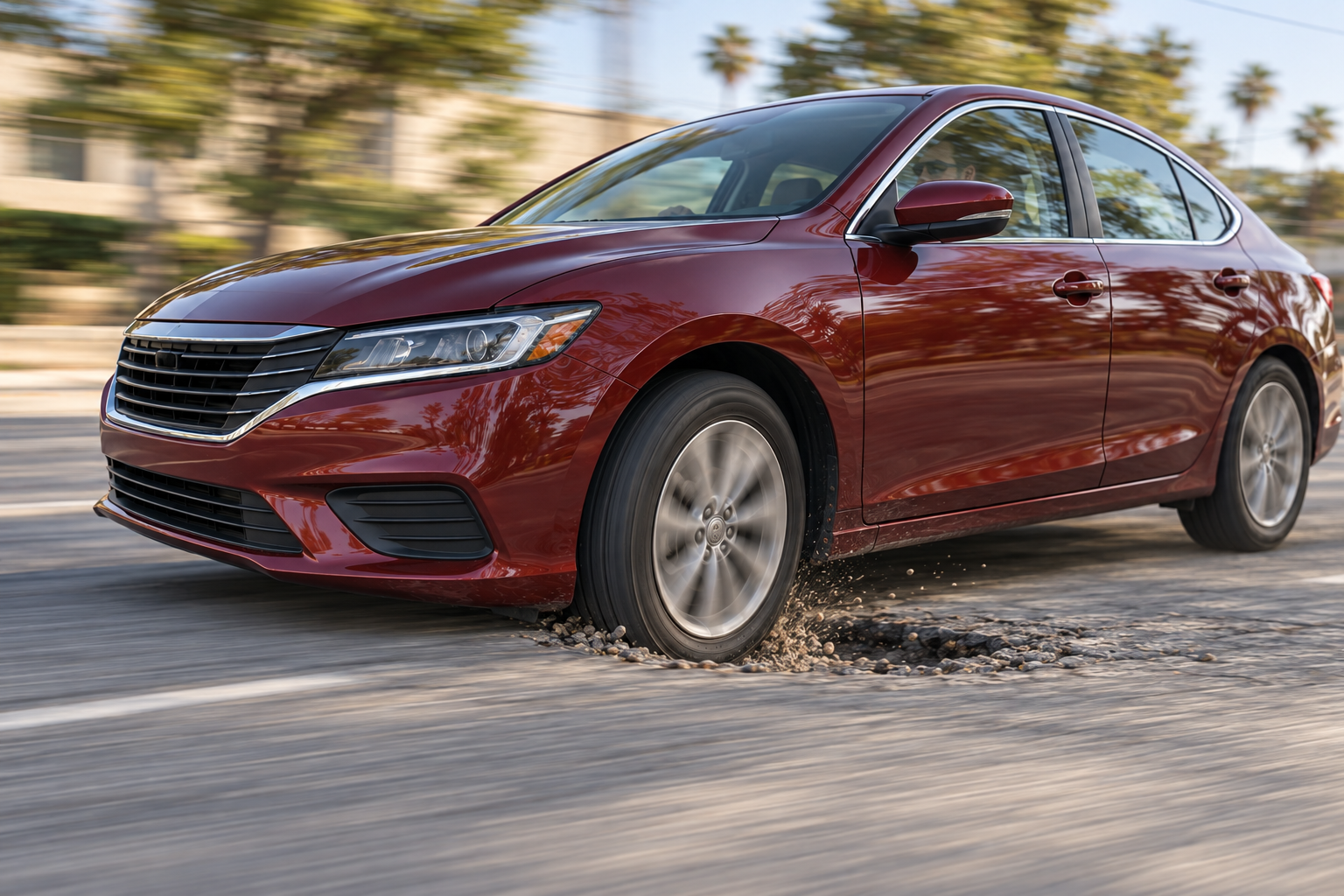
Even the most durable powder coating service cannot prevent every rock chip. Gravel roads, construction zones, potholes, and flying debris occasionally damage any wheel finish.
The important step is addressing damage early.
Small chips expose bare metal beneath the coating. Moisture entering these tiny openings may eventually allow corrosion to spread underneath the surrounding finish. What begins as a nearly invisible chip can gradually become peeling or bubbling months later.
Inspect your wheels regularly while washing them. If you notice chips, deep scratches, curb rash, or peeling areas, have them evaluated promptly by experienced professionals.
Professional wheel repair often prevents minor cosmetic damage from becoming much larger restoration projects.
Be Careful Around Curbs
Curb rash remains one of the leading causes of damage to aftermarket and OEM wheels.
While careful parking habits are the best prevention, many modern vehicles make avoiding curbs easier through backup cameras, parking sensors, and side-view camera systems.
If curb contact does occur, avoid attempting home repairs using sandpaper or touch-up paint unless specifically recommended for your finish. Improper repairs often become more noticeable than the original damage and may interfere with future refinishing.
Professional repair restores the wheel while preserving its structural integrity and appearance.
Seasonal Maintenance Matters
Different seasons expose wheels to different hazards.
Winter often introduces road salt, de-icing chemicals, and increased moisture. These materials accelerate corrosion wherever the coating has been compromised. Washing wheels more frequently during winter removes corrosive residue before it has an opportunity to cause damage.
Summer brings prolonged UV exposure, higher pavement temperatures, and increased brake temperatures during long trips or spirited driving. Fortunately, powder coating performs exceptionally well under heat, but regular cleaning remains important because baked-on contaminants become increasingly difficult to remove.
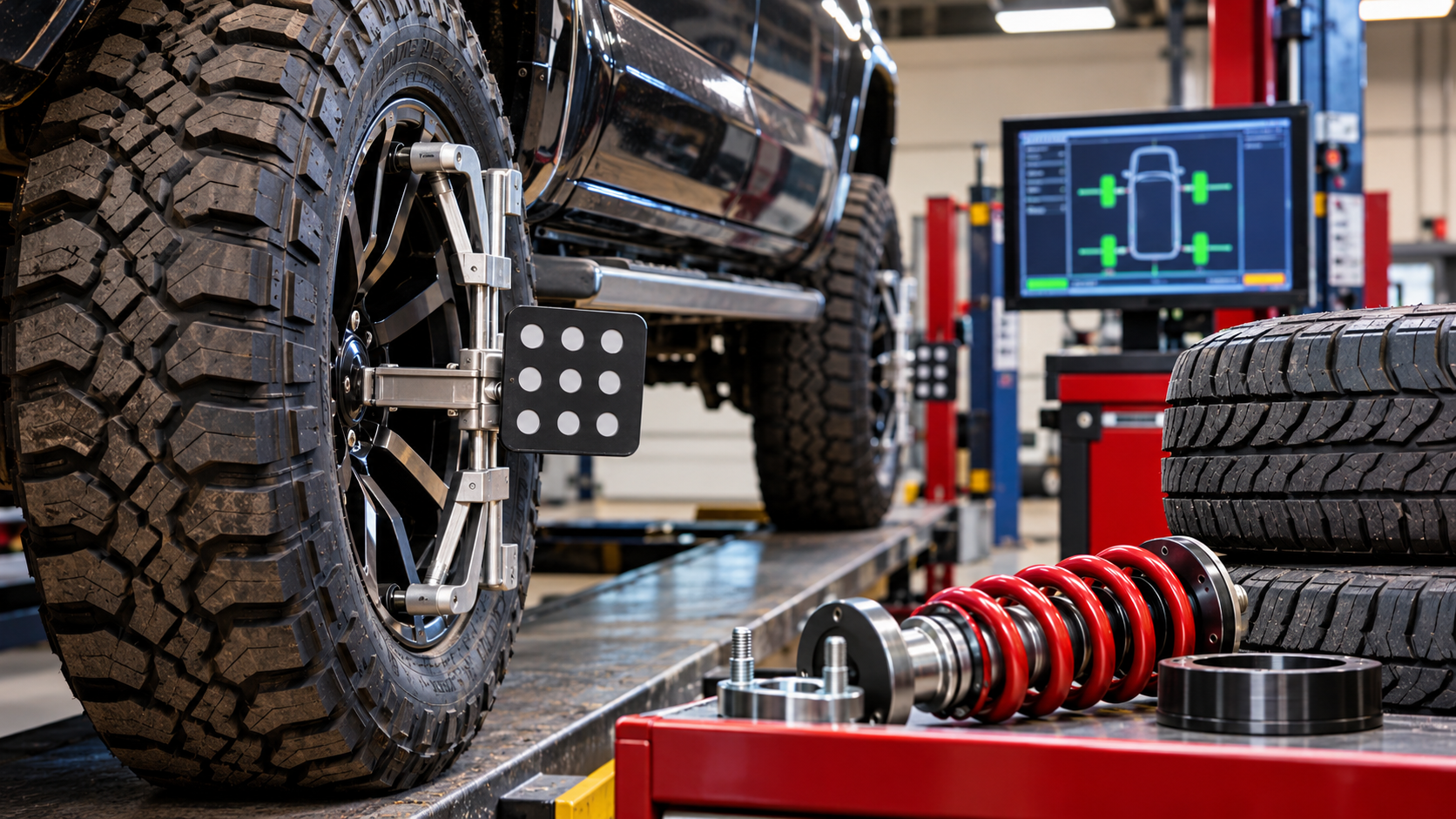
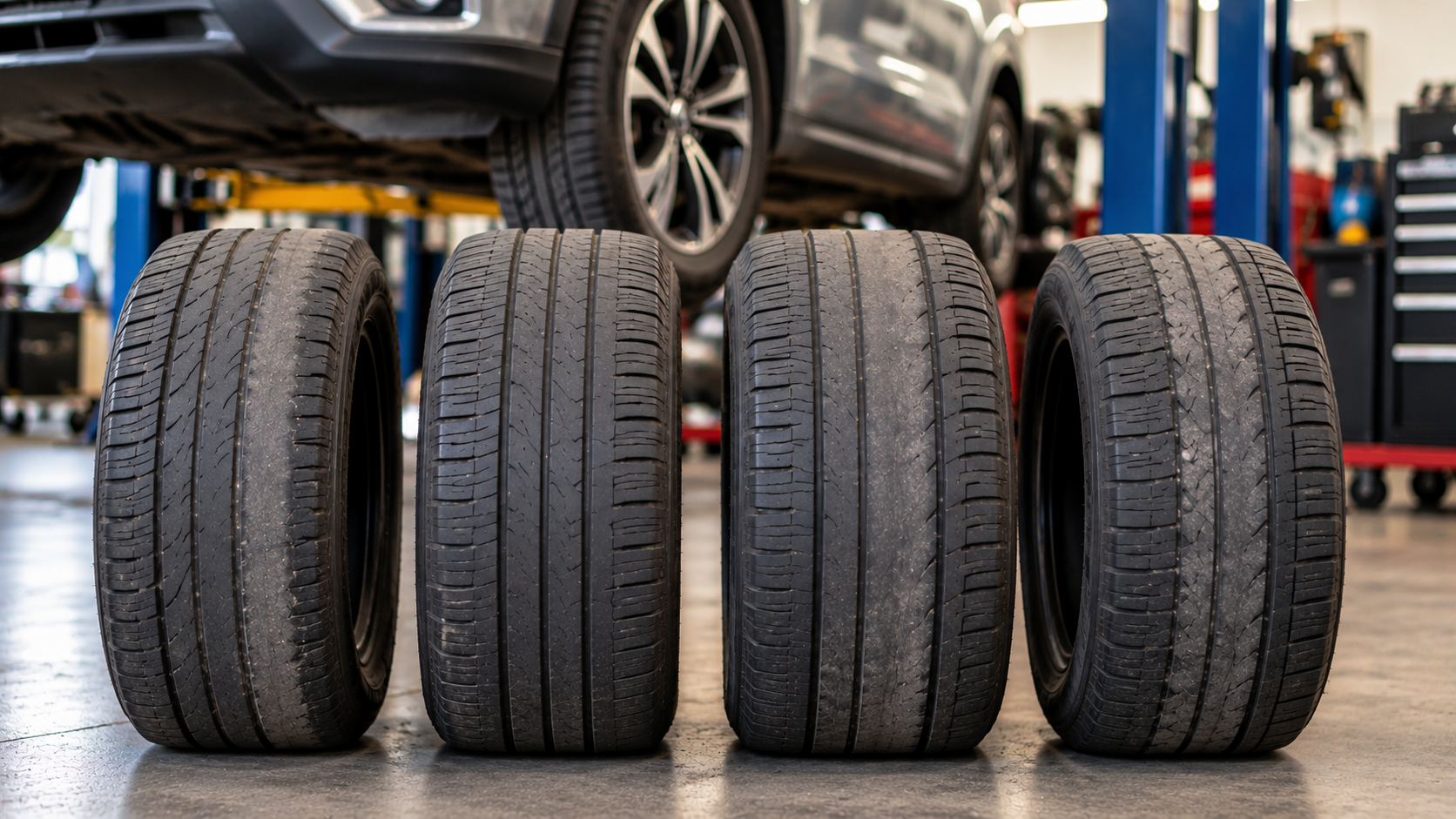
The National Highway Traffic Safety Administration (NHTSA) recommends routine tire and wheel maintenance, including regular inspections, proper tire inflation, tire rotations, balancing, and wheel alignments to maximize tire life and help maintain safe vehicle operation. NHTSA also notes that proper maintenance helps prevent uneven wear and improves overall vehicle performance.
Performing seasonal inspections helps identify small problems before they become expensive repairs.
Avoid Automatic Car Washes With Harsh Brushes
Not all automatic car washes are created equal.
Facilities using aggressive rotating brushes may introduce fine scratches over time, especially if those brushes retain dirt from previously washed vehicles.
Touchless washes are generally safer for powder-coated rims, although they sometimes rely on stronger cleaning chemicals. If you frequently use automatic washes, select facilities known for using wheel-safe cleaning products.
Whenever possible, hand washing remains the safest and most effective method for preserving custom wheel finishes.
Professional Maintenance Extends Wheel Life
There comes a point where routine cleaning cannot address every issue. Wheels eventually experience impacts, curb damage, bent lips, finish wear, or mounting damage during tire replacement.
Professional inspections identify issues that owners may overlook, including:
- Hairline cracks
- Bent wheels
- Mounting surface damage
- Corrosion beneath damaged coating
- Improper tire wear caused by alignment issues
Because wheels directly affect ride quality, steering response, and tire longevity, maintaining both the finish and structural condition delivers benefits beyond appearance.
Routine wheel repair, proper wheel alignments, and professional inspections help protect your investment while improving overall vehicle performance.
Frequently Asked Questions
Proper maintenance is relatively straightforward, but customers often have questions about preserving their investment. Here are several of the most common questions we receive.
How often should powder-coated wheels be washed?
For most vehicles, washing every one to two weeks is ideal. Vehicles driven in harsh environments, near the ocean, on salted roads, or through construction areas should be cleaned more frequently to prevent contaminants from accumulating.
Can I use regular wheel cleaner on powder-coated wheels?
Only if the cleaner specifically states it is safe for coated wheels. Highly acidic or abrasive products may gradually damage the finish. A pH-balanced automotive wheel cleaner and soft microfiber tools remain the safest option.
Does ceramic coating help protect powder-coated wheels?
Yes. Ceramic sprays and dedicated wheel coatings provide an additional protective barrier that helps repel brake dust, water, and contaminants. While they do not eliminate maintenance, they often make cleaning significantly easier.
Can damaged powder coating be repaired?
Minor damage may sometimes be addressed depending on its severity, but larger chips, peeling, or extensive curb rash often require professional refinishing to restore both appearance and long-term protection. Having damage evaluated early usually produces the best results.
The Wheel Shop Difference
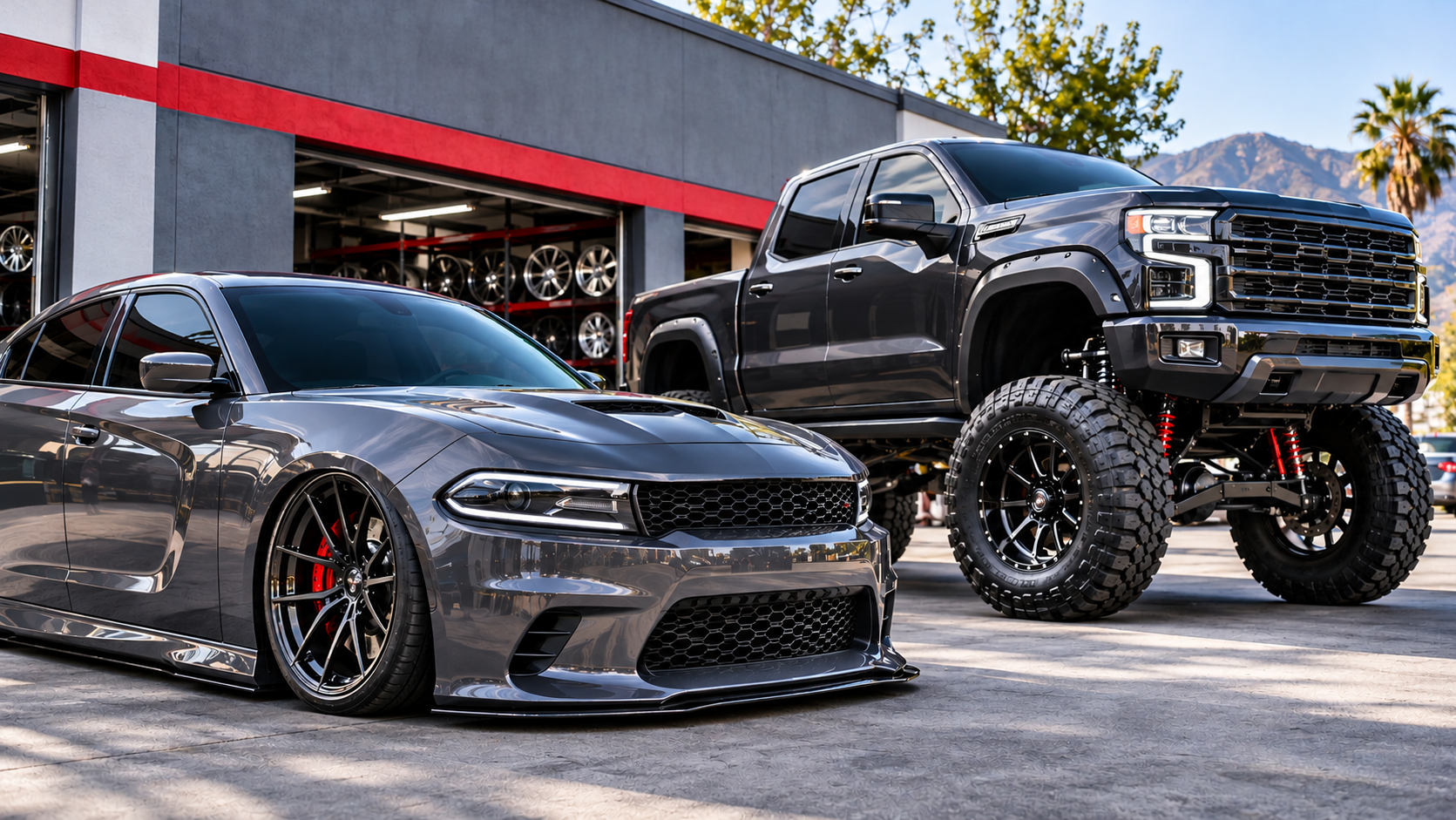
Your wheels are one of the first things people notice about your vehicle, and maintaining their finish helps preserve both appearance and long-term value. Whether you drive a daily commuter, lifted truck, sports car, or custom show vehicle, proper maintenance allows your investment to continue looking exceptional year after year. At The Wheel Shop, we believe that quality craftsmanship deserves equally careful maintenance.
With more than twenty years of experience, we specialize in powder coating, wheel repair, alignments, tires, aftermarket and OEM wheels, suspension upgrades, calipers, chrome plating, and truck and car accessories. Our certified mechanics bring years of hands-on expertise and industry training to every repair and installation, ensuring every vehicle receives professional care that meets the highest standards.
If your wheels have developed curb rash, chips, fading, or other finish issues, or if you are considering powder coating rims for the first time, our experienced team is ready to help you choose the best solution for your vehicle. From routine maintenance advice to complete refinishing services, we are committed to helping your wheels perform and look their best.
To learn more or schedule service, call The Wheel Shop today at (951) 588-1222 or email info@thewheelshop.com. We look forward to helping you protect your investment and keep your wheels looking outstanding for years to come.