The Critical Connection Between Roads and Wheels
Many drivers underestimate just how much of an impact road conditions can have on their wheels. From your daily commute to weekend getaways, your wheels are constantly exposed to a wide range of surfaces—each bringing its own kind of wear and tear. These conditions can significantly affect wheel performance, shorten their lifespan, and most importantly, compromise your safety on the road. Understanding these effects is key to maintaining both your vehicle and your peace of mind.
For those looking for a quick overview of how road conditions affect wheels:
| Road Condition | Primary Impact on Wheels |
|---|---|
| Potholes | Can cause rim bends, cracks, and alignment issues |
| Gravel/Dirt | Accelerates tread wear, causes cuts and stone chips |
| Smooth Asphalt | Minimal impact, optimal for wheel longevity |
| Grooved Highways | Creates “tramlining” effect, especially with wide tires |
| Snow/Ice | Reduces traction, hides hazards, promotes corrosion |
| Extreme Heat | Increases tire pressure, softens rubber, accelerates wear |
According to industry data, 43% of America’s roadways are in poor or mediocre condition, putting millions of vehicles at risk of premature wheel and tire damage. In fact, in 2022 alone, there were over 11,000 crashes and more than 550 fatalities from tire-related incidents, many exacerbated by poor road conditions.
The relationship between roads and wheels isn’t just about comfort—it’s about safety. When wheels encounter rough surfaces, they experience stress that can lead to alignment problems, uneven tire wear, and even catastrophic failures. Research shows that properly inflated tires can extend average tire life by 4,700 miles, yet only 19% of consumers maintain correct tire pressure.
Whether you’re navigating city potholes or country backroads, understanding how different surfaces affect your wheels empowers you to take preventive measures that save money and potentially lives.
How Various Road Conditions Can Affect Your Wheels
The roads your vehicle travels on play a crucial role in how your wheels perform and how long they last. From silky smooth highways to bone-jarring potholes, each surface tells a different story on your wheels and tires.
How Various Road Conditions Can Affect Your Wheels: Smooth vs Rough Surfaces
There’s nothing quite like the gentle hum of tires on fresh, smooth asphalt. These dream surfaces are what your wheels were designed for. When you’re cruising on well-maintained roads, your entire vehicle benefits – your fuel economy improves by up to 10% because there’s less rolling resistance for your tires to overcome. Your tread wears evenly and predictably, extending the life of your tires significantly.
Your wheels also stay in proper alignment longer, and your suspension components experience less stress and fatigue. It’s like the difference between walking on a cushioned track versus hiking on rocky terrain – one preserves your energy while the other depletes it.
Rough, deteriorated roads tell a completely different story. They force your tires to flex constantly, generating excess heat and causing uneven wear patterns. Each bump and dip creates micro-impacts that, over time, add up to significant stress on your entire wheel system. This is why drivers who primarily use highways often enjoy thousands more miles from their tires than those who regularly travel on poorly maintained roads.
Gravel, Dirt & Off-Road Trails
Taking the path less traveled? Your wheels will certainly know the difference. Unpaved surfaces aren’t just uncomfortable – they actively challenge your wheel and tire integrity in ways smooth pavement never would.
When driving on gravel or dirt, sharp stones can become embedded in your treads or, worse, cause punctures in vulnerable sidewalls. The loose surface reduces traction, causing your wheels to spin and scuff when accelerating. Each little rock and rut transfers shock directly to your wheels and suspension.
If your trips regularly take you off the beaten path, investing in specialized all-terrain tires with reinforced sidewalls and deeper tread patterns makes good sense. These tires use tougher rubber compounds specifically engineered to handle the extra punishment of unpaved roads.
How Various Road Conditions Can Affect Your Wheels: Potholes & Speed Bumps
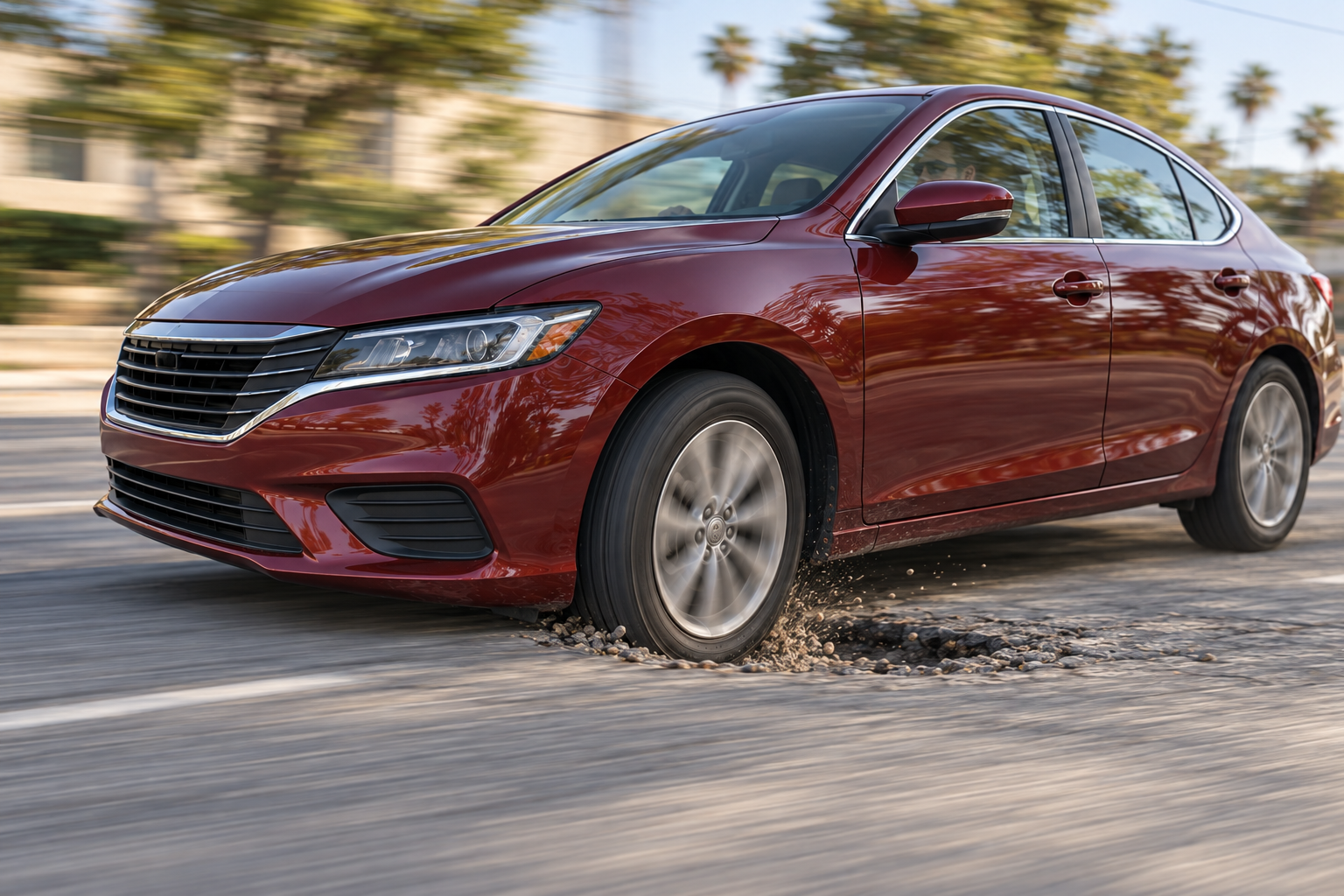
That sickening “thunk” when you hit a pothole is the sound of your wheels crying out in pain. These road hazards cause some of the most immediate and severe damage we see at our shop.
When your wheel slams into a pothole, a violent chain of events unfolds in milliseconds: your tire compresses sharply against the rim edge, your suspension tries desperately to absorb the shock, and your wheel takes a direct hit from the pothole’s unforgiving edge.
The results can be devastating: bent or cracked rims (especially with fashionable but vulnerable low-profile tires), sidewall bulges or tears where the tire gets pinched, immediate alignment problems as suspension components shift, and sometimes even complete wheel failure.
Speed bumps present a similar threat when taken too quickly. That vertical force can bend rims and stress suspension components just like potholes do. In urban areas with poor road maintenance, pothole damage costs drivers millions in repairs annually. And if your tires are underinflated, the problem gets worse – they’re more likely to compress completely against the rim when hitting obstacles.
Grooved Highways & Tramlining
Have you ever felt your car seemingly develop a mind of its own on certain highways, pulling toward the grooves in the road? This unsettling phenomenon is called “tramlining,” and it happens when your tires follow the longitudinal grooves in the road surface rather than your steering inputs.
You’ll notice tramlining most with wider, low-profile tires that have larger contact patches, performance-oriented tires with stiffer sidewalls, and vehicles with sport-tuned suspensions. It’s not just annoying – it can be dangerous, especially in wet conditions or during emergency maneuvers, as your wheels essentially become “trapped” in the road’s contours.
If you’re experiencing severe tramlining, several solutions can help: ensuring proper wheel alignment (misalignment makes tramlining worse), using hub-centric rings with aftermarket wheels to eliminate wobble, considering slightly narrower tires with taller sidewalls for your next replacement, and checking for proper tire balancing.
One customer came to us after upgrading from 205/55R16 to 225/50R18 wheels, complaining their car was nearly uncontrollable on grooved highways. After installing proper hub-centric rings and slightly reducing tire width, they reported a dramatic improvement in handling and stability.
Understanding how different road surfaces affect your wheels isn’t just about preserving your investment – it’s about keeping you and your passengers safe on every journey, no matter where the road takes you.
Weather Extremes and Wheel Health
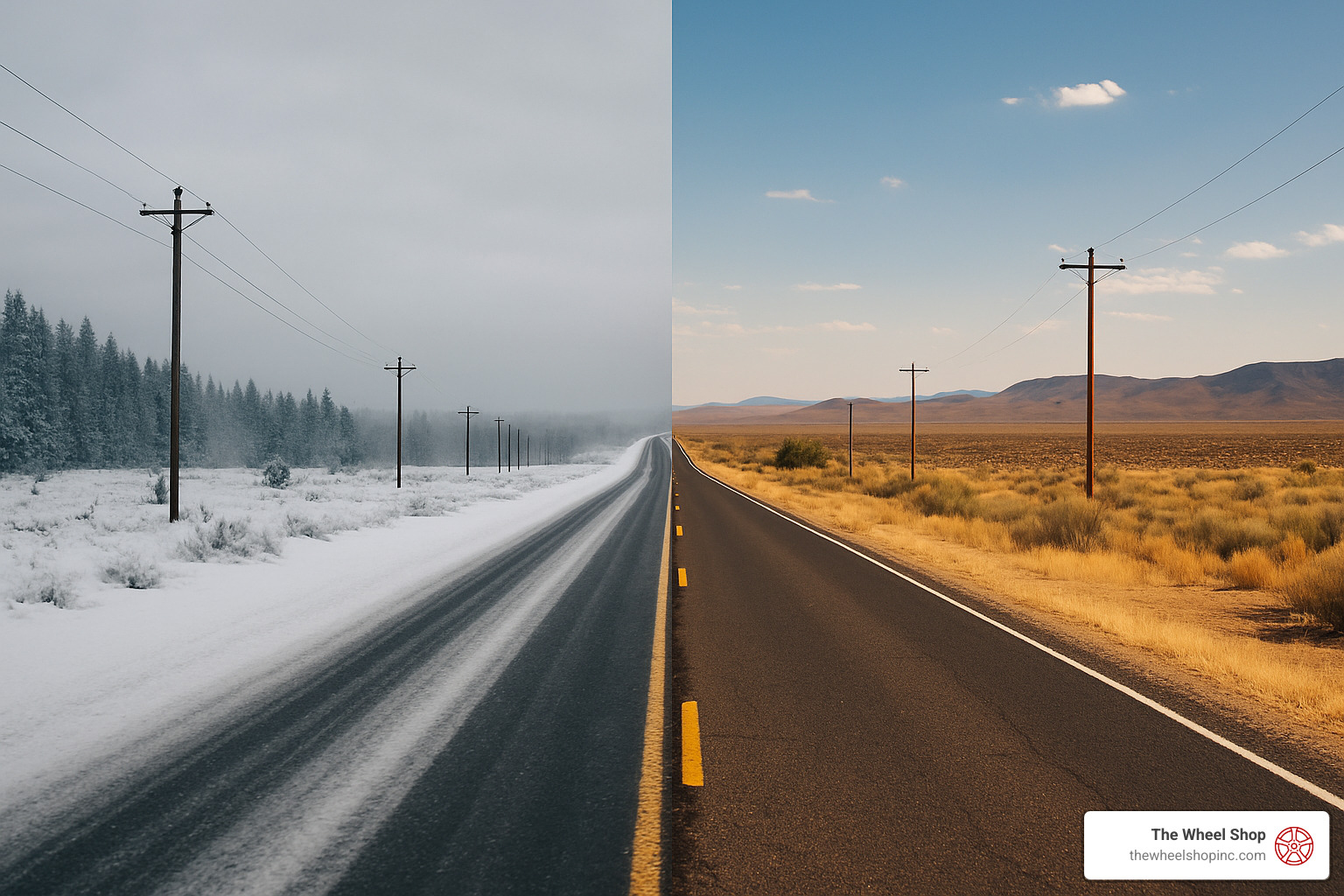
Mother Nature doesn’t just affect your mood – she has a dramatic impact on your wheels too. From scorching summer days to frigid winter mornings, weather conditions create unique challenges that can make or break your wheel health.
Rain, Standing Water & Hydroplaning
We’ve all felt that heart-stopping moment when your car seems to “float” on a wet road. That’s hydroplaning – when your tires lose contact with the road surface and glide across a thin layer of water instead. It’s not just scary; it’s dangerous for both you and your wheels.
Hydroplaning happens when water depth exceeds your tire’s ability to channel it away, especially when you’re driving too fast or your tread depth has worn below 4/32″. When this happens, you essentially lose control – steering becomes ineffective and your braking distance increases dramatically.
Those innocent-looking puddles? They’re often hiding wheel-damaging potholes beneath the surface. Hitting these concealed obstacles can cause immediate damage that might not show up until alignment issues develop weeks later.
To keep your wheels safe in wet conditions, maintain adequate tread depth, reduce your speed when it’s raining, and try to follow the tracks of vehicles ahead of you where water has already been displaced. Once you can see those tread wear indicators, it’s definitely time for new tires – your safety depends on it.
Snow, Ice & Road Salt
Winter creates the perfect storm for wheel damage. Cold temperatures cause rubber to harden and lose flexibility, while ice and snow play a dangerous game of hide-and-seek with road hazards.
But the real villain in winter’s story is road salt. Those white crystals might help with traction, but they’re incredibly corrosive to your wheels. Road salt accelerates oxidation on both alloy and steel wheels, leading to cosmetic deterioration, corroded wheel weights and valve stems, and even damage to your tire pressure monitoring sensors. In severe cases, it can affect wheel bearings too.
Winter’s concealed potholes are particularly treacherous – you often don’t know they’re there until you’ve already hit them. That jarring impact you feel? That’s potential wheel damage happening in real time.
Investing in winter tires with specialized rubber compounds that stay flexible in cold temperatures isn’t just about better traction – it’s about protecting your wheels by giving you better control in challenging conditions.
Heat-Softened Asphalt & UV Exposure
When the mercury rises, so do the risks to your wheels. Extreme heat can actually soften asphalt to the point where heavy vehicles leave imprints, tar becomes sticky enough to adhere to your tires, and road surfaces transform into uneven, unpredictable hazards.
The heat affects your tires directly too. For every 10°F rise in temperature, your tire pressure increases by approximately 1 psi. Hot weather also softens rubber compounds (accelerating wear), promotes sidewall cracking through UV exposure, and significantly raises your risk of blowouts – especially if your tires are underinflated or aging.
The science is clear: tire temperatures can reach over 150°F on hot summer days, well beyond their optimal operating range. This excessive heat speeds up the chemical processes that break down rubber compounds, effectively shortening your tire’s lifespan.
Temperature Fluctuations & TPMS Alerts
That tire pressure warning light that mysteriously appears on cold mornings isn’t necessarily indicating a leak. Modern vehicles include Tire Pressure Monitoring Systems (TPMS) that can be triggered by natural temperature changes.
Here’s the simple physics: for every 10°F drop in temperature, tire pressure decreases by approximately 1 psi. This means that a perfectly inflated tire at 80°F might trigger a low-pressure warning after an overnight temperature drop to 50°F – no actual leak required!
The flip side is equally problematic. Pressure increases with heat, potentially leading to overinflation during hot weather if your tires were filled to maximum pressure when cold. Overinflated tires have reduced ability to absorb road imperfections, increasing the risk of impact damage to your wheels.
If you live somewhere with significant temperature swings, regular pressure checks are essential – not just when your TPMS warnings appear. Adjusting pressure according to ambient temperature ensures optimal performance and protection against road hazards, potentially saving you from costly wheel repairs down the road.
Your TPMS is designed to keep you safe, but understanding how temperature affects its readings will help you make better decisions about when actual maintenance is needed versus when Mother Nature is just playing tricks on your sensors.
Vehicle Factors That Amplify Road Damage
While road conditions themselves pose challenges to wheel health, certain vehicle-related factors can dramatically increase the risk and severity of damage.
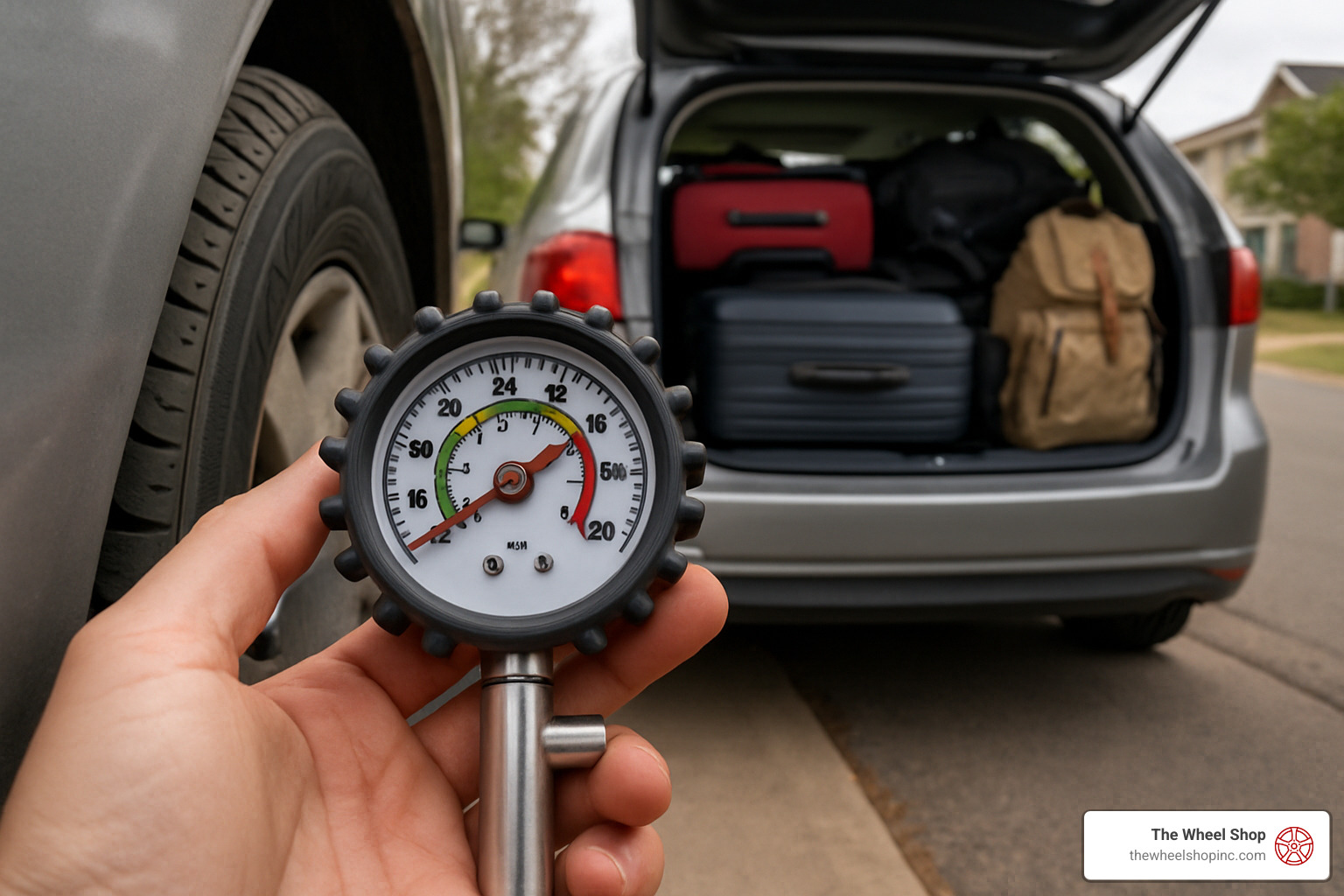
Tire Pressure Interaction with Bad Roads
Think of tire pressure as your first line of defense against rough roads. It’s shocking, but approximately 85% of tire blowouts happen because of underinflation. Yet despite this risk, only about 19% of drivers maintain proper tire pressure.
When your tires don’t have enough air, the sidewalls flex excessively, generating dangerous heat. This heat weakens the tire structure, making it much more vulnerable when you hit that unexpected pothole. The tire compresses against the rim, often resulting in those dreaded “pinch flats” where both the tire and rim can sustain damage.
On the flip side, overinflated tires aren’t much better. They create a smaller contact patch with the road and lose their ability to flex and absorb impacts. Instead of cushioning the blow when you hit a road imperfection, an overinflated tire transfers that shock directly to your wheel and suspension components.
The good news? Simply maintaining proper tire pressure can extend your tire life by an average of 4,700 miles. That’s a lot of extra driving for such a simple maintenance task!
Driving Habits: Speed, Braking & Acceleration
The way you drive has a tremendous impact on how road conditions affect your wheels. That quick acceleration from a stoplight might feel exciting, but it creates wheelspin that wears down your tread in seconds rather than miles.
Hard braking is particularly damaging, creating flat spots on tires and putting enormous stress on wheel components. Similarly, taking corners at high speed places lateral forces on your wheels and tires that they weren’t designed to handle repeatedly.
Perhaps most important is your speed when encountering obstacles. It’s simple physics – the impact force increases with the square of your velocity. In plain English, hitting a pothole at 40 mph creates four times the impact force as hitting it at 20 mph. For your wheels, this can be the difference between a jarring bump and a trip to The Wheel Shop for repairs.
Adopting a smoother driving style with gentle acceleration, gradual braking, and appropriate speeds won’t just save your wheels – it’ll make your ride more comfortable and improve your fuel economy too.
Overloading & Weight Distribution
Ever noticed how your car seems to handle differently when you’ve packed it full for a road trip? There’s a good reason for that. When you exceed your vehicle’s weight capacity or distribute cargo unevenly, you’re asking your wheels and tires to bear more than they were designed to handle.
Overloading causes tires to flex excessively under the increased weight. Your suspension components compress beyond their designed range, which means they can’t properly absorb impacts from road hazards. The result? More force transfers directly to your wheels.
Your vehicle’s center of gravity also shifts when heavily loaded, affecting handling and stability – particularly important when navigating rough or uneven roads. If you regularly carry heavy loads, consider upgrading to load-rated tires and always check your vehicle’s door jamb placard for the proper inflation pressures when fully loaded.
Suspension Wear & Alignment Drift
Your suspension system serves as the crucial buffer between rough roads and your precious wheels. As these components wear out, they become increasingly less effective at their job.
The research on suspension fatigue is eye-opening. A coil spring that might last for 19,060 cycles on smooth roads survives for just 1,248 cycles on rough roads. Even more dramatically, a lower control arm that endures nearly 12 million cycles on flat roads might fail after just 3,580 cycles on rough surfaces. That’s a 99% reduction in lifespan!
This creates a troubling cycle: rough roads wear out your suspension faster, which in turn makes your wheels more vulnerable to damage from those same rough roads.
Alignment issues make everything worse. A wheel that’s out of alignment can lose up to 25% of its expected lifespan. Misaligned wheels don’t just wear tires unevenly – they place abnormal stress on all wheel components, making them more susceptible to damage when you hit that next pothole.
Regular inspection of your suspension components and maintaining proper alignment are investments that pay dividends in wheel longevity, especially if you frequently drive on challenging roads.
Detecting Problems Early and Taking Action
Identifying wheel issues before they become critical saves money and prevents potential safety hazards. Knowing what to look for and when to seek professional help is essential for any driver.
Visual & Driving Clues You Should Never Ignore
Your vehicle communicates wheel problems through various symptoms that shouldn’t be dismissed:
- Vibrations in the steering wheel or floorboard indicate potential wheel balance issues or rim damage
- Vehicle pulling to one side suggests alignment problems, often caused by impact with road hazards
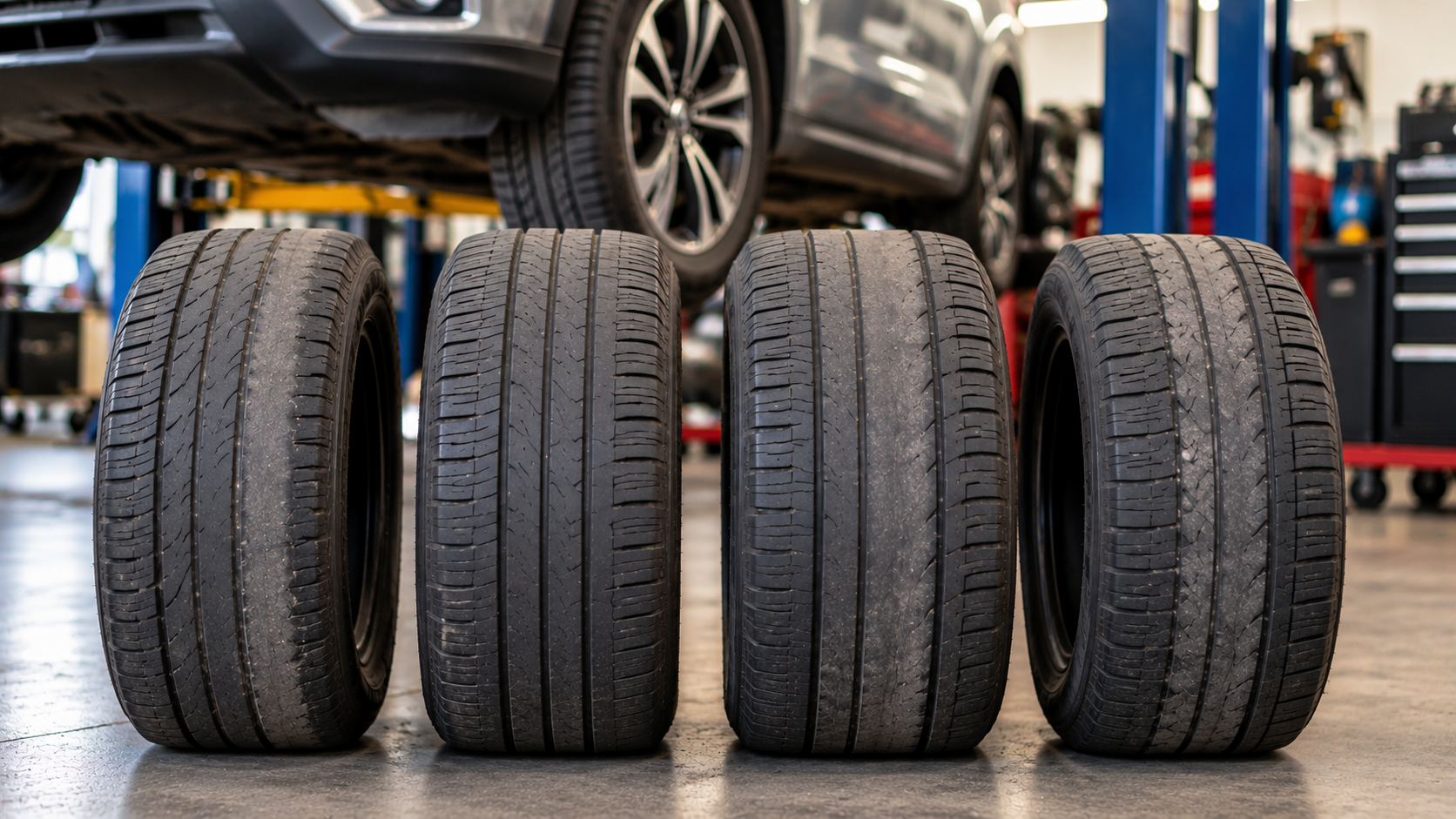
- Uneven tire wear patterns reveal alignment issues:
- Wear on inner edges indicates excessive negative camber or toe-in
- Wear on outer edges suggests positive camber or toe-out
- Center wear typically means overinflation
- Wear on both edges with good center tread indicates underinflation
- Bulges or blisters in tire sidewalls result from impact damage and compromise structural integrity
- Crooked steering wheel when driving straight points to alignment issues from road impacts
- TPMS warnings that recur after initial inflation may indicate slow leaks from rim damage
- Sudden increase in tramlining behavior suggests potential wheel or suspension damage
These symptoms often appear gradually, making them easy to overlook or attribute to normal driving conditions. However, addressing them promptly prevents more extensive damage and potential safety risks.
Routine Maintenance Checklist for Rough-Road Drivers
If your daily drive includes challenging road conditions, following a more rigorous maintenance schedule helps protect your wheels:
- Check tire pressure monthly and before long trips – This simple step prevents most blowouts and reduces impact damage risk
- Rotate tires every 5,000-7,500 miles – Regular rotation ensures even wear patterns and helps identify alignment issues early
- Inspect suspension components annually – Look for leaking shocks, worn bushings, or damaged springs
- Schedule alignment checks every 6,000-8,000 miles if you frequently encounter rough roads
- Examine wheels visually for cracks, bends, or corrosion at least once a month
- Balance wheels when replacing tires or when vibrations develop
For vehicles regularly driven on unpaved roads or in areas with numerous potholes, consider reducing these intervals by 25-50%. The small cost of preventive maintenance pales compared to the expense of replacing damaged wheels or dealing with accidents caused by wheel failures.
Professional Repair & Restoration Options
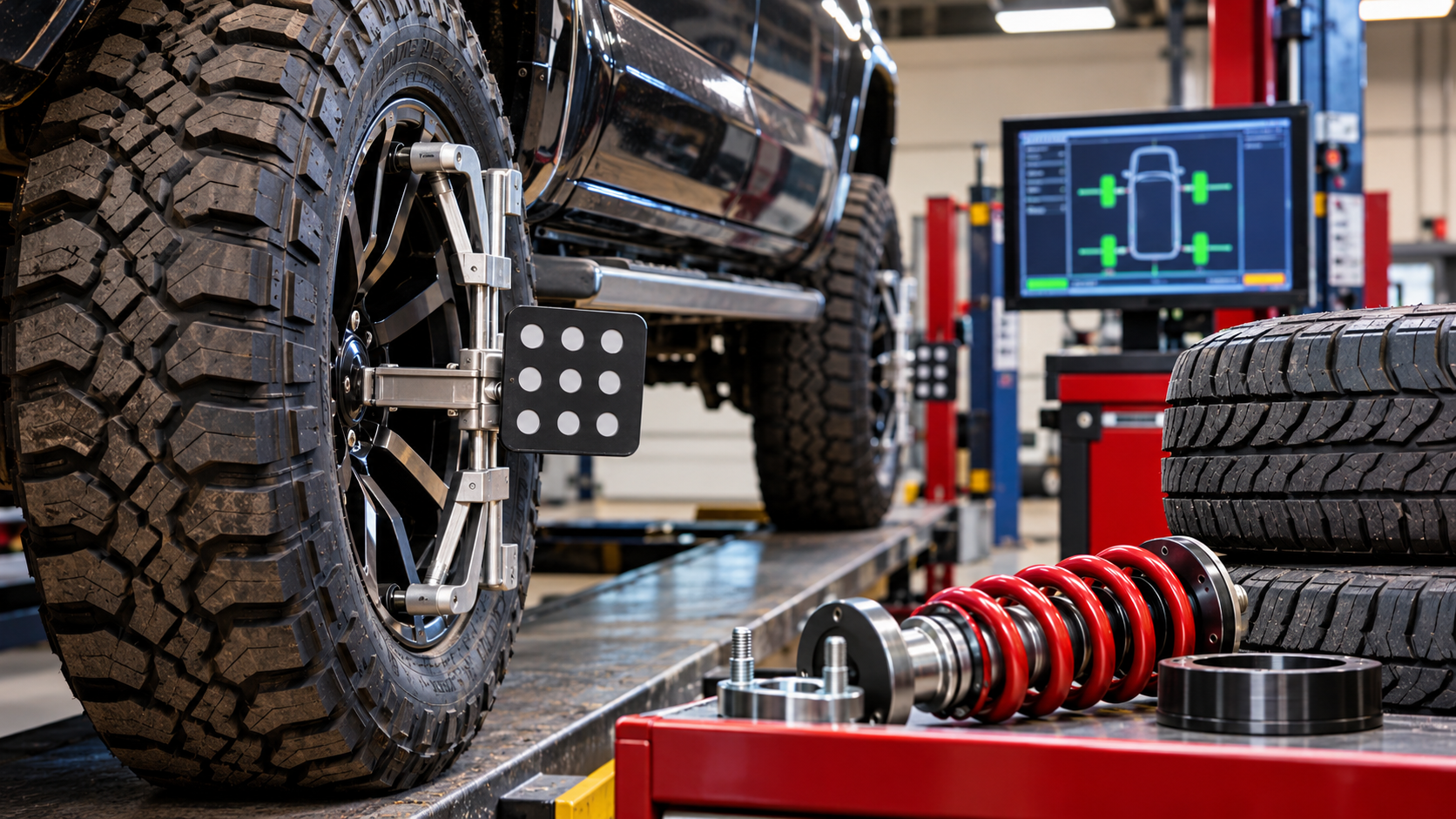
When wheel damage occurs despite your best efforts, professional repair services can often restore functionality and appearance without full replacement. At The Wheel Shop in Riverside, CA, we offer specialized services including:
- Rim straightening for bent wheels using hydraulic presses and precision measuring equipment
- Crack repair using specialized welding techniques for both alloy and steel wheels
- Surface refinishing to address curb rash, scratches, and cosmetic damage
- Powder coating for a durable, attractive finish that resists road salt and environmental damage
Not all wheel damage is repairable. Severe cracks, significant structural bends, or extensive corrosion may compromise wheel integrity beyond safe restoration. A professional wheel specialist can evaluate damage and recommend appropriate action based on safety considerations rather than just cosmetics.
Choosing the Right Wheels, Tires & Tech for Challenging Roads
When it comes to conquering challenging roads, your choice of wheels and tires isn’t just about looks—it’s about survival. The right combination can mean the difference between a smooth journey and an expensive repair bill.
Matching Tire Type to Terrain & Climate
Your tires are the only part of your vehicle that actually touches the road, making them your first line of defense against harsh conditions. Think of them as specialized tools, each designed for specific jobs:
All-season tires are the jack-of-all-trades in your garage—they’ll get you through most conditions reasonably well, but they won’t excel in extreme situations. They’re perfect for drivers who experience mild weather variations and stick mainly to paved roads.
Highway tires shine on smooth pavement, offering quieter rides, better fuel economy, and longer tread life. If your daily commute involves mostly well-maintained roads, these tires will reward you with thousands of extra miles before needing replacement.
For those weekend warriors who split time between pavement and trails, all-terrain tires offer that sweet spot of on-road comfort with enough off-road capability to handle dirt roads and light trails. Their more aggressive tread patterns evacuate mud and water more effectively than highway tires without the noise and wear penalties of true off-road options.
Speaking of off-road, mud-terrain tires feature those chunky, aggressive tread patterns that look intimidating for good reason—they’re built to claw through challenging surfaces. Just be prepared for more road noise, faster wear on pavement, and reduced fuel economy as the trade-off for that capability.
When winter arrives, winter tires become invaluable with their specialized rubber compounds that stay flexible even in freezing temperatures. Their deeper tread patterns with special siping (those tiny slits in the tread blocks) dramatically improve grip on snow and ice.
The Uniform Tire Quality Grading (UTQG) system can help you compare options with its ratings for treadwear, traction, and temperature resistance. Higher treadwear numbers generally mean longer-lasting tires—a 400 rating should last twice as long as a 200 rating under identical conditions.
If your local roads resemble the surface of the moon with their crater-like potholes, consider these features that can save your wheels:
Higher profile tires with taller sidewalls act like additional suspension, absorbing impacts that would otherwise transfer directly to your expensive wheels. That 35-profile tire might look sporty, but a 55 or 65-profile will provide significantly more pothole protection.
Reinforced sidewalls offer extra protection against road hazards, with additional rubber and sometimes even Kevlar or other reinforcing materials to resist punctures and impacts.
For those navigating particularly treacherous urban jungles, run-flat technology allows you to continue driving safely for about 50 miles after a puncture—enough to get you to a repair shop without changing a tire in dangerous locations.
Always check the load ratings on your tires to ensure they’re appropriate for your vehicle’s weight. Overloading tires accelerates wear and increases the risk of failure, especially on rough roads.
Frequently Asked Questions About Road-Induced Wheel Issues
How often should I check alignment, tire pressure & suspension on poor roads?
When you’re regularly tackling rough or poorly maintained roads, your wheels need extra attention. At The Wheel Shop, we’ve seen how preventive maintenance can save drivers thousands in potential repairs.
For tire pressure, we recommend weekly checks if you’re frequently navigating challenging terrain. This simple five-minute task can prevent the most common cause of blowouts and improve fuel economy at the same time. Always check pressure when tires are cold for the most accurate reading.
Wheel alignment should be inspected every 6,000 miles for rough-road warriors—though don’t wait if you’ve had a close encounter with a significant pothole. That unexpected “thunk” you felt yesterday might have knocked your alignment out of spec, affecting handling and accelerating tire wear.
Your suspension components deserve a thorough inspection every 10,000 miles when regularly dealing with poor roads. Listen to your vehicle, too—if you notice changes in ride quality, unusual noises over bumps, or a “bouncy” feeling, don’t wait for the next scheduled check.
As for wheel balance, have this checked when replacing tires or if you begin to notice vibrations, especially at highway speeds. That subtle shimmy in your steering wheel is your car’s way of asking for help!
These intervals are just starting points. If your daily commute looks more like an off-road trip, consider more frequent checks. The small investment in preventive maintenance always costs less than major repairs after something fails.
What are the safety risks of ignoring wheel or alignment problems?
Overlooking wheel issues isn’t just bad for your wallet—it creates serious safety hazards that put you and others at risk.
When your wheels aren’t properly aligned or have sustained damage, your vehicle’s handling becomes compromised, especially during emergency maneuvers. That quick swerve to avoid an obstacle becomes much more dangerous when your car doesn’t respond as expected.
Braking distances increase significantly with wheel issues. Even minor alignment problems can add several feet to your stopping distance—the difference between a close call and a collision.
Perhaps most concerning is the increased blowout risk from damaged sidewalls or rims. A blowout at highway speed can be terrifying and potentially deadly, especially if it occurs during a turn or in heavy traffic.
Severe wheel damage can lead to sudden steering loss if a wheel fails catastrophically. This typically happens without warning, giving you no time to prepare or react safely.
Beyond the immediate risks, ignored wheel problems create a cascade of additional damage. Your suspension components endure extra stress, leading to premature wear and additional failures down the road.
The next time you’re tempted to ignore that slight pull to the right or that unusual vibration, proper wheel maintenance isn’t just about protecting your investment—it’s about protecting lives.
Which wheels or tires handle pothole-ridden urban streets best?
Urban environments with their maze of potholes require thoughtful wheel and tire choices. Based on our experience at The Wheel Shop, here’s what works best for city-dwellers navigating challenging streets:
Steel wheels might not win beauty contests, but they generally resist bending better than their alloy counterparts. They’re heavier (which impacts fuel economy slightly), but their durability in pothole-prone areas can make that trade-off worthwhile for some drivers.
When selecting alloy wheels, look for designs with more spokes rather than fewer. Multiple spokes distribute impact forces more effectively than designs with just a few large spokes, reducing the risk of cracks or bends when you can’t avoid that surprise pothole.
Tire selection is equally important. Tires with aspect ratios of 55 or higher (the second number in your tire size, like 225/55R17) provide better impact absorption than low-profile options. That taller sidewall acts as a cushion between the road and your expensive wheel.
For maximum protection, consider run-flat tires with reinforced sidewalls. These specialty tires offer superior resistance to pothole damage and allow you to continue driving safely even after losing pressure—a valuable feature when you hit something nasty in heavy traffic.
Above all, stick with properly sized wheels according to manufacturer specifications. While those larger diameter wheels with ultra-low-profile tires might look impressive in the showroom, they significantly increase your vulnerability to pothole damage in the real world.
Fashion has driven many urban drivers toward larger wheels with minimal sidewall, but for those navigating pothole-riddled streets, a more modest wheel size with a taller tire sidewall provides the best balance of style and durability. Your wheels (and wallet) will thank you.
The Wheel Shop Difference
At The Wheel Shop in Riverside, CA, we’ve spent over twenty years helping drivers steer Southern California’s diverse and sometimes punishing road conditions. Our expertise in wheel repair, restoration, custom suspension work, and precision alignments comes from decades of solving real-world wheel problems for drivers just like you.
Your wheels are far more than just the pretty face of your vehicle – they’re critical safety components deserving regular attention. By staying proactive about maintenance and responding quickly to warning signs, you’ll enjoy better performance, lower long-term costs, and most importantly, safer journeys for everyone in your vehicle.
For more information about protecting your wheels from challenging road conditions or to schedule a consultation about wheel repair or restoration, contact our team of specialists today. We’re here to help keep you rolling smoothly, no matter what roads lie ahead.