More Than Just a Smooth Ride
Your vehicle’s suspension system is the network of springs, shock absorbers, and linkages that connects the wheels to the chassis, keeping your ride smooth, stable, and safe. Suspension upgrades can transform how your vehicle handles everything from daily commutes to rugged off-road adventures. But not all upgrades are necessary for every driver—knowing when and why to enhance your suspension can improve performance, comfort, and safety, making a noticeable difference in how your vehicle feels and responds on the road.
Consider an upgrade if you’re experiencing:
- Worn components: Signs like excessive bouncing, uneven tire wear, or the vehicle pulling to one side.
- Specific needs: Your factory setup isn’t designed for heavy towing, off-road adventures, or track performance.
- Comfort issues: The ride feels harsh on your daily commute.
- Performance goals: You want better handling, reduced body roll, or improved braking.
Upgrading your suspension can lead to:
- Improved handling and cornering stability.
- Better ride comfort with superior shock absorption.
- Improved safety through shorter stopping distances and better vehicle control.
- Extended component life for tires, brakes, and other parts.
Factory suspension systems are a compromise between cost, comfort, and performance. Aftermarket suspension components are typically made from higher-quality materials designed to withstand harsh conditions and heavy use. Whether you’re dealing with worn-out shocks or simply want a more responsive and comfortable drive, understanding your suspension options can transform your entire driving experience.
The Core Benefits: Why Suspension Upgrades Make a Difference
Your vehicle’s suspension system is more than just springs and shocks—it’s the backbone of ride quality, handling, and safety. By connecting the wheels to the chassis, the suspension absorbs bumps, keeps tires in contact with the road, and ensures a stable, controlled driving experience. While factory suspensions are designed for general use, upgrading components can unlock noticeable improvements in performance, comfort, and control.
Suspension upgrades aren’t just about roughing it over rugged terrain—they benefit everyday driving too. Enhanced shocks, struts, and springs can reduce body roll during cornering, improve braking stability, and make steering more precise. For enthusiasts, commuters, or anyone seeking a smoother, more responsive ride, these upgrades provide tangible advantages that go beyond aesthetics, helping your vehicle perform at its best under a variety of conditions.
Improved Handling and Stability
A well-tuned suspension improves your vehicle’s connection to the road. Upgraded components like shocks, struts, and sway bars work together to deliver:
- Improved Cornering: By minimizing body roll (the leaning sensation in turns), your vehicle feels flatter, more stable, and more predictable. This is especially noticeable in SUVs and trucks.
- Better Traction: An upgraded suspension keeps your tires firmly planted on the road, even on uneven or wet surfaces. This improves grip during acceleration, braking, and cornering, reducing the risk of skidding.
- Increased Steering Precision: With less body movement and better tire contact, you get clearer feedback through the steering wheel, allowing for more accurate and responsive control.
Ready to feel the difference? Learn more info about our Custom Suspension services.
Superior Ride Comfort and Braking
Performance upgrades don’t have to mean a harsh ride. In fact, they often improve comfort and safety.
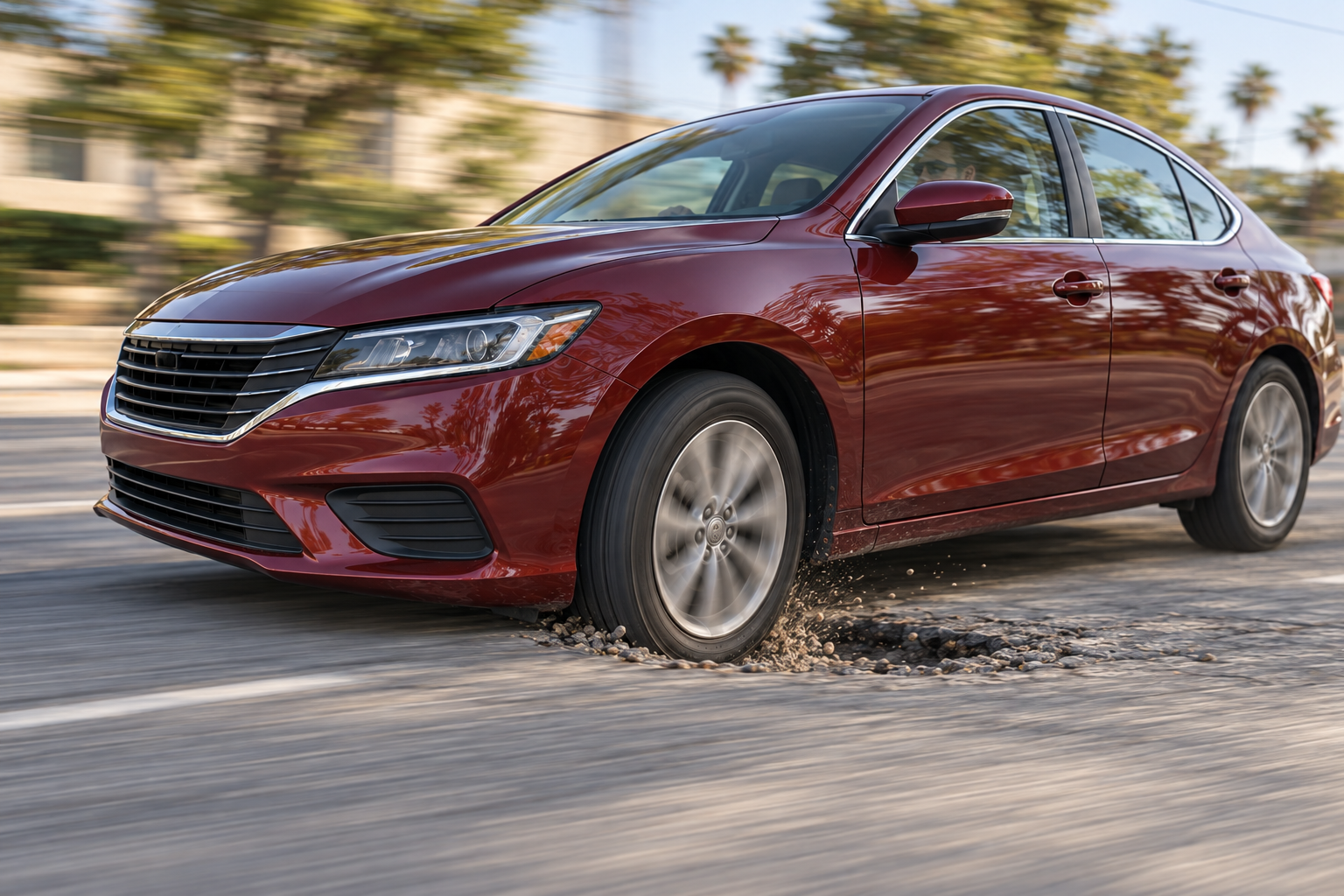
- Smoother Ride: High-quality shocks and struts are engineered to absorb road imperfections like potholes and bumps more effectively than factory parts. This reduces jarring impacts and vibrations, making your daily drive more pleasant.
- Better Braking: Upgraded suspension components manage weight transfer more effectively during hard braking. This reduces brake dive (the front end dipping down), which helps maintain stability and can lead to shorter stopping distances in emergency situations.

Increased Durability and Vehicle Longevity
Think of a suspension upgrade as a long-term investment in your vehicle’s health.
- High-Quality Materials: Aftermarket components are often built to higher standards than factory parts, designed to withstand heavy use and harsh conditions for a longer lifespan.
- Reduced Wear and Tear: A properly functioning suspension reduces stress on other parts of your vehicle. It promotes even tire wear and lessens the strain on wheel bearings, brakes, and chassis components, saving you money on future repairs.
- Potential for Increased Resale Value: Quality suspension upgrades, especially those for specific uses like off-roading or performance driving, can make your vehicle more attractive to buyers.
When to Consider a Suspension Upgrade
Your vehicle’s suspension plays a critical role in ride quality, handling, and overall safety. Over time, even well-maintained systems can wear down, leading to a less comfortable ride, reduced control, and increased stress on other components. Understanding the signs that your suspension may need an upgrade helps you make proactive decisions before small issues turn into costly repairs or safety risks.
Suspension upgrades aren’t only for performance enthusiasts or off-road adventurers—they can benefit any driver who wants a smoother, more stable, and predictable ride. By recognizing key indicators such as uneven tire wear, excessive bouncing, body roll, or unusual noises, you can determine the right time to invest in improved shocks, struts, or springs, enhancing both comfort and control for your vehicle.
Common Signs Your Suspension Needs Attention
Listen to your car—it will tell you when its suspension is wearing out. Look for these common warning signs:
- Excessive bouncing: If your car continues to bounce after hitting a bump, your shocks or struts are likely worn.
- Pulling to one side: While this can be an alignment issue, it can also indicate a sagging or failing suspension component.
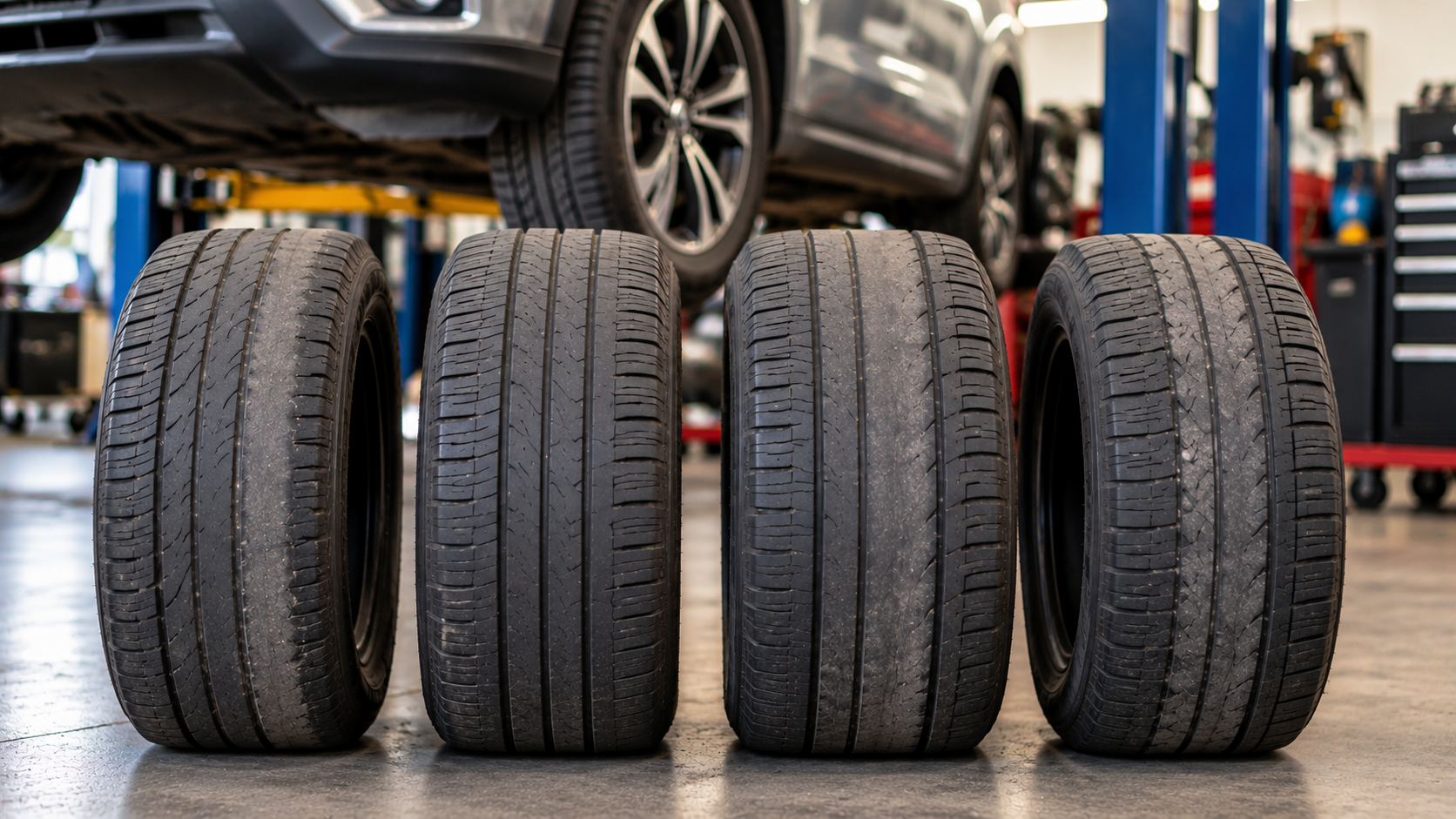
- Uneven tire wear: Worn suspension parts can cause tires to wear unevenly, a costly problem if left unaddressed.
- “Nose-diving” when braking: A dramatic dip of the front end when you brake is a sign that your shocks can’t manage weight transfer properly.
- Oily or damaged components: Visibly leaking fluid or damage on shocks and struts means they need replacement.
- Clunking or rattling noises: Strange sounds over bumps often point to loose or worn-out parts like bushings or ball joints.
Upgrades for Specific Driving Applications
Sometimes, your suspension isn’t broken—it’s just not built for the job you’re asking it to do.
- Off-road driving: Standard suspension can’t handle rocks, ruts, and steep inclines. Lift Kits for Trucks provide necessary ground clearance, while heavy-duty shocks and springs offer the durability and articulation needed for the trail.
- Towing and hauling: Heavy loads can cause factory suspension to sag, compromising stability and safety. Heavy-duty springs or airbags keep your vehicle level and in control.
- Track and performance driving: Enthusiasts need precision. Stiffer springs, adjustable coilovers, and upgraded sway bars reduce body roll and transform cornering performance for a more responsive feel.
- Daily commuting on rough roads: If your daily drive is bumpy, comfort-oriented shocks and springs can smooth out the ride, reducing fatigue.
When is a Suspension Upgrade Not Necessary?
An upgrade isn’t for everyone. If you’re satisfied with your current performance and primarily use your vehicle for smooth road commuting, your factory suspension may be perfectly adequate. Budget constraints are also a valid reason to wait, as quality components are an investment. Finally, be aware of the trade-off between comfort and performance—some high-performance setups create a firmer ride that may not be for you. The key is finding the right balance for your needs.
Understanding Suspension Components and System Types
A vehicle’s suspension system is a carefully engineered network of components that work together to absorb road imperfections, maintain tire contact, and ensure a smooth, controlled ride. From springs and shock absorbers to struts and control arms, each part plays a distinct role in how your vehicle handles, corners, and responds to different driving conditions. Understanding the types of suspension systems—whether independent, solid axle, or multi-link—helps you make informed decisions about maintenance, upgrades, or modifications, ensuring your ride performs safely and efficiently on every road.
Key Components in a Suspension Upgrade
Upgrades typically involve one or more of these critical components:

- Shocks and Struts: These are dampers that control spring movement, preventing excessive bouncing. Upgrading them improves both ride quality and handling.
- Springs: Springs support the vehicle’s weight and absorb impacts. Lowering springs improve handling and aesthetics by reducing ride height, while lift springs raise the vehicle for off-road clearance.
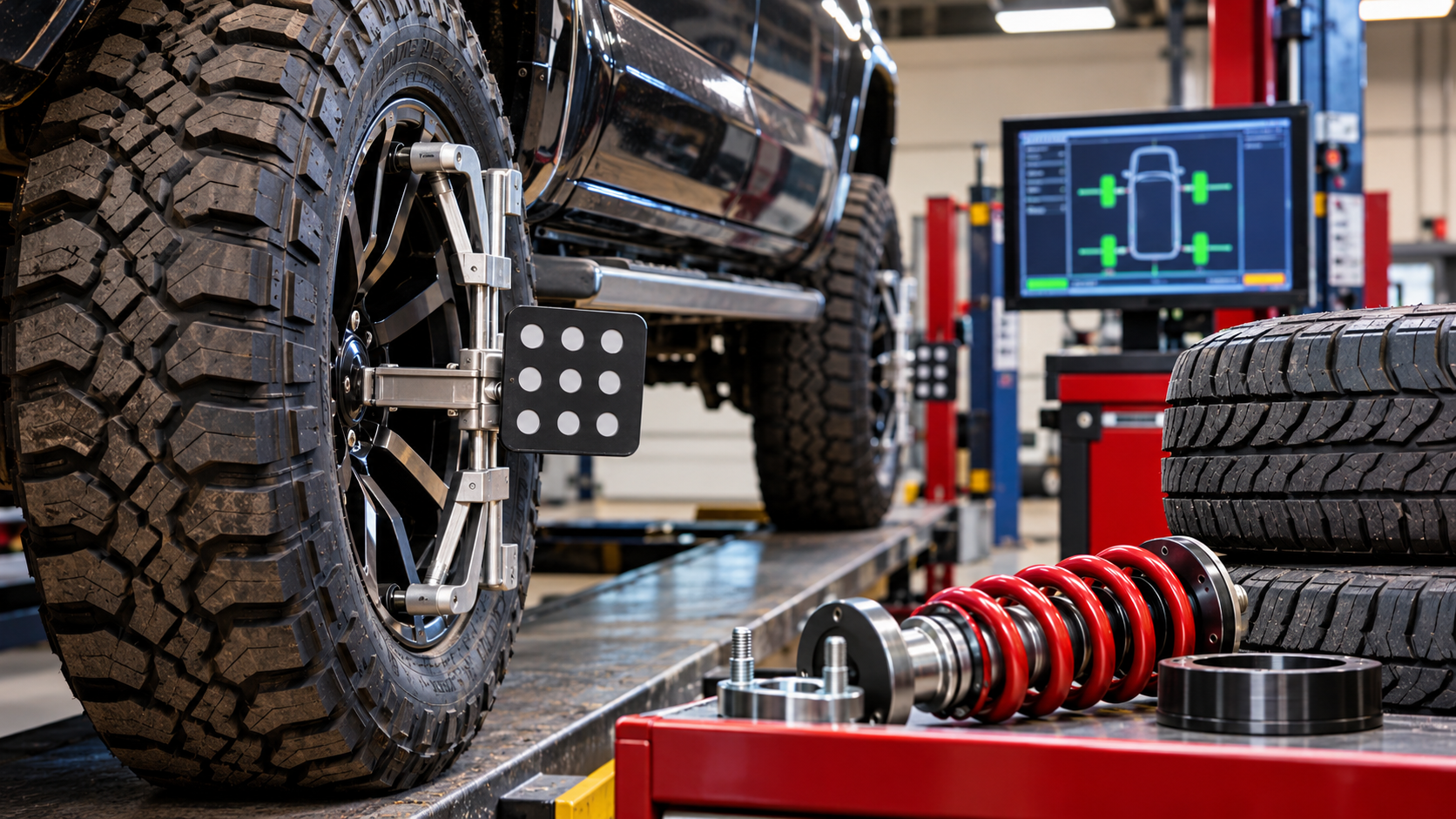
- Coilovers: These units combine a spring and shock into one adjustable package, allowing you to fine-tune ride height and stiffness for track performance or daily comfort.
- Sway Bars (Anti-Roll Bars): These bars connect opposite wheels to reduce body roll during turns. A stiffer sway bar results in flatter, more responsive cornering.
- Control Arms and Bushings: These parts connect the wheels to the chassis and allow for movement. Upgrading to stronger arms or more durable bushings improves steering precision and reduces unwanted flex.
Learn more about how these parts can work for you with our Suspension Upgrades That Transform Your Ride.
Comparing Common Suspension Systems
Vehicles use different suspension designs, each with unique characteristics and upgrade potential.
| Suspension Type | Advantages | Disadvantages |
|---|---|---|
| MacPherson Strut | Simple, cost-effective, and compact. | Limited adjustability, can transmit more road noise. |
| Double Wishbone | Excellent handling and wheel control, highly adjustable. | More complex and expensive, takes up more space. |
| Multi-Link | Superior balance of ride quality and handling. | Very complex and expensive to manufacture and repair. |
| Air Suspension | Adjustable ride height and stiffness, excellent comfort. | Expensive, complex electronics, potential for leaks. |
| Leaf Spring | Durable, simple, and great for heavy loads. | Rougher ride quality, not ideal for performance handling. |
MacPherson struts are common in many cars, while double wishbone systems are favored for performance vehicles. Multi-link suspensions are often found in luxury cars for their blend of comfort and handling. Air suspension offers high-tech adjustability, and traditional leaf springs remain the top choice for trucks due to their strength. Knowing your vehicle’s system helps determine the best upgrade path.
Frequently Asked Questions about Suspension Modifications
We get a lot of great questions from customers considering suspension upgrades. Let’s tackle the most common concerns we hear at our shop.
How do suspension upgrades affect tire wear?
Your suspension is a major factor in tire longevity. A worn or poorly set up system creates uneven pressure, leading to irregular wear. In fact, a worn suspension can reduce tire life by 25%. Proper suspension upgrades ensure your tires make consistent, even contact with the road.
This is why professional Wheel Balancing and Alignment after any suspension work is critical. It protects your investment in both your new suspension and your tires.
Are performance suspension upgrades street-legal?
Yes, most performance suspension upgrades are completely street-legal. However, local laws regarding ride height and other modifications vary significantly. Some areas have specific limits on how low or high a vehicle can be. We always recommend checking your local regulations before starting any major suspension work to ensure compliance.
Do suspension upgrades affect my car’s warranty?
This is a common and important question. The answer is that modifications can potentially affect your warranty on related parts. If an aftermarket suspension part is proven to have caused another component to fail, the manufacturer may deny a warranty claim for that specific issue.
However, they cannot void your entire vehicle warranty simply because you installed an aftermarket part. We recommend reviewing your warranty agreement and speaking with your dealership before making major changes.
Consumer protection is offered by the Magnuson-Moss Warranty Act, a federal law that prevents manufacturers from voiding your warranty unless they can prove the aftermarket part caused the failure. We are happy to discuss how different modifications might impact your specific situation.
The Wheel Shop Difference
As this guide has shown, suspension upgrades that transform your ride can revolutionize your driving experience. The benefits are clear: sharper handling, reduced body roll, and a smoother, more composed ride that makes every drive more enjoyable.
Upgrading your suspension is about taking control. It’s about customizing your vehicle to respond exactly how you want, whether you’re in daily Riverside traffic or on a winding weekend road. Instead of a one-size-fits-all factory setup, you get a suspension optimized for your needs.
At The Wheel Shop, we’ve spent over twenty years helping drivers achieve this. Whether you want track performance, heavy-duty capability, or a more engaging daily drive, our expertise in Suspension ensures we can find your perfect solution.
The investment pays you back with every confident corner and smooth ride. It’s not just about the destination; it’s about enjoying the journey.