Many drivers assume that if their tires still have plenty of tread, they are safe to keep using. It is an understandable assumption. After all, tread depth is one of the most visible indicators of tire condition. However, tread is only part of the story. Tires age from the inside out, and a tire that appears healthy on the surface may be experiencing structural deterioration that cannot be seen with the naked eye.
Industry experts, tire manufacturers, and safety organizations have long recognized that tire age plays a critical role in performance and safety. The National Highway Traffic Safety Administration (NHTSA) has published information highlighting the risks associated with aging tires, particularly in hot climates where rubber degradation can accelerate.
For drivers throughout Southern California, where vehicles are regularly exposed to intense sunlight, high pavement temperatures, and extended freeway driving, tire aging is especially important. At The Wheel Shop, we frequently inspect tires that still have usable tread depth but have reached an age where replacement should be seriously considered. Understanding why tire age matters can help you make smarter maintenance decisions and avoid preventable tire failures.
Why Tire Age Matters More Than Most Drivers Realize
A tire is not simply a piece of rubber wrapped around a wheel. It is a highly engineered structure composed of multiple layers of rubber compounds, steel belts, fabric reinforcements, adhesives, and protective materials designed to work together under tremendous stress.
Over time, these materials begin to degrade. Oxygen, ozone, heat, ultraviolet radiation, moisture, and repeated flexing gradually break down the chemical properties that give tires their strength and flexibility. Even if a vehicle is rarely driven, the aging process continues. In many cases, a tire can appear perfectly acceptable from the outside while experiencing internal deterioration that compromises its structural integrity.
This is why many tire manufacturers recommend increased inspections after approximately five years and often suggest replacement around six years depending on usage, storage conditions, and overall tire condition. Some manufacturers provide different guidelines, but six years is commonly considered an important milestone when evaluating tire safety.
The challenge for consumers is that aging damage is not always visible. Unlike worn tread, which can be easily measured, internal degradation often develops without obvious warning signs until a tire failure occurs.
The Science Behind Tire Aging
Rubber compounds are designed to remain flexible while withstanding enormous forces. Every time a vehicle accelerates, brakes, corners, or encounters road imperfections, the tire flexes and generates heat. This constant cycle gradually changes the chemical structure of the rubber.
As tires age, the rubber becomes harder and less elastic. This reduced flexibility affects how the tire interacts with the road surface. A newer tire can conform more effectively to road irregularities, helping maintain traction and stability. An older tire loses some of this capability, potentially reducing grip during emergency maneuvers or wet-weather conditions.
Heat is one of the biggest contributors to tire aging. According to research discussed by Consumer Reports tire safety experts, prolonged exposure to heat can accelerate the deterioration process. This is particularly relevant for drivers in Riverside and throughout Southern California, where summer pavement temperatures can become extremely high.
Even vehicles stored indoors are not immune. While proper storage can slow aging, it cannot stop the natural breakdown of rubber compounds over time.
Why Good Tread Can Create a False Sense of Security
Many vehicle owners associate tire replacement exclusively with tread wear. While tread depth is important, it only tells part of the story.
Consider a vehicle that is driven only occasionally. The tires may retain most of their original tread after several years because they have accumulated relatively few miles. On the surface, these tires appear to be in excellent condition. However, the rubber may have hardened significantly, and internal components may have begun deteriorating.
This situation is especially common among:
- Weekend vehicles
- Classic cars
- Recreational vehicles
- Trailers
- Low-mileage commuter vehicles
- Secondary family vehicles
Because these vehicles are not driven frequently, owners often assume their tires remain safe indefinitely. Unfortunately, tire age continues regardless of mileage.
Common Warning Signs of Tire Aging
Although some aging occurs internally, there are several visible indicators that may suggest a tire is reaching the end of its service life.
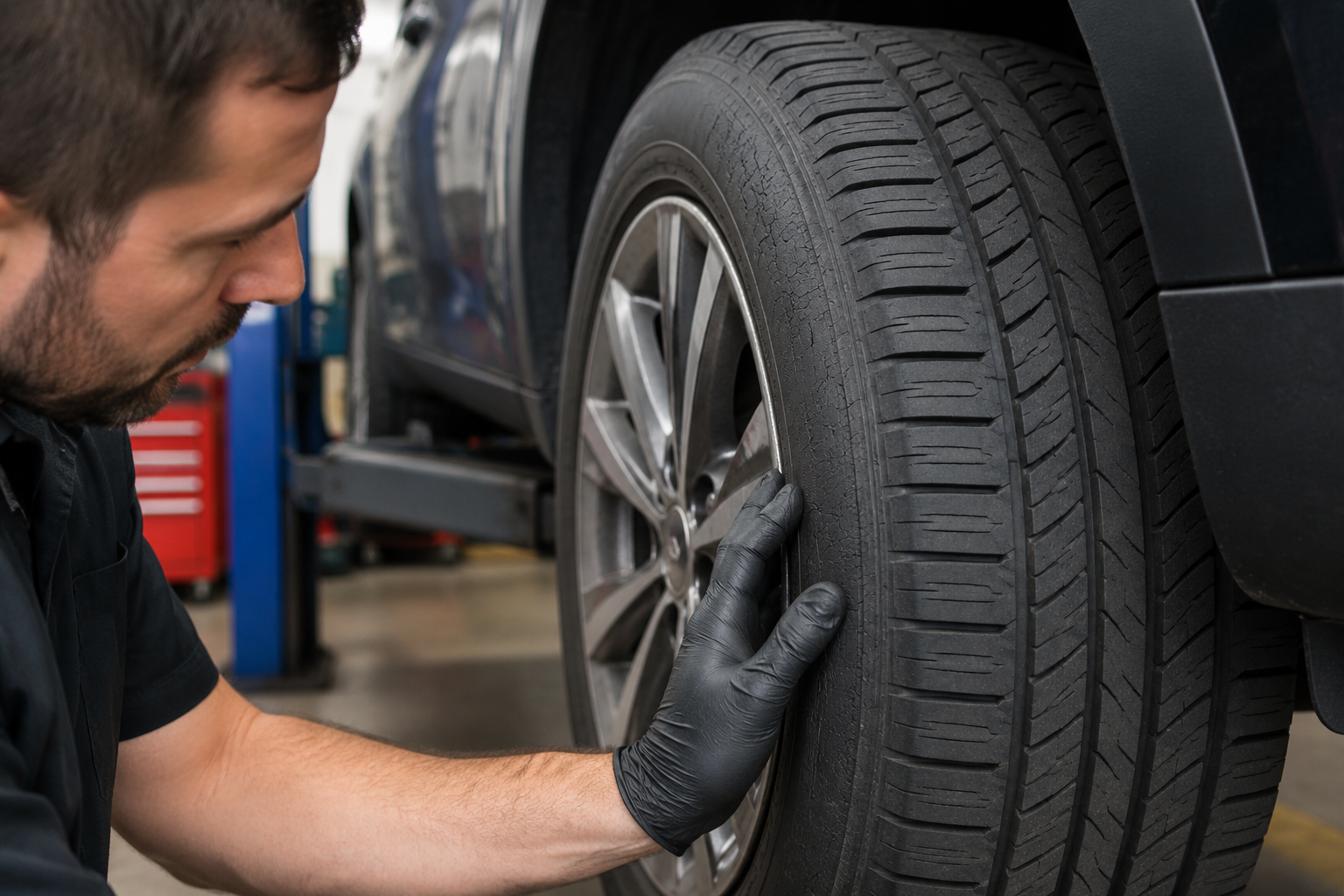
One of the most common signs is sidewall cracking. Small cracks may initially appear cosmetic, but they can indicate that the rubber is drying out and losing flexibility. As deterioration progresses, cracks may become more extensive and compromise the tire’s ability to withstand normal operating stresses.
Another warning sign is weather checking. This appears as a network of fine cracks on the tire surface and often develops after prolonged exposure to sunlight and environmental conditions.
Drivers may also notice changes in ride quality. Aging tires often become stiffer, resulting in a harsher ride. Increased road noise, vibration, or reduced handling responsiveness can also occur.
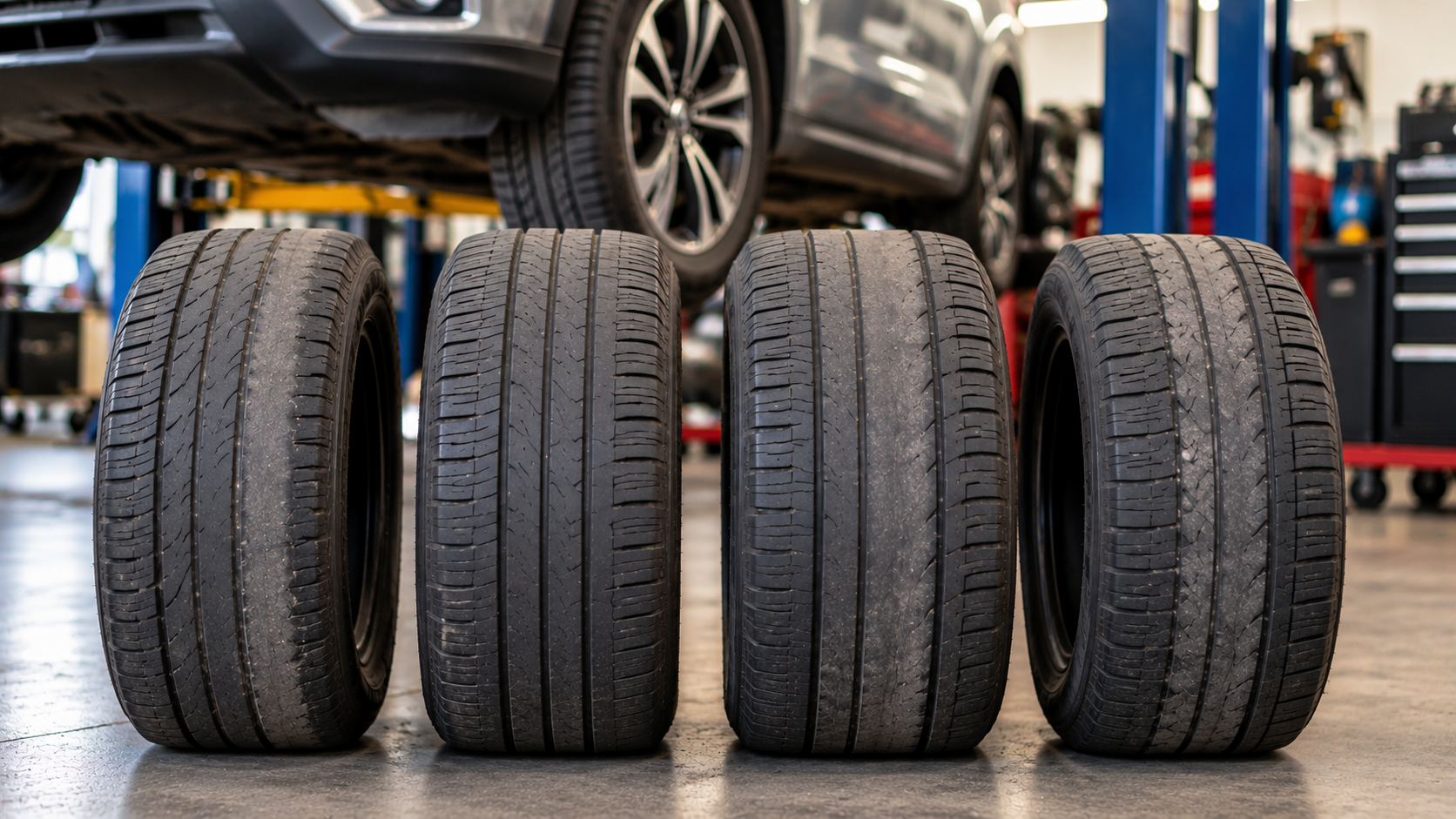
Bulges, deformities, or unusual wear patterns should never be ignored. These symptoms may indicate internal structural damage that requires immediate professional evaluation.
Southern California Conditions Accelerate Tire Aging
Not all regions expose tires to the same environmental conditions. Southern California presents several challenges that can accelerate tire deterioration.
First, prolonged sun exposure increases ultraviolet damage. Vehicles parked outdoors day after day experience significantly more UV exposure than those stored in garages.
Second, elevated pavement temperatures generate additional heat within the tire structure. During summer months, asphalt surfaces can reach temperatures far above the ambient air temperature. This heat contributes to faster degradation of rubber compounds.
Third, Southern California’s extensive freeway network places sustained loads on tires. Long-distance highway driving generates heat continuously, further accelerating the aging process.
According to guidance from the Rubber Manufacturers Association tire care resources, proper maintenance and regular inspections become increasingly important as tires age. For Riverside drivers, environmental conditions make these inspections even more valuable.
Finding the Age of Your Tires
Many drivers have no idea how old their tires actually are. Fortunately, determining tire age is relatively simple.
Every tire sold in the United States contains a Department of Transportation (DOT) code molded into the sidewall. The final four digits indicate the week and year the tire was manufactured.
For example:
- 2420 = 24th week of 2020
- 3519 = 35th week of 2019
- 0821 = 8th week of 2021
Once you locate this code, you can quickly determine the tire’s age regardless of when it was installed on the vehicle.
Many consumers are surprised to discover that tires they assumed were only a few years old are actually much older. This is especially true for used vehicles where the tires may have been installed by a previous owner.
The Safety Risks Associated With Aging Tires
As tires age, their ability to perform under demanding conditions declines. This reduction in performance can affect multiple aspects of vehicle safety.
Braking distances may increase because hardened rubber cannot generate the same level of traction as a newer tire. Emergency stopping situations become more challenging, particularly on wet pavement.
Cornering stability may also decline. Older tires often provide less predictable handling, making sudden avoidance maneuvers more difficult.
Perhaps the greatest concern is the increased risk of tire failure. Internal separation of the tire structure can occur without obvious external warning. In severe cases, this may result in a blowout or rapid loss of air pressure.
For drivers who regularly travel at freeway speeds, these risks should not be underestimated. A tire failure at 70 mph creates a dramatically different situation than a failure occurring at neighborhood driving speeds.
How Proper Maintenance Can Slow Tire Aging
Although aging cannot be prevented entirely, proper maintenance can help maximize tire lifespan and performance.
Maintaining correct inflation pressure is one of the most important steps. Underinflated tires generate excess heat, which accelerates deterioration. Overinflated tires can also create uneven stress concentrations.
Regular tire rotations help ensure even wear and balanced performance across all four tires. Consistent rotations may also help identify developing issues before they become serious.
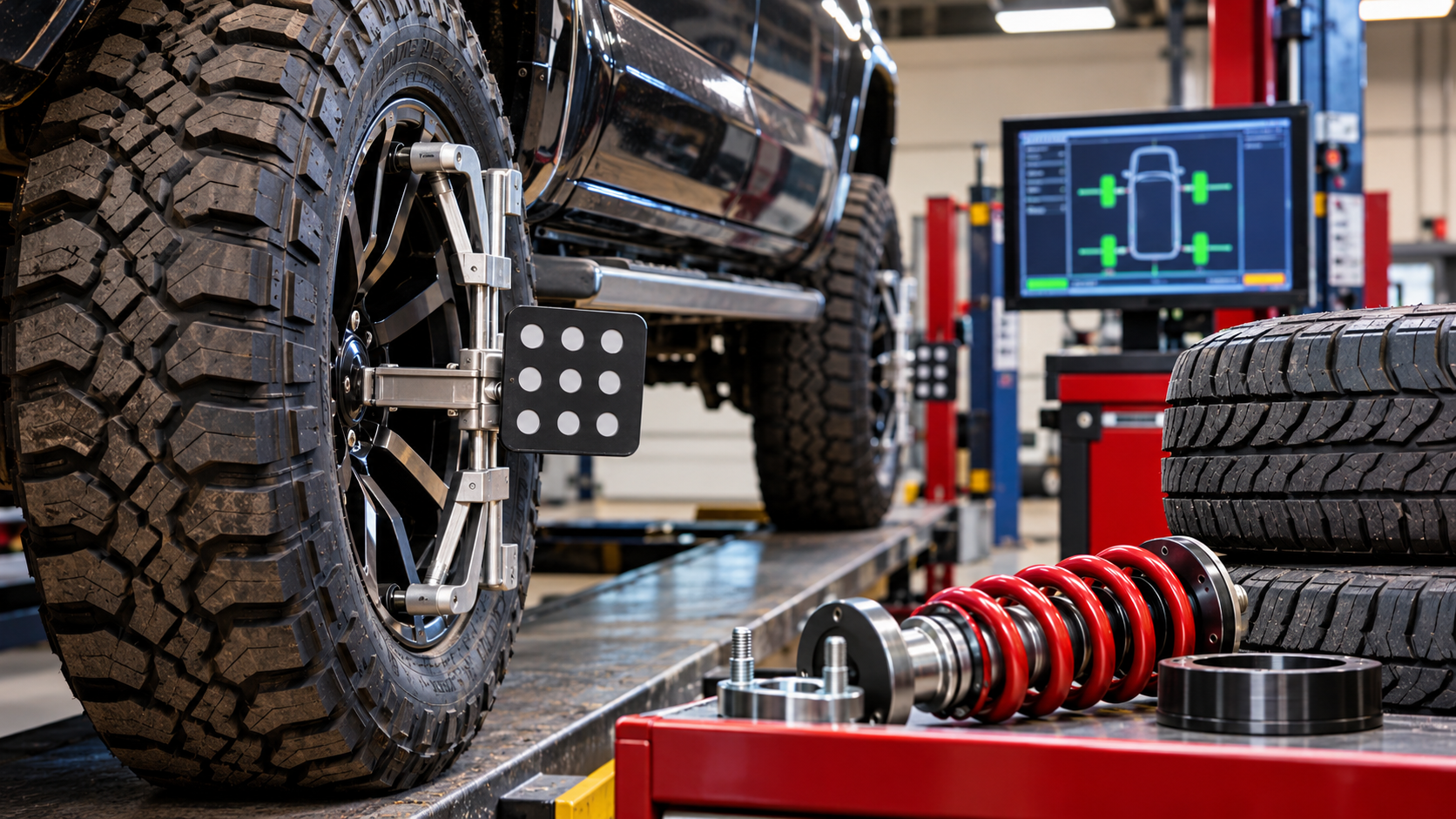
Proper vehicle maintenance matters as well. Issues involving suspension components, balancing problems, or wheel alignment services can place unnecessary stress on tires and contribute to premature aging.
Many drivers underestimate the relationship between alignment and tire longevity. Proper alignment helps distribute forces evenly across the tire surface, reducing unnecessary strain and extending usable life.
Why Professional Tire Inspections Become More Important After Five Years
As tires move beyond the five-year mark, professional inspections become increasingly valuable.
A trained technician can identify signs of deterioration that may not be obvious to the average driver. Sidewall cracking, irregular wear, age-related hardening, and other indicators can often be detected before they become serious safety concerns.
At The Wheel Shop, inspections frequently reveal issues that vehicle owners did not realize existed. Tires that appear acceptable during a quick visual check sometimes exhibit age-related damage requiring replacement.
These inspections also provide an opportunity to evaluate related systems such as alignment and wheel balancing, suspension components, and overall tire condition. Because multiple vehicle systems influence tire performance, a comprehensive assessment provides a more complete picture of safety and reliability.
Frequently Asked Questions
Tire age can be confusing because visible tread depth does not always reflect overall tire health. The following questions address some of the most common concerns drivers have regarding aging tires.
How many years should tires typically last?
While usage, storage conditions, climate, and maintenance all influence lifespan, many experts recommend close inspections beginning around five years and serious evaluation for replacement around six years. Some tires may remain serviceable longer, while others may require earlier replacement depending on environmental exposure and condition.
Are garage-kept vehicles protected from tire aging?
Garage storage can slow aging by reducing exposure to sunlight and extreme temperatures. However, it does not stop the natural oxidation and chemical breakdown that occurs as tires age. Tires stored indoors still require regular age-based evaluation.
Should all four tires be replaced if they are six years old?
Not necessarily. Each tire should be evaluated individually. However, if all four tires were installed at the same time and are approaching six years of age, replacement of the entire set is often the safest and most practical approach.
The Wheel Shop Difference
For more than twenty years, we have helped drivers throughout Riverside make informed decisions about their wheels, tires, and vehicle performance. At The Wheel Shop, we understand that tire safety involves much more than simply measuring tread depth. Our team evaluates the complete condition of your tires, including age, wear patterns, inflation, alignment, and overall performance.
Our certified mechanics bring years of experience and specialized training to every service. Whether you need tire services, precision wheel alignment experts, wheel repair, suspension work, or aftermarket wheel installation, we take the time to ensure every component is functioning properly and safely.
We also offer a complete range of services including Powdercoating, Tires, Wheel Repair, Alignments, Aftermarket and OEM Wheels, Truck & Car Accessories, Suspension, Calipers, and Chrome Plating. Because these systems work together, our comprehensive approach helps customers achieve better performance, improved safety, and longer-lasting results.
If you are unsure about the age or condition of your tires, let us help. Contact The Wheel Shop today at (951) 588-1222 or email thewheelshopinc@gmail.com to schedule an inspection. We are committed to helping Riverside drivers stay safe, protect their investment, and enjoy greater confidence behind the wheel.