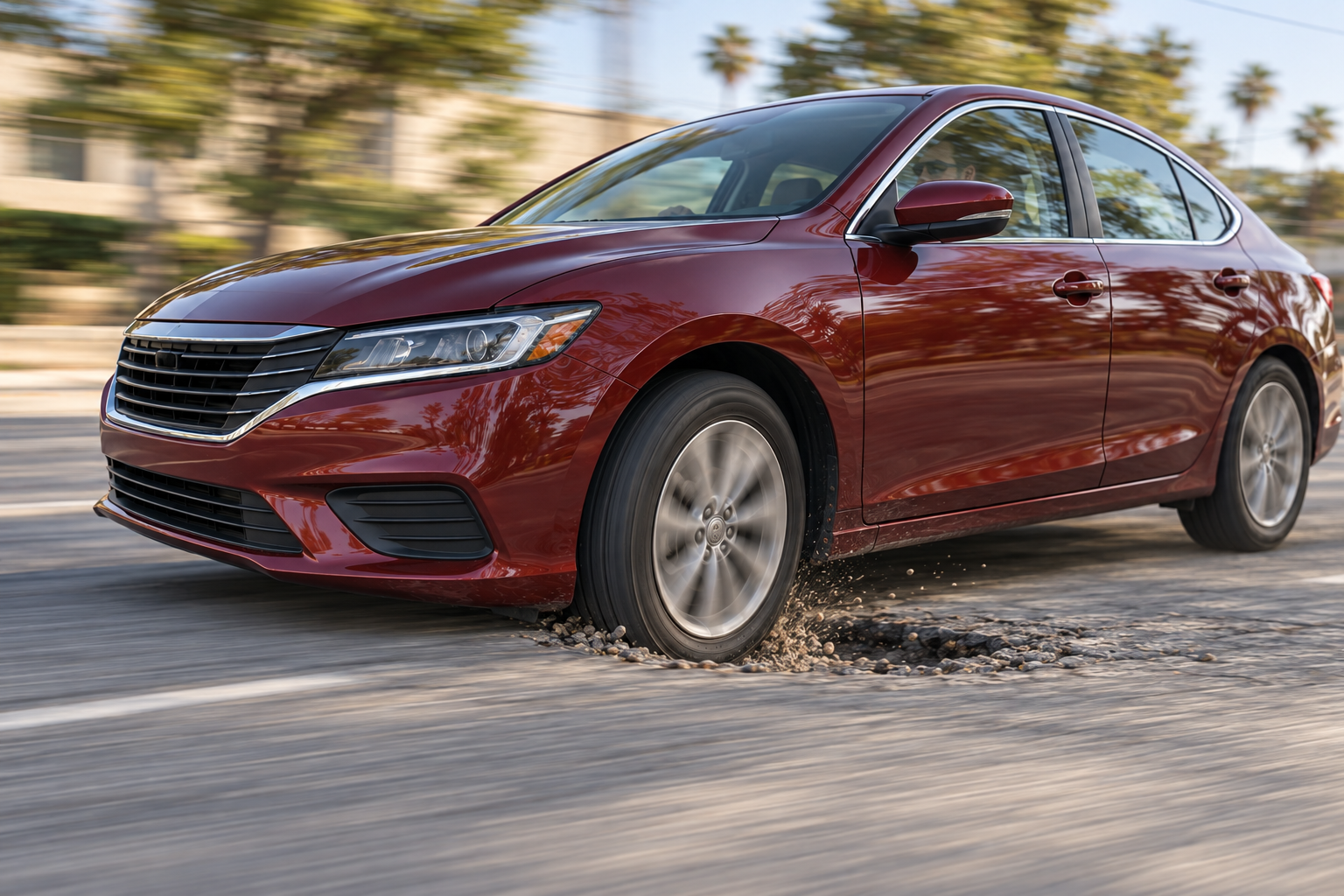
The impact lasts a fraction of a second: your tire drops into a pothole, strikes the edge, and sends a sharp jolt through your vehicle. Once the noise passes, you may wonder whether you escaped with a scare or damaged something important. Even when the tire stays inflated, the wheel underneath it may need attention.
At The Wheel Shop, we help drivers understand what happened and what needs to happen next. A pothole can bend a rim, damage a tire, or affect suspension and alignment. Our approach to wheel repair after pothole damage starts with identifying the actual problem so we can recommend an appropriate solution.
What Happens During the Impact?
Your tire normally cushions the wheel against small road irregularities. A pothole creates a more concentrated impact. As the tire drops into the opening and hits the far edge, its sidewall compresses. If that compression is severe enough, the wheel takes a substantial portion of the force.
The outcome depends on speed, pothole depth, the shape of the edge, tire pressure, vehicle load, and your wheel-and-tire combination. A shallow depression may cause no damage, while a sharp-edged hole can produce a bent wheel or injured tire. At The Wheel Shop, we consider both the impact you describe and the symptoms that follow.
Low-profile tires deserve particular attention because their shorter sidewalls provide less cushioning between the pavement and wheel. That does not mean larger wheels are automatically unsuitable, but your setup should account for the roads you regularly drive.
A Bent Wheel May Be Hidden Behind the Tire
One common result is a bent rim lip, the outer edge of the wheel beside the tire. The impact may also distort the inner barrel, the portion extending behind the visible wheel face. Damage there can be difficult to spot while the wheel remains installed.
A bent rim from pothole impact can prevent the wheel from rotating evenly. Instead of following a consistent path, the assembly may move slightly up and down or side to side. Drivers often notice this as vibration through the steering wheel, seat, or floor, sometimes within a particular speed range.
At The Wheel Shop, our wheel repair services address more than the appearance of the front surface. Evaluating the wheel’s shape and rotation helps us distinguish a repairable bend from more extensive damage. A wheel that looks clean from the outside can still require attention.
Cracks and Air Leaks Can Develop
A strong impact can crack a wheel rather than simply bend it. A crack may occur along the rim edge or another stressed area, including locations hidden behind the tire. Wheel material, design, previous damage, and impact severity all influence how the wheel responds.
Cracks and deformation can also create air leaks. The tire bead seals against the wheel, and damage to that sealing area may allow pressure to escape. Sometimes the loss is immediate; in other cases, you may notice a warning light or find yourself repeatedly adding air over several days.
At The Wheel Shop, we investigate recurring pressure loss rather than assuming the tire has a nail. The wheel, tire, valve assembly, and sealing surfaces all deserve consideration. Repeatedly topping off a leaking tire leaves the underlying problem unresolved and may allow the tire to become dangerously underinflated between checks.
The Tire Can Be Damaged Even If the Wheel Looks Fine
Pothole damage does not always affect the wheel and tire equally. The tire can become pinched between the wheel and pavement, damaging its internal reinforcement. An outward sidewall bulge may indicate this kind of structural injury, even when the tread still looks relatively new.
A tire with a sidewall bulge must be replaced. A bulge is not a cosmetic blemish that can be patched away. Cuts exposing reinforcement and damage from driving while flat also require professional evaluation.
At The Wheel Shop, we evaluate wheels and tires together because correcting one damaged component does not restore the other. Straightening an eligible wheel will not repair broken tire cords. Likewise, installing a new tire on a damaged wheel may leave you with vibration or continued air loss.
The Impact Can Affect Alignment and Suspension
The force of a pothole strike can travel beyond the wheel into steering and suspension components. Depending on the severity, it may alter alignment or damage parts that control wheel position. Warning signs can include new pulling, an off-center steering wheel, clunking, or a change in how the vehicle responds.
However, these symptoms do not establish a diagnosis by themselves. Pulling can involve tire pressure or tire damage, while vibration may come from a distorted wheel, tire injury, or imbalance. The Wheel Shop helps determine which condition is responsible before recommending repairs or adjustments.
Our alignment services are part of that broader approach. Alignment adjusts wheel angles; balancing corrects uneven weight distribution in the rotating assembly. Neither procedure restores a structurally damaged tire or automatically fixes a bent wheel. Damaged or loose components need attention before an alignment can provide a reliable result.
What Should You Do Immediately After Hitting a Pothole?
Keep control of the vehicle and avoid abrupt steering or braking. If you notice a flat tire, severe shaking, unusual handling, or significant noise, move to a safe stopping location as conditions allow. Do not continue driving simply to see whether the symptom disappears.
Once safely parked away from traffic, look for obvious damage without putting yourself beside moving vehicles or crawling underneath the car. A flat tire, visible wheel crack, sidewall bulge, or major steering change warrants roadside assistance rather than driving to the shop. Follow your vehicle’s instructions for any temporary spare.
If there are no urgent symptoms, check tire pressure when safe and arrange an inspection after a substantial impact or any new vibration or pressure loss. NHTSA’s tire safety guidance explains that potholes can cause sudden pressure loss and recommends using the vehicle manufacturer’s specified inflation pressure. The maximum pressure printed on the tire sidewall is not the vehicle’s recommended setting.
How We Determine Whether Repair Is Appropriate
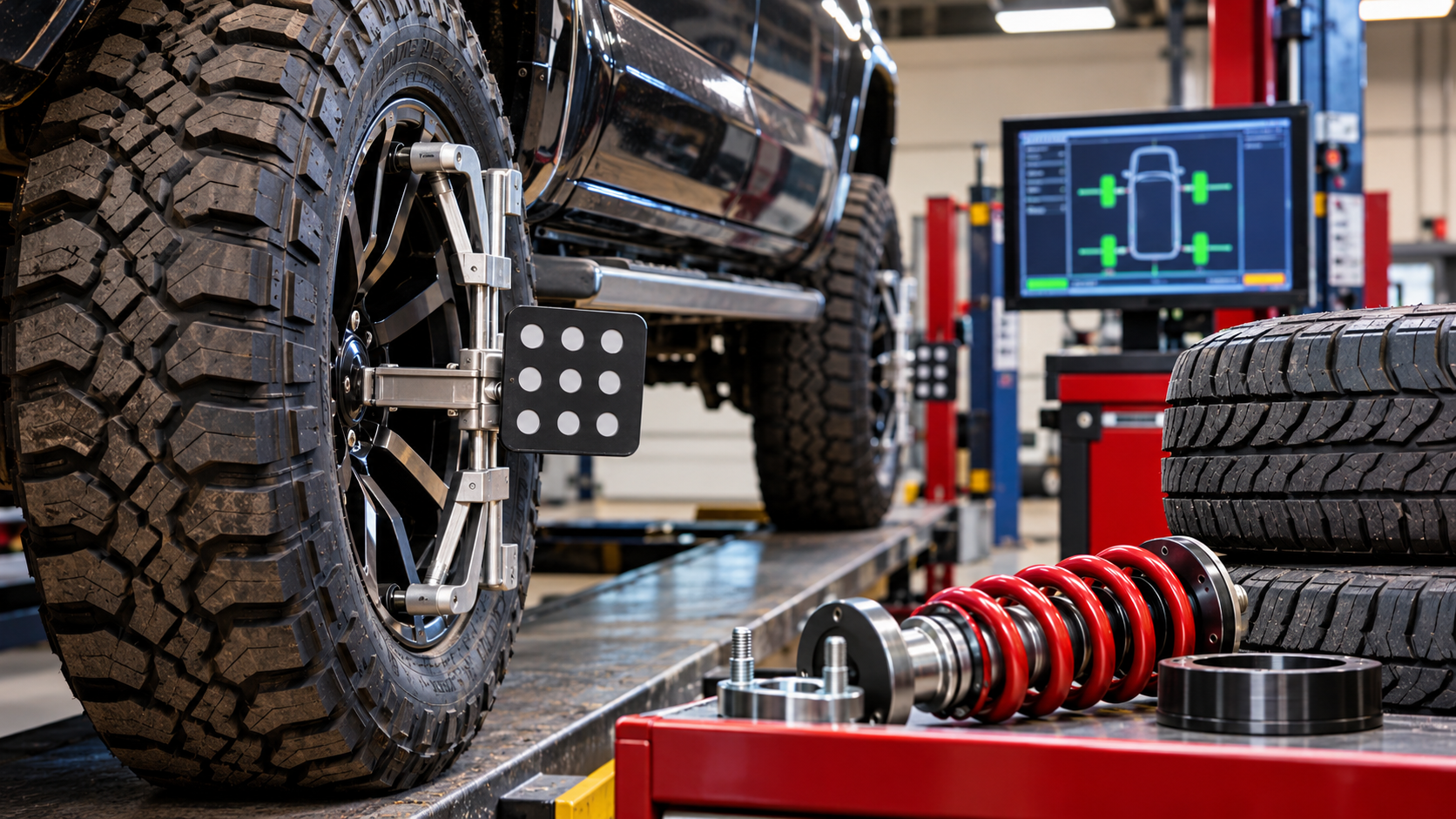
At The Wheel Shop, we start with what changed after the impact. Tell us which wheel hit the pothole, whether pressure dropped, and when vibration or pulling appears. Those details help guide an inspection of the wheel, tire, and related components.
For bent rim repair, the decision depends on the wheel’s construction, damage location, extent of deformation, and applicable manufacturer guidance. Some bends may be suitable for professional correction. Severe deformation, certain cracks, damage around mounting areas, or other structural concerns may make replacement the appropriate choice. No responsible recommendation should assume every wheel can be repaired.
We also distinguish structural work from cosmetic restoration. Refinishing or powdercoating can improve an eligible wheel’s appearance, but a fresh finish does not correct a bend or establish structural safety. We explain the recommended work and any remaining tire, balance, or alignment needs so the repair addresses the complete problem.
Preventing Additional Damage After the First Hit
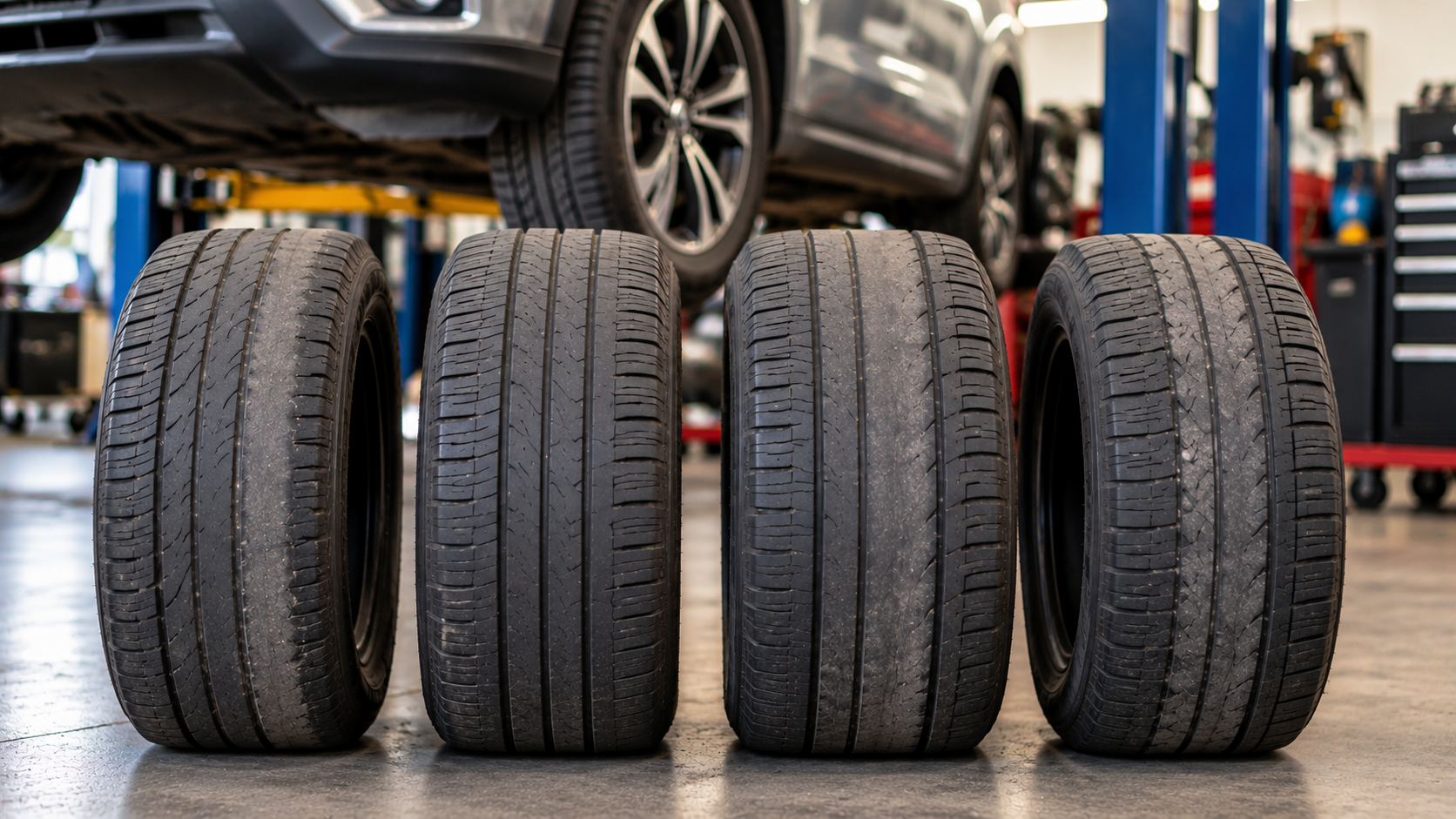
Continuing to drive with a damaged wheel or tire can turn one problem into several. A leak can lead to underinflated operation, vibration may persist, and alignment problems can contribute to uneven tread wear. Addressing the symptoms promptly helps protect the surrounding components and your investment in tires.
Prevention also starts before the next pothole. Maintain the correct cold tire pressure, avoid overloading, leave enough following distance to see road hazards, and reduce speed when conditions require it. Never swerve into another lane or create a collision risk to avoid a hole.
If pothole damage becomes a recurring issue, The Wheel Shop can help review your wheel-and-tire combination. Wheel diameter, tire sidewall height, load capacity, and vehicle clearance all matter. A replacement setup should suit your vehicle and driving routine while preserving the appearance you want.
Frequently Asked Questions
Pothole damage can be confusing because different problems produce similar symptoms. These answers explain when professional rim repair services or further inspection may be needed.
Can I Keep Driving With a Slightly Bent Wheel?
The word “slightly” does not establish whether a wheel is safe. Damage location, tire condition, pressure retention, and vibration all matter. Arrange an inspection rather than judging by appearance. If you have severe shaking, pressure loss, a bulge, or visible structural damage, stop safely and arrange assistance.
Why Does My Vehicle Vibrate After Hitting a Pothole?
Possible causes include a bent wheel, internal tire damage, or a balance problem. Steering and suspension damage may also contribute. At The Wheel Shop, we inspect the assembly and related components so we can identify the cause rather than assuming a routine balance will solve it.
Does Every Pothole Strike Require an Alignment?
No. An impact does not automatically change alignment. However, new pulling, an off-center steering wheel, or unusual tire wear deserves evaluation. We check for tire, wheel, and suspension problems before determining whether an alignment adjustment is appropriate.
Is Repairing a Wheel Always Less Expensive Than Replacing It?
Not necessarily. Costs depend on damage severity, wheel construction, finish, and replacement availability. Safety and manufacturer guidance come first. We help compare suitable repair and replacement options, including any tire work needed, so you understand the complete recommendation.
The Wheel Shop Difference
A pothole strike can leave you uncertain about more than your wheel’s appearance. At The Wheel Shop, we bring over twenty years of industry experience to helping Riverside drivers understand wheel and tire problems. We focus on identifying damage and explaining practical options clearly.
Our certified mechanics bring years of experience, specialized training, and industry certifications to every repair and installation. Whether you need wheel repair in Riverside, tire replacement, alignment, or suspension attention, we consider how the affected components work together.
Our services include wheel repair, tires, alignments, aftermarket and OEM wheels, suspension, and truck and car accessories. We also offer powdercoating, caliper services, and chrome plating. If replacement is appropriate, we can help you choose a compatible wheel that supports your vehicle’s requirements and preferred style.
If a pothole has left you with vibration, pressure loss, or visible damage, contact The Wheel Shop to discuss an inspection. Call (951) 588-1222 or email save@thewheelshopinc.com. We are here to help you understand the damage and take the right next step.