Modern vehicles are engineered to provide a balanced driving experience straight from the factory, but many drivers eventually notice that “balanced” does not always mean “ideal” for their specific roads, commute, or comfort preferences. Suspension upgrades are one of the most effective ways to refine how a vehicle feels and responds in everyday conditions. For customers working with The Wheel Shop, understanding what these upgrades actually change can help clarify whether they are worth considering and what benefits they realistically provide.
Suspension systems are responsible for managing how a vehicle interacts with the road surface. This includes absorbing bumps, controlling body movement during turns, maintaining tire contact with the pavement, and stabilizing braking and acceleration forces. Even small changes to components such as shocks, struts, springs, and sway bars can significantly influence ride quality and handling. According to the National Highway Traffic Safety Administration, properly maintained suspension systems are essential for vehicle control and safety, especially during emergency maneuvers and uneven road conditions. Understanding these fundamentals helps drivers make more informed decisions about upgrades.
How Suspension Systems Influence Everyday Driving
Suspension systems are not only about performance driving or off-road capability. In everyday use, they determine how comfortable a commute feels, how stable a vehicle is at highway speeds, and how confidently it handles sudden road imperfections. Factory suspension setups are typically designed to accommodate a wide range of drivers and conditions, which often means compromises between comfort, durability, and responsiveness.
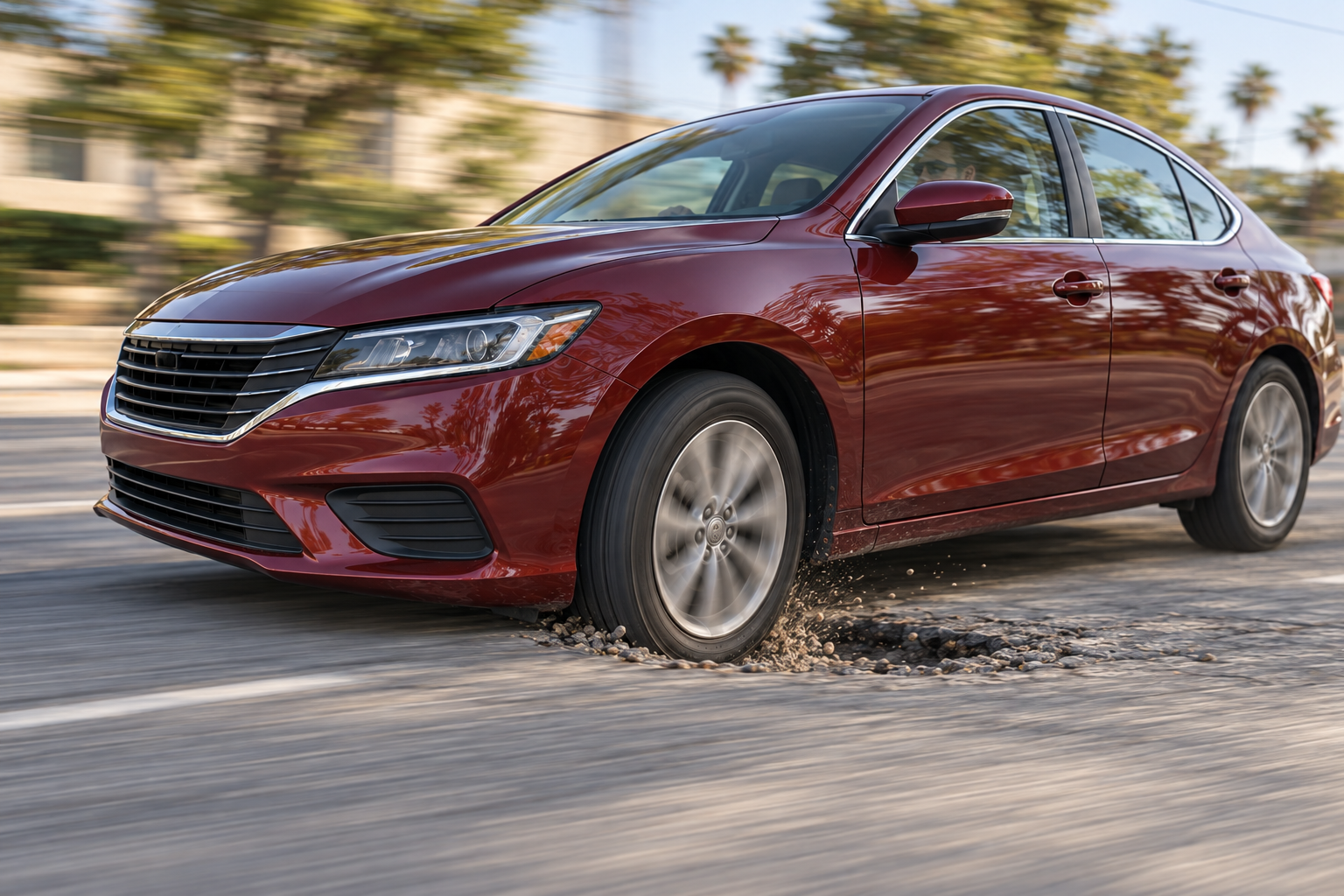
When a vehicle hits a pothole or uneven pavement, components like shocks and struts control how quickly the vehicle settles after impact. Worn or basic factory components may allow excessive bouncing or body movement, which can make driving feel less controlled.
At The Wheel Shop, we often explain to customers that suspension is one of the most “felt” systems in a vehicle. Unlike engine modifications that focus on power output, suspension upgrades immediately change how the driver experiences the road. This makes them particularly relevant for daily commuters, families, and drivers who spend significant time behind the wheel.
What Suspension Upgrades Actually Change
Suspension upgrades typically involve replacing or enhancing key components such as shocks, struts, springs, control arms, and sway bars. Each part plays a specific role in how the vehicle behaves. Shocks and struts manage damping, springs support vehicle weight and determine ride height, and sway bars reduce body roll during cornering.
Upgrading these components can change multiple aspects of driving behavior at once. For example, performance-oriented shocks may reduce excessive bouncing and improve stability during lane changes, while comfort-focused springs may soften harsh impacts from rough roads. Even small adjustments can improve tire contact with the road, which directly affects braking and steering responsiveness.
Edmunds notes that suspension modifications should be selected based on real driving conditions and daily use rather than visual appeal alone. This is especially important for drivers who prioritize everyday comfort, safety, and practicality over track-level performance.
At The Wheel Shop, we help drivers understand that upgrades are not one-size-fits-all. A commuter driving primarily on city streets may benefit from a different setup than someone regularly traveling on highways or rural roads. The goal is always to improve drivability without sacrificing reliability or comfort beyond what the driver is willing to trade.
Everyday Driving Benefits of Suspension Upgrades
One of the most noticeable benefits of suspension upgrades is improved ride comfort. Roads are not perfectly smooth, and suspension systems must constantly absorb imperfections. Upgraded components can reduce the harshness of impacts, making long drives less fatiguing. This is particularly valuable for drivers who commute daily or spend extended periods in their vehicles.
Another key benefit is improved handling stability. When a vehicle corners, weight shifts to the outside of the turn. Better suspension components can reduce excessive body roll, helping the vehicle feel more planted and predictable. This does not necessarily make the vehicle “faster,” but it does make it feel more controlled, which can increase driver confidence.
Safety is also an important consideration. Better tire contact with the road improves braking consistency and steering response. While suspension upgrades are not a substitute for safe driving practices, they can enhance a vehicle’s ability to respond predictably in sudden situations. After all, vehicle stability and control systems are crucial for reducing crash risk.
At The Wheel Shop, we frequently see customers who initially seek upgrades for comfort but quickly notice improvements in confidence and control as well. These combined effects are what make suspension work one of the most impactful modifications for everyday driving.
Ride Quality Versus Performance Tradeoffs
One of the most important considerations in suspension upgrades is the balance between ride comfort and performance. These two characteristics often work in opposition. A very soft suspension may feel comfortable on smooth roads but can feel unstable during aggressive maneuvers. A very firm suspension may improve handling but can increase road harshness in daily driving.
Performance-oriented setups typically reduce suspension travel and stiffen damping. This improves responsiveness but may transmit more road texture into the cabin. Comfort-oriented upgrades, on the other hand, prioritize absorption of bumps and vibrations, sometimes at the expense of sharp handling precision.
At The Wheel Shop, we guide customers through this decision by focusing on real-world usage. A vehicle used primarily for commuting, school runs, or highway travel typically benefits from a comfort-biased setup, while enthusiasts or drivers with winding-road routes may prefer a more performance-oriented feel. The key is ensuring that the final setup matches how the vehicle is actually used rather than how it looks or feels in isolation.
Types of Suspension Upgrades for Daily Drivers
There are several common categories of suspension upgrades, each designed to achieve specific outcomes. Shock and strut replacements are among the most common and provide immediate improvements in damping performance. These upgrades alone can restore or enhance ride quality without significantly changing vehicle height or geometry.
Spring upgrades are another option and can slightly raise or lower ride height depending on the goal. Lowering springs may improve handling by reducing body roll, while comfort springs may soften impact absorption. Coilover systems combine shocks and springs into an adjustable unit, allowing for fine-tuning of ride height and stiffness.
Sway bar upgrades are often used to reduce body lean during cornering. These components are especially effective for drivers who feel their vehicle leans too much in turns but do not want to compromise overall ride comfort. When combined with other upgrades, sway bars can create a more balanced and controlled driving experience.
Choosing the right combination depends heavily on driving habits, road conditions, and vehicle type. There is no universal solution, which is why professional guidance is often recommended.
Installation, Alignment, and Long-Term Considerations
Proper installation is critical for suspension upgrades to perform as intended. Even high-quality components will not deliver expected results if installed incorrectly. Torque specifications, component compatibility, and system balance all play a role in final performance.
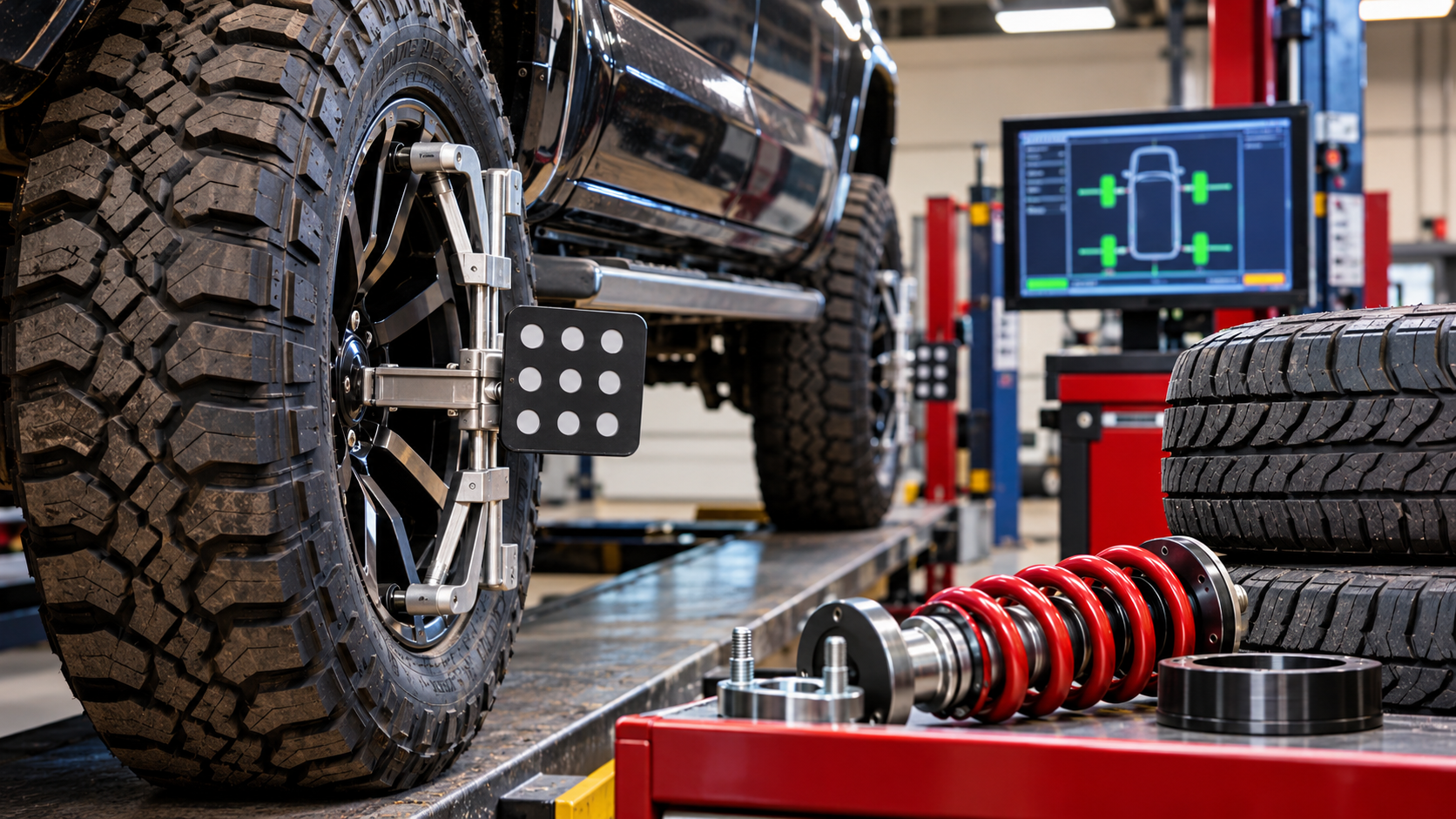
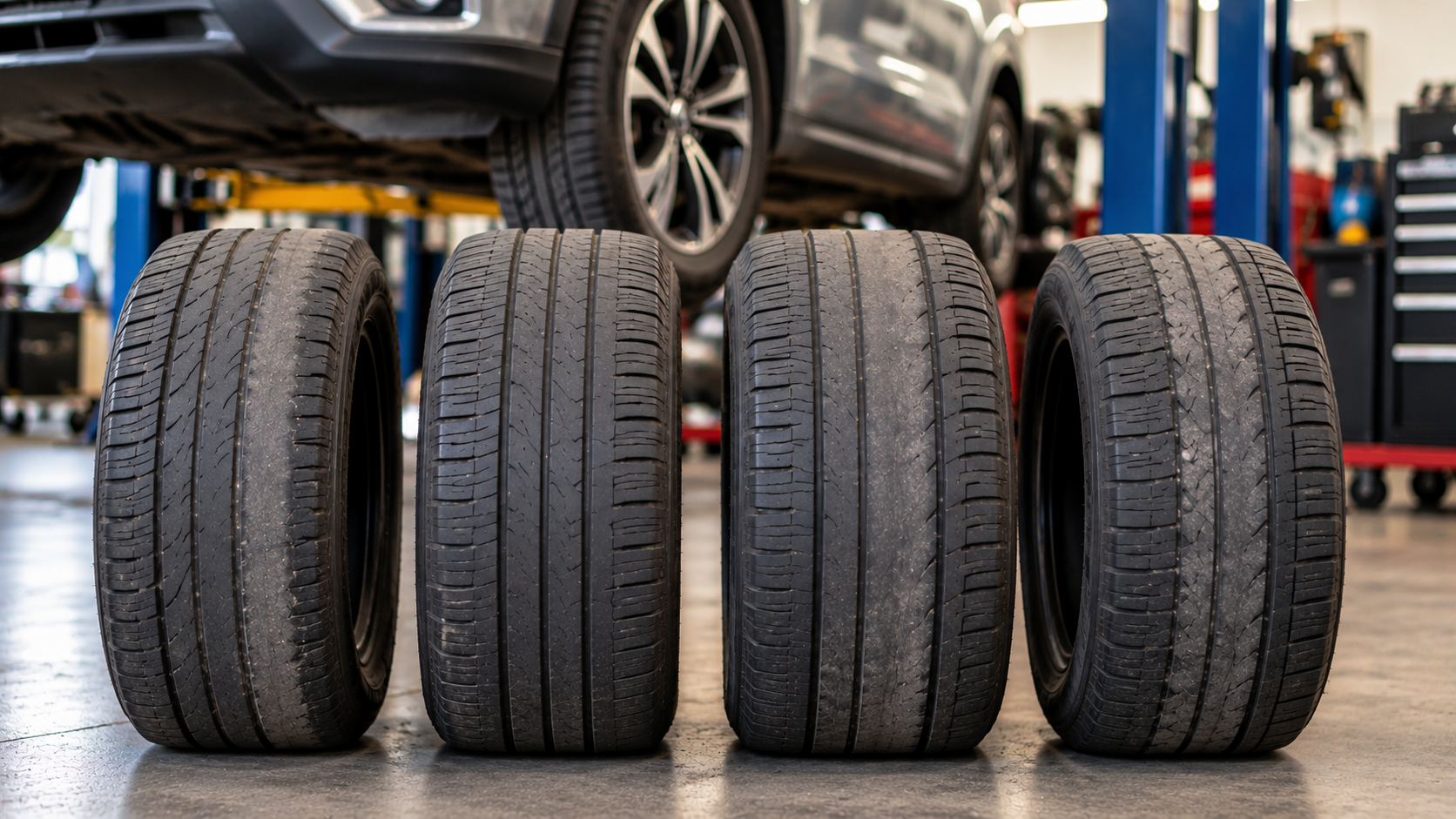
Wheel alignment is another essential step after any suspension modification. Changes in ride height or component geometry can alter alignment angles such as camber, caster, and toe. Incorrect alignment can lead to uneven tire wear, reduced fuel efficiency, and compromised handling. Many automotive experts, including those referenced by AAA, emphasize the importance of alignment checks after suspension work.
Long-term maintenance should also be considered. Upgraded suspension components may experience different wear patterns depending on their stiffness and design. Regular inspections help ensure continued performance and safety over time.
At The Wheel Shop, we emphasize that suspension upgrades are not a one-time change but part of an ongoing system that should be maintained like any other critical vehicle component.
How The Wheel Shop Helps Drivers Choose the Right Setup
Selecting suspension upgrades can feel overwhelming due to the number of available options and varying performance characteristics. The Wheel Shop works directly with customers to match suspension solutions to real-world driving needs. This includes evaluating vehicle type, daily driving conditions, load requirements, and comfort preferences.
We often find that customers are surprised by how much improvement is possible without making extreme changes. In many cases, a well-chosen set of shocks or struts can transform how a vehicle feels without requiring a full suspension overhaul. The goal is always to improve drivability, safety, and confidence while maintaining reliability. Suspension upgrades are most effective when they are selected thoughtfully rather than aggressively.
Frequently Asked Questions
What is the most noticeable improvement after suspension upgrades?
The most noticeable improvement is typically ride quality and vehicle stability. Drivers often report reduced bouncing over bumps, smoother highway travel, and improved confidence when cornering or braking. These changes are especially noticeable on older vehicles or those with worn factory suspension components.
Do suspension upgrades affect fuel efficiency?
In most cases, suspension upgrades have a minimal direct impact on fuel efficiency. However, improper alignment after installation can increase rolling resistance and tire wear, which may indirectly affect efficiency. Maintaining proper alignment ensures that efficiency remains consistent.
How long do upgraded suspension components last?
Longevity depends on the type of component, driving conditions, and maintenance habits. High-quality shocks and struts can last many years under normal driving conditions, while performance-oriented parts may experience faster wear depending on stiffness and road conditions.
Are suspension upgrades worth it for daily commuting vehicles?
Yes, in many cases they are. Even modest upgrades can significantly improve comfort, reduce driver fatigue, and enhance safety by improving vehicle stability. The key is selecting components that match daily driving needs rather than extreme performance goals.
The Wheel Shop Difference
At The Wheel Shop, we’ve spent over twenty years perfecting the art of the wheel. Whether you’re looking for a custom suspension setup to make your EV stand out in Riverside, or you need precision wheel reconditioning after a run-in with a curb, we’ve got the expertise to help.
With more than twenty years of experience serving drivers in Riverside, California, The Wheel Shop team specializes in matching the right wheels to each vehicle’s specifications, driving habits, and performance goals. Their services extend beyond installation to include specialty wheel and rim repair, caliper and wheel powder coating, custom suspension installations, and precision alignments. By addressing every aspect of the upgrade process, The Wheel Shop ensures that your investment not only enhances visual appeal but also delivers measurable improvements in performance, longevity, and overall return on investment.
Ready to transform your ride? For expert advice and a wide selection of Aftermarket Wheels & Tires, contact us today. Let’s find the perfect wheels to lift your driving experience.
We are passionate about equipping your vehicle with the right tires for your needs in Riverside, CA, and beyond.
Explore our expert wheel and tire services today and experience the difference of a proper tire fitment.