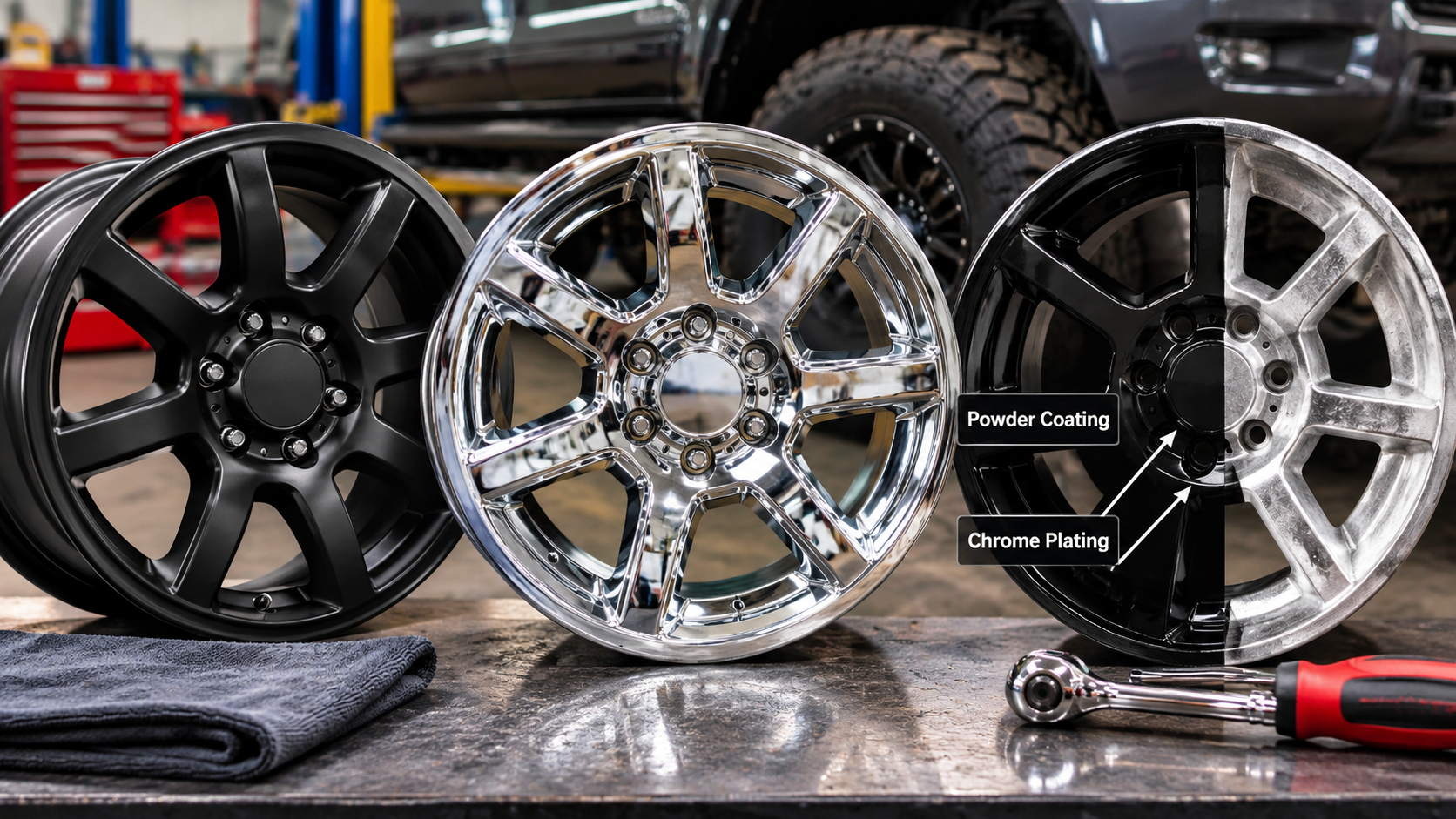
Choosing a wheel finish is easy when appearance is the only consideration. The decision becomes more complicated when you start thinking about what happens after thousands of miles of driving, repeated washing, brake dust, road debris, heat, moisture, and everyday wear. The finish that looks best in a showroom is not necessarily the finish that will be easiest to maintain on a daily-driven truck, SUV, or performance vehicle.
Powder coating, chrome, and other plated finishes can all produce impressive results, but they accomplish that result in very different ways. Those differences affect durability, maintenance requirements, repairability, appearance, and how well the finish fits a particular vehicle. There is no single finish that is automatically best for every wheel or every driver.
At The Wheel Shop, we work with customers who want everything from subtle factory-style finishes to dramatic custom wheels. Understanding how each finishing process works can help you choose something that not only looks right when the wheels leave the shop, but continues to complement your vehicle for years to come.
Why the Wheel Finish Matters More Than Appearance
A wheel finish creates the visual character of a wheel, but it also serves as a protective surface. Wheels operate in an unusually demanding environment. They sit close to hot brakes, encounter water and road contaminants, collect abrasive brake dust, and can be struck by gravel and other debris. Even normal washing exposes the finish to cleaners, brushes, and repeated contact.
The condition of the underlying wheel matters as well. Corrosion, curb damage, peeling finishes, and previous repairs may need to be addressed before refinishing begins. A beautiful new surface cannot compensate for poor preparation underneath it. That is one reason professional wheel refinishing involves considerably more than changing the wheel’s color.
Your driving habits should therefore influence the finish you select. A daily driver that accumulates substantial mileage has different needs from a weekend show car. An off-road truck has different exposure than a luxury sedan. Even where the vehicle is stored and how frequently the owner wants to clean the wheels can influence which finish makes the most sense.
Powder Coating: A Durable and Versatile Choice
Powder coating rims has become popular because it combines durability with tremendous design flexibility. Unlike conventional liquid paint, powder coating begins with a dry powder that is electrostatically applied to a properly prepared metal surface. The coated component is then cured under controlled heat, allowing the material to form a durable, bonded finish.
The electrostatic spray deposition attracts charged powder particles to a grounded part before heat curing creates a highly cross-linked coating. The organization also notes that properly applied powder coatings offer resistance to impacts, moisture, chemicals, ultraviolet exposure, abrasion, corrosion, and other forms of wear.
For wheels, those characteristics are particularly useful. A properly prepared and professionally coated wheel receives a continuous protective finish across its prepared surfaces. That can make powder coating an excellent option for drivers who want a finish capable of handling regular road use without requiring constant attention.
Powder coating also gives owners considerable freedom to personalize their vehicles. Black remains one of the most popular options, but customers are not limited to it. Different colors, gloss levels, textures, and specialty effects can create anything from an understated OEM-inspired appearance to a completely customized look. Searches for finishes such as black powder coat wheels, white powder coat wheels, and other custom colors reflect just how broad the possibilities have become.
Where Powder Coating Really Excels
For many daily-driven vehicles, durability is the strongest argument for powder coating. The Powder Coating Institute specifically identifies vehicle rims among products exposed to demanding conditions where powder coating’s resistance to moisture, chemicals, UV exposure, and physical wear can be valuable.
Maintenance is another advantage. Powder-coated wheels still need routine cleaning, but a sound finish generally does not require polishing to maintain its basic appearance. Washing away brake dust and contaminants before they accumulate heavily can go a long way toward keeping the wheels looking fresh.
Powder coating is also useful during wheel restoration. If older wheels have cosmetic wear, deteriorated paint, or an outdated color, refinishing can dramatically change their appearance without requiring the owner to purchase an entirely new set. Depending on wheel condition, restoration may involve stripping the existing finish, addressing appropriate damage, preparing the surface, and applying the new coating.
However, powder coating is not indestructible. Hard curb impacts and sharp debris can still damage it, and poor surface preparation can undermine even a high-quality coating material. The durability of the finished wheel depends heavily on preparation, application, curing, and the condition of the wheel itself.
Chrome: Maximum Shine With a Distinctive Character
Chrome occupies a very different place in wheel styling. Where powder coating can range from subtle to bold, chrome is intentionally reflective. A quality chrome wheel creates the bright, mirror-like appearance associated with classic cars, custom trucks, luxury builds, and many distinctive aftermarket styles.
Chrome is not simply silver-colored paint. Decorative chromium electroplating involves depositing metallic layers onto the underlying surface through an electrochemical process. The decorative applications commonly involve a nickel layer followed by a relatively thin chromium layer, producing characteristics such as high reflectivity, tarnish resistance, corrosion resistance, wear resistance, and scratch resistance.
That layered construction helps explain why quality chrome plating wheels have a depth and reflectivity that ordinary silver paint cannot duplicate. Light interacts with the polished metallic surface differently, giving chrome its unmistakable appearance.
For customers specifically seeking brilliant shine, chrome can be difficult to replace aesthetically. It can look particularly appropriate on certain luxury vehicles, classic cars, large trucks, SUVs, and custom builds where the wheels are intended to become a major visual feature.
Chrome Requires More Attention to Maintenance
The tradeoff for chrome’s distinctive appearance is that owners need to pay attention to its condition. Brake dust, road grime, mineral deposits, and contaminants become more obvious on a highly reflective wheel. Allowing contamination to remain on the surface for long periods can also make eventual cleaning more difficult.
Chrome should generally be cleaned using products and methods appropriate for plated wheels rather than assuming that every aggressive wheel cleaner is safe. Harsh chemicals and abrasive tools can damage or dull some finishes. Washing regularly and drying the wheels afterward can help reduce deposits and preserve the reflective surface.
Owners should also watch for signs of deterioration, particularly on older wheels. Once a plated finish becomes compromised, moisture can work beneath damaged areas. Bubbling, peeling, pitting, or corrosion around the bead area should not simply be treated as cosmetic annoyances. The wheel may need professional evaluation.
Restoring a chrome wheel can be substantially different from touching up a painted surface because the existing layers and underlying wheel condition must be considered.
Chrome Plating vs. Other Plated Finishes
The word “plating” is sometimes used as though it describes one specific finish, but plating is actually a broader category of processes. Chrome is one plated finish, while other metallic coatings and multilayer finishing systems can produce different colors, appearances, and protective characteristics.
The basic distinction from powder coating is important. Powder coating creates a cured polymer coating over a prepared surface. Electroplating deposits a metallic layer through an electrochemical process. Because the materials and processes are different, their appearance, maintenance requirements, failure modes, and restoration procedures can also differ.
Plated finishes may be the right choice when a customer wants a very specific metallic appearance that powder coating cannot authentically reproduce. Chrome’s mirror-like depth is the clearest example. A silver or chrome-effect powder may create an attractive metallic appearance, but it should not automatically be expected to look identical to genuine chrome plating.
Quality also matters tremendously. The performance of a plated wheel depends on factors including substrate preparation, plating quality, layer integrity, and ongoing care. Choosing plating purely because of appearance without considering how the vehicle is used can lead to unnecessary maintenance later.
Powder Coating vs. Chrome: Which Is More Durable?
There is no useful answer to this question without defining durability. If durability means resistance to everyday scratches, chips, weather exposure, and routine driving conditions with relatively straightforward maintenance, powder coating is often an excellent choice. Properly applied powder coatings are specifically engineered to resist many of those environmental and physical stresses.
If durability means maintaining a distinctive metallic surface while delivering corrosion, tarnish, and wear resistance, professionally applied chrome plating can also perform very well. However, once a plated finish becomes damaged enough to allow deterioration beneath the surface, restoration can become more involved.
The condition and preparation of the wheel can matter as much as the finishing material. Corrosion performance depends on selecting an appropriate pretreatment and coating system for the substrate and intended exposure. In practical terms, a premium finish applied over improperly prepared metal is not automatically a premium result.
For most customers, the better question is therefore not simply, “Which finish lasts longest?” It is, “Which finish is best suited to how I use and maintain my vehicle?”
Maintenance Differences You Will Notice Over Time
Powder-coated wheels are generally appealing to customers who want straightforward maintenance. Routine washing removes brake dust and road contamination, while proper drying helps prevent spotting. Owners should still avoid unnecessarily harsh chemicals, abrasive pads, and careless cleaning practices. Durable does not mean immune to damage.
Chrome tends to reward more frequent attention because contamination is readily visible against the reflective surface. Keeping chrome clean and addressing deposits early helps maintain its appearance. Owners who enjoy detailing their vehicles may not consider this a disadvantage at all. In fact, maintaining the brilliant finish can be part of the appeal.
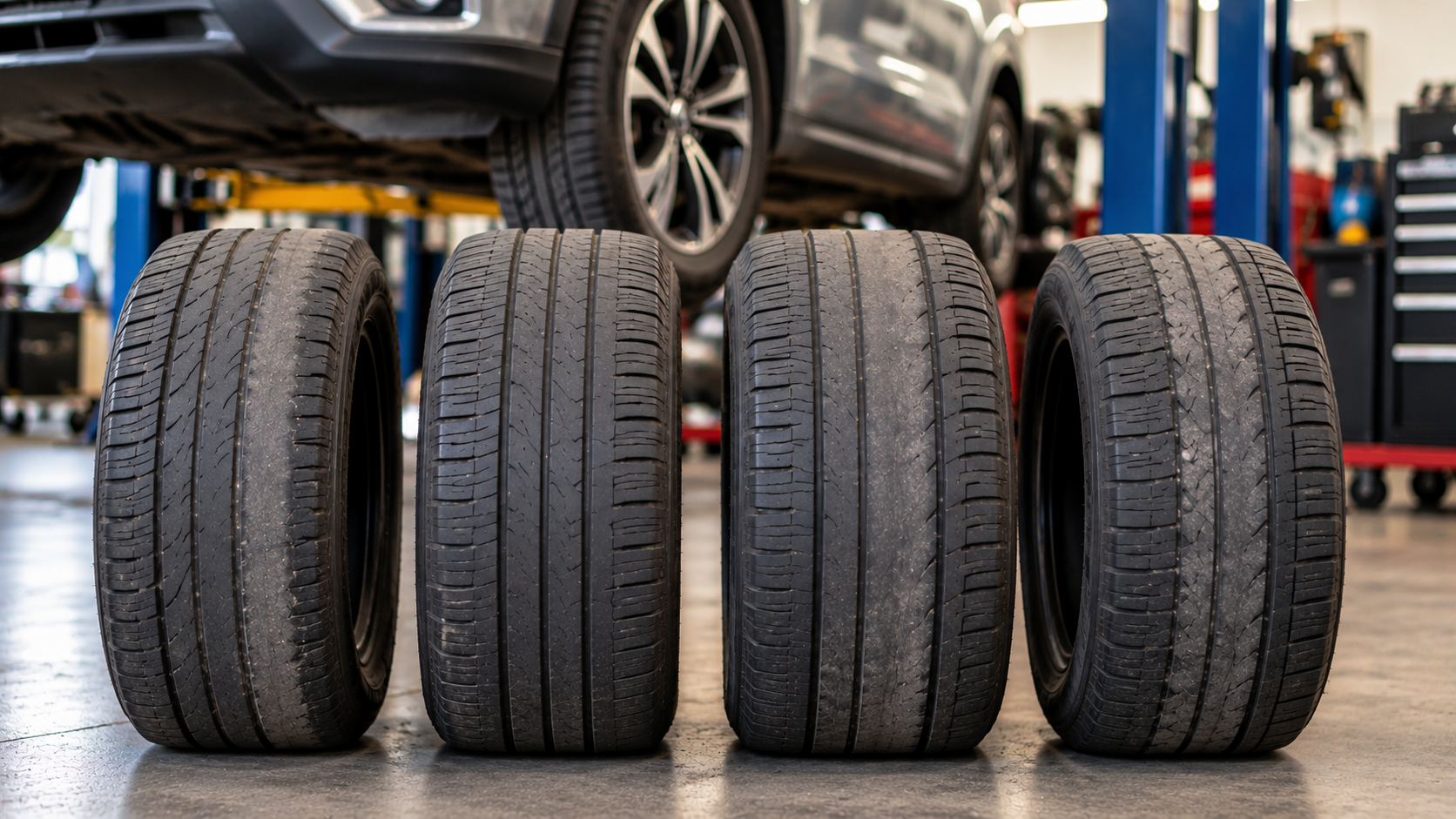
Whatever finish you choose, neglect is rarely a good long-term strategy. Brake dust can contain abrasive material, road grime can hold moisture against surfaces, and damaged areas can worsen when left unattended. Periodic inspection also gives you an opportunity to spot curb damage, cracks, bends, corrosion, or other problems that may require wheel repair services rather than cosmetic cleaning alone.
When Powder Coating Makes the Most Sense
Powder coating is particularly attractive for daily drivers, performance vehicles, trucks, SUVs, and custom builds where the owner wants a durable finish with extensive color options. It is also a strong choice when restoring wheels whose original cosmetic finish has become worn or dated.
Powder coating can also make sense when owners want a substantial visual transformation. Changing silver factory wheels to satin black, gloss black, bronze, gray, white, or another carefully selected finish can change the personality of the entire vehicle without replacing the wheels.
When Chrome or Plating Makes the Most Sense
Chrome is the stronger candidate when its specific visual effect is central to the build. A customer who wants authentic mirror-like chrome generally should not choose another finish simply because it requires less upkeep. The substitute may never deliver the appearance that motivated the project in the first place.
Classic vehicles, luxury builds, custom trucks, cruisers, and certain OEM restoration projects can particularly benefit from chrome. On the right vehicle, a bright finish creates contrast and visual depth that works with the overall design rather than simply drawing attention to the wheel.
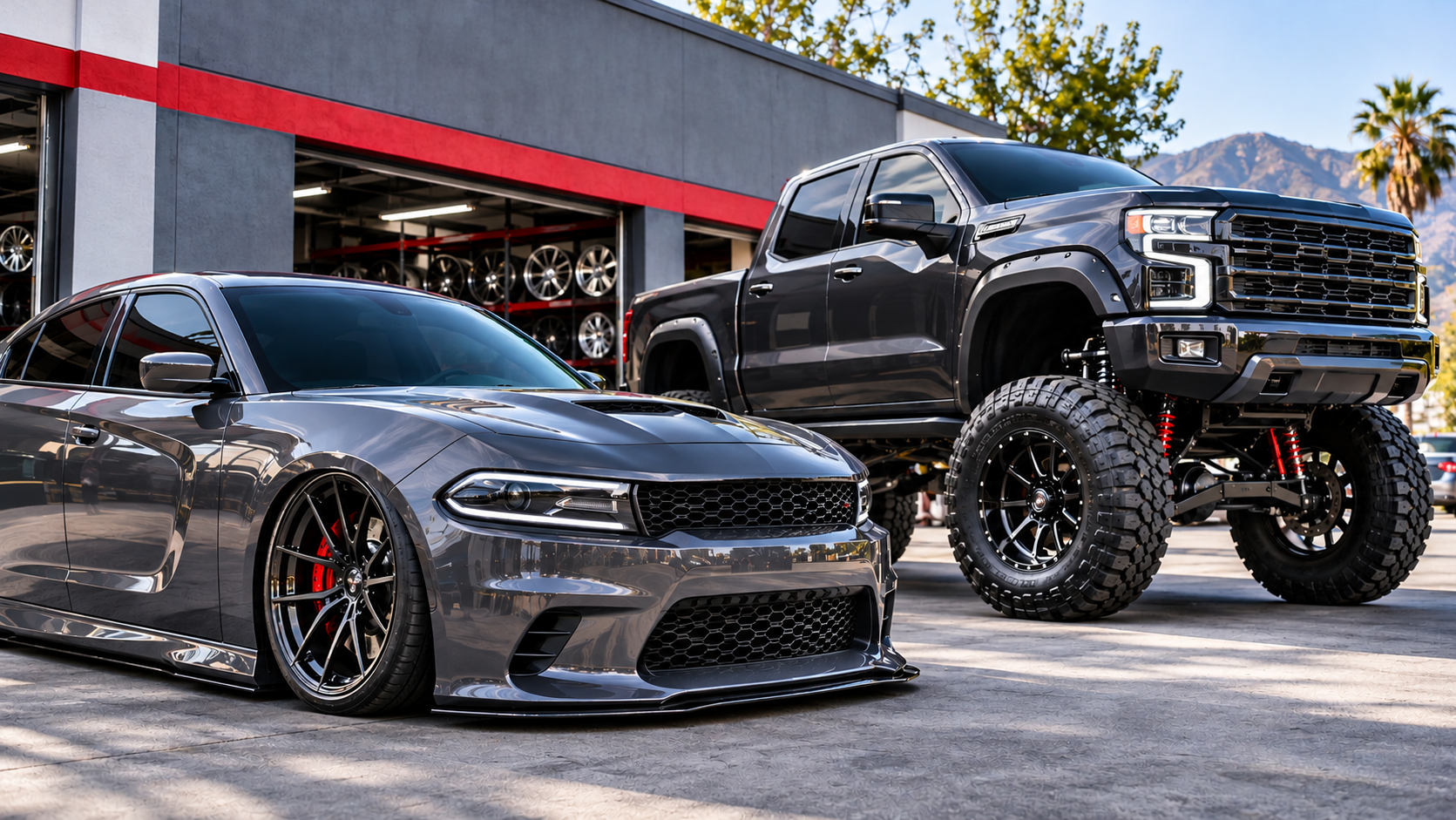
Other plated finishes may make sense when restoration accuracy or a particular metallic aesthetic is the priority. The key is evaluating the complete project rather than selecting a finish from a sample alone. Wheel design, vehicle color, tire profile, suspension height, intended use, and maintenance expectations all affect how successful the finished combination will be.
Do Not Refinish a Wheel Before Evaluating Its Condition
Cosmetic improvement should come after structural evaluation. If a wheel is bent, cracked, heavily corroded, or otherwise damaged, covering it with a beautiful finish does not solve the underlying problem.
Professional aluminum wheel repair, bent rim repair, and wheel straightening may be appropriate for certain types of damage. In other situations, replacement may be the safer or more practical option. The correct approach depends on the location, severity, wheel construction, and overall condition of the damage.
This is particularly relevant when buying used wheels or restoring an older set. Before investing in premium powder coating or plating, it makes sense to determine whether the wheels are suitable candidates for restoration. A professional inspection can prevent you from spending money refinishing a wheel that has a more serious issue.
Frequently Asked Questions
Choosing between powder coating, chrome, and other wheel finishes often comes down to balancing appearance with practical ownership considerations. These are some of the questions customers commonly ask when deciding how to finish or restore their wheels.
Is powder coating better than chrome for daily driving?
For many daily drivers, powder coating is an excellent option because it combines strong resistance to everyday wear with relatively simple maintenance. It is available in many colors and finishes and can withstand normal exposure to brake dust, weather, and road contamination when properly applied and maintained. Chrome can absolutely be used on a daily driver, but owners should be prepared to clean and care for the reflective finish consistently.
Can damaged chrome wheels simply be powder coated?
Sometimes, but the condition of the wheel and existing finish needs to be evaluated first. Deteriorated plating, corrosion, bends, cracks, or other damage may require specific preparation or repair before a new coating can be applied. Proper surface preparation is critical to the performance of any refinished wheel.
Does powder coating prevent wheels from ever corroding?
No finish makes a wheel completely immune to corrosion. Powder coating provides an effective protective barrier when the wheel is properly prepared and the coating remains intact, but severe chips, impacts, improper preparation, or long-term environmental exposure can eventually compromise that protection. Regular inspection is still important.
Should I refinish my wheels or replace them?
That depends on the wheels. If you like the existing wheel design and the wheels are suitable for restoration, wheel refinishing can be an excellent way to update their appearance. If the wheels have serious damage, you want a dramatically different size or style, or your vehicle needs different fitment, aftermarket and OEM wheels may be the better solution. A professional assessment can help determine which approach makes the most financial and practical sense.
The Wheel Shop Difference
For more than twenty years, The Wheel Shop has helped Riverside drivers get more from their wheels, tires, and vehicle customization projects. We understand that choosing a wheel finish is not simply about selecting a color from a chart. The wheel itself, vehicle design, driving conditions, maintenance expectations, and long-term goals all need to be considered before deciding between powder coating, chrome plating, restoration, or replacement.
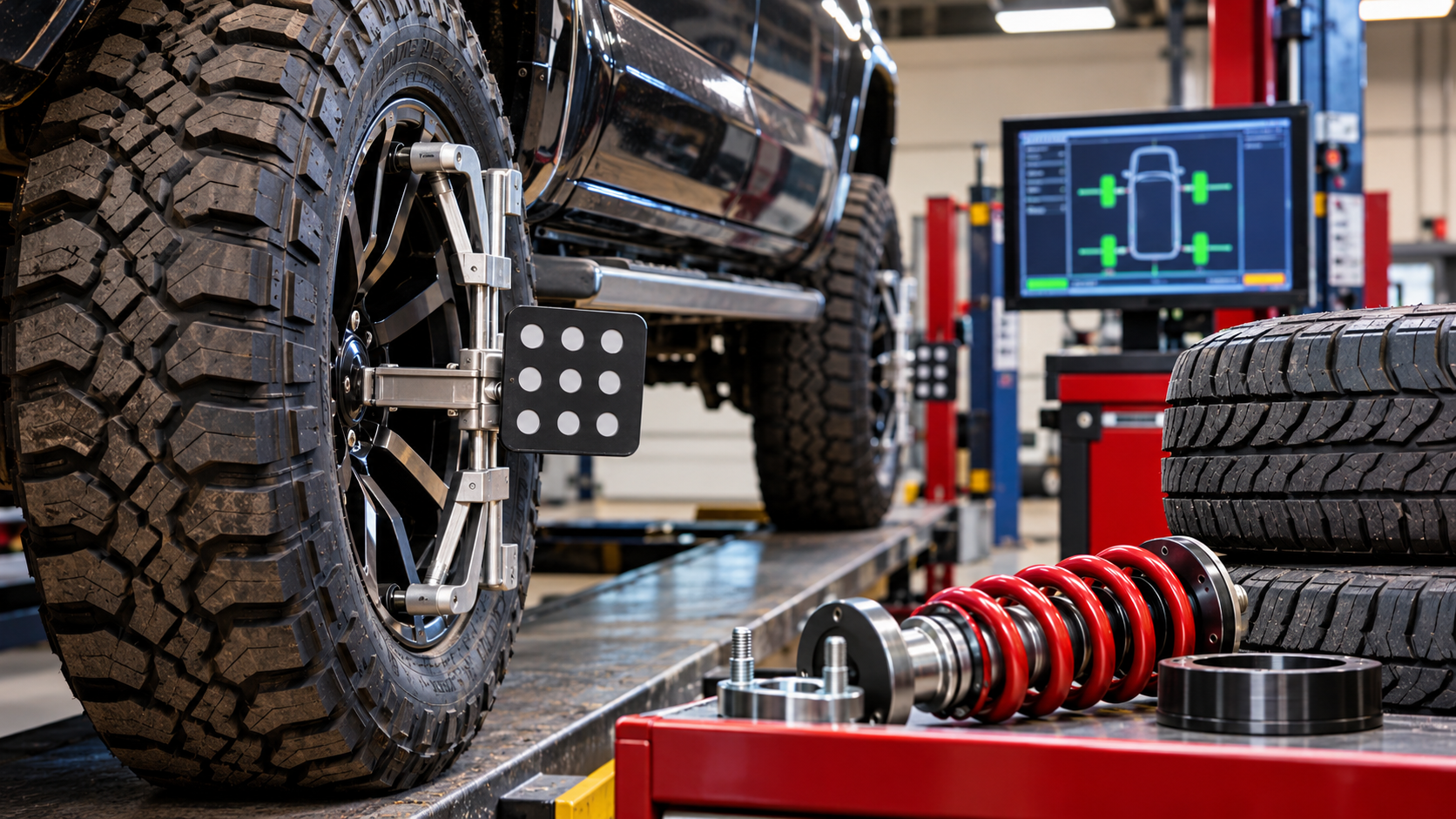
Our certified mechanics bring years of experience, specialized training, and industry expertise to every repair and installation. We offer powder coating, chrome plating, wheel repair, tires, alignments, aftermarket and OEM wheels, suspension, calipers, and truck and car accessories. Having these services in one place allows us to look at the complete vehicle rather than treating the wheel finish as an isolated decision.
Whether you are searching for powder coating rims, chrome plating wheels, wheel restoration, rim repair services, or simply the right wheel shop near me, our goal is to help you choose a solution that makes sense beyond the day it is installed. We can help evaluate your existing wheels, discuss the look you want, and determine which finishing or replacement option best fits the way you actually use your vehicle.
If your wheels are ready for a new look, need restoration, or you are unsure whether powder coating or chrome is the better choice, contact us at (951) 588-1222 or email save@thewheelshopinc.com. Our Riverside team can help you build a wheel and tire combination that delivers the appearance you want with the durability and professional workmanship you expect.