When a vehicle begins to pull to the left or right while driving, it is more than just an inconvenience; it is a warning sign that something in the vehicle’s steering, alignment, or suspension system may not be functioning correctly. Many drivers in Riverside, California, assume the issue is solely related to wheel alignment, but this is not always the case. Both alignment and suspension systems play distinct yet interconnected roles in vehicle handling. Understanding the differences and how each system affects the way a car drives is critical to maintaining safety, prolonging tire life, and avoiding costly repairs.
At The Wheel Shop, we frequently see customers who have attempted to correct pulling issues without fully understanding the underlying cause. Treating the wrong component can lead to persistent handling problems, uneven tire wear, and added repair expenses. By identifying whether the root cause is an alignment problem, a suspension issue, or both, drivers can take the appropriate steps to restore proper performance and ensure safer driving.
Wheel Alignment: What It Is and Why It Matters
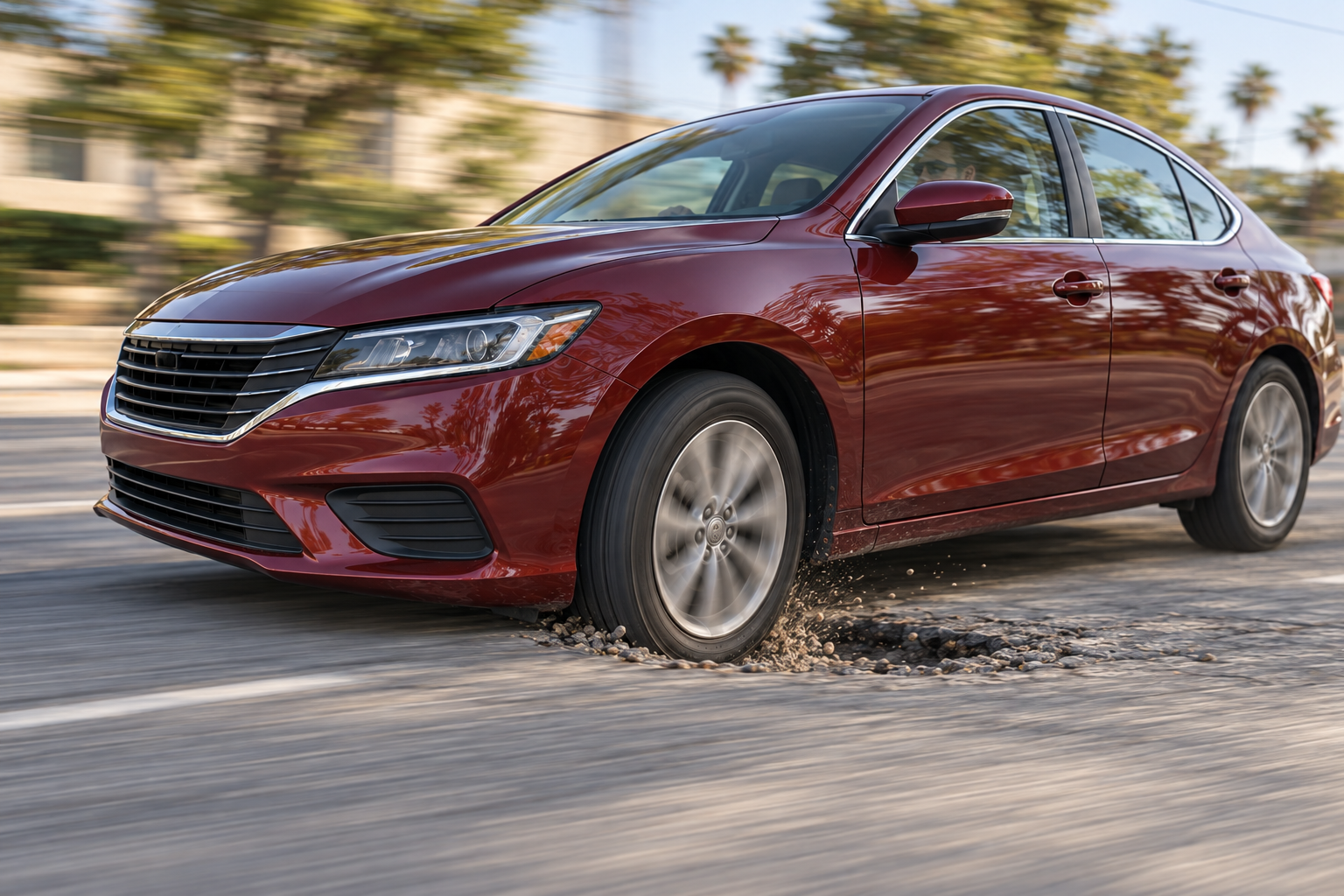
Wheel alignment refers to the precise adjustment of the angles of a vehicle’s wheels so they are set to the manufacturer’s specifications. Proper alignment ensures that tires make consistent contact with the road, allowing the vehicle to track straight and respond predictably to steering inputs. Misalignment can occur from hitting potholes, curbs, or uneven road surfaces, which are common experiences for drivers in Riverside. Even minor deviations in wheel alignment can cause a vehicle to pull to one side, reduce fuel efficiency, and accelerate tire wear.
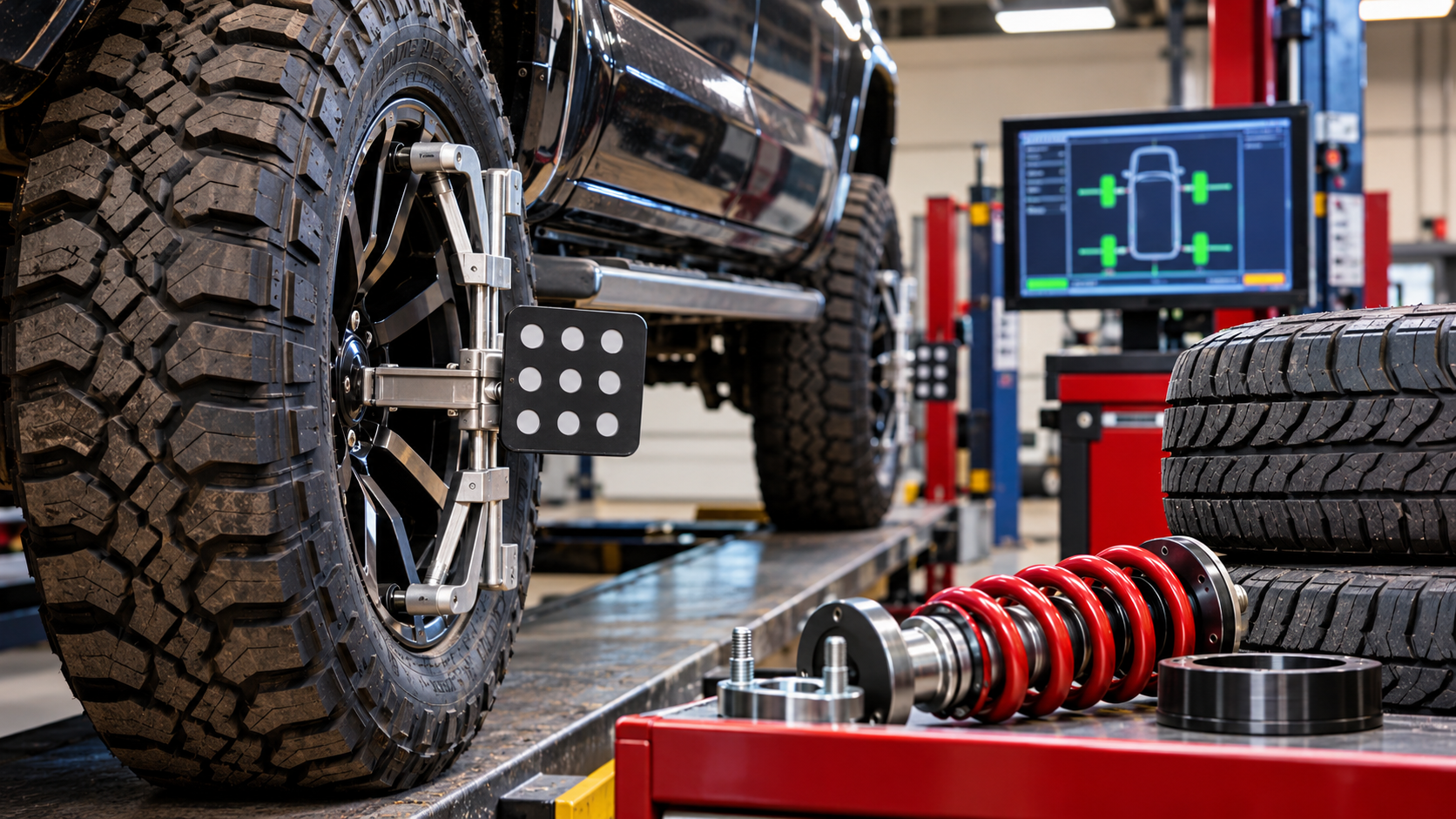
Signs of alignment issues extend beyond pulling to one side. Drivers may notice the steering wheel is off-center when driving straight, unusual or rapid tire wear patterns, or vibrations in the steering wheel at higher speeds. At The Wheel Shop, we perform a comprehensive alignment check using advanced computerized equipment that measures camber, caster, and toe angles. Correcting alignment issues not only restores driving comfort but also enhances tire longevity and overall vehicle performance.
Suspension Components and Their Role
While wheel alignment adjusts the angles of the tires, the suspension system is responsible for controlling the vehicle’s ride, stability, and weight distribution. Key suspension components include shocks, struts, control arms, ball joints, bushings, and tie rods. Each component contributes to the smooth transfer of forces from the wheels to the vehicle frame, keeping tires in contact with the road and ensuring predictable handling. Worn or damaged suspension components can cause a vehicle to pull to one side, even if the wheel alignment is correct.
For example, a weakened shock absorber or a worn ball joint can alter the geometry of the suspension, leading to uneven tire contact and unpredictable vehicle behavior. Bushings that have deteriorated can cause lateral movement that makes steering feel loose or off-center. At The Wheel Shop, our technicians inspect all major suspension components during routine service, identifying worn or damaged parts that may contribute to pulling or handling issues. By addressing suspension problems in conjunction with alignment adjustments, we help vehicles drive safely and smoothly on Riverside roads.
Signs of Alignment-Related Pulling vs Suspension-Related Pulling
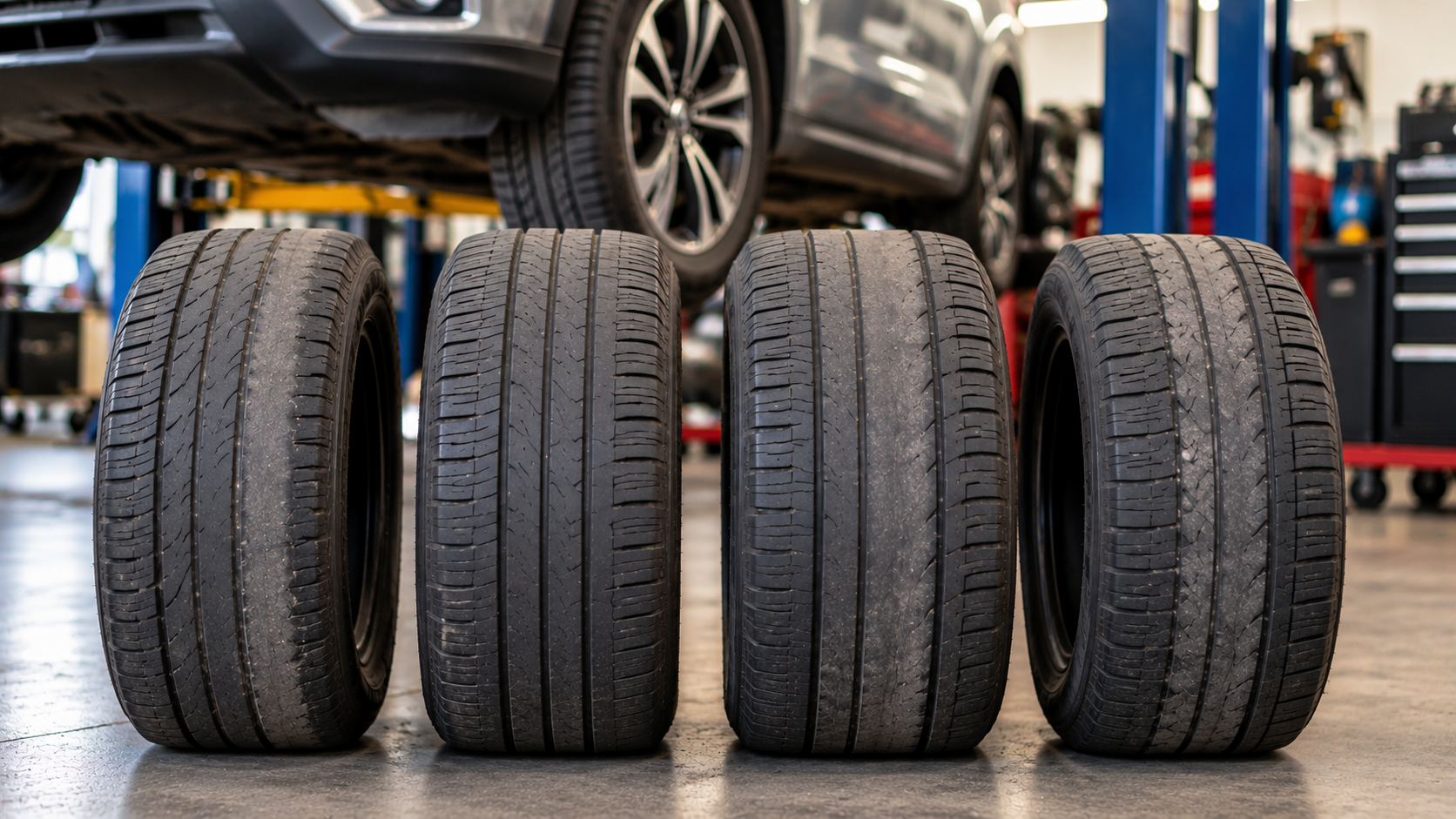
It is essential for drivers to distinguish between a vehicle pulling due to alignment issues versus suspension problems, as the symptoms can be similar but the underlying causes differ. Pulling caused by misalignment typically manifests as a consistent drift to one side when driving on a straight, level road. The steering wheel may feel off-center, and the vehicle may track unevenly. Uneven tire wear, especially on the edges of the tires, often accompanies alignment-related pulling.
Suspension-related pulling, on the other hand, may feel less consistent and can worsen over time as components wear. Drivers may notice the pull only when driving over bumps or during turns. The steering may feel loose, vibrations may be more pronounced, or the vehicle may lean more to one side during braking or acceleration. At The Wheel Shop, our technicians evaluate both alignment and suspension components to determine whether the pull is due to misalignment, worn suspension parts, or a combination of both.
How Road Conditions Affect Pulling
Road conditions in Riverside, California, play a significant role in the development of pulling issues. Potholes, uneven asphalt, and sudden curbs can misalign wheels or accelerate wear on suspension components. Seasonal changes, such as heavy rains or debris accumulation, can also affect tire traction and the stability of the suspension system. Regular inspections help identify early warning signs before minor issues escalate into safety hazards or costly repairs.
At The Wheel Shop, we recommend routine maintenance that considers the unique conditions of Riverside roads. By inspecting tires, suspension components, and wheel alignment regularly, drivers can maintain consistent handling, prevent uneven tire wear, and reduce the risk of accidents caused by unexpected pulling.
The Diagnostic Process at The Wheel Shop
Diagnosing why a vehicle pulls to one side requires a systematic approach. At The Wheel Shop, our process begins with a thorough inspection of the tires, checking for uneven wear, tread depth, and proper inflation. We then examine the suspension system, looking for worn or damaged shocks, struts, bushings, ball joints, and tie rods. Finally, we perform a computerized alignment check to determine if wheel angles are within manufacturer specifications.
This comprehensive diagnostic process ensures that the root cause is correctly identified and addressed. Treating only the symptoms without understanding whether the problem is alignment, suspension, or both can lead to recurring issues. Our approach not only corrects pulling but also extends the life of tires and suspension components, providing a safer and smoother driving experience.
Preventive Maintenance and Best Practices
Preventing a vehicle from pulling begins with regular maintenance and attention to driving habits. Maintaining proper tire pressure, rotating tires every 5,000 to 7,000 miles, and promptly repairing damaged suspension components are essential steps. Avoiding aggressive driving, such as hard cornering or hitting curbs, can also minimize the risk of misalignment and suspension wear.
At The Wheel Shop, we educate drivers on the importance of routine checks and maintenance. By catching early signs of wear or misalignment, drivers in Riverside can prevent pulling issues from developing, improve fuel efficiency, and ensure consistent vehicle handling. Regular inspections provide peace of mind and save money by avoiding more significant repairs down the road.
Frequently Asked Questions
Pulling to one side while driving is a common concern, and many drivers are unsure whether the problem stems from alignment, suspension, or tires. The following questions address some of the most common concerns and provide guidance for vehicle owners.
What is the difference between alignment and suspension?
Alignment refers to adjusting the angles of the wheels to manufacturer specifications, ensuring tires track straight and wear evenly. Suspension refers to the system of components that support the vehicle, absorb impacts, and maintain tire contact with the road. While related, alignment is an adjustment, and suspension is the mechanical system that can affect alignment over time.
Can a bad suspension cause pulling even if the alignment is correct?
Yes. Worn shocks, struts, or bushings can alter suspension geometry, creating uneven tire contact with the road. Even a vehicle that has been recently aligned can experience pulling if suspension components are deteriorated or damaged.
How often should I check alignment in Riverside, California?
Alignment should be checked at least once a year or after hitting potholes, curbs, or experiencing unusual tire wear or pulling. Routine inspection helps prevent uneven tire wear and maintains vehicle handling performance.
Will new tires fix pulling problems?
New tires can help if the cause of pulling is uneven tread wear, but they will not correct alignment or suspension issues. A full inspection at The Wheel Shop ensures that tires, alignment, and suspension are all evaluated and addressed appropriately.
What are the signs I need to visit The Wheel Shop for alignment or suspension service?
Common signs include the vehicle pulling to one side, uneven tire wear, a steering wheel that is off-center, vibrations in the steering wheel, or excessive bouncing while driving. Early diagnosis and service prevent further wear on tires and suspension components and maintain safe driving conditions.
Can I drive safely if my car is pulling?
Driving a vehicle that pulls to one side can compromise control, especially at higher speeds or during emergency maneuvers. It is recommended to have the vehicle inspected as soon as pulling is noticed to maintain safety.
How do alignment and suspension repairs affect tire life?
Proper alignment ensures even tire wear, while a healthy suspension keeps tires consistently in contact with the road. Addressing both systems simultaneously prevents premature tire replacement and provides a smoother, safer ride.
The Wheel Shop Difference
At The Wheel Shop, we’ve spent over twenty years perfecting the art of the wheel. Whether you’re looking for a custom suspension setup to make your EV stand out in Riverside, or you need precision wheel reconditioning after a run-in with a curb, we’ve got the expertise to help.
With more than twenty years of experience serving drivers in Riverside, California, The Wheel Shop team specializes in matching the right wheels to each vehicle’s specifications, driving habits, and performance goals. Their services extend beyond installation to include specialty wheel and rim repair, caliper and wheel powder coating, custom suspension installations, and precision alignments. By addressing every aspect of the upgrade process, The Wheel Shop ensures that your investment not only enhances visual appeal but also delivers measurable improvements in performance, longevity, and overall return on investment.
Ready to transform your ride? For expert advice and a wide selection of Aftermarket Wheels & Tires, contact us today. Let’s find the perfect wheels to lift your driving experience.
We are passionate about equipping your vehicle with the right tires for your needs in Riverside, CA, and beyond.
Explore our expert wheel and tire services today and experience the difference of a proper tire fitment.
Ready to optimize your electric ride? Visit us for a precision alignment or to browse our selection of EV-friendly aftermarket wheels and tires. Let’s keep those miles rolling!