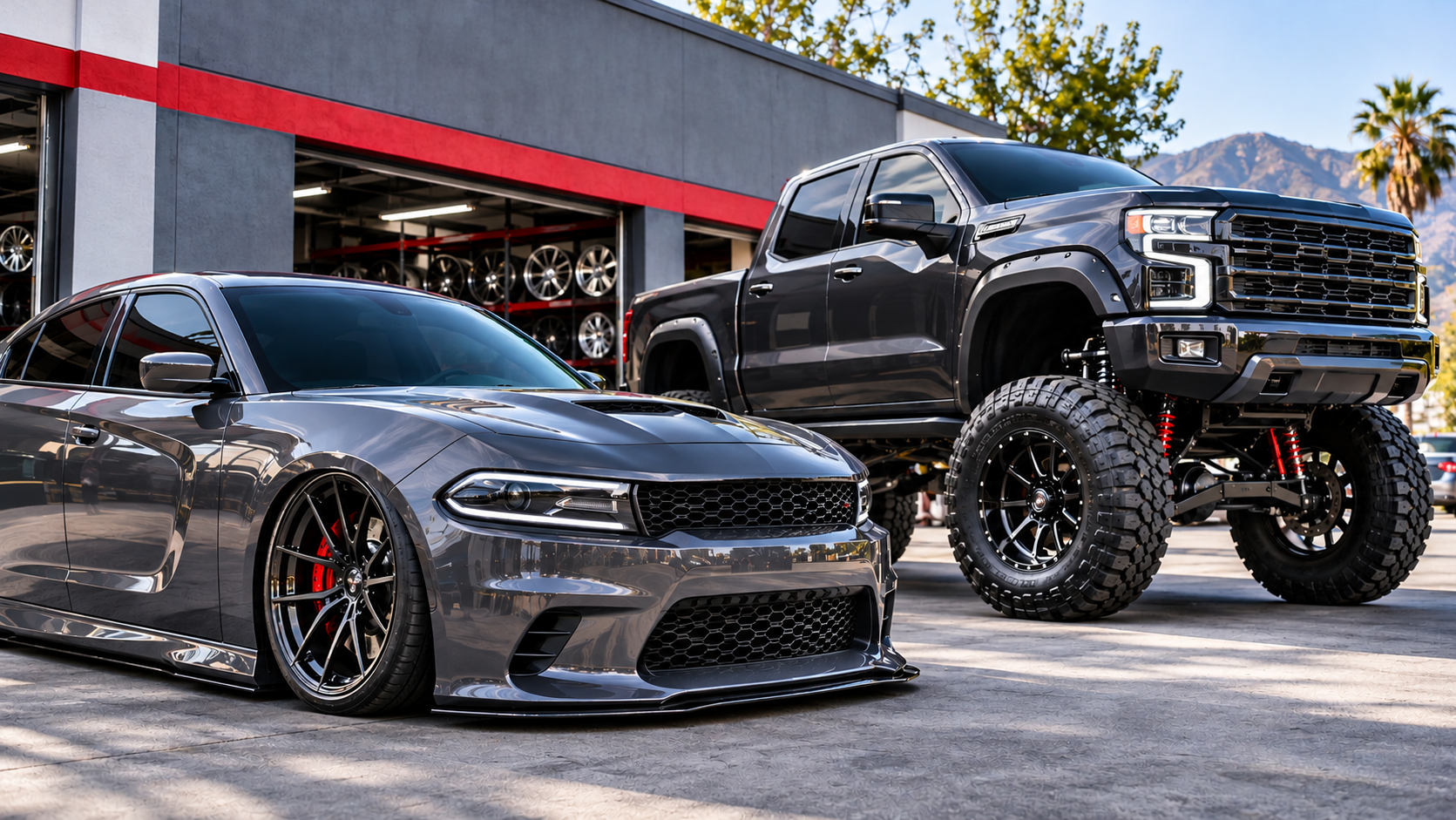
The right truck wheels and tires should suit more than your truck’s appearance. They should support the way you drive, the weight you carry, and the roads you travel. If most of your miles are spent commuting through Riverside, comfort and predictable handling deserve attention. If you regularly tow a trailer, haul equipment, or venture onto rough terrain, your setup needs to account for those demands as well.
At The Wheel Shop, we help you balance those priorities without overlooking the style you want. We look at how you actually use your truck, explain the tradeoffs between different options, and recommend wheels and tires that work together. The result is a setup chosen for your everyday needs, with the fit, capability, and appearance to make your investment worthwhile.
Start With What Your Truck Actually Does
Before comparing tread patterns or wheel finishes, consider a typical month behind the wheel. How much driving happens on pavement? Do you regularly carry equipment, tow a travel trailer, or visit construction sites? Occasional access to a maintained dirt road creates different needs than frequent travel over loose rock, deep ruts, or mud.
At The Wheel Shop, these details guide our recommendations. We also ask what bothers you about your current setup: harshness over bumps, excessive noise, rubbing, or tires that wear unevenly. Those concerns help us identify whether you need different tires, a better wheel fitment, or attention to the truck itself. Choosing wheel and tire packages should begin with understanding the job you need them to perform.
Daily Driving Deserves More Attention Than Appearance Alone
If your truck spends most of its time on streets and freeways, everyday comfort matters. Highway-oriented truck tires generally prioritize paved-road manners, while individual models differ in wet traction, tread life, and noise. A heavily aggressive tread can introduce a noticeable hum and a different steering feel that become tiring during a long commute.
We help you compare those tradeoffs before you buy. Your truck can still have an upgraded appearance without adopting a setup intended for demanding trail use. Wheel size also matters: when overall tire height stays similar, a larger wheel leaves less sidewall to cushion impacts. At The Wheel Shop, we consider the roads you travel so your new truck rims support a ride you can enjoy every day.
Towing and Hauling Require More Than a Tough Look
A tire can look substantial without having the specifications your loaded truck requires. When you carry tools, building materials, or camping equipment, tire load capacity becomes a central consideration. Towing adds another factor because trailer tongue weight or fifth-wheel pin weight contributes to the load carried by the truck. Passengers and permanently installed accessories also count toward its limits.
At The Wheel Shop, we evaluate tire specifications alongside the vehicle requirements and intended workload. Load range alone does not tell the entire story; the tire size, load index, and inflation requirements matter together. Wheels also need suitable load ratings. Installing higher-capacity wheels or tires does not increase the truck manufacturer’s payload, axle, or towing limits. Our goal is a compatible combination that supports how you work within those limits.
Match Off-Road Capability to the Terrain You Encounter
An occasional gravel driveway does not automatically call for mud-terrain tires. All-terrain designs often make sense for drivers who combine paved travel with dirt roads or moderate trail use. Mud-terrain tires generally use more open, aggressive tread patterns for demanding loose conditions, but their pavement noise, ride, and wet-road behavior can vary significantly by model.
The National Highway Traffic Safety Administration’s tire guidance describes all-terrain tires as a compromise between on-road driving and off-road capability. That balance is valuable when your truck handles both. At The Wheel Shop, we discuss the surfaces you actually encounter, rather than treating every off-road destination alike. A camping truck traveling graded access roads needs a different conversation than a truck regularly navigating rocks or deep mud.
Wheel Fitment Is About More Than Diameter
Choosing aftermarket truck wheels involves much more than deciding between a black finish and polished metal. Bolt pattern, wheel width, offset, center bore, and load rating all affect compatibility. Offset determines where the wheel sits relative to its mounting surface. Moving the wheel outward can change clearance and steering behavior while increasing the leverage applied to certain components.
We also consider the tire and wheel as a matched assembly. A tire needs an approved wheel width, adequate brake clearance, and room to move through steering and suspension travel. The U.S. Tire Manufacturers Association’s care and service manual calls for clearance checks when replacement tire or wheel sizes differ from original equipment. At The Wheel Shop, fitment means more than confirming that a combination bolts onto the truck.
Bigger Tires Change More Than Ground Clearance
Increasing overall tire diameter can help with certain obstacles, but it changes other aspects of the truck as well. Taller tires effectively alter the gearing, which can affect acceleration and towing response. Larger or heavier assemblies can also influence braking demands, fuel consumption, and the way the suspension responds. Speedometer accuracy may require attention when tire diameter changes substantially.
We explain those effects before recommending a larger setup. Sometimes a moderate size increase delivers the appearance and capability a customer wants with fewer compromises. In other cases, keeping a size closer to the original specification makes more sense. At The Wheel Shop, we help you weigh those options against your daily use and budget, including the ongoing cost of replacing larger tires.
Coordinate Suspension Changes With the Complete Setup
A lift or leveling kit can change tire clearance, but added height does not make every wheel and tire combination suitable. Width and offset can still create rubbing at full steering lock or during suspension compression. Raising the front of a truck also changes its unloaded stance without increasing its ability to carry weight.
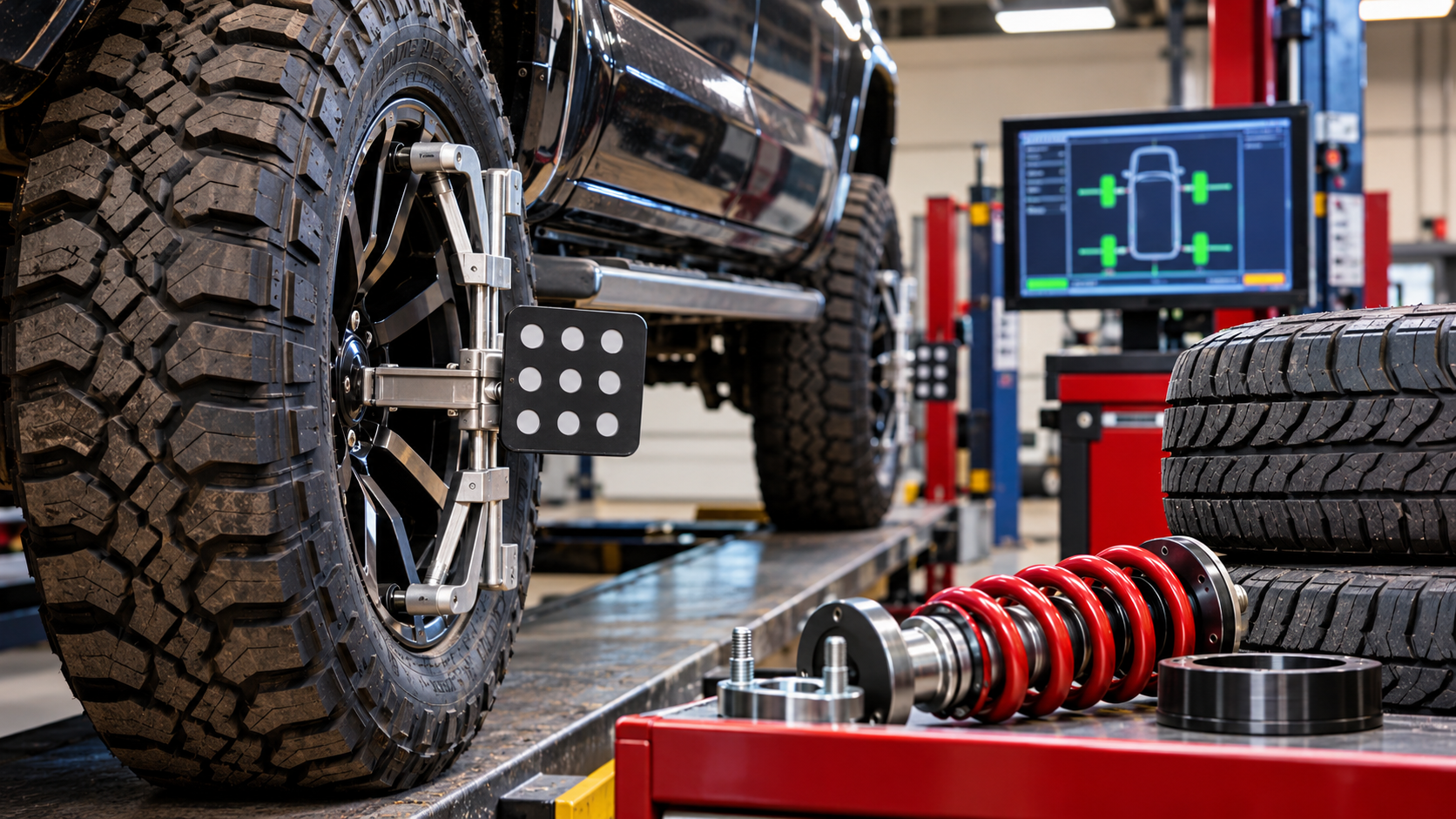
When lift and leveling kits are part of your plans, we consider them alongside wheel fitment and tire selection. Our suspension services and alignment services help address how those changes work together. An alignment after a suspension modification helps establish appropriate wheel angles within the setup’s adjustment limits. If worn components or an unsuitable combination prevent that, those concerns need attention before the project is complete.
Installation and Maintenance Protect Your Investment
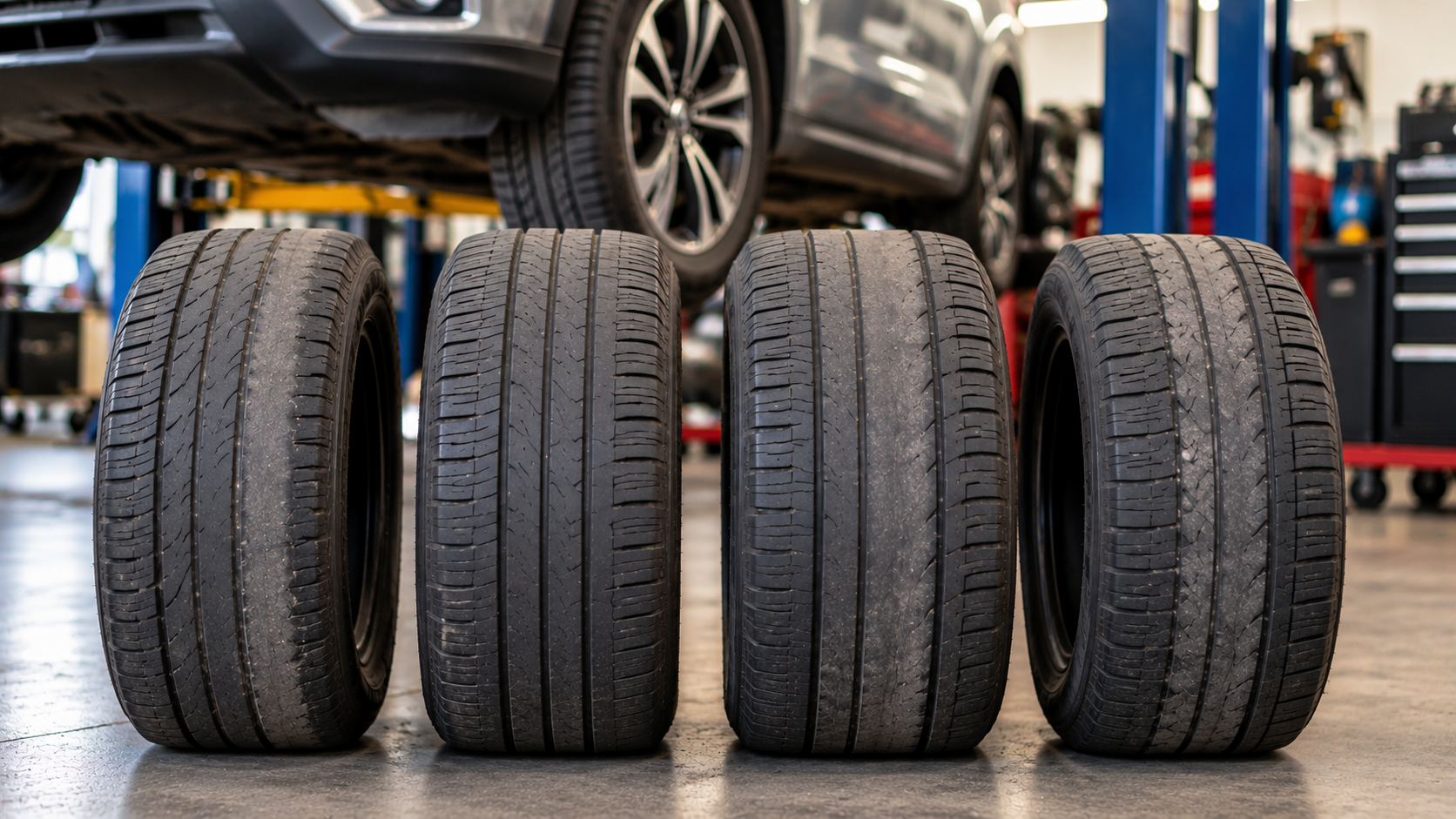
Even suitable tires can disappoint when installation problems or existing vehicle issues go unresolved. Proper mounting, balancing, compatible hardware, and correct fastening procedures matter. A vibration may involve balance, wheel damage, or worn components; uneven wear may involve pressure, alignment, or suspension condition. Simply installing another set of tires can leave the original cause in place.
At The Wheel Shop, our certified mechanics bring experience and specialized training to installation and repair work. We also help customers understand ongoing care. Follow the vehicle guidance for the original tire configuration, and obtain an appropriate inflation recommendation when changing tire specifications. The maximum pressure molded into a tire sidewall is not automatically the correct operating pressure. Regular cold-pressure checks, rotations where permitted, and inspections help protect your purchase.
Frequently Asked Questions
Choosing truck wheels and tires often raises questions about where appearance, capability, and cost meet. These answers address common decisions we help customers work through at The Wheel Shop.
Do I Need All-Terrain Tires If I Occasionally Drive on Dirt Roads?
Not necessarily. The condition of the road, how often you travel it, and the tire’s specifications matter. A maintained access road may not justify the compromises of a highly aggressive tread. Frequent loose surfaces or rougher routes may make an all-terrain design worthwhile. We help you compare options based on your actual destinations.
Are Larger Wheels Better for Towing?
Wheel diameter alone does not determine towing suitability. The wheel’s load rating, the tire’s capacity, proper inflation, and vehicle compatibility matter more. A larger wheel can also reduce sidewall height if overall tire diameter stays similar, changing ride comfort. We evaluate the complete combination rather than assuming a larger wheel provides greater working capability.
Can I Keep My Current Wheels and Upgrade Only the Tires?
Often, yes, provided the wheels are sound and compatible with the proposed tires. We consider wheel width, load rating, clearance, and condition before recommending that approach. Keeping suitable wheels can leave more room in your budget for tires that better address your priorities. If a wheel is damaged, we can assess whether repair or replacement is appropriate.
Should I Replace My Wheels and Tires Before Installing a Lift?
Plan the changes together before purchasing either. Tire size, wheel offset, suspension design, and clearance influence one another. Buying parts separately can result in rubbing or a combination that requires additional changes. Tell us your long-term plans so we can help you develop a coordinated setup and avoid spending money twice.
The Wheel Shop Difference
The right truck setup should make sense every time you drive, whether you are commuting through Riverside, carrying equipment, or preparing for a weekend away. At The Wheel Shop, we bring more than twenty years of industry experience to helping customers choose wheels and tires that fit their vehicles and their lives.
Our certified mechanics bring years of experience, specialized training, and industry certifications to every repair and installation. We take the time to explain your options, including the tradeoffs involved in size, tread, fitment, and ride quality. You can make your decision with a clearer understanding of what your truck needs.
Located in Riverside, CA, we offer tires, aftermarket and OEM wheels, wheel repair, alignments, suspension services, and truck and car accessories. We also provide powdercoating, caliper services, and chrome plating to help bring your preferred appearance together with a suitable mechanical setup.
Tell us how you actually use your truck, and let us help you choose accordingly. Call [(951)588-1222 (line 9515881222)](tel:9515881222) or email save@thewheelshopinc.com to discuss your next wheel and tire upgrade with The Wheel Shop.