Why Your Wheels Are Losing Their Shine Faster Than You Think
Wheel finishes do far more than enhance the look of a vehicle—they serve as a critical layer of protection against the elements. From blistering heat and relentless UV exposure to freezing temperatures and corrosive road treatments, climate plays a major role in how well a wheel finish holds up over time. In warmer regions, prolonged sun exposure can cause fading, oxidation, and clear coat breakdown, while coastal environments introduce salt-laden air that accelerates corrosion. On the opposite end of the spectrum, colder climates bring snow, ice, and the widespread use of de-icing chemicals, all of which can chip, stain, and degrade protective coatings.
Road conditions add another layer of wear and tear that can’t be overlooked. Potholes, gravel, construction debris, and poorly maintained surfaces can cause physical damage such as scratches, chips, and even structural stress to the wheel itself. When combined with moisture, dirt, and chemical residue, these imperfections can quickly worsen, compromising both appearance and performance. Understanding how climate and road conditions impact wheel finishes is key to choosing the right materials, coatings, and maintenance practices to ensure long-term durability and visual appeal.
Here’s the quick answer:
| Threat | What It Does | Most Vulnerable Finish |
|---|---|---|
| Road salt & de-icing chemicals | Corrodes metal, causes pitting and peeling | Chrome plating |
| Freeze-thaw cycles | Creates micro-cracks, lifts finish layers | All finishes |
| Potholes & curb rash | Scratches and fractures the surface | Chrome plating |
| Brake dust | Bakes onto finish, causes chemical etching | Chrome & polished aluminum |
| UV exposure | Fades color, degrades clear coat | Painted alloy |
| Coastal salt air | Accelerates oxidation year-round | All finishes |
Up to 7 out of 10 wheel problems are corrosion-related — and most start with something as simple as a scratch or a missed wash after a salty winter drive.
Chrome looks stunning. But once its surface is compromised — even slightly — moisture and salt get underneath the plating and the damage spreads fast. Polished aluminum and painted alloy wheels hold up better in real-world driving conditions, but they’re not immune either.
Whether you drive daily in a snowy climate or park near the coast, your wheel finish is under constant attack. This guide breaks down exactly what’s happening — and what you can do about it.
Understanding How Climate and Road Conditions Impact Wheel Finishes and Chrome Plating
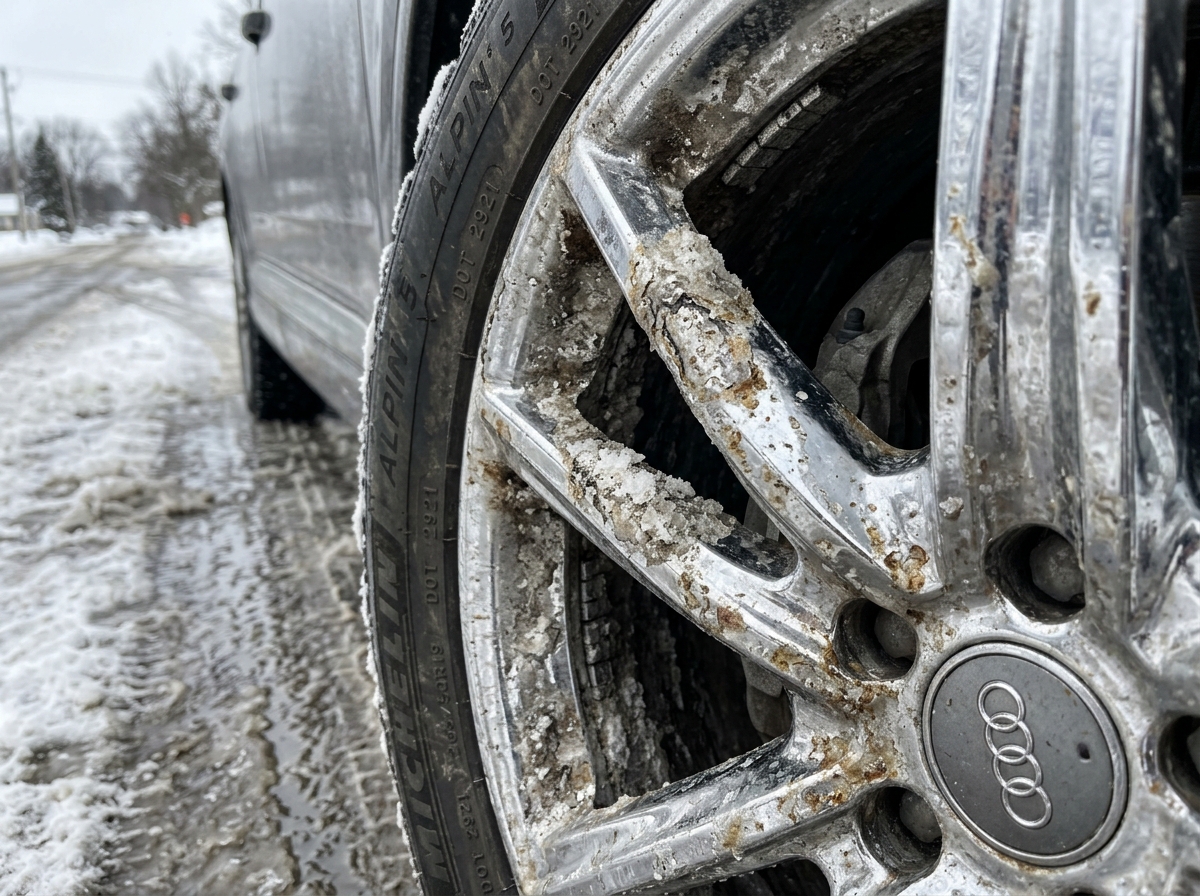
When we examine the impact of climate and road conditions on wheel finishes and chrome plating, it’s essentially a chemical war zone. Your wheels are the first point of contact for every harsh substance the road has to offer. In many regions, the biggest culprit is road salt. Whether it’s sodium chloride, magnesium chloride, or calcium chloride, these de-icing agents are highly corrosive. They lower the freezing point of water to improve driving safety, but they also function as electrolytes that accelerate the oxidation and deterioration of metal surfaces.
Moisture is the delivery system for this damage. When snow melts into a salty brine, it finds its way into the smallest microscopic pores of your wheel’s finish. This is where temperature and weather become a major factor. As temperatures fluctuate, the metal in your wheels expands and contracts. This “breathing” can create micro-cracks in the finish. Once a crack forms, moisture and salt get trapped behind the protective layer.
When that trapped moisture freezes, it expands, physically lifting the paint, powder coat, or chrome plating away from the wheel surface. This leads to visible corrosion, unsightly discoloration, and eventually, a loss of air pressure as the bead seat (where the tire meets the rim) becomes pitted and uneven. These are some of the most common causes of wheel damage we see at our shop, often requiring professional intervention to save the rim.
The Vulnerability of Chrome Plating vs. Polished Aluminum
Choosing a wheel finish isn’t just about the “bling” factor; it’s about how much work you’re willing to do to keep them looking that way.
| Feature | Chrome Plating | Polished Aluminum | Painted/Powder Coated Alloy |
|---|---|---|---|
| Construction | Multi-layer electroplating | Mechanically buffed raw metal | Sprayed or baked-on coating |
| Appearance | Mirror-like, high reflectivity | Soft metallic luster | Varied (Gloss, Matte, Satin) |
| Durability | High (if kept dry/clean) | Moderate (oxidizes easily) | Very High (best for daily use) |
| Repairability | Low (requires stripping) | High (can be DIY polished) | High (can be touched up) |
| Cost | $$$ | $$ | $ – $$ |
Chrome plating auto parts is a complex electroplating process. It usually involves a “strike” of copper, followed by layers of nickel, and finally a very thin layer of chromium (often just 1/1000th of an inch thick). While beautiful, chrome is naturally porous. If it isn’t cleaned weekly, brake dust and salt sit in those pores and eat away at the nickel underneath. This causes “pitting”—tiny dark spots—and eventually “peeling,” where the chrome flakes off like old skin.
In contrast, polished aluminum gets its shine from mechanical buffing. There is no “layer” to peel off, but the raw metal is exposed to the air. Over time, it will develop a “patina” or oxidation, making it look dull. However, the beauty of polished aluminum is its DIY repairability; you can often buff out light scratches and oxidation with a good metal polish and some elbow grease.
For show cars that live in climate-controlled garages, chrome is the undisputed king. But for daily drivers, the constant maintenance required to prevent chrome from “shedding” makes polished or painted finishes a much more practical choice.
Why Road Conditions Impact Chrome Plating Differently
Road hazards don’t just cause flat tires; they can be the death knell for a chrome finish. When you hit a curb—commonly known as “curb rash”—you aren’t just scratching the surface; you are breaking the seal of the electroplating. Once that copper and nickel core is exposed to oxygen and moisture, corrosion starts spreading underneath the remaining chrome.
Similarly, pothole damage goes beyond structural bends. The jarring impact of a deep pothole can cause “delamination,” where the layers of plating actually separate from the alloy wheel base due to the physical shock. Road debris like gravel and wood chunks act like tiny hammers, creating surface fractures that serve as entry points for corrosive road salt. Once the structural integrity of the finish is breached, the clock starts ticking on the wheel’s lifespan.
How Climate and Road Conditions Impact Wheel Finishes in Winter
Winter is the ultimate stress test. The combination of slush and road salt creates a “brine” that is far more damaging than dry salt alone. This brine clings to the back of the wheel spokes and the inner barrel, areas most drivers forget to wash.
Snowbank scuffs are another winter-specific headache. Sliding into a frozen snowbank might feel “soft,” but the ice crystals and hidden debris within the snow can act like sandpaper on your clear coat. Furthermore, brake dust becomes more reactive in winter. The metallic shavings from your brake pads react with the moisture and salt, creating a chemical etching effect that can permanently stain your rims in just a few weeks. If you do hit a hidden hazard under the snow, you’ll likely need alloy wheel pothole repair to fix both the bend and the ruined finish.
Regional Climate Variations and Finish Durability
Where you live dictates how your wheels age. In coastal areas like parts of Southern California, the salt isn’t just on the road—it’s in the air. Coastal salt air and high humidity create a 24/7 corrosive environment. Aluminum wheels in these areas often suffer from “white rust” (aluminum oxide), which looks like chalky white spots.
In desert climates, the enemy is UV exposure and extreme heat. Intense sunlight can cause the clear coat on painted wheels to “chalk” or peel. Thermal expansion is also a major factor here; when a wheel goes from 120°F in the sun to a 60°F garage, the constant expansion and contraction can lead to pigment fading and clear coat failure. This is a classic example of the environmental degradation of automotive coatings that researchers have studied for decades.
Preventive Maintenance and Protective Treatments
We often remind our customers that a little prevention goes a long way—especially compared to the cost of re-chroming. Protecting your wheels from the effects of harsh climates and road conditions starts with a consistent, proactive maintenance routine.
- Weekly Washing: Use pH-neutral cleaners specifically formulated for wheels. Avoid “all-purpose” degreasers, which can be too acidic or alkaline for delicate chrome.
- The Right Tools: Use soft microfiber mitts or boars-hair brushes. Never use stiff plastic brushes or steel wool on a chrome or painted finish.
- Sealants and Wax: Applying a dedicated wheel sealant or a high-quality wax every few months creates a sacrificial barrier that salt and brake dust have to eat through before they reach your finish.
- Ceramic Coatings: For the ultimate protection, ceramic coatings offer a semi-permanent hydrophobic layer. This makes the wheels much easier to clean because grime simply slides off.
If you’re looking for a more “set it and forget it” solution, consider the benefits of powder coating your wheels. Powder coating is significantly thicker and more durable than traditional paint or chrome. It’s a favorite for mountain and winter climates because it resists chemical etching and physical impacts much better. We specialize in powder coating aluminum wheels to give them a custom look that can actually survive the real world.
Another modern alternative is PVD (Physical Vapor Deposition) finishes. PVD looks almost identical to chrome but is actually a powder-coated base with a thin layer of metal vacuum-sealed on top, followed by a clear coat. It doesn’t pit or peel like traditional chrome and is much more resilient to winter road conditions.
Frequently Asked Questions about Wheel Finish Damage
How often should I clean my wheels in corrosive environments?
In environments with road salt or coastal air, you should clean your wheels at least once a week. Salt and brake dust are “hygroscopic,” meaning they pull moisture out of the air and hold it against your wheel, accelerating corrosion even while the car is parked. A quick rinse isn’t enough; you need to agitate the surface with a soft brush to remove the “film” that builds up.
Can peeling chrome wheels be repaired DIY?
The short answer is: Not really. While you can sand down a small peeling spot and use “chrome-effect” paint as a temporary band-aid, it will never match the mirror finish of the rest of the wheel. Because chrome is a multi-layer metal plating, the only way to truly fix it is through replating chrome wheels, which involves stripping the wheel back to raw metal in a chemical bath and starting over. This is often more expensive than buying a new wheel.
How do road conditions impact wheel finishes like PVD?
PVD finishes are much more “rugged” than traditional electroplating. Because they are protected by a thick clear coat, they handle physical impacts and scratches better. However, they aren’t invincible. A deep enough scratch can still allow moisture to reach the metal. The powder coating vs. paint durability debate usually ends with powder-based finishes (like PVD) winning for winter resilience.
The Wheel Shop Difference
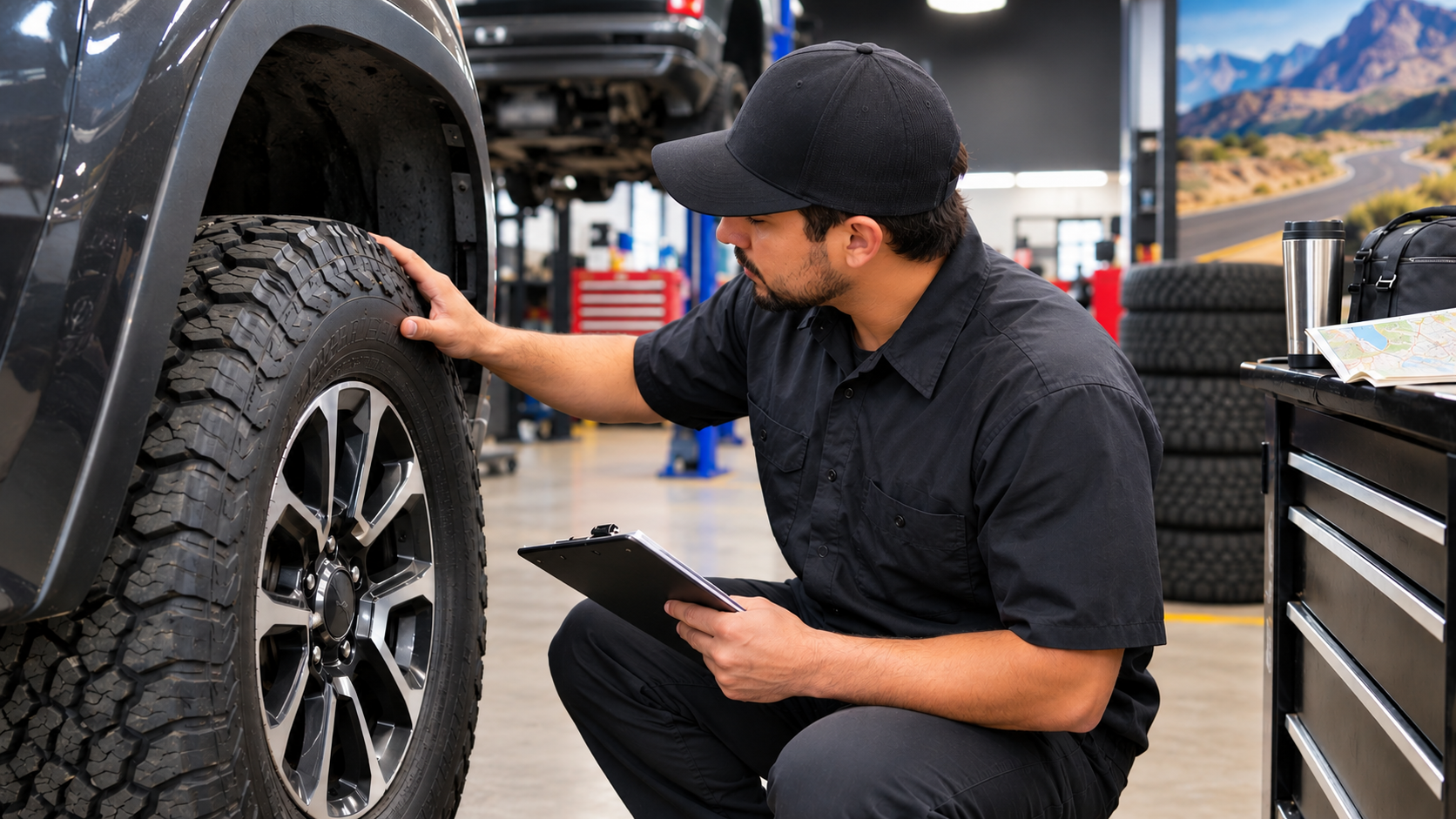
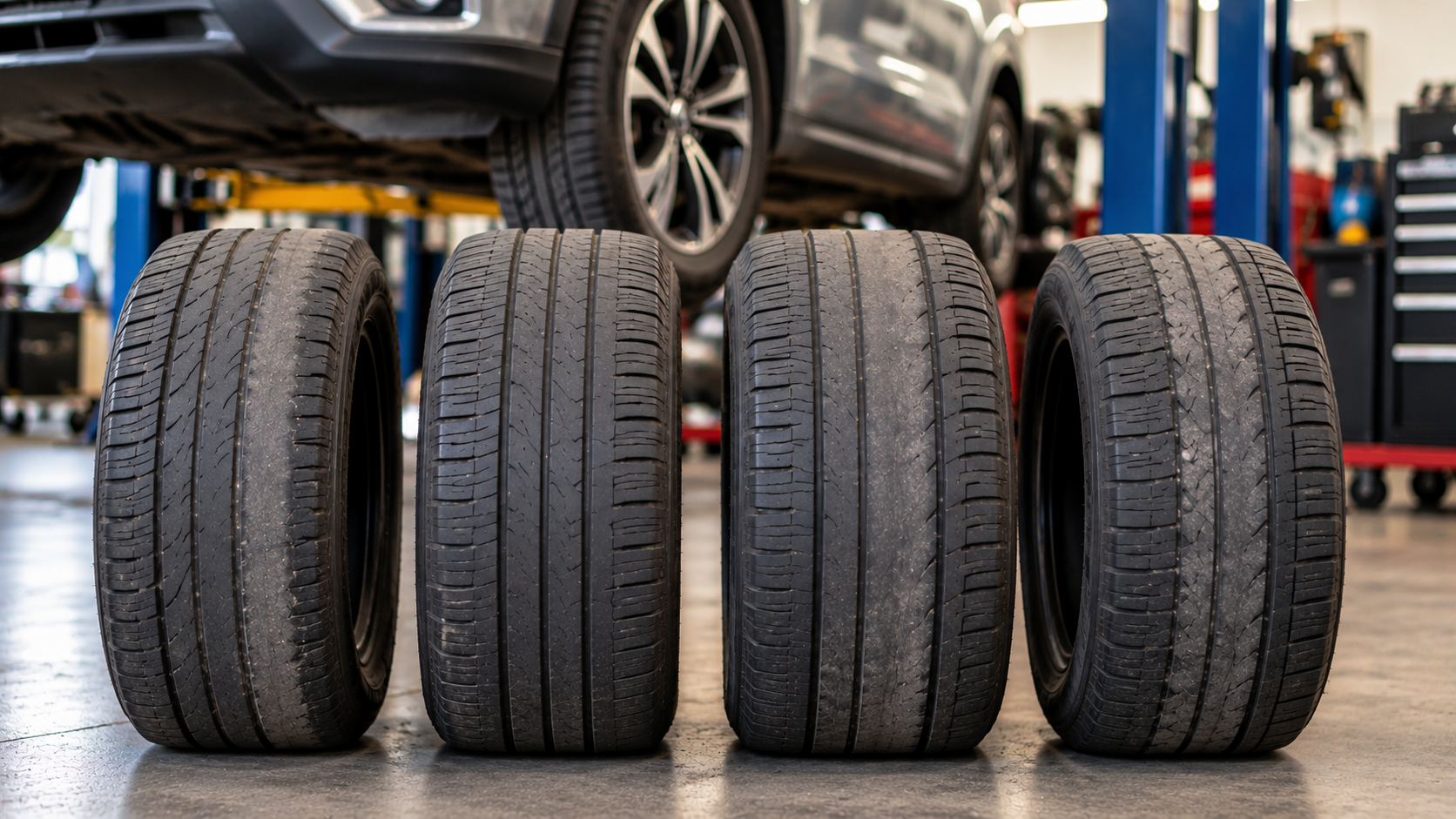
At The Wheel Shop in Riverside, CA, we’ve spent over twenty years helping drivers stay safe on the road. Our team doesn’t just sell tires—we provide peace of mind. Our expert technicians take the time to thoroughly check your tread depth across the entire tire surface, identify any uneven wear patterns that might point to alignment or suspension issues, and help you find the perfect replacement tires for your specific vehicle and driving needs.
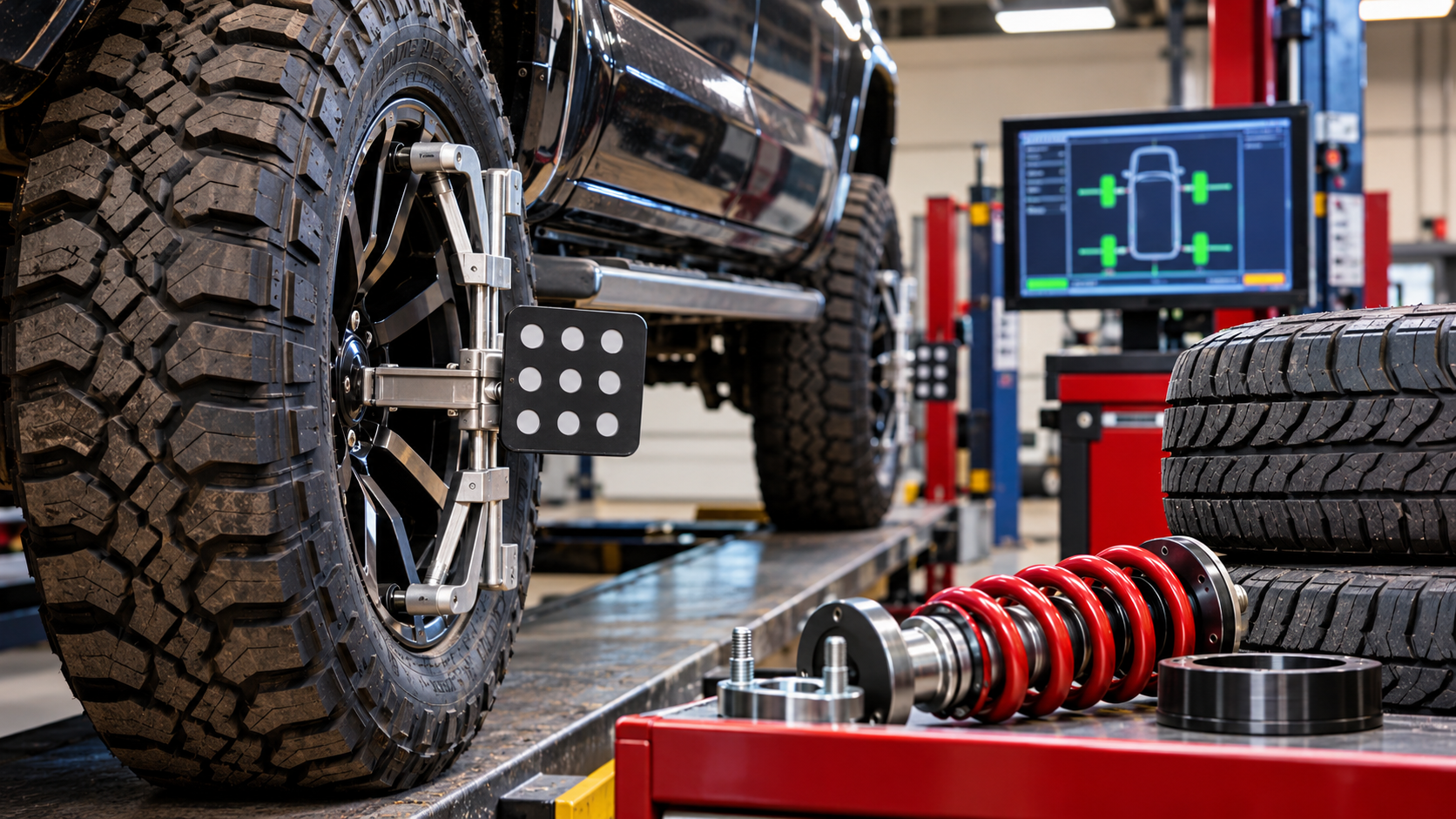
We take pride in proper installation, balancing, and alignment because we know these details make all the difference in how your vehicle performs when it matters most. Our comprehensive suspension services work hand‑in‑hand with our tire expertise to ensure your entire vehicle functions as a unified system for maximum safety and performance.
It’s worth remembering that your tires represent your vehicle’s only contact with the road. No safety system—not antilock brakes, not stability control, not even the most advanced collision avoidance technology—can work effectively without adequate tire traction. When you invest in proper tire maintenance and timely replacement, you’re making one of the most important safety decisions possible as a driver.
We’d love to help you maintain that safety margin. Stop by The Wheel Shop for a free tire inspection and tread depth check. No pressure, no upselling—just honest assessments and clear recommendations from friendly folks who genuinely care about keeping you and your family safe on the road.
Drive safe, check your tread regularly, and remember that when it comes to tire tread, the legal minimum is just that—a minimum, not a target. Your safety is worth so much more.\
Ask about our wheel restoration services