A vehicle that pulls slightly to one side or has a steering wheel that no longer sits perfectly straight might not seem like an urgent problem. You can still drive to work, run errands, and travel on the freeway without much difficulty. It is easy to assume that a wheel alignment can wait until your next tire replacement or scheduled maintenance appointment.
Unfortunately, putting off a wheel alignment can create problems that extend well beyond an inconvenient driving experience. What begins as a minor adjustment issue can gradually contribute to uneven tire wear, reduced handling performance, and unnecessary stress on suspension and steering components. By the time the symptoms become difficult to ignore, the cost of correcting the resulting problems may be considerably higher.
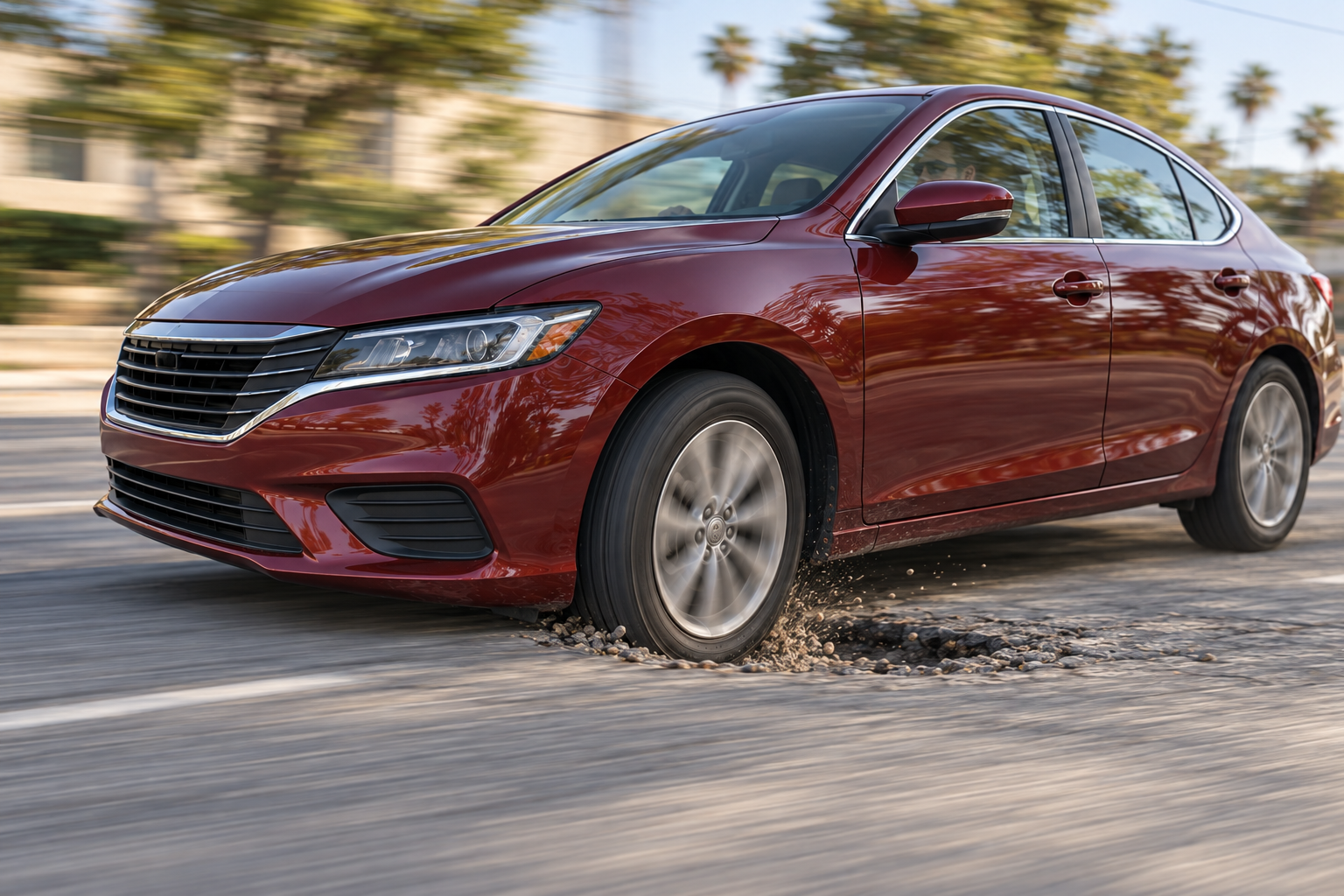
At The Wheel Shop in Riverside, CA, we help customers identify alignment problems before they develop into more expensive repairs. Our experienced technicians understand how wheel positioning affects tire performance, vehicle handling, and long-term maintenance costs. Whether your vehicle has recently encountered a pothole, undergone suspension modifications, or simply started driving differently, addressing alignment concerns early can make a meaningful difference.
Why Wheel Alignment Matters More Than You Might Think
A wheel alignment involves adjusting specific suspension angles so your wheels are positioned according to the vehicle manufacturer’s specifications. These adjustments influence how your tires contact the road, how your vehicle responds to steering inputs, and how evenly the tires wear during everyday driving.
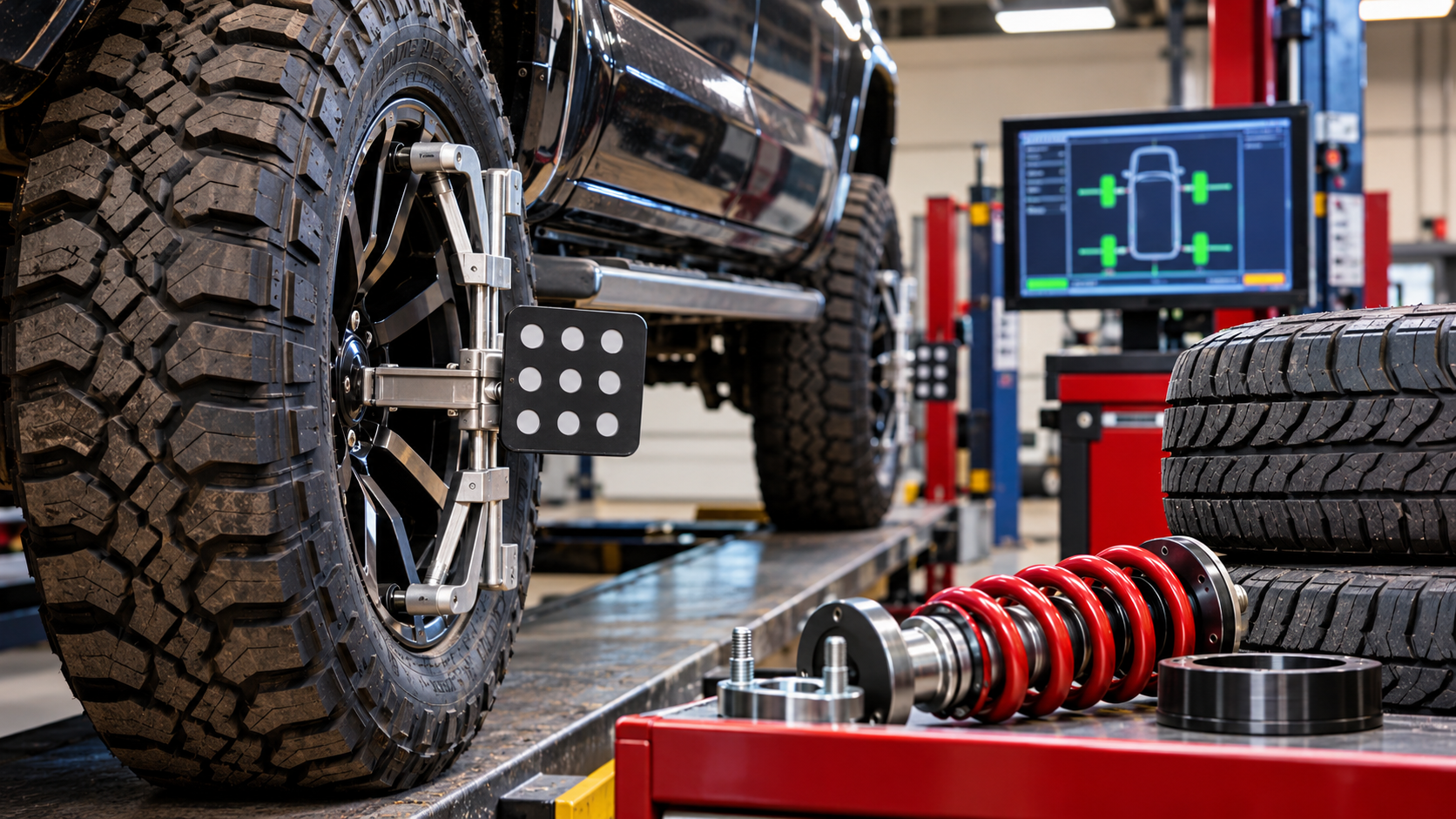
Three primary angles are involved in most alignment procedures: camber, caster, and toe. Camber describes the inward or outward tilt of a wheel when viewed from the front. Caster relates to the steering axis angle, which influences directional stability and steering return. Toe describes whether the wheels point slightly inward or outward when viewed from above. Even relatively small deviations from the proper specifications can affect how your vehicle behaves.
Many drivers associate wheel alignment services with correcting a vehicle that pulls to one side. However, alignment is also an important part of tire maintenance and suspension performance. A vehicle can have an alignment problem without producing dramatic steering symptoms, which means unnecessary tire wear may occur before the driver recognizes anything unusual.
At The Wheel Shop, our alignment services focus on correcting these positioning issues and identifying related conditions that could interfere with a successful adjustment. Our goal is to help customers maintain predictable handling while protecting the investment they have made in their tires and wheels.
Your Tires May Wear Out Much Faster Than Expected
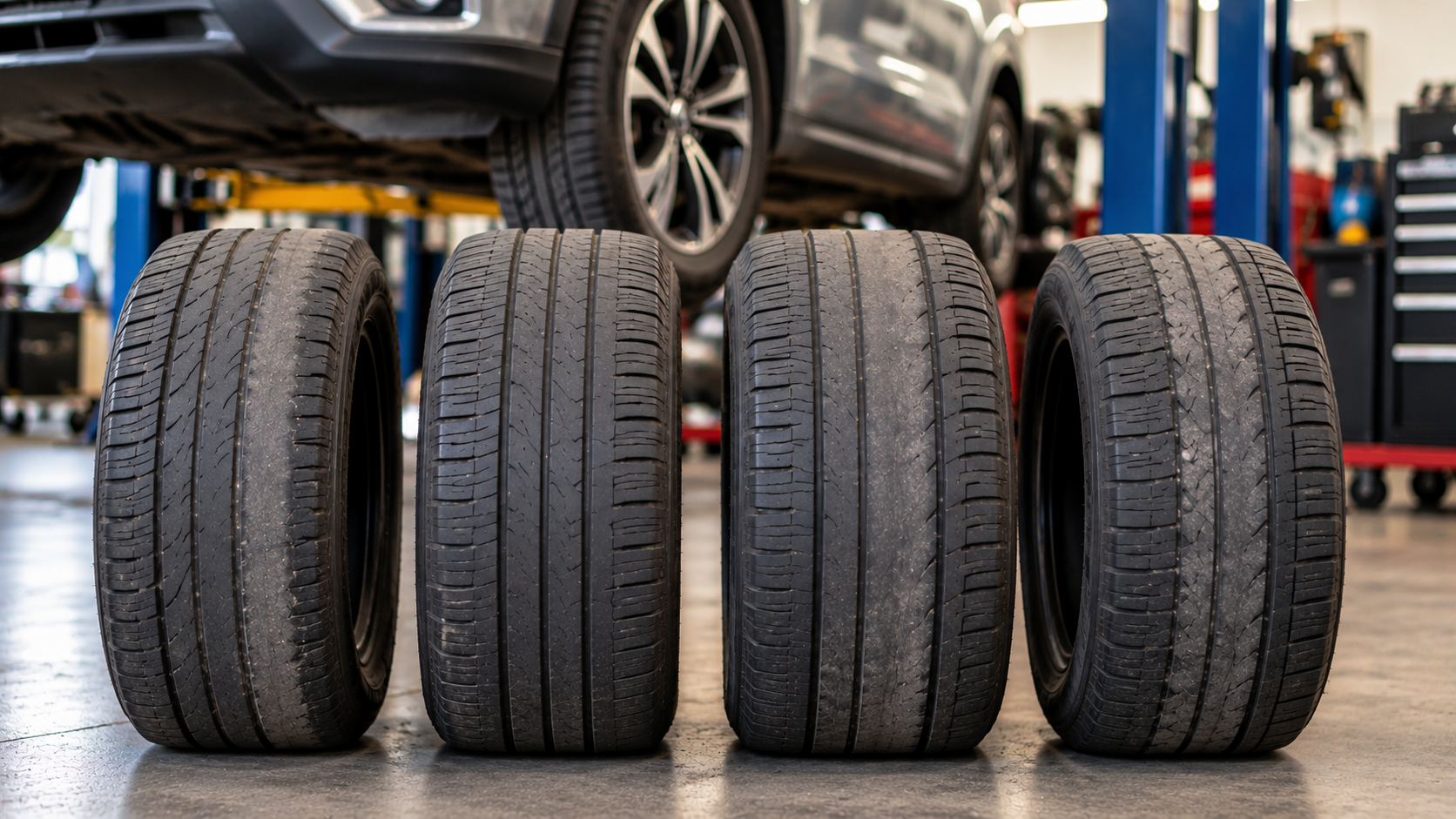
One of the most common consequences of delaying an alignment is premature tire wear. When wheels are not positioned correctly, the tires may travel at slightly improper angles rather than rolling naturally in the intended direction. This can create additional friction and concentrate wear along specific portions of the tread.
For example, excessive toe can cause a tire to scrub against the road surface, producing a feathered wear pattern across the tread. Incorrect camber may contribute to excessive wear along the inner or outer shoulder. These patterns can develop gradually, making them difficult to recognize without inspecting the entire tread surface.
The financial consequences can become significant. A set of tires designed to provide thousands of miles of reliable service may require replacement earlier than expected because of an unresolved alignment problem. For customers who have invested in premium tires, performance wheels, or larger truck tires, premature replacement can represent a substantial and avoidable expense.
The National Highway Traffic Safety Administration’s tire safety guidance emphasizes the importance of tire maintenance, including monitoring tread condition and addressing factors that contribute to uneven wear. Proper tire care is especially important because tread condition directly affects traction and overall vehicle safety.
At The Wheel Shop, we evaluate tire wear patterns when investigating alignment concerns. If the tires are still in suitable condition, correcting the alignment may help prevent further abnormal wear. However, an alignment cannot restore tread that has already worn away. This is why scheduling professional wheel alignment before substantial damage occurs is often the more economical decision.
Steering and Handling Problems Can Become More Noticeable
A vehicle with improper alignment may gradually become more difficult to keep traveling straight. Drivers sometimes compensate without realizing it by maintaining slight pressure on the steering wheel. Over time, this can make longer drives more tiring and reduce confidence behind the wheel.
A steering wheel that sits off-center while the vehicle travels straight is another potential warning sign. Some drivers also notice that their vehicle responds differently when turning left versus right or seems less stable at highway speeds. These symptoms do not always indicate an alignment problem, but they deserve professional attention.
Poor alignment can also affect how consistently the tires maintain their intended contact with the road. When combined with worn tires, damaged suspension components, or challenging road conditions, the resulting handling changes may become more noticeable during braking, cornering, or sudden steering maneuvers.
Our technicians at The Wheel Shop can evaluate these symptoms and determine whether precision wheel alignment is appropriate. We also recognize that pulling, wandering, and steering irregularities can result from tire pressure differences, tire defects, brake problems, or worn steering components. Identifying the actual cause helps us recommend the right service rather than making unnecessary adjustments.
Delayed Alignment Can Contribute to Suspension and Steering Problems
Your vehicle’s suspension and steering systems work together to keep the wheels properly positioned while absorbing road imperfections. Components such as control arms, tie rods, ball joints, and bushings help maintain stability as the vehicle accelerates, turns, and travels over uneven pavement.
When alignment is incorrect, certain steering or suspension components may operate under less-than-ideal conditions. However, misalignment does not automatically damage these parts. In many cases, the underlying problem is actually a worn or damaged component that caused the alignment to change in the first place.
For example, a worn tie rod end may allow unwanted movement that affects toe settings. A damaged control arm or deteriorated bushing can alter wheel positioning, while a significant pothole impact may damage both the wheel and suspension components. Simply adjusting the alignment without correcting these mechanical problems may provide only temporary improvement.
The Wheel Shop offers suspension services alongside alignment and wheel repair. This allows us to consider the relationship between the vehicle’s mechanical condition and its wheel positioning. When a suspension issue is contributing to improper alignment, we can help customers understand what needs attention before completing the appropriate adjustments.
Fuel Efficiency May Suffer Over Time
An overlooked consequence of improper alignment is the potential effect on fuel consumption. When the wheels are significantly misaligned, especially when toe settings are incorrect, the tires may experience additional rolling resistance because they are not traveling in their intended direction.
Your engine must overcome that additional resistance to keep the vehicle moving. Although the impact varies depending on the severity of the misalignment, driving conditions, tire characteristics, and vehicle design, the resulting inefficiency can contribute to higher operating costs over time.
The U.S. Department of Energy’s fuel economy guidance explains how proper vehicle maintenance, including maintaining appropriate tire pressure and using recommended motor oil, supports efficient vehicle operation. Alignment is another mechanical condition worth evaluating when tire wear and rolling resistance become concerns.
An alignment correction will not necessarily produce a dramatic improvement in fuel economy, particularly when the original misalignment is minor. However, maintaining proper wheel positioning helps eliminate an avoidable source of tire scrubbing and supports more efficient operation.
At The Wheel Shop, we view alignment as part of a broader approach to vehicle maintenance. Protecting tires, maintaining appropriate suspension geometry, and addressing handling concerns can help customers avoid unnecessary expenses throughout the life of their vehicles.
When Should You Stop Waiting and Schedule an Alignment?
There is no universal mileage limit that determines exactly when an alignment becomes necessary. Some vehicles maintain proper alignment for extended periods, while others require attention sooner because of road impacts, suspension wear, modifications, or driving conditions. The important consideration is whether the vehicle is showing symptoms or has experienced something that could alter its wheel positioning.
A noticeable pull, an off-center steering wheel, or unusual tire wear should prompt an inspection. Drivers should also consider an alignment evaluation after significant pothole impacts, curb strikes, or suspension repairs. Vehicles with lifted or lowered suspensions may require additional attention because changing ride height can alter alignment geometry.
At The Wheel Shop, we help customers determine whether an adjustment is needed based on the vehicle’s condition rather than recommending unnecessary services. Addressing concerns promptly can prevent avoidable tire damage and help maintain consistent handling.
Frequently Asked Questions
Drivers often have questions about how urgently they should address alignment problems and what happens when they wait. The following answers explain several common concerns.
How Long Can You Drive With a Bad Wheel Alignment?
There is no reliable number of days or miles that applies to every vehicle. A minor deviation may produce limited symptoms, while a more serious problem can cause rapid tire wear or unpredictable handling. If your vehicle pulls noticeably, develops unusual tire wear, or feels unstable, schedule an inspection promptly. Severe steering problems warrant avoiding further driving until the vehicle is evaluated.
Will Getting an Alignment Fix Uneven Tire Wear?
An alignment can correct wheel positioning that contributes to uneven tire wear, but it cannot reverse existing tread damage. Tires with substantial irregular wear may continue producing noise or vibration even after alignment is corrected. Our technicians can evaluate the tires and recommend replacement when necessary.
Do You Need an Alignment Every Time You Replace Tires?
Not necessarily. However, installing new tires provides a valuable opportunity to evaluate alignment, especially if the previous set developed uneven wear. Checking alignment before or during tire replacement can help protect the new tires from the same problem that affected the old ones.
Is Wheel Alignment the Same as Tire Balancing?
No. Alignment and wheel balancing address different conditions. Alignment corrects wheel positioning relative to the vehicle, while balancing corrects uneven weight distribution in the tire and wheel assembly. Improper balance commonly produces speed-related vibrations, while alignment problems are more frequently associated with pulling, an off-center steering wheel, or irregular tread wear. Some vehicles may need both services.
The Wheel Shop Difference
Delaying an alignment might seem like a small decision, but the consequences can affect tire life, handling, and long-term vehicle maintenance costs. At The Wheel Shop, we help Riverside drivers address these concerns before they develop into more expensive problems. Whether your vehicle has started pulling to one side, your tires are wearing unevenly, or you recently modified your suspension, we can evaluate the situation and recommend the appropriate solution.
With more than twenty years of industry experience, The Wheel Shop offers comprehensive services for wheels, tires, and vehicle customization. Our specialties include powder coating, tires, wheel repair, alignments, aftermarket and OEM wheels, truck and car accessories, suspension, calipers, and chrome plating. By offering these services together, we can evaluate the relationship between your tires, wheels, steering, and suspension rather than focusing on a single symptom.
Our certified mechanics bring years of experience, specialized training, and industry certifications to every repair and installation. We understand that proper wheel alignment in Riverside, CA involves more than adjusting a few measurements. It requires attention to vehicle specifications, component condition, and the driving performance customers expect. We are committed to delivering professional workmanship, dependable service, and recommendations based on your vehicle’s actual needs.
If you have been postponing an alignment, now is a good time to have your vehicle evaluated. Contact The Wheel Shop at (951) 588-1222 or email save@thewheelshopinc.com to schedule an appointment. Our Riverside team is ready to help you protect your tires, maintain proper handling, and keep your vehicle performing the way it should.