A long road trip puts your vehicle through conditions that everyday driving may not reveal. Hours of highway travel, changing road surfaces, heavier cargo loads, and unfamiliar terrain can expose problems that have been developing for months. A tire that performs adequately during short commutes may struggle under sustained highway speeds. A minor alignment issue can become more noticeable after several hundred miles, while worn suspension components may affect how your vehicle handles additional passengers and luggage.
Before heading out of Riverside for a weekend getaway, a family vacation, or a cross-country drive, it is worth taking a closer look at the components that connect your vehicle to the road. At The Wheel Shop, we help drivers prepare for extended travel through professional tire services, wheel inspections, precision wheel alignments, and suspension services. Our goal is to identify potential concerns before they interfere with your trip, helping you travel with greater confidence and avoid unnecessary complications along the way.
Why a Pre-Road-Trip Vehicle Inspection Matters
Most drivers are familiar with routine maintenance such as oil changes and fluid checks. However, wheels, tires, alignment, and suspension deserve just as much attention before a long journey. These systems work together to support vehicle stability, steering response, braking performance, and overall ride comfort.
During extended highway driving, tires generate heat through continuous flexing, suspension components respond to changes in pavement, and the alignment determines how consistently the tires contact the road. Small problems can become more significant when a vehicle travels hundreds of miles without the breaks associated with everyday commuting.
At The Wheel Shop, we recommend scheduling a pre-trip tire and wheel inspection with enough time to address any concerns. Waiting until the day before departure can create unnecessary pressure if replacement tires, wheel repairs, or additional suspension work are needed.
An inspection also provides an opportunity to evaluate the vehicle as a complete system rather than treating each component separately. A tire problem may originate from alignment, while an unusual vibration could involve wheel balance or suspension wear. Understanding those connections helps us recommend appropriate solutions instead of addressing symptoms alone.
Inspect Your Tires for Tread Depth, Damage, and Overall Condition
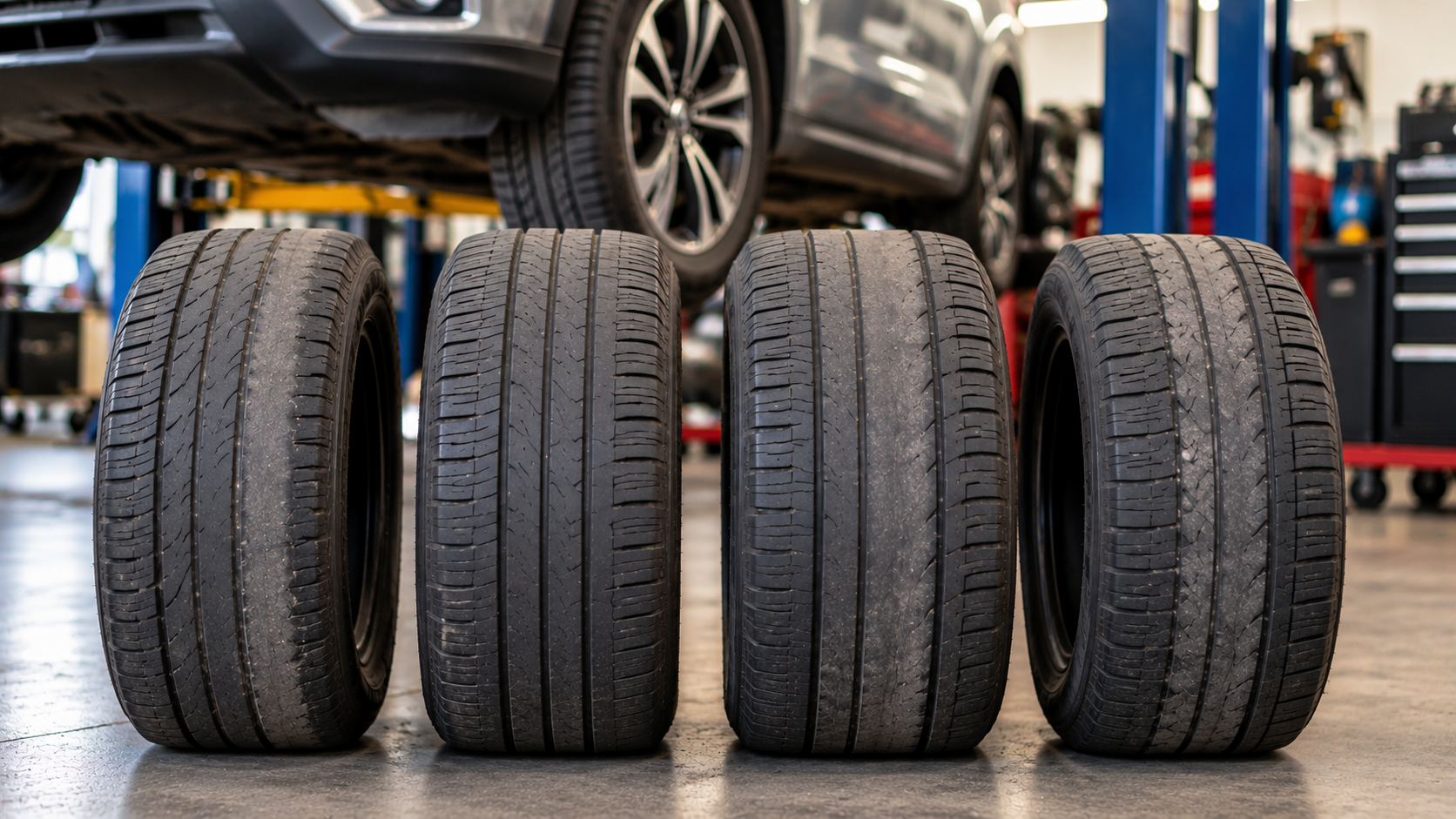
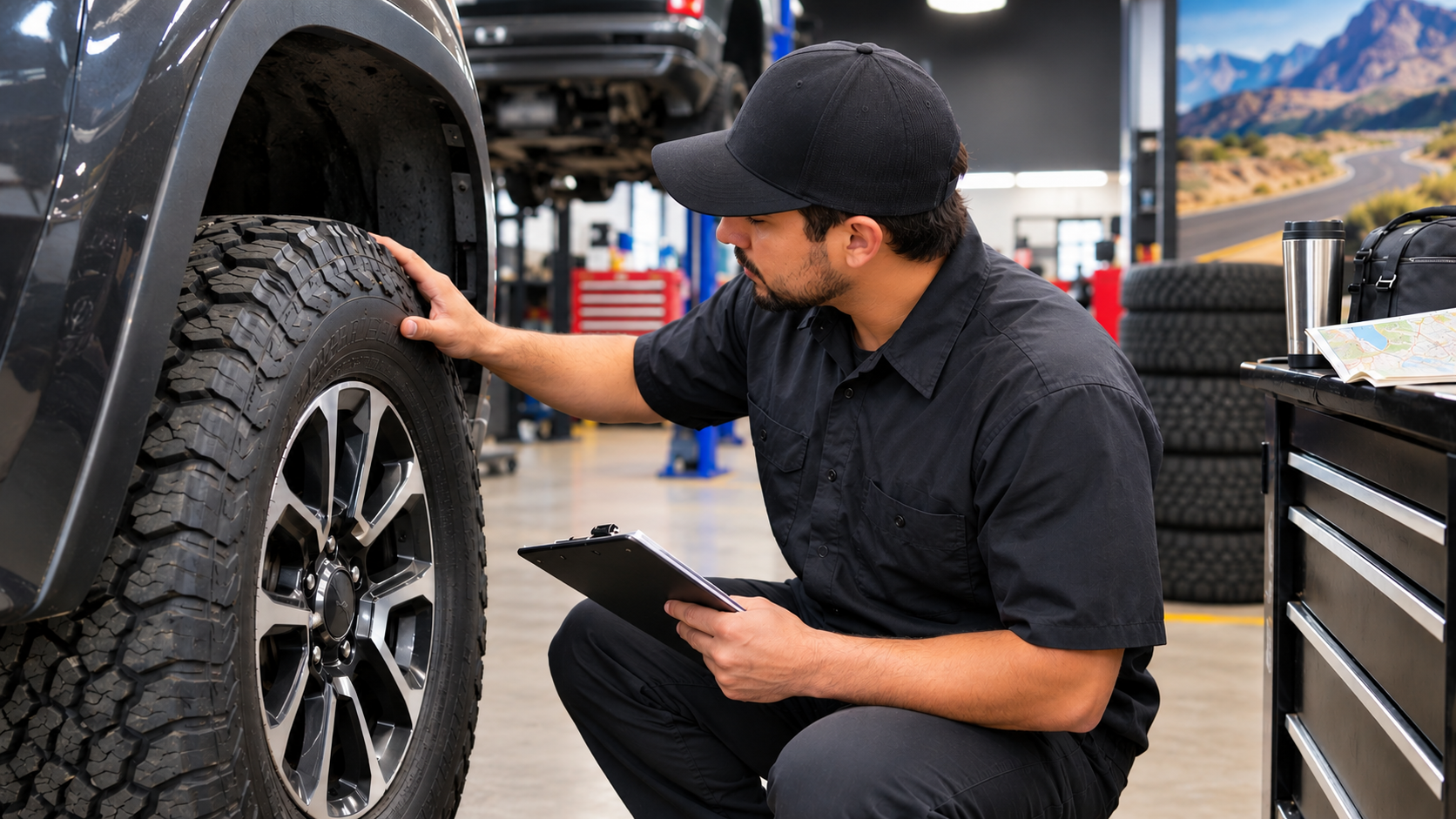
Your tires are the only parts of your vehicle that maintain direct contact with the road, making their condition particularly important during extended travel. Before leaving, inspect all four tires for visible damage, unusual wear, and sufficient tread depth.
Tread depth affects how effectively tires channel water away from the contact surface. As tread wears down, wet-weather traction can decrease, increasing the risk of hydroplaning. The National Highway Traffic Safety Administration recommends replacing tires when their tread reaches 2/32 of an inch, although wet-weather performance can decline before reaching that legal minimum in many jurisdictions.
At The Wheel Shop, our tire inspection services help customers evaluate whether their current tires are suitable for the miles ahead. We examine tread depth across the tire, looking for uneven wear that may indicate underlying mechanical concerns. We also check for cuts, bulges, cracking, puncture damage, and other conditions that could compromise tire integrity.
Tire age matters as well. A vehicle driven relatively few miles may still have tires that have deteriorated over time. Exposure to heat, sunlight, and environmental conditions can affect rubber compounds even when substantial tread remains. Our team can help determine whether replacement is advisable based on the tire’s age, condition, and manufacturer guidance.
Check Tire Pressure Before Loading Your Vehicle
Tire pressure influences handling, fuel efficiency, ride comfort, and heat buildup. Underinflated tires flex more than intended, generating additional heat during extended driving. Overinflated tires can also affect ride quality and how the tire contacts the pavement.
Before your trip, check tire pressure when the tires are cold, using the vehicle manufacturer’s recommended specifications. These are generally found on the driver’s door jamb label or in the owner’s manual, rather than on the tire sidewall. The sidewall typically lists the tire’s maximum permitted inflation pressure, not the recommended operating pressure for your vehicle.
The U.S. Department of Energy explains that properly inflated tires can improve fuel economy while supporting tire longevity. Maintaining the correct pressure becomes especially important when traveling with additional passengers, luggage, or equipment.
At The Wheel Shop, we help customers evaluate tire pressure alongside the vehicle’s expected travel load. If you are preparing for a vacation with a fully loaded SUV or a truck carrying additional equipment, we can review the applicable manufacturer recommendations and check whether your tire setup is appropriate for those demands.
Examine Your Wheels for Damage and Balance Problems
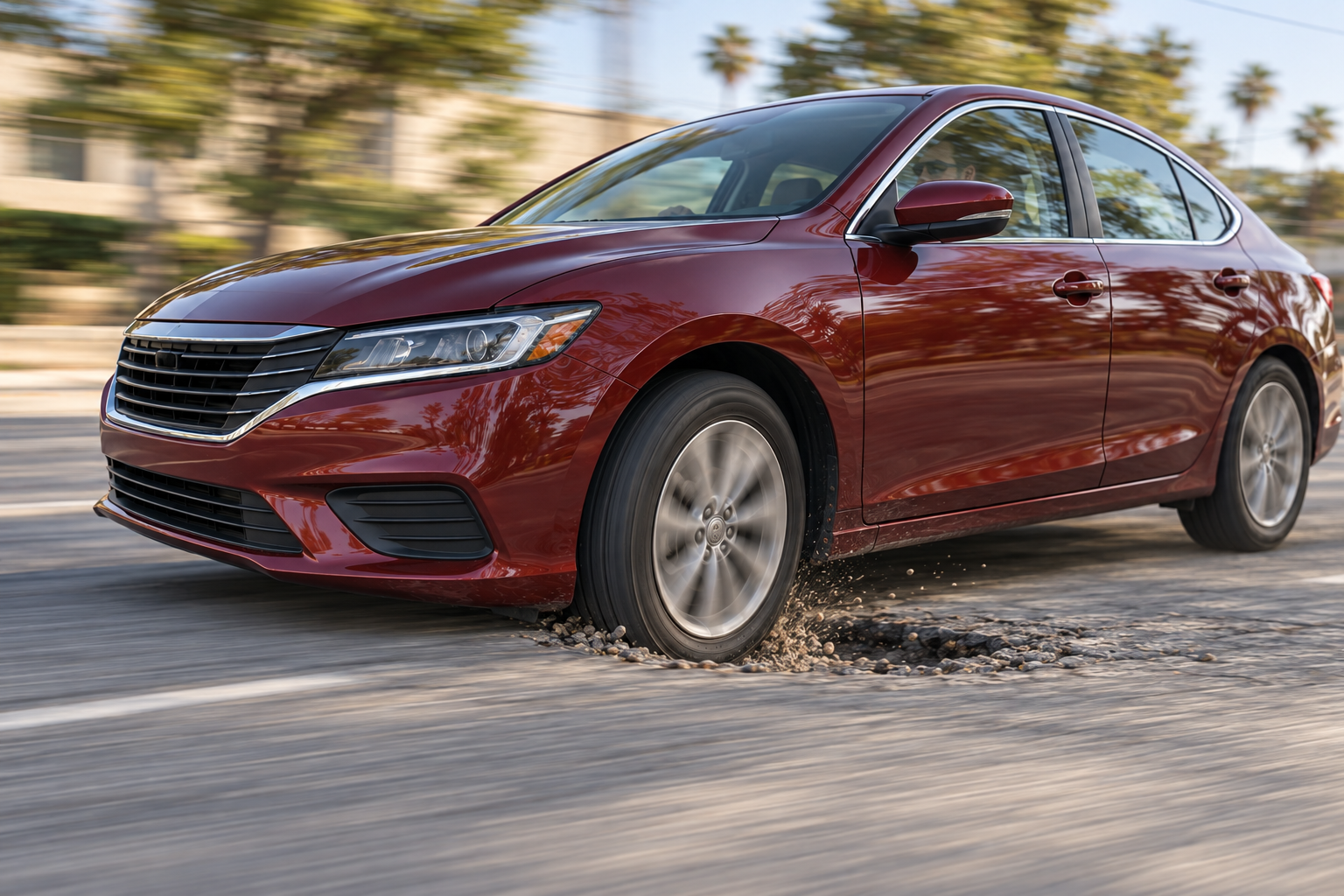
Tires often receive the most attention before a road trip, but the wheels supporting them deserve an equally careful examination. A wheel can sustain damage from potholes, curbs, or road debris without showing obvious symptoms during short drives.
Bent wheels may produce vibrations that become more noticeable at highway speeds. Damage can also interfere with how a tire seats against the wheel, potentially contributing to air loss. Cracks or structural damage can present more serious concerns that require professional evaluation.
At The Wheel Shop, our wheel repair services allow us to assess damaged wheels and determine whether an appropriate repair is possible or replacement is necessary. We work with aftermarket and OEM wheels, helping customers understand their options based on the wheel’s condition and intended use.
Wheel balance is another consideration. An imbalanced wheel and tire assembly can create steering wheel vibration, seat vibration, or an uncomfortable ride at certain speeds. Before a long journey, addressing these symptoms can improve comfort and help prevent unnecessary wear on related components.
Make Sure Your Wheel Alignment Is Ready for Highway Driving
A vehicle can appear to drive normally around town while still having an alignment problem. On longer highway stretches, however, even a slight tendency to pull toward one side can become tiring because the driver must continuously correct the steering.
Wheel alignment refers to the positioning of the wheels relative to the vehicle and road. When alignment angles fall outside the manufacturer’s specifications, tires may wear unevenly, steering response can change, and the vehicle may feel less stable.
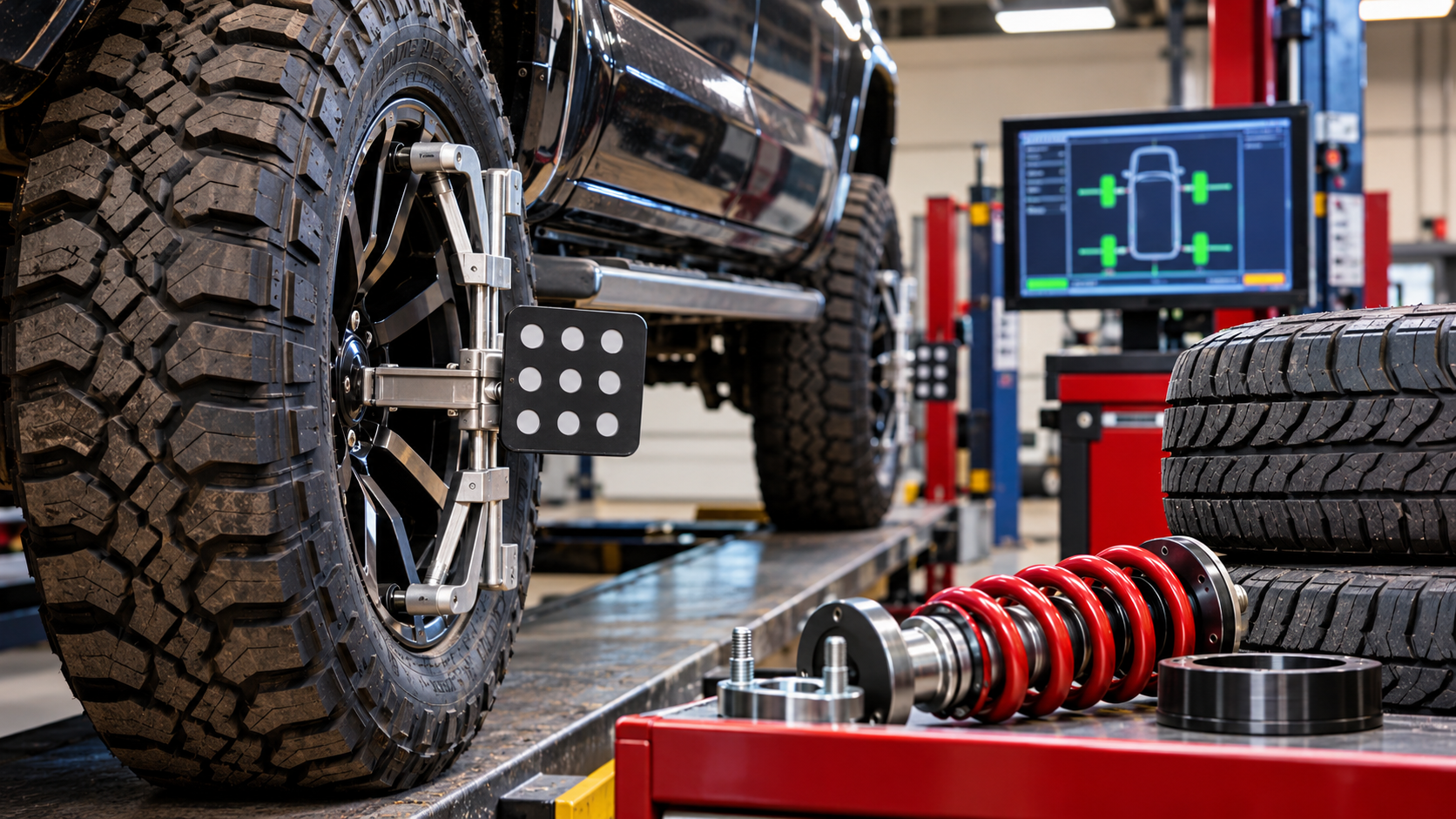
At The Wheel Shop, our alignment services help identify and correct alignment concerns when the vehicle’s components and adjustment capabilities permit. We evaluate alignment measurements and make appropriate adjustments to support predictable handling and more consistent tire wear.
Alignment becomes particularly important if your vehicle has recently encountered a significant pothole, received suspension work, or undergone changes to ride height. If the steering wheel sits off-center while driving straight or the vehicle consistently pulls on a level road, scheduling an inspection before departure is a sensible precaution.
Inspect Your Suspension for Stability and Comfort
Your suspension does more than absorb bumps. It helps maintain tire contact with the road, controls vehicle movement, and contributes to steering stability. Worn components can affect how your vehicle responds during braking, cornering, and sudden changes in direction.
Common warning signs include excessive bouncing after bumps, unusual clunking noises, uneven tire wear, or a vehicle that feels less controlled than it once did. Worn shocks or struts can also make extended travel uncomfortable, particularly on uneven highways.
At The Wheel Shop, our suspension services help customers address concerns involving ride quality, vehicle handling, and suspension modifications. Our certified mechanics can inspect relevant components and identify conditions that warrant repair or further evaluation.
For trucks and SUVs with modified suspensions, additional considerations may apply. Lift kits, leveling kits, and aftermarket components can change suspension geometry and wheel alignment requirements. We help drivers evaluate whether their current setup is appropriate for the type of driving they expect to encounter.
Consider How Additional Weight Changes Vehicle Performance
Packing for a long trip often means carrying considerably more weight than usual. Passengers, suitcases, camping supplies, and recreational equipment all contribute to the total load. That additional weight affects how your tires and suspension perform, particularly during braking, cornering, and travel over uneven pavement.
Before departure, verify that your vehicle remains within its manufacturer-specified weight limits, including its gross vehicle weight rating and axle ratings. Tire load capacity is equally important, especially for trucks and SUVs carrying heavy equipment or towing trailers.
At The Wheel Shop, we help customers understand how their wheels, tires, and suspension work together under different loading conditions. For vehicles equipped with aftermarket wheels or modified suspensions, we can evaluate compatibility and discuss whether the existing configuration is appropriate for the anticipated trip.
We also encourage drivers to consider how their vehicle handles when loaded. Changes in ride height, steering response, or suspension behavior may indicate that further evaluation is necessary before traveling.
Prepare for the Roads and Conditions Along Your Route
A road trip through Southern California can involve very different driving conditions within a relatively short distance. Drivers leaving Riverside may encounter desert highways, mountain roads, coastal routes, or unfamiliar pavement conditions. Each environment places different demands on the vehicle.
Desert travel introduces high temperatures that make proper tire condition and inflation especially important. Mountain routes require dependable handling during curves, elevation changes, and downhill braking. Rain or colder conditions can create additional traction concerns.
At The Wheel Shop, we help customers select tires and aftermarket wheels that match their driving habits and expected conditions. A tire suitable for daily city commuting may not be the best choice for a heavily loaded truck traveling through mountain terrain or across unpaved roads.
We can also discuss whether seasonal conditions, tire specifications, or existing modifications warrant attention before departure. Preparing for the actual route helps drivers make informed decisions rather than assuming every tire and wheel configuration performs equally well everywhere.
Frequently Asked Questions About Road Trip Vehicle Preparation
Even after completing a vehicle inspection, drivers may have questions about timing, unexpected problems, and what to do when travel plans change. The following considerations can help you prepare for situations beyond routine maintenance.
How far in advance should I schedule a pre-road-trip inspection?
Ideally, schedule an inspection one to two weeks before departure. This provides time to identify concerns, arrange necessary repairs, and obtain replacement components if needed. More extensive modifications or specialized wheel and tire orders may require additional lead time.
Should I inspect my spare tire before a road trip?
Yes. If your vehicle has a spare tire, verify its condition, inflation pressure, and accessibility. Check that the necessary tools are present and that you understand any restrictions associated with a temporary spare. Some newer vehicles use tire repair kits instead of spare tires, so review the equipment provided by your manufacturer.
What should I do if I notice a new vibration during my trip?
Reduce speed safely and stop in an appropriate location to check for obvious tire damage or inflation problems. If the vibration is severe, worsens, or accompanies unusual steering behavior, avoid continuing until the vehicle has been professionally evaluated. A new vibration should not automatically be attributed to wheel balance.
Is another inspection necessary after returning from a long trip?
Not every vehicle requires a professional inspection immediately after traveling. However, an evaluation may be worthwhile if you encountered severe potholes, rough roads, unusual vibrations, or changes in handling. Addressing new symptoms promptly can help prevent additional tire or component wear.
The Wheel Shop Difference
Preparing your vehicle for a long road trip should involve more than a quick visual check. At The Wheel Shop, we bring over twenty years of industry experience to helping Riverside drivers maintain dependable wheels, tires, alignment, and suspension systems. Our approach focuses on identifying potential concerns, explaining available solutions, and helping customers make informed decisions before traveling.
Our certified mechanics bring specialized training, industry certifications, and practical expertise to every repair and installation. Whether your vehicle needs tire replacement in Riverside, professional wheel repair, precision alignment, or suspension attention, we provide services designed around your vehicle’s condition and driving requirements.
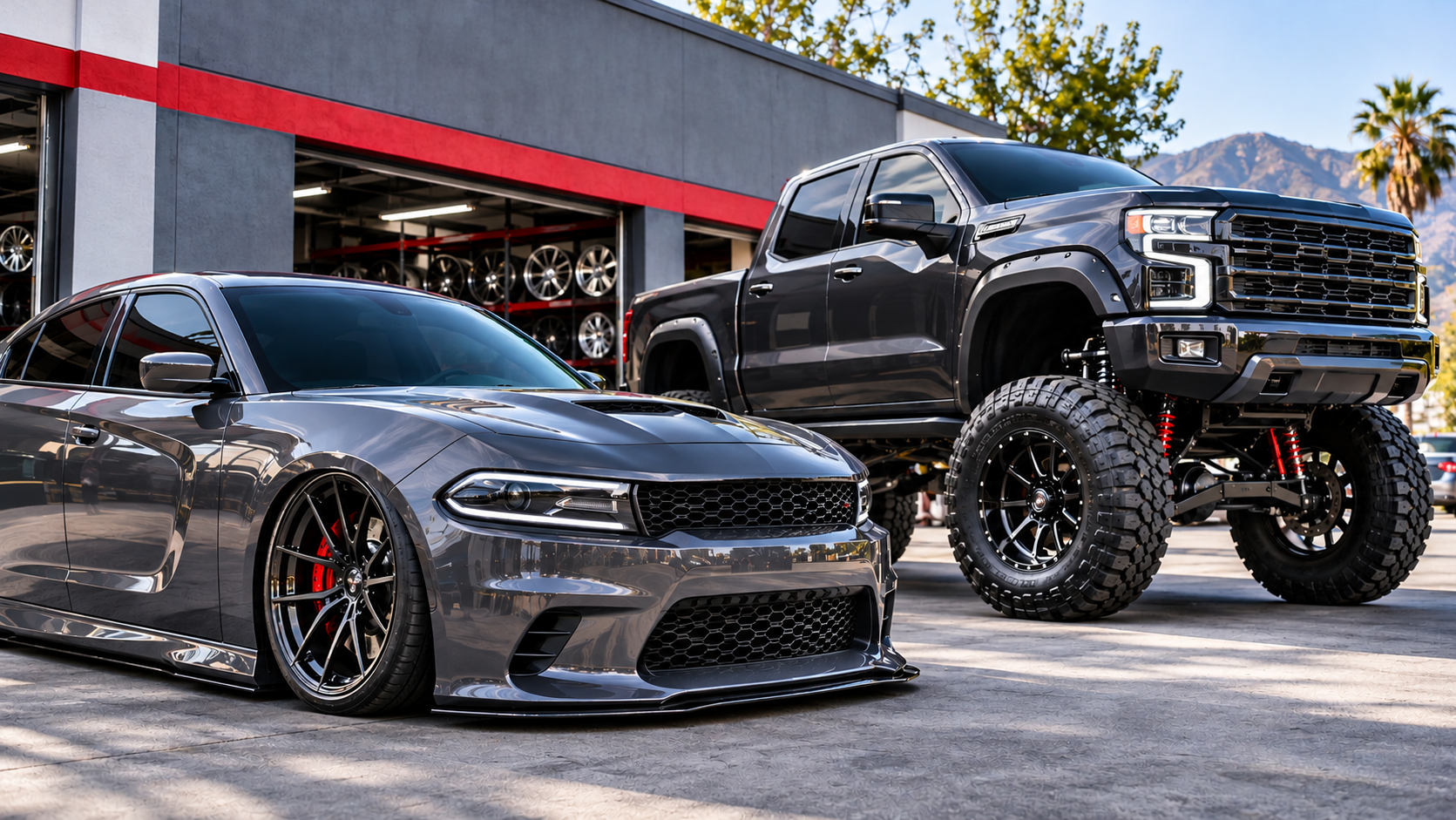
The Wheel Shop also specializes in aftermarket and OEM wheels, powder coating, chrome plating, calipers, and truck and car accessories. Our broad range of services allows us to help customers with both essential maintenance and vehicle customization, whether they are preparing for a family vacation or upgrading a truck for future adventures.
Before your next road trip, visit The Wheel Shop in Riverside, California, or call (951) 588-1222 to discuss your vehicle’s needs and schedule an inspection. With professional attention to the components that connect your vehicle to the road, you can begin your journey with greater confidence and focus on enjoying the miles ahead.