Why Believing Wheel Myths Can Cost You Thousands
Wheel-related decisions often seem straightforward, yet they are frequently influenced by assumptions that have been repeated for years without being questioned. Many vehicle owners rely on common wheel myths when choosing wheels, maintaining them, or addressing performance concerns, believing these ideas to be harmless or even helpful. In reality, these misconceptions can lead to poor purchasing decisions, unnecessary repairs, compromised safety, and long-term costs that far exceed the price of getting accurate information from the start.
Understanding the difference between fact and fiction is essential for anyone who wants to protect their vehicle, their budget, and their driving experience. By examining the most common wheel myths and explaining why they persist, it becomes clear how easily well-intentioned choices can turn into costly mistakes. Gaining clarity on these issues allows drivers to make informed decisions that improve performance, extend component life, and avoid expenses that could have been prevented with the right knowledge.
Here are the most expensive wheel myths you need to stop believing:
- Small scratches don’t matter – Curb rash weakens protective finishes, leading to corrosion.
- DIY kits work just as well – These temporary fixes can hide structural problems.
- Potholes only hurt tires – They also bend rims, crack wheels, and damage suspension.
- Alignment fixes bent wheels – Alignment adjusts angles, not physical damage.
- Damaged alloy wheels must be replaced – Many can be professionally repaired for a fraction of the cost.
- Aftermarket wheels are just for looks – Quality options can improve handling and braking.
The truth is, most drivers don’t know enough about proper wheel care. Industry research shows 83% of drivers lack basic knowledge about tire and wheel maintenance. This leads to ignored damage, unsafe DIY attempts, and unnecessary replacements.
When you believe these myths, small problems become expensive disasters. A tiny scratch turns into rust, a bent rim destroys your suspension, and a “temporary” DIY fix fails at highway speed. This guide cuts through the misinformation, teaching you which damage needs immediate attention and when professional repair beats replacement.
Myths About Cosmetic and Minor Wheel Damage
Many vehicle owners believe that cosmetic and minor wheel damage is purely a visual issue that can be safely ignored, but this misconception often leads to more serious and expensive problems over time. Small bends, cracks, curb rash, or chipped finishes may seem insignificant, yet they can compromise wheel balance, structural integrity, and proper tire seating, which in turn affects handling, ride quality, and tire wear. Ignoring minor damage can allow corrosion to develop beneath the surface, weaken the wheel material, and increase the risk of air leaks or sudden failure under stress. What is often dismissed as a cosmetic flaw can gradually escalate into a safety concern or require full wheel replacement, making early inspection and repair far more cost-effective than waiting until the damage worsens.
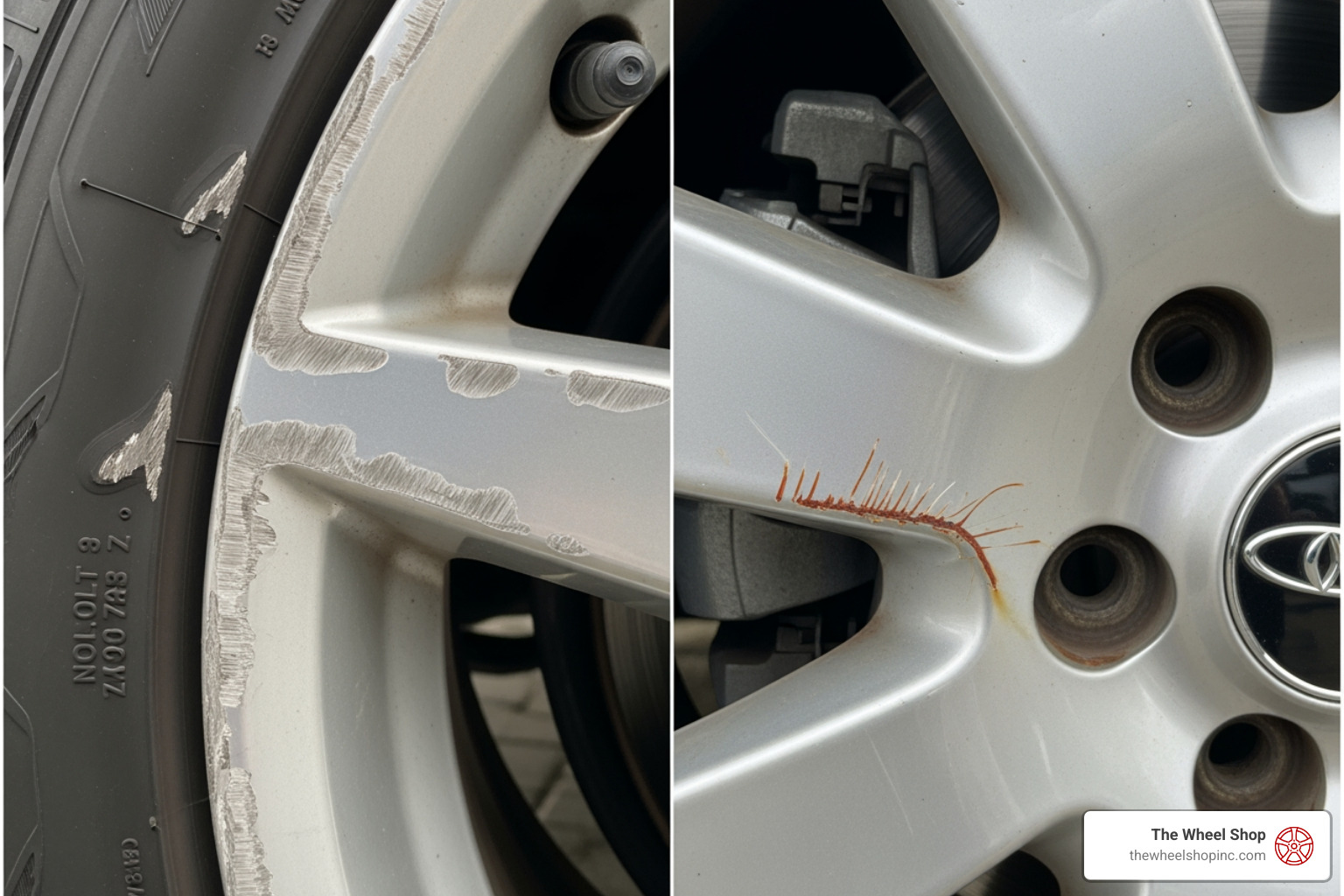
Myth #1: A Little Curb Rash or a Scratch is No Big Deal
Many drivers think minor curb rash or a scratch is just an aesthetic issue. This is a dangerous misconception. A wheel’s factory finish is a protective shield against road salt, moisture, and chemicals. When a scratch breaks this shield, it allows contaminants to seep underneath, leading to serious problems.
This can cause corrosion on alloy wheels, leading to bubbling paint and flaking metal. On steel wheels, it can lead to rust that eats away at the metal. Over time, this corrosion compromises structural integrity, making the wheel more susceptible to cracks or bends from future impacts. What starts as a simple cosmetic fix can escalate into a costly restoration or full replacement. Addressing curb rash and scratches promptly is crucial. For specialized issues like Dealing with Curb Rash on a Tesla or a full Wheel Restoration Service, professional repair is the best course of action.
Myth #2: DIY Repair Kits are a Cheap and Effective Fix
Many drivers believe that do-it-yourself wheel repair kits offer a cheap and effective solution for fixing common wheel damage, particularly curb rash, scratches, or minor bends. These kits are often marketed as quick fixes that restore appearance and function without the cost of professional service. In reality, most DIY kits are designed only to mask surface imperfections rather than address the underlying structural or material issues that may be present. While the wheel may look improved at first glance, the damage beneath the surface often remains untreated.
Another misconception is that these kits provide long-term durability. The materials used in DIY repairs typically lack the strength, flexibility, and adhesion required to withstand heat, road vibration, and environmental exposure. As a result, repairs may crack, peel, or discolor over time, leading to repeated fixes or more extensive damage. Improper sanding, filling, or refinishing can also remove protective coatings and weaken the wheel, increasing the risk of corrosion or further deterioration.
Perhaps the most costly aspect of relying on DIY repair kits is the potential to delay proper evaluation and repair. What appears to be minor cosmetic damage may actually involve a bend or hairline crack that requires professional assessment. By attempting a temporary fix, vehicle owners may continue driving on a compromised wheel, increasing the risk of tire issues, alignment problems, or sudden failure. In many cases, the money spent on DIY kits ultimately adds to the total repair cost once professional intervention becomes unavoidable.
Myths About Structural Damage from Road Hazards
A common myth surrounding structural wheel damage is the belief that road hazards such as potholes, debris, or uneven pavement only cause immediate and obvious problems. Many drivers assume that if a wheel does not crack visibly or lose air right away, no real damage has occurred. In reality, impacts from road hazards can cause subtle bends, stress fractures, or internal weakening that may not be noticeable during normal driving at first. These hidden issues can gradually worsen, leading to vibration, uneven tire wear, air pressure loss, or sudden wheel failure under higher speeds or loads. Dismissing the potential for structural damage after a hard impact often results in more extensive repairs or full replacement that could have been avoided with timely inspection.
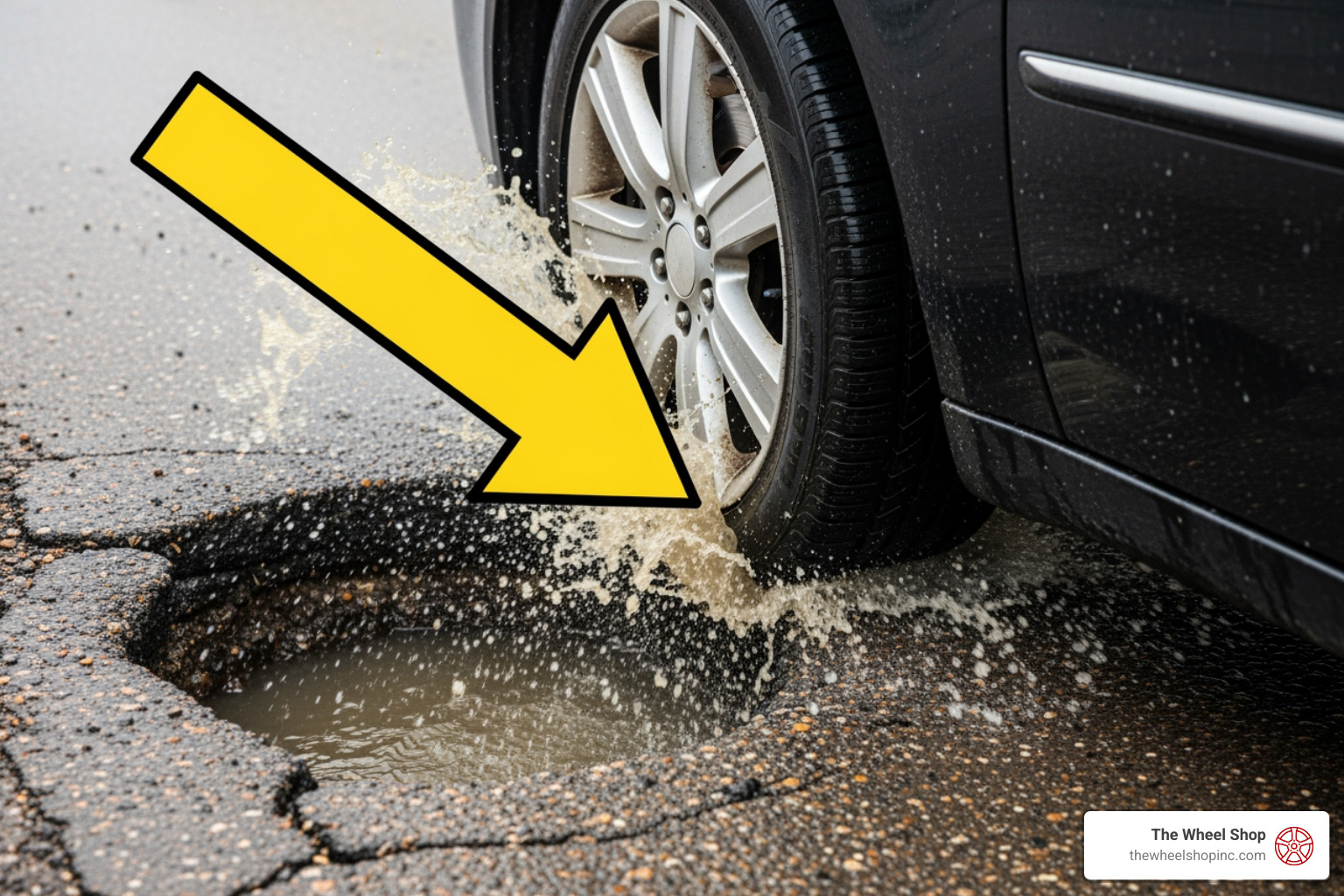
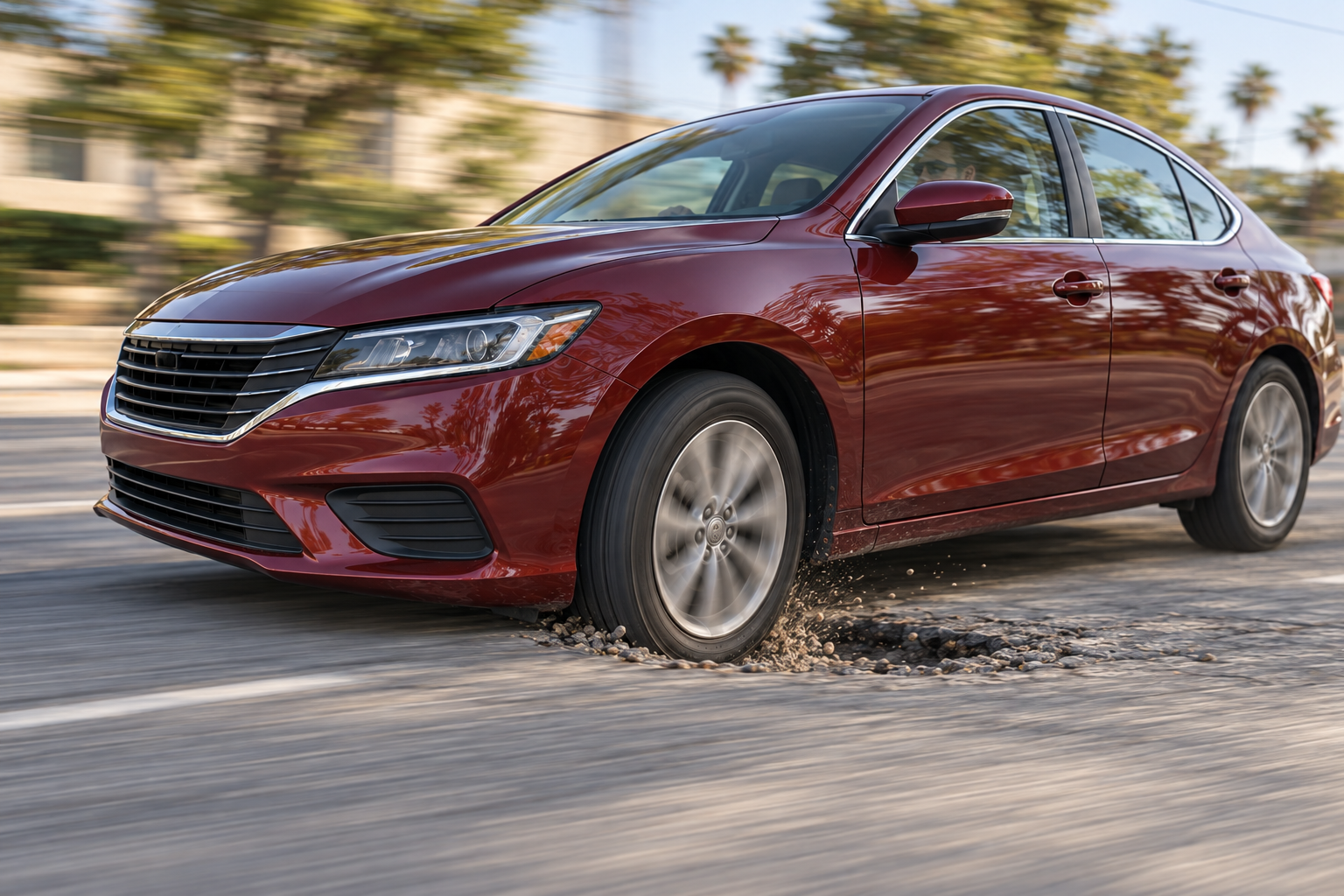
Myth #3: Potholes Only Damage Your Tires
A dangerous myth is that potholes only harm your tires. While a blowout is possible, the impact’s force can cause significant damage to the wheel and other components. A pothole can easily cause bent rims, leading to air leaks and vibrations, or even cracked wheels, which compromise structural integrity and can lead to catastrophic failure.
The damage doesn’t stop there. The impact can harm wheel bearings and critical suspension components like shocks, struts, and ball joints. This leads to poor handling, grinding noises, and premature tire wear. Even without visible damage, vibrations after hitting a pothole are a clear warning sign. Always inspect your wheels after a significant impact. Learn more in our articles on How Potholes Affect Wheels and Alloy Wheel Pothole Repair.
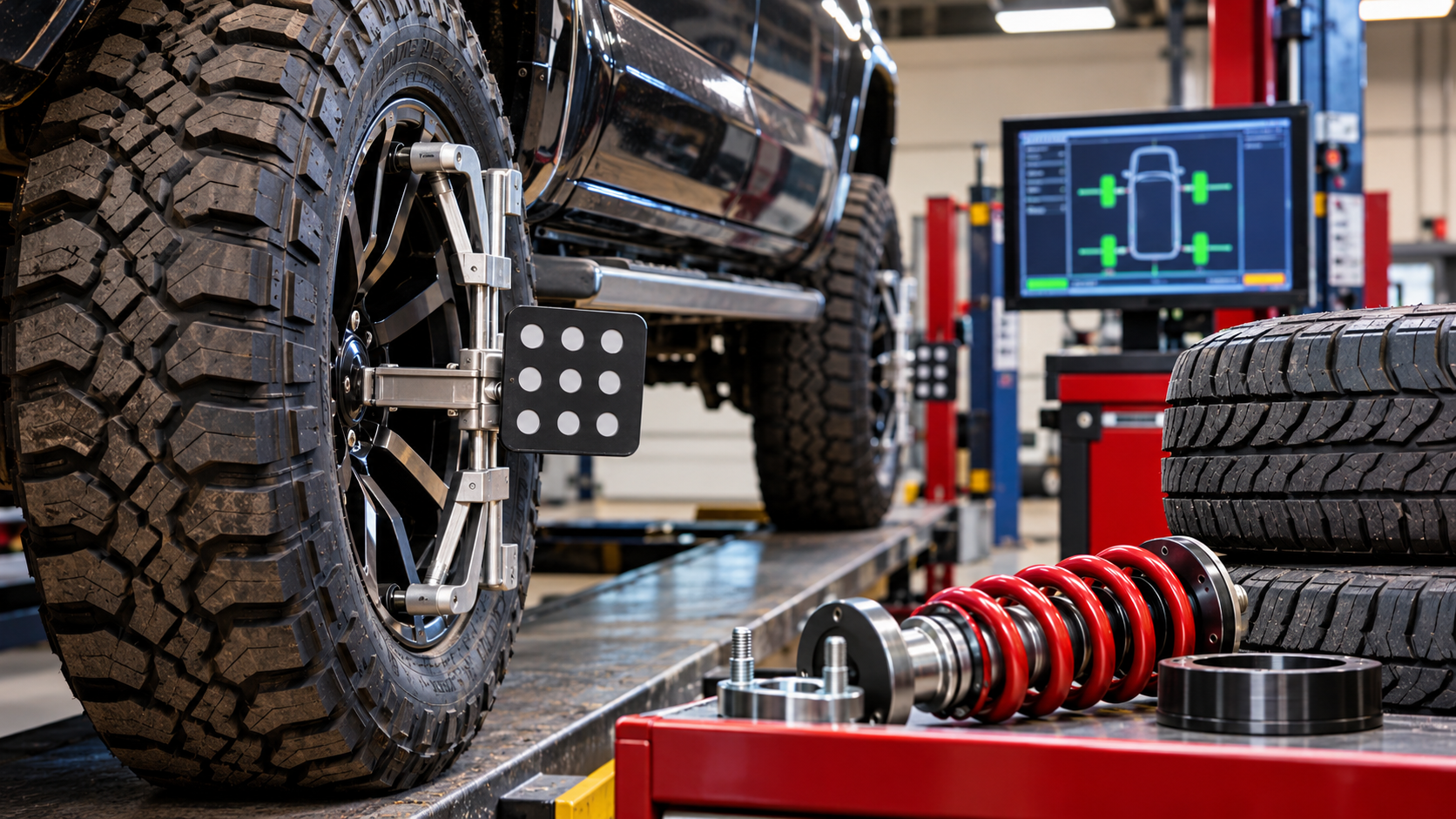
Myth #4: A Wheel Alignment Will Fix Vibrations from a Bent Rim
Many drivers experiencing vibrations after hitting a pothole mistakenly believe a wheel alignment will fix it. This confusion between alignment and physical wheel repair leads to wasted money and unresolved problems.
It’s important to understand the difference:
- Wheel Alignment: Adjusts the angles of the wheels for proper handling and tire wear, as detailed in our guide on Why Proper Wheel Alignment Is Crucial.
- Wheel Balancing: Corrects weight distribution to eliminate vibrations.
- Bent Rim Repair: Physically reshapes a deformed wheel.
An alignment cannot fix a physically bent rim. Trying to do so is a waste of money and ignores the root cause of the vibration. A bent rim will continue to cause stress on your tires and suspension, leading to accelerated wear and creating a safety hazard. If you feel vibrations, have your wheels inspected for physical damage first. A bent rim must be repaired before an alignment can be effective. We provide Precision Wheel Alignment & Balancing but always ensure the wheel itself is structurally sound.
Common Repair and Replacement Myths
Wheel-related issues are often misunderstood, leading many vehicle owners to make decisions based on long-standing myths rather than accurate information. Assumptions about what damage matters, which repairs are effective, and when replacement is truly necessary can result in unnecessary expenses, compromised safety, and shortened wheel and tire life. By identifying and addressing the most common wheel myths, drivers can better understand how seemingly minor choices influence long-term repair costs, vehicle performance, and overall reliability.
Myth #5: Any Damaged Alloy Wheel Must Be Replaced
One of the most expensive myths is that any damaged alloy wheel must be replaced. In reality, many types of damage can be professionally repaired for a fraction of the cost of a new wheel, restoring both performance and appearance.
Most bent alloy wheels can be straightened, and even minor cracks can often be welded. This is far more cost-effective than buying a new wheel. However, some damage is too severe for safe repair, including:
- Severe cracks (e.g., through a spoke or near lug nuts)
- Extensive bending or warping
- Missing chunks of metal
Myth #6: Aftermarket Wheels Are Only for Show
Dismissing aftermarket wheels as being just for looks is a common mistake. While they improve appearance, quality aftermarket wheels offer significant performance benefits.
Lighter wheels reduce unsprung weight (the weight not supported by the suspension). This leads to:
- Improved Handling: The car feels more nimble and responsive.
- Better Acceleration and Braking: Less mass to rotate means quicker response times.
- Improved Fuel Economy: Lighter wheels can marginally improve efficiency. Learn more in our article, Does Wheel Weight Really Matter?.
Additionally, many designs improve airflow for better brake cooling, reducing brake fade. They also offer customization for specific fitments or tire sizes. While cheap options exist, high-quality aftermarket wheels are engineered for performance, not just looks.
Proactive Wheel Care: Your Best Defense Against Damage
Now that we’ve debunked some common myths, let’s focus on proactive care. Regular maintenance and attentive driving are your most effective tools for preventing costly damage and ensuring safety and performance.
Here are our best practices for proper wheel maintenance:
- Regular Inspections: Inspect your wheels often, especially after hitting a pothole. Look for scratches, dents, or cracks to catch problems early.
- Proper Cleaning: Regularly clean wheels with a gentle, wheel-safe cleaner to prevent corrosive brake dust and grime buildup. See our guide on Avoid Making These Mistakes When Cleaning Your Wheels.
- Drive Cautiously: Be mindful of potholes, curbs, and speed bumps to reduce the risk of impact damage.
- Maintain Correct Tire Pressure: Use the recommended PSI found on your driver’s side door jamb, not the maximum PSI on the tire’s sidewall. Correct pressure is vital for wheel and tire health. A 2015 survey found 83% of drivers don’t know how to check pressure properly. Learn more in Why Proper Tire Pressure Is More Important Than You Think.
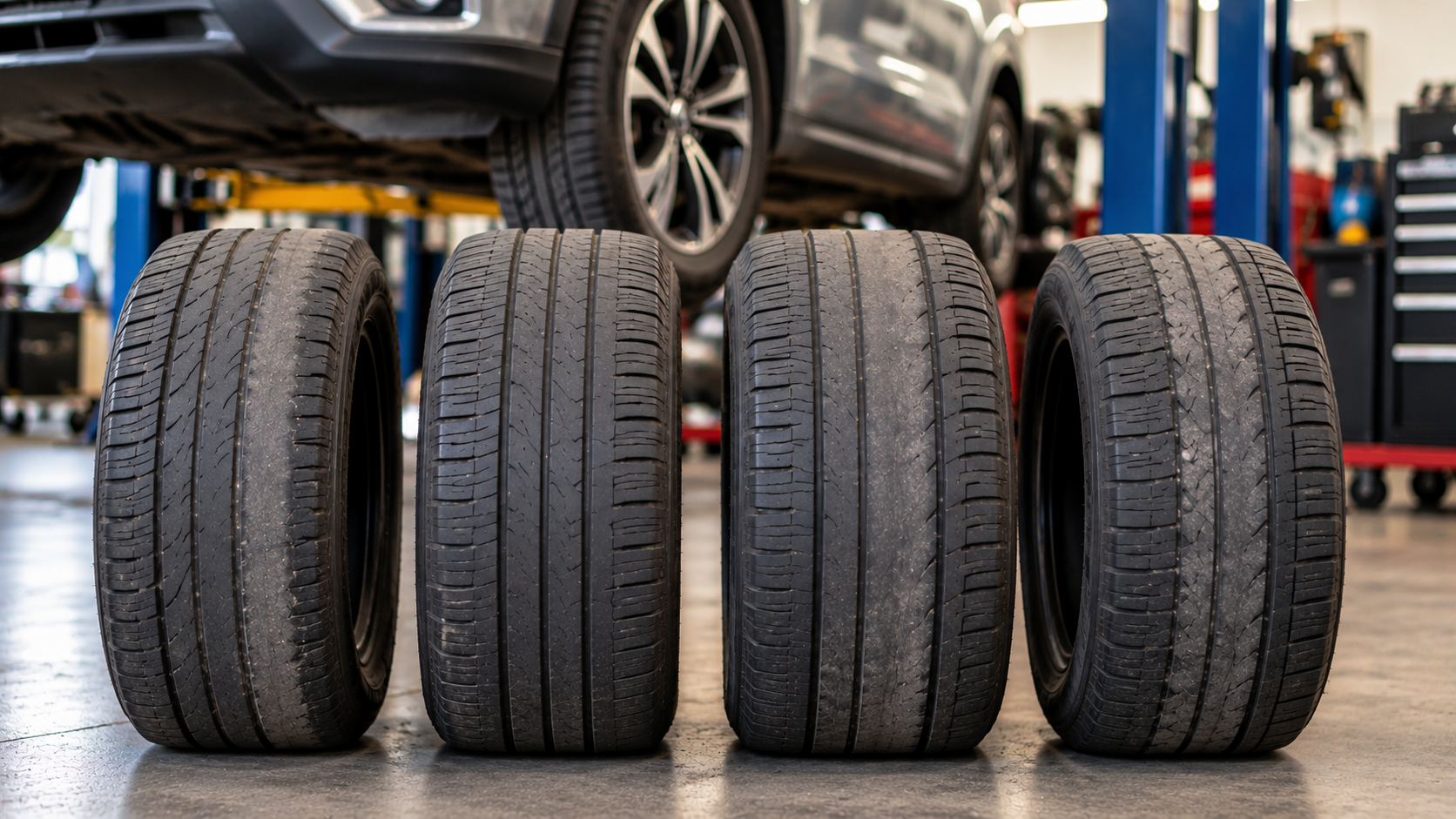
- Regular Tire Rotation: Rotate tires every 5,000-8,000 miles to ensure even wear and reduce stress on wheels and suspension.
- Address Minor Damage Early: Promptly repair small scratches and curb rash to prevent corrosion and more expensive problems later.
Monthly Wheel Inspection Checklist:
- Visual Check for Damage:
- Look for new scratches, scuffs, or curb rash.
- Check for dents or bends on the inner and outer rim.
- Inspect for cracks, especially around spokes or lug nut holes.
- Examine the finish for bubbling, peeling, or corrosion.
- Tire Condition:
- Check tread depth and look for bulges, cuts, or uneven wear.
- Tire Pressure:
- Check all tires (including the spare) when cold with a reliable gauge.
- Lug Nuts:
- Ensure all lug nuts are present and secure.
- Overall Feel:
- Pay attention to new vibrations, pulling, or unusual noises while driving.
By following these best practices, you can extend the life of your wheels and avoid costly mistakes. For more comprehensive advice, we recommend resources like the AAA guide to tire maintenance.
Frequently Asked Questions about Wheel Damage
Wheel damage and repair decisions often raise important questions, especially when misinformation and long-standing myths influence what drivers believe to be true. The following frequently asked questions address common concerns about wheel damage, repair options, and replacement decisions, helping clarify when action is necessary and what steps can prevent unnecessary costs. By understanding these key points, vehicle owners can make more informed choices that protect safety, performance, and long-term value.
How do I know if my wheel is damaged?
Look for both visible and performance-related signs.
- Visible Signs: Check for scratches, curb rash, dents, bends, and especially cracks around the spokes or lug nuts. Also look for bubbling paint or rust, which indicates corrosion.
- Performance Issues: Pay attention to vibrations in the steering wheel or seat, rhythmic thumping noises, consistent air loss in a tire, or the vehicle pulling to one side.
If you notice any of these, get a professional inspection. Learn more about the Most Common Causes of Wheel Damage.
Can a damaged rim affect my car’s suspension?
Absolutely. A damaged rim creates vibrations and imbalances that transfer stress directly to your suspension system. This can throw off your alignment, cause uneven tire wear, and lead to premature failure of critical components like ball joints, tie rods, wheel bearings, shocks, and struts. Ignoring a bent or cracked wheel can create a domino effect of costly repairs that extend far beyond the wheel itself.
What are the long-term consequences of ignoring minor wheel damage?
Ignoring minor wheel damage leads to a cascade of expensive and dangerous problems.
- Corrosion and Deterioration: A small scratch allows moisture to get under the finish, causing corrosion that spreads and weakens the wheel’s metal.
- Structural Failure: A minor bend can worsen with time, and a hairline crack can grow, potentially leading to a catastrophic wheel failure at high speed.
- Tire Issues: A bent rim can cause slow air leaks, leading to underinflated tires that can overheat and blow out.
- Collateral Damage: A bad wheel will prematurely wear out expensive tires, suspension, and steering components.
- Increased Costs and Compromised Safety: What starts as a cheap fix becomes an expensive replacement, all while compromising your vehicle’s handling, braking, and overall safety. The True Cost of Ignoring Wheel and Tire Maintenance is always higher than proactive repair.
The Wheel Shop Difference
Proper wheel care and informed decision-making are essential to avoiding costly mistakes in repair and replacement. Many vehicle owners fall prey to common myths, believing that cosmetic damage is harmless, DIY repair kits provide a permanent solution, or road impacts are insignificant if no immediate issues appear. In reality, even minor damage can compromise wheel safety, performance, and longevity, leading to more expensive repairs if left unaddressed. Understanding the facts and taking a proactive approach allows drivers to protect their investment, maintain vehicle safety, and extend the life of both wheels and tires.
Partnering with knowledgeable professionals is one of the most effective ways to ensure wheels are properly inspected, repaired, and maintained. The Wheel Shop in Riverside, California, offers expert assessment and professional repair services that go beyond surface fixes, addressing both cosmetic and structural issues with precision and care. Their team helps vehicle owners make informed choices, avoid costly errors, and maintain the performance and safety of their vehicles.
By combining proactive maintenance with professional expertise, drivers can minimize risks, reduce unnecessary expenses, and enjoy the confidence that comes from knowing their wheels are in top condition. Whether dealing with minor scratches or evaluating potential structural damage, The Wheel Shop in Riverside, California, provides the guidance, services, and peace of mind that every vehicle owner needs.
Contact us for a professional wheel repair assessment today!