Why Proper Tire Fitment is Critical for Your Vehicle’s Safety and Performance
Proper tire fitment is often misunderstood as a simple matter of matching numbers on a sidewall, yet the reality is far more complex. While size is an important starting point, it represents only one variable in a carefully engineered system designed to balance safety, performance, and efficiency. Vehicle manufacturers consider weight distribution, suspension geometry, braking characteristics, and intended use when specifying tire requirements, making fitment a science rooted in precision rather than convenience.
When tires are properly matched to a vehicle’s design, they work in harmony with steering, handling, and traction systems to deliver predictable and reliable performance. Incorrect fitment can disrupt this balance, affecting everything from ride quality and fuel economy to braking distances and tire wear. Understanding the science behind proper tire fitment highlights why informed selection goes well beyond size alone and plays a critical role in protecting both the vehicle and its occupants.
Key factors include:
- Dimensions: Width, aspect ratio, and diameter impact steering, comfort, and the size of the contact patch.
- Ratings: Load index and speed rating determine safe weight and speed limits.
- Pressure: Affects grip, handling, fuel economy, and tire life.
- Construction: The type (radial, run-flat) and materials influence durability and ride quality.
- UTQG Ratings: Help compare treadwear, traction, and temperature resistance.
- Age & Tread Depth: Tires degrade over time, and a minimum tread depth of 2/32 of an inch is a legal safety requirement.
What Is Fitment?
Fitment refers to how well a tire and wheel combination matches the specific design and operating requirements of a vehicle. It encompasses more than basic dimensions and includes factors such as load capacity, speed rating, width, diameter, aspect ratio, and how the tire interacts with the suspension and braking systems. Proper fitment ensures that the tire sits correctly on the wheel, clears critical components, and maintains the manufacturer’s intended handling and safety characteristics.
When fitment is correct, the tire can perform as designed under a wide range of driving conditions. Steering response remains predictable, braking distances are optimized, and weight is distributed evenly across the tire’s contact patch. This balance reduces uneven wear, improves ride comfort, and supports the effectiveness of modern safety technologies such as anti-lock braking systems and stability control.
Poor fitment, by contrast, can introduce mechanical stress and compromise vehicle performance. Tires that are too large, too small, or improperly rated may cause rubbing, reduced traction, inaccurate speedometer readings, and increased strain on suspension components. Understanding fitment helps vehicle owners make informed decisions that protect both safety and long-term reliability.
Decoding the Sidewall: Understanding Key Tire Dimensions
Ever looked at your tire’s sidewall and felt like you were reading a secret code? Those numbers and letters tell a crucial story about your tire’s capabilities. Understanding them is the first step in mastering the fitment.

Let’s break down a common tire size, “P225/45R17 91V”:
- “P”: Indicates the tire type, “P” for Passenger car or “LT” for Light Truck. Its absence often indicates a Euro-Metric tire.
- “225”: The section width in millimeters, from sidewall to sidewall.
- “45”: The aspect ratio. This is the sidewall height as a percentage of the tire’s width (45% of 225mm). Lower numbers mean shorter sidewalls, common on performance tires.
- “R”: The internal construction. “R” stands for Radial, the most common type today.
- “17”: The wheel diameter in inches that the tire is designed to fit.
For a deeper dive, check our guide on Understanding Wheel and Tire Dimensions. We also offer a wide range of Tires to suit any need.
How Tire Dimensions Affect Vehicle Performance
Each dimension plays a vital role:
- Tire Width: A wider tire generally provides a larger contact patch, improving traction and stability. However, it can also increase rolling resistance and slightly reduce fuel economy. Narrower tires may improve fuel efficiency.
- Aspect Ratio (Sidewall Height): A higher aspect ratio (taller sidewall) offers more cushioning for a smoother ride. A lower aspect ratio (shorter sidewall) provides less flex, leading to quicker steering response and a sportier feel, but often a harsher ride. This is a common trade-off for drivers in Riverside, CA, balancing performance with comfort.
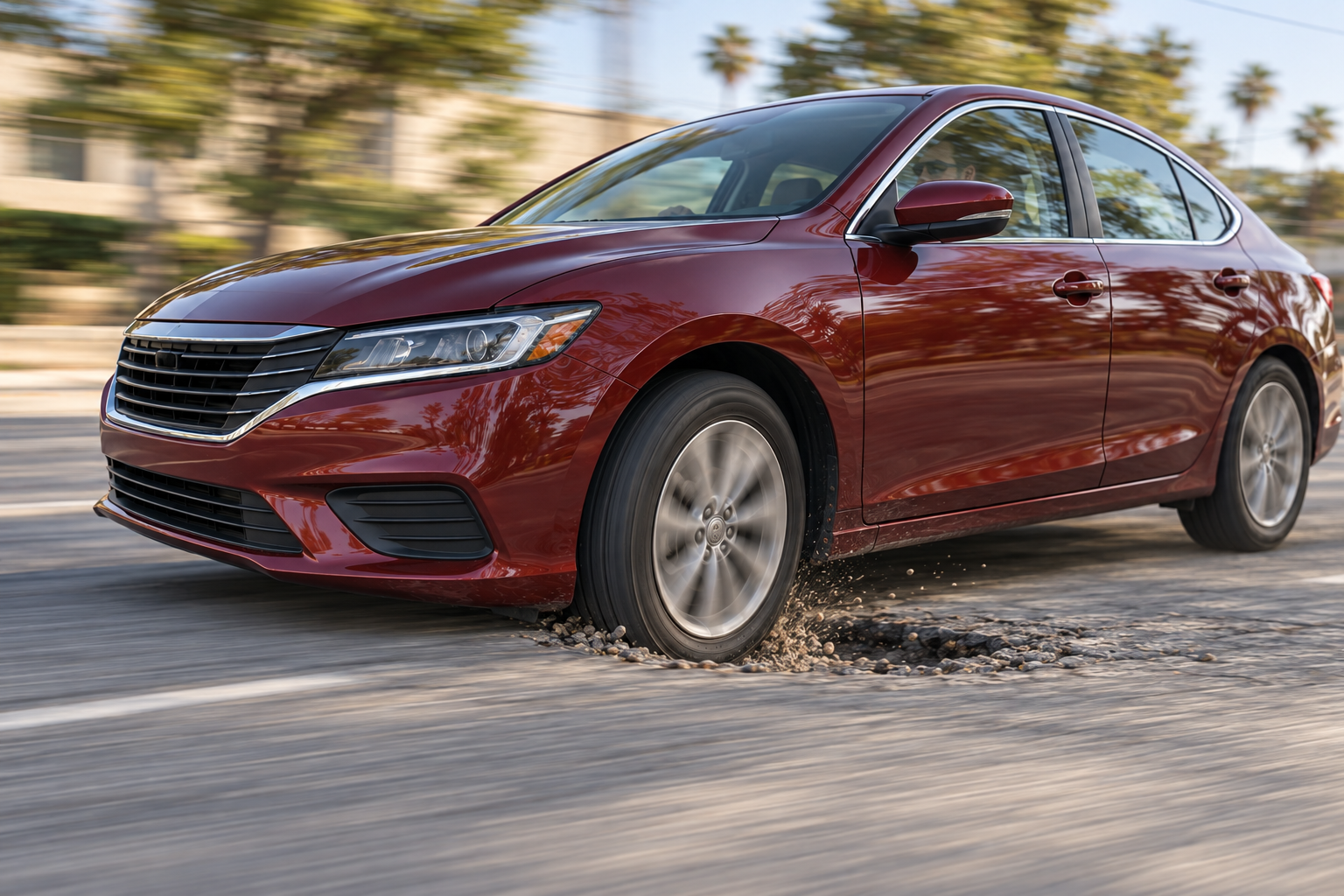
- Wheel Diameter: Larger wheels can accommodate bigger brakes but, when paired with low-profile tires, can lead to a firmer ride and increase the risk of rim damage from potholes.
Understanding these dynamics is key to appreciating How Wheel Size Impacts Ride Quality, Handling, and Fuel Economy.
The Significance of Load Index and Speed Rating
Beyond size, the load index and speed rating are critical safety indicators.
- Load Index: This number (e.g., “91” in our example) corresponds to the maximum weight a single tire can support when properly inflated. A ’91’ index means the tire supports 1,356 pounds. Exceeding this limit, especially when towing or hauling heavy loads, can cause catastrophic tire failure.
- Speed Rating: This letter (e.g., “V”) indicates the maximum safe speed for a sustained period. A ‘V’ rating is for speeds up to 149 mph. While you may not drive that fast, a higher rating often means better handling and heat dissipation at normal speeds. Using a tire with an insufficient speed rating is dangerous.
These ratings are established through rigorous testing. For more on tire safety, refer to resources like More about tire safety from NHTSA.
Beyond the Basics: How Construction and Type Influence Vehicle Dynamics
Tire performance is shaped not only by size and fitment, but by the underlying construction and type of tire chosen for the vehicle. Internal design elements such as tread patterns, sidewall stiffness, rubber compounds, and belt materials directly influence how a vehicle responds to steering input, braking forces, and road conditions. These characteristics determine how effectively a tire manages grip, absorbs impact, and maintains stability at varying speeds.
Understanding how construction and tire type affect vehicle dynamics reveals why different tires can produce dramatically different driving experiences, even when they share the same dimensions. The right combination supports predictable handling and control, while the wrong choice can alter balance and responsiveness in ways that affect both comfort and safety.
Tire Construction: Radial, Tubeless, and Material Influence
Modern tire construction is complex:
- Radial Ply: The “R” on your tire, this design features plies running perpendicular to the direction of travel, providing a balance of comfort, durability, and handling.
- Tubeless Tires: The standard today, they form an airtight seal with the wheel, reducing weight and allowing for slower air loss during a puncture.
- Self-Sealing Tires: Contain a polymer lining that can instantly seal small punctures, offering extra protection against flats.
- Run-Flat Tires: Reinforced sidewalls support the vehicle’s weight after a complete loss of air pressure, allowing you to drive a limited distance (e.g., 50 miles at 50 mph) to safety.
- Sidewall Stiffness: Stiffer sidewalls, found in performance or run-flat tires, improve steering response. More flexible sidewalls offer a more comfortable ride.
- Tire Compound: The specific rubber blend is crucial for grip, wear, and temperature performance. Winter tires, for example, use compounds that stay flexible in the cold.
Mixing different tire types can compromise stability. Learn more about Why Mixing Tires on Your Car is a Mistake.
Choosing Your Compound: The Trade-offs Between Tire Types
Your vehicle needs the right tire for the conditions. Different types are engineered for specific environments:
- Summer Tires: Optimized for warm weather (above 45°F/7°C) with soft compounds for excellent grip on dry and wet roads.
- Winter Tires: Use special compounds that stay flexible below 40°F (4°C) for traction on snow and ice. They are marked with a mountain snowflake symbol.
- All-Season Tires: A compromise designed for acceptable performance in a wide range of moderate conditions, but they don’t excel in extreme heat or cold.
- All-Weather Tires: A subset of all-seasons that meet snow traction requirements (and carry the mountain snowflake symbol), offering better winter performance.
- Performance and High-Performance Tires: Feature low aspect ratios and specialized compounds for maximum grip and handling, often sacrificing tread life and comfort.
- All-Terrain/4×4 Tires: Built with aggressive treads and reinforced sidewalls for off-road durability and traction.
The choice involves a trade-off between grip, handling, and durability, influenced by your driving style and local climate. Learn more by reading How Your Driving Style Impacts Your Tires.
Here’s a quick look at the general trade-offs:
| Tire Type | Grip (Dry/Wet) | Temperature Range | Durability/Longevity |
|---|---|---|---|
| Summer | Excellent | Above 45°F (7°C) | Moderate |
| All-Season | Good | Moderate (light snow capable) | Good |
| Winter | Excellent | Below 45°F (7°C) | Moderate |
| Performance | Superior | Warm/Moderate (not for cold) | Lower |
| All-Terrain/4×4 | Good (Off-road) | Wide (On/Off-road) | High |
The Science Behind Proper Tire Fitment: More Than Just Size and Performance Tuning
The next step is understanding how changes in tire size, proper pressure management, and the original intent of the vehicle manufacturer all work together to influence fitment decisions. These factors play a critical role in balancing appearance, performance, and safety, and they require careful consideration rather than guesswork.
For drivers in Riverside, California, this is where informed customization becomes especially valuable. By aligning aesthetic goals with engineering principles and manufacturer guidelines, vehicle modifications can enhance performance and visual appeal without compromising reliability or long-term vehicle health.

The ‘Plus Sizing’ Effect: Handling, Braking, and Fuel Economy
“Plus sizing” involves increasing wheel diameter while decreasing the tire’s aspect ratio to maintain a similar overall diameter. This is often done for a sportier look and sharper handling due to the stiffer, shorter sidewall.
However, plus sizing has trade-offs:
- Sharper Steering Response: Less sidewall flex makes steering feel more direct.
- Improved Cornering Stability: The tire maintains its shape better under lateral forces.
But consider the downsides:
- Reduced Fuel Economy: Larger, heavier wheels increase unsprung mass and rolling resistance.
- Mixed Braking Performance: Studies show plus-sized tires may offer “no significant advantages over regular tires on a dry surface in terms of handling” or braking.
- Harsher Ride: Shorter sidewalls provide less cushioning.
- Increased Hydroplaning Risk: Wider tires have to displace more water.
- Vulnerable Rims: Less sidewall protection makes wheels more susceptible to pothole damage.
The Physics of Tire Pressure: Rolling Resistance, Grip, and Breakpoint Pressure
Tire pressure is arguably the most critical and overlooked factor in tire performance.
- Rolling Resistance: Proper inflation minimizes tire deformation, reducing rolling resistance and saving fuel. Underinflation increases it, wasting fuel and generating excessive heat.
- Grip and Handling: Correct pressure optimizes the tire’s contact patch for maximum grip. Underinflation causes a “squishy” feel, while overinflation reduces the contact patch and grip.
- Breakpoint Pressure: This concept suggests an optimal pressure exists where rolling resistance is minimized. Exceeding it can actually increase resistance on rough surfaces as the tire bounces instead of conforming.
- Ride Comfort: Higher pressure means a firmer ride; lower pressure provides more cushioning.
- TPMS (Tire Pressure Monitoring Systems): These systems alert you to significant pressure drops but don’t replace manual checks with a reliable gauge.
For more on this vital topic, dive into Why Proper Tire Pressure is More Important Than You Think.
How Vehicle Manufacturers Determine OE Tire Requirements
Original Equipment (OE) tires are not chosen by accident. Manufacturers conduct exhaustive testing to find the perfect match for a vehicle’s intended performance.
- Vehicle Dynamics: Engineers set targets for handling, braking, and ride comfort.
- Handling Balance: Most cars are tuned for slight understeer (front tires lose grip first), which is considered safer for average drivers.
- Ride vs. Handling: A key trade-off. Tires for ultimate handling often compromise comfort and tread life, and vice-versa. Manufacturers seek the optimal balance for each model.
- Evaluation: The process involves both objective instrument testing and subjective feedback from test drivers to refine the tire’s characteristics.
This ensures factory-fitted tires, often paired with Factory OEM Wheels, are an integral part of the vehicle’s design.
Reading the Signs: Tire Ratings, Age, and Wear
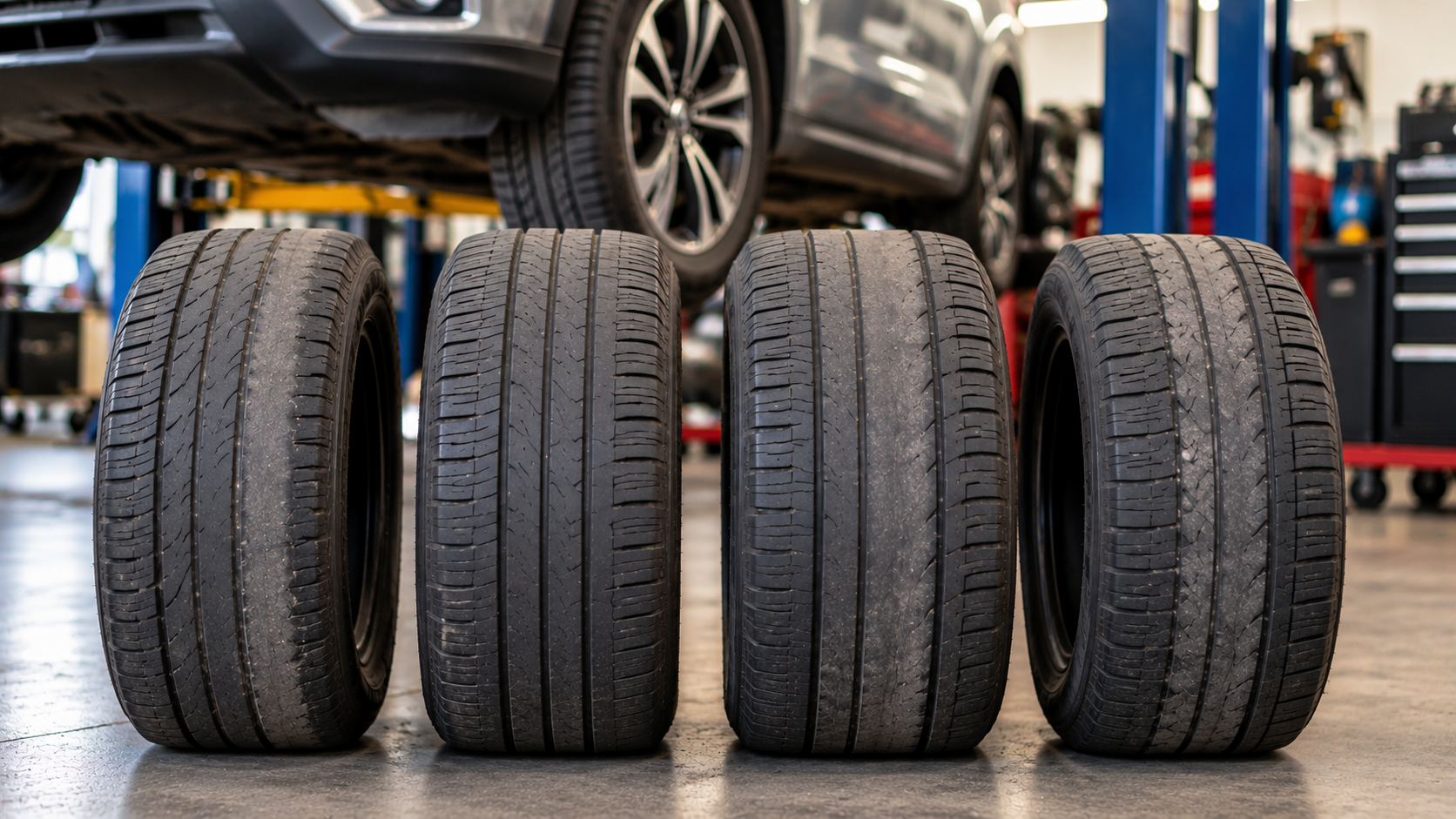
Even when fitment is done correctly, tires are not permanent components and will naturally wear and age over time. Recognizing the signs of wear and deterioration is an essential part of maintaining proper fitment, as aging tires can no longer perform as originally intended. Tread depth, sidewall condition, and overall tire integrity all play a role in how effectively a tire supports safety and performance.
Understanding when tires have reached the end of their service life helps ensure that fitment continues to work in harmony with the vehicle. Ignoring these indicators can negate the benefits of proper selection and setup, making regular inspection and informed replacement a critical part of long-term tire care.
The Science Behind Proper Tire Fitment: More Than Just Size – UTQG Ratings Explained
The Uniform Tire Quality Grading (UTQG) system provides comparative ratings:
- Treadwear Grade: A higher number (e.g., 400) indicates a longer expected tread life compared to a lower number (e.g., 200) under test conditions.
- Traction Grade (AA, A, B, C): This grades a tire’s ability to stop on wet pavement. “AA” is the highest grade, signifying superior wet braking.
- Temperature Grade (A, B, C): Represents a tire’s resistance to heat buildup. “A” is the highest grade, crucial for preventing failure at high speeds.
These ratings help you choose tires that match your safety priorities and driving conditions.
Tire Lifespan: Decoding the DOT Code and Checking Tread Depth
Tires don’t last forever. Rubber deteriorates over time, regardless of mileage.
- DOT Code and Tire Age: The last four digits of the DOT (Department of Transportation) code on the sidewall show the week and year of manufacture (e.g., ‘4224’ is the 42nd week of 2024). As rubber hardens and cracks over time, most experts recommend replacing tires after 6 years of use, no matter the tread depth.
- Tread Depth: Critical for wet traction, the legal minimum tread depth in the U.S. is 2/32 inches. At this point, tires are unsafe and must be replaced.
- The Penny Test: An easy check. Place a penny upside down in a tread groove. If you can see all of Lincoln’s head, your tread is too shallow.
- Tread Wear Indicators: These are small raised bars in the main grooves. When the tread wears down to become flush with these bars, it’s time for new tires.
Frequently Asked Questions about Tire Fitment Science
We often get asked common questions about tire fitment at our shop in Riverside, CA. Let’s tackle some of them!
What happens if I put the wrong size tires on my car?
Using the wrong tire size can cause a cascade of problems affecting safety, performance, and your wallet. Key issues include:
- Incorrect Speedometer Readings: A different overall tire diameter will make your speedometer and odometer inaccurate.
- Reduced Fuel Economy: Wider or heavier tires can increase rolling resistance and fuel consumption.
- Abnormal Handling: Changes to width or sidewall height can alter handling dynamics, leading to instability or a harsh ride.
- Rubbing Against Fenders or Suspension: Oversized tires can rub against your vehicle’s fenders, wheel wells, or suspension components, causing damage.
- Powertrain Stress: Incorrect sizing can strain the transmission and other components.
- Compromised Safety Systems: Systems like ABS (Anti-lock Braking System) and traction control rely on precise tire revolution data. Wrong sizes can make them less effective.
How much does tire pressure really affect performance?
The impact is profound. Correct pressure optimizes the tire’s contact patch, which is fundamental for performance and safety. Incorrect pressure can:
- Reduce Grip: Both under- and over-inflation shrink the effective contact patch, reducing grip for acceleration, braking, and cornering.
- Increase Braking Distance: Improperly inflated tires can significantly increase the distance needed to stop.
- Hurt Fuel Efficiency: Underinflated tires increase rolling resistance, making your engine work harder.
- Cause Uneven Wear: Incorrect pressure is a leading cause of premature tire wear, shortening their lifespan.
Are more expensive tires always better?
Not necessarily. “Better” depends entirely on your needs. A pricey high-performance track tire would be a poor choice for daily commuting in Riverside, CA, due to its fast wear and harsh ride.
- Price Reflects Technology: Cost often reflects advanced design, specialized rubber compounds, and features like run-flat capability.
- Match to Your Needs: The best tire is one that is correctly matched to your vehicle’s specifications, your driving habits, and your typical road conditions.
Prioritize the correct fitment, load index, speed rating, and tire type for your vehicle over simply choosing the most expensive option.
The Wheel Shop Difference
Achieving optimal performance isn’t about picking a tire that just “fits.” It’s about a holistic, scientific approach. For expert advice on achieving the perfect fitment with the right wheels and tires, the professionals at The Wheel Shop provide top-tier craftsmanship and exceptional customer service.
At The Wheel Shop, our team in Riverside, CA, has over twenty years of experience helping drivers make the right choice. We match the perfect wheel to your vehicle, driving style, and goals. Our services cover every aspect of your upgrade, from specialty wheel and rim repair and caliper and wheel powder coating to custom suspension installations and precision alignments. Our top-tier craftsmanship and exceptional customer service ensure you get wheels that look great and perform flawlessly.
Ready to transform your ride? For expert advice and a wide selection of Aftermarket Wheels & Tires, contact us today. Let’s find the perfect wheels to lift your driving experience.
We are passionate about equipping your vehicle with the right tires for your needs in Riverside, CA, and beyond. Explore our expert wheel and tire services today and experience the difference of a proper tire fitment.