Why Understanding Wheel Weight Matters for Every Driver
Upgrading your car’s wheels isn’t just an aesthetic choice—it directly transforms how your vehicle accelerates, handles, and responds on the road. Replacing heavy factory wheels with lighter alternatives reduces unsprung weight and rotational mass, unlocking a host of performance advantages. You’ll notice sharper acceleration, more precise handling, improved braking response, and a smoother overall ride. Beyond performance, lighter wheels can even enhance fuel efficiency and reduce wear on suspension components, making them a smart upgrade for both thrill and longevity.
- Faster acceleration – Dropping 10 lbs per wheel can improve 0-60 times by 0.2-0.3 seconds.
- Shorter braking distances – Less rotating mass means more effective braking.
- Sharper handling – Your suspension responds faster to inputs.
- Better fuel economy – Reduced rotational mass saves energy.
- Improved ride quality – Lighter unsprung weight lets your suspension work efficiently.
Every pound of rotating wheel weight has roughly 2-3 times the impact of a pound of static weight. A 40-pound reduction in wheel weight can feel like removing 100-200 pounds from your car. As one customer at The Wheel Shop said, “It feels like my car suddenly remembered how to dance.” The right wheels don’t just look good—they fundamentally improve performance.
The Physics of Performance: Sprung Weight, Unsprung Weight, and Rotational Mass
Understanding vehicle performance goes beyond horsepower and torque—how a car feels on the road is deeply influenced by physics. Key factors like sprung weight, unsprung weight, and rotational mass determine how quickly your car accelerates, corners, and responds to driver inputs. By exploring these concepts, you can see why every pound matters, how weight distribution affects handling, and why optimizing these forces can turn an ordinary drive into a truly dynamic experience.
Sprung vs. Unsprung Weight: The Foundation of Vehicle Dynamics
Every car’s performance starts with understanding how its weight is distributed. Sprung weight—the portion of a vehicle supported by the suspension, including the chassis, engine, and passengers—interacts with unsprung weight, which includes components like wheels, tires, brakes, and suspension arms that move independently of the car’s body. The balance between these two types of weight is critical, as it directly affects handling, ride comfort, and traction.
Reducing unsprung weight allows the suspension to respond more quickly to road imperfections, improving grip and control, while managing sprung weight ensures stability and predictability during cornering and braking. By grasping the difference between these forces, drivers and engineers can make smarter choices when upgrading parts or tuning a vehicle for peak performance.
The Multiplier Effect: Why Rotational Mass is King
Even more impactful is rotational mass. Think of an ice skater: arms in, she spins fast. Your wheels are similar. Weight at the outer rim barrel has a bigger impact than weight at the central hub because it takes more energy to spin and stop.
Experts estimate that every pound of rotating wheel weight affects acceleration like 5-10 pounds of static weight. This is because it must overcome rotational inertia.
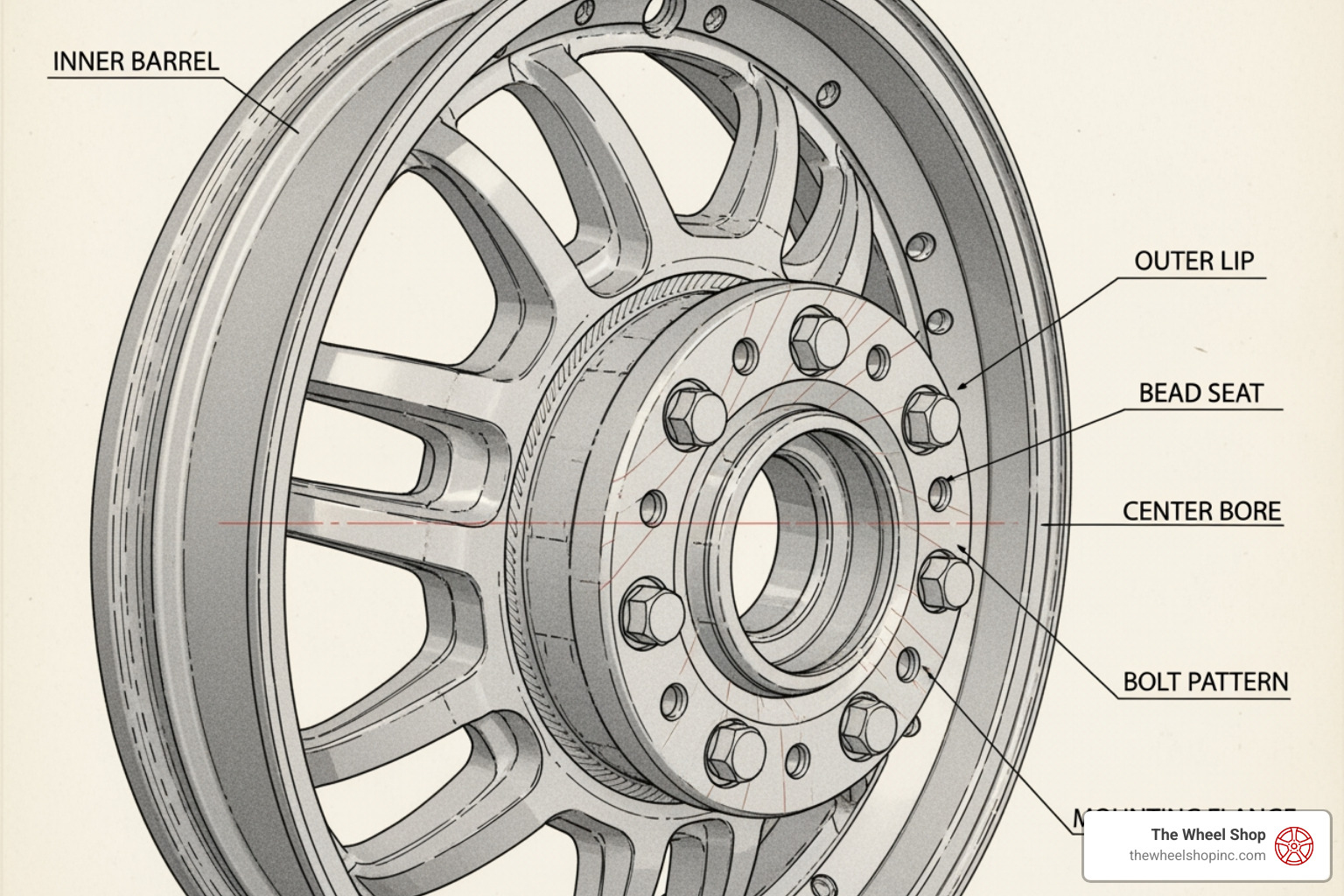
That’s why dropping 8-10 pounds per wheel transforms how your car feels. You’re fundamentally changing the energy needed to accelerate and brake.
The Tangible Benefits: How Lighter Wheels Transform Your Drive
Lighter wheels deliver benefits you can feel the moment you pull away from the curb. By reducing unsprung weight and rotational mass, they allow your vehicle to accelerate more quickly, brake more effectively, and respond with greater precision to steering inputs. The suspension can react faster to road imperfections, improving grip, ride quality, and overall control. The result is a drive that feels more responsive, more connected, and more refined—proof that a relatively simple upgrade can make a noticeable difference in everyday performance.
Faster Acceleration and Sharper Braking
Your car simply wakes up. With less rotational mass, acceleration is more eager. A Mazda Miata that shed 12 pounds per corner saw its 0-60 mph time drop by 0.29 seconds. A 502-powered Chevelle saved 82 pounds total and improved its quarter-mile time by 0.11 seconds.
Your brakes also get a significant boost. With less mass to slow, braking distances shrink and pedal feel improves. Your Tires contribute to total rotational mass, so choosing wisely matters.
Improved Handling, Steering Response, and Ride Quality
With reduced unsprung weight, your suspension reacts instantly. Turn-in response is sharper, making the car feel more agile. Steering feel becomes more communicative, giving you a better connection to the road.
Over bumpy roads, the improvement is dramatic. The suspension keeps tires planted, reducing harshness and improving grip. Quality lightweight wheels often improve ride comfort. As one customer at The Wheel Shop said, “The car feels more planted but somehow also more comfortable… It’s like getting two upgrades in one.”
Improved Fuel Economy
Lighter wheels can improve your MPG, especially in city driving. Less rotational mass means your engine works less hard to accelerate. A BMW 3 Series test showed an 8% improvement (22.8 mpg vs 21.1 mpg). Other studies found city driving with heavy 19-inch wheels can use 10% more fuel than with lighter 15-inch wheels. These savings add up. Learn more in our guide to 5 Benefits of Alloy Rims.
Wheel Weight 101: Why Lighter Wheels Make a Heavier Impact Than You Think
At The Wheel Shop in Riverside, CA, we help drivers find the perfect balance between weight, strength, and budget.
Built for Performance: Comparing Cast, Flow-Formed, and Forged Wheels
The manufacturing process determines a wheel’s weight and strength.
- Cast wheels are the most common and affordable. Molten aluminum is poured into a mold, resulting in heavier wheels that need extra material for strength.
- Flow-formed wheels offer a great balance. They start as a cast wheel, but the barrel is spun, heated, and compressed. This creates a lighter, stronger wheel at a better price.
- Forged wheels are the ultimate choice. A solid block of aluminum is compressed under extreme pressure, creating an incredibly dense, strong, and lightweight material.
Here’s how they compare:
| Wheel Type | Weight | Strength | Cost | Best For |
|---|---|---|---|---|
| Cast | Heaviest | Good | $ | Daily drivers, budget-conscious upgrades |
| Flow-Formed | Medium | Better | $$ | Performance enthusiasts seeking value |
| Forged | Lightest | Best | $$$ | Track use, maximum performance |
For a deeper dive, see our Beginner’s Guide to Aftermarket Wheels: Fitment, Styles, and Materials.
The Balancing Act: Weight vs. Strength, Durability, and Cost
You can optimize for weight, strength, or cost—but rarely all three. Factory (OEM) wheels prioritize durability and cost, which is why they are often heavy. Aftermarket wheels can offer dramatic improvements by prioritizing performance.
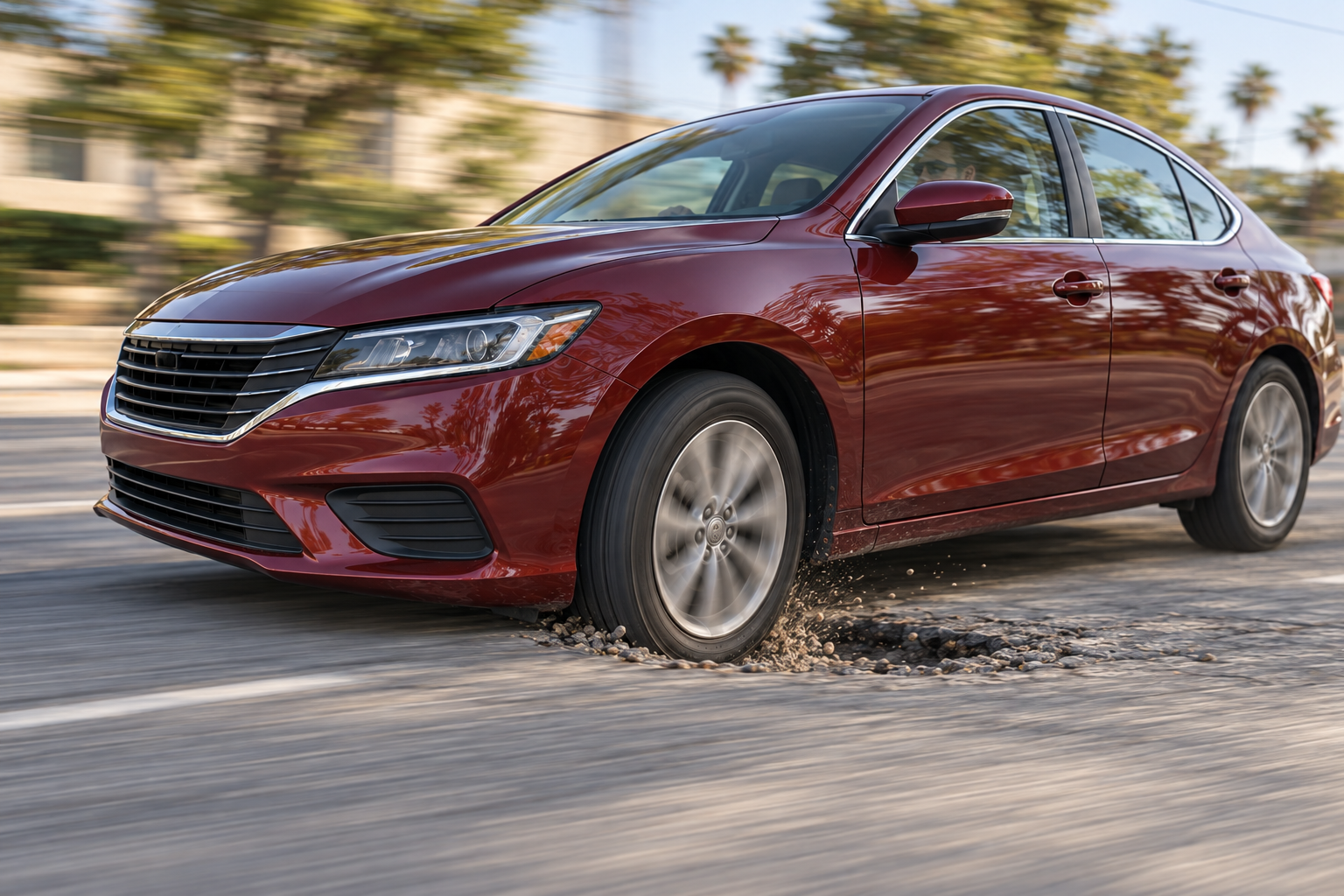
Strength matters, especially on rough roads. A quality flow-formed or forged wheel can be both lighter and stronger than a heavy cast wheel. The cost per pound saved is also worth considering, as wheels improve acceleration, braking, and handling simultaneously. Also consider pothole resistance; lighter wheels can be more vulnerable, so think about your driving environment. If you’re also considering visual upgrades, our guide to Custom Wheel Finishes: Ho
w to Make Your Vehicle Stand Out can help.
How Much Weight Savings is Actually Noticeable?
Most drivers feel a difference at 5-10 pounds per corner (20-40 pounds total). Light cars feel the difference more dramatically, but even heavier vehicles like trucks and SUVs benefit significantly. The gains in ride quality and responsiveness are often equivalent to removing several hundred pounds of static weight.
Frequently Asked Questions
Choosing lighter wheels often raises practical questions about performance, durability, and everyday driving. The following FAQs address some of the most common concerns, helping clarify how wheel weight affects your vehicle and what to consider before making an upgrade.
Do lighter wheels really improve performance, or is the difference minimal?
Yes, the difference is real and measurable. Lighter wheels reduce both unsprung weight and rotational mass, which allows the suspension to react more quickly and the drivetrain to work more efficiently. This results in improved acceleration, sharper steering response, shorter braking distances, and a more connected feel behind the wheel.
Will lighter wheels make my ride harsher or less comfortable?
In most cases, lighter wheels actually improve ride quality. With less unsprung weight, the suspension can better absorb bumps and road imperfections instead of transferring them to the cabin. Ride comfort ultimately depends on tire choice and suspension setup, but wheel weight alone generally enhances, rather than degrades, comfort.
Are lighter wheels less durable than heavier factory wheels?
Not necessarily. Durability depends more on wheel construction and material quality than weight alone. High-quality flow-formed and forged wheels are engineered to be both lighter and stronger than many heavier cast factory wheels, offering improved performance without sacrificing structural integrity.
Is upgrading to lighter wheels worth it for daily driving?
For daily drivers, lighter wheels offer noticeable benefits beyond performance driving. Improved responsiveness, better braking feel, reduced suspension wear, and potential gains in fuel efficiency all contribute to a more refined and enjoyable everyday driving experience, making lighter wheels a worthwhile upgrade for many vehicles.
The Wheel Shop Difference
Here at The Wheel Shop in Riverside, we bring over twenty years of hands-on experience to the table. We’ve seen how the right wheels can transform virtually any vehicle – from weekend warriors to daily drivers. Our team doesn’t just sell wheels; we help you find the perfect match for your specific needs, driving style, and budget.
Wheel weight is just one piece of the puzzle. Finding the sweet spot between weight reduction, structural strength, and appropriate design for how you actually use your vehicle is where our expertise truly shines. We’ve guided thousands of customers through these decisions, ensuring they get maximum value and enjoyment from their wheel investment.
Our comprehensive approach includes not just wheel selection, but also expert installation, precision alignment, and all the related services that ensure your new wheels deliver their full potential. From custom suspension installations to our specialized wheel repair and reconditioning services, we handle every aspect of your wheel and tire needs under one roof.
Why choose The Wheel Shop for your next wheel upgrade? Because we combine old-school craftsmanship with cutting-edge knowledge. We don’t just follow trends – we understand the science and engineering behind wheel performance. That means you get honest, informed recommendations based on what will truly work best for your specific vehicle and driving needs, not just what looks flashy or carries the highest price tag.
Ready to feel the difference that properly selected wheels can make? Stop by The Wheel Shop today, and let’s talk about how we can transform your vehicle’s performance, appearance, and driving feel with the perfect wheel setup. Your car (and your smile while driving it) will thank you.