Understanding the Critical Role of Brake Rotors
Understanding how rotors affect your wheels is fundamental to your vehicle’s safety, performance, and overall driving comfort. Brake rotors—those metal discs mounted behind each wheel—play a critical role in the braking system by working in tandem with the brake pads to slow and stop your vehicle. When you press the brake pedal, the pads clamp down on the rotors, converting kinetic energy into heat through friction. The quality, condition, and type of rotors can directly impact stopping power, brake response, and even how smoothly your vehicle drives. Warped or worn rotors can lead to vibrations, longer stopping distances, and uneven tire wear, making regular inspection and maintenance essential for safe driving.
Here’s a quick overview of how rotors impact your wheels:
| Impact Area | How Rotors Affect Wheels |
|---|---|
| Safety | Worn rotors can increase stopping distances by up to 20% |
| Comfort | Warped rotors cause steering wheel vibration during braking |
| Tire Longevity | Bad rotors can cause uneven tire wear, reducing tire lifespan |
| Performance | Properly functioning rotors ensure smooth, controlled stops |
| Fuel Efficiency | Replacing bad rotors can improve fuel efficiency by up to 3% |
Think of your car’s rotor like a spinning top – when it’s perfectly balanced and smooth, everything works harmoniously. But when that rotor becomes warped, grooved, or damaged, the effects ripple throughout your entire wheel assembly, creating vibrations, noises, and potentially dangerous driving conditions.
Brake rotors typically need replacement every 30,000 to 70,000 miles, depending on your driving habits and conditions. However, you shouldn’t wait for scheduled maintenance if you notice symptoms of rotor problems. As one mechanic puts it, “Understanding the purpose of rotors is essential to stay safe on the road.”
The relationship between your rotors and wheels is intimate – they literally rotate together as a unit, with the rotor attached to the wheel hub. When you press the brake pedal, your brake pads squeeze against the spinning rotor, creating the friction needed to slow and stop your vehicle. This process generates significant heat that must be effectively managed to prevent damage to both the rotor and wheel components.

How Rotors Affect Your Wheels: The Science Behind Stopping Power
Ever pressed your brake pedal and felt that reassuring grip as your car slows down? That’s your brake rotors hard at work! Let’s explore the fascinating relationship between these metal discs and your wheels – it’s more important than you might think.
When you hit the brakes, you’re kicking off a remarkable physics demonstration. Your brake system transforms your car’s forward momentum (kinetic energy) into heat through friction. Your rotors are the unsung heroes in this process, providing the crucial surface where your brake pads can grab hold and slow those spinning wheels.
What Are Brake Rotors?
Brake rotors are those shiny metal discs you can spot behind your wheel spokes. They’re bolted directly to your wheel hubs, which means they spin right along with your wheels as you cruise down the road. When you press the brake pedal, hydraulic pressure activates your calipers, which squeeze your brake pads against these spinning rotors – and voilà, friction magic happens!
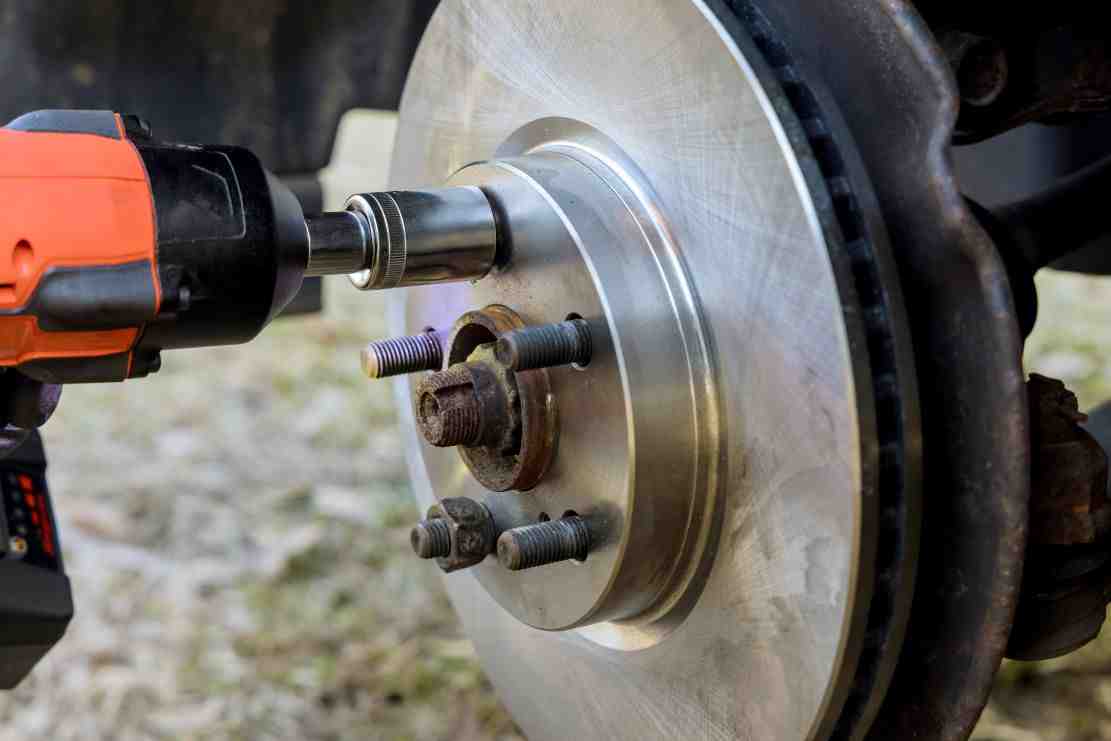
Your car might have one of several rotor types, each with its own personality. Solid rotors keep things simple and are perfect for lighter vehicles. Vented rotors feature clever internal channels that help them stay cool under pressure. Drilled rotors sport those distinctive holes that help dissipate heat and gases, while slotted rotors have grooves that sweep away brake dust and moisture. Each design influences how rotors affect your wheels during different driving conditions.
How Rotors Affect Your Wheels During Everyday Driving
During your daily commute, healthy rotors quietly do their job without drawing attention. When they’re in good shape, they provide a smooth, vibration-free ride that’s easy to take for granted. They ensure your brake pads make even contact with the rotor surface, resulting in predictable stopping distances and that confidence-inspiring feel when you press the brake pedal.
Think of your rotors as the middlemen between your brake pedal and the road. They maintain proper alignment within your wheel assembly, making sure braking forces distribute evenly. This even distribution prevents your wheels from developing wobbles or vibrations that could make your morning coffee jump right out of its cup holder!
Good rotors also operate quietly – no squealing, grinding, or other embarrassing noises when you pull up to the drive-thru. They’re the polite neighbors of your wheel system, doing their job without making a fuss.
Heat Dissipation: How Rotors Affect Your Wheels Under Heavy Braking
Now, let’s talk about those more demanding moments – like when you’re descending a steep mountain pass or need to make a sudden stop. This is when how rotors affect your wheels becomes dramatically apparent.
During heavy braking, temperatures can skyrocket to over 1000°F! That’s hot enough to cook a pizza (though we don’t recommend trying this on your car). This intense heat is where rotor design really shines. Vented rotors act like tiny fans, drawing in cooler air and pushing out hot air as your wheels spin. This clever design manages thermal stress and keeps heat from damaging other components.
Proper heat management protects everything from your wheel bearings to your brake fluid, tire sidewalls, and even your wheel’s finish. When a rotor can’t handle the heat, problems cascade throughout your wheel system. Excess heat can warp your rotors, creating that annoying pulsation you feel through the steering wheel and brake pedal.
For vehicles that regularly face challenging conditions – whether you’re towing a boat to the lake or hitting the mountains every weekend – our team at The Wheel Shop can recommend upgraded calipers and rotors designed to handle more intense thermal demands. These upgrades protect both your braking performance and your precious wheels from unnecessary stress.
Your rotors and wheels share an intimate relationship – they literally spin together through thick and thin. Keeping one happy means the other stays happy too!
Rotor Types, Wear Patterns, and Safety Risks
Ever wonder why some rotors have holes while others look like solid metal discs? The type of rotor on your vehicle plays a huge role in how rotors affect your wheels – from performance to safety and everything in between.
Let’s take a friendly tour through brake rotors and what they mean for your wheels:
| Rotor Type | Description | Ideal Use Case | Effect on Wheels |
|---|---|---|---|
| Solid | One-piece design, no venting | Light vehicles, rear wheels | Less effective heat dissipation; may transfer more heat to wheel assembly |
| Vented | Internal cooling vanes | Most passenger vehicles | Better heat management; reduces thermal stress on wheel components |
| Drilled | Holes through braking surface | Performance vehicles | Improved cooling and gas/water dispersal; slightly reduced mass |
| Slotted | Grooves cut into surface | High-performance applications | Wipes away gas and dust; may increase pad wear |
| Composite | Multiple materials (carbon, ceramic) | High-end sports cars | Significant weight reduction; superior heat management |
For most of us daily commuters, vented rotors hit that sweet spot of performance and durability. They keep your wheels running cooler and happier, which means fewer problems down the road.
As your rotors age and wear, they develop personalities – unfortunately, not the kind you want to get to know better!
Warping is probably the most misunderstood rotor issue. What we call “warping” is actually uneven material transfer from your brake pads to the rotor surface. Even tiny variations (we’re talking 0.001 inches – thinner than a human hair!) can send vibrations through your steering wheel that feel like you’re driving over a washboard road.
Scoring happens when deep grooves form on your rotor surface. Think of it like scratches on a record – they disrupt the smooth contact needed for efficient braking. When your wheels spin with scored rotors, your braking power takes a serious hit.
Cracking is the rotor problem that keeps mechanics up at night. These stress fractures start small (heat checking) but can develop into structural cracks that might lead to catastrophic brake failure. Not something you want to find on a steep downhill!
Blue spots are like bruises on your rotors – visual evidence of overheating. When you see that distinctive blue discoloration, it’s your rotor crying for help, telling you its structural integrity is compromised.
Want to geek out on the latest brake rotor research? Check out this comprehensive resource that dives deeper into how they impact wheel performance.
Common Causes of Rotor Damage
Let’s talk about what’s hurting your rotors – and by extension, your wheels:
Overheating is public enemy #1 for rotors. Those mountain drives down to Riverside with your foot on the brake? That’s a recipe for rotor damage. Same goes for towing your boat without giving your brakes cooling breaks.
Pad neglect is like wearing shoes until your toes stick out. When brake pads wear down to the metal backing, they carve grooves into your rotors faster than a hot knife through butter.
Over-torqued lug nuts might seem like a good idea (“Let me just give it an extra twist for safety!”), but they can actually warp your rotor and cause vibration. At The Wheel Shop, we use torque wrenches for a reason!
Harsh braking habits generate heat that rotors weren’t designed to handle. Those dramatic stops might impress your passengers, but your rotors are silently suffering.
Environmental factors like road salt and moisture are silent killers. They slowly corrode your rotors, especially when your vehicle sits unused in the garage for weeks.
Here in the Riverside area, we see overheating damage most often due to our unique combination of mountainous terrain and hot climate – a double whammy for brake components.
Symptoms You’ll Feel in the Wheels
Your wheels have a way of telling you when your rotors need attention – you just need to know how to listen:
Vibration in the steering wheel is like your car tapping you on the shoulder. “Hey,” it’s saying, “something’s not right with these rotors.” This vibration typically only shows up during braking – a telltale sign separating it from other issues.
Steering wheel shake is vibration’s big brother. When your wheel feels like it’s trying to escape your grip during braking, your rotors are likely in rough shape.
Pulsating brake pedal feels like someone’s gently kicking the pedal back against your foot. This pulsation directly mirrors the thickness variations in your rotor.
Increased stopping distance might be the most dangerous symptom. When how rotors affect your wheels translates to taking 20% longer to stop, that could be the difference between a close call and a collision.
Metallic grinding noises sound exactly as unpleasant as they are for your braking system. That harsh metal-on-metal soundtrack means your brake pads have completely worn away, leaving the metal backing plate to dig into your rotor surface.
What makes rotor issues tricky is that they often masquerade as wheel balance problems. That’s why at The Wheel Shop, we always perform a comprehensive inspection rather than just addressing the symptoms. Sometimes what feels like a wheel issue is actually your rotors crying out for help.
Diagnosing Wheel Problems: Rotors vs. Alignment & Balancing
When your car starts shaking or vibrating, it’s like your vehicle is trying to tell you something’s wrong. But is it your rotors or something else? Understanding how rotors affect your wheels compared to alignment and balancing issues can save you time, money, and potentially prevent a safety hazard.
Think of your car’s wheel system as a team where everyone needs to do their job correctly. When one member of the team falters, you feel it right away in how your car drives.
Wheel vibrations typically come from four main culprits: rotor problems (like uneven surfaces), wheel imbalance (where weight isn’t distributed properly), alignment issues (incorrect wheel angles), or tire damage (such as flat spots or internal problems).
The good news? The timing and nature of your symptoms often reveal the true source of the problem.
How Rotors Affect Your Wheels Compared to Alignment Issues
Here’s your detective guide to figuring out what’s really happening with your wheels:
When it’s your rotors causing trouble, you’ll notice the vibration or shaking primarily when you’re pressing the brake pedal. The harder you press, the worse it gets. That telltale pulsing feeling in your brake pedal is almost always rotor-related. Interestingly, when you’re not braking, the vibration might disappear completely.
With alignment problems, it’s a different story altogether. Your car will consistently pull to one side even when you’re not touching the brakes. Take a look at your tires – uneven wear patterns, especially along the inner or outer edges, are alignment red flags. You might also notice your steering wheel isn’t centered when driving straight ahead.
Balance issues have their own signature feel – they typically cause vibrations at specific speeds (many drivers notice it between 50-70 mph). Unlike rotor problems, these vibrations happen whether you’re braking or not, and often intensify as you drive faster.
Here’s a simple test that works surprisingly well: if your car only shakes when you’re applying the brakes, your rotors are likely the culprit. If it happens at steady speeds regardless of braking, wheel balance is probably the issue.
For professional help with balancing and alignment, check out our comprehensive services at Wheel Balancing and Alignment.
Quick At-Home Inspection Checklist
Before heading to The Wheel Shop, you can do a basic inspection right in your driveway. Here’s how to check for rotor issues:
First, peek through your wheel spokes at the rotor surface. Look for deep grooves, blue discoloration (a sure sign of overheating), visible cracks, or excessive rust that doesn’t wipe away after braking.
Next, when the rotor is cool, run your finger along its outer edge. Feel a pronounced lip? That indicates significant wear has occurred.
While you’re examining the rotor, take a moment to check your brake pad thickness too. If they’re worn below 4mm, it’s replacement time.
If you want to get a bit more technical, grab these DIY inspection tools: a flashlight for better visibility, gloves to protect your hands, a micrometer or caliper for measuring rotor thickness (if you happen to have one), jack and jack stands for safely raising your vehicle, and a wheel lug wrench if you need to remove wheels for better access.
Remember though, this is just preliminary detective work. For accurate measurements and professional assessment, bring your vehicle to The Wheel Shop in Riverside. Our experienced technicians have the tools and expertise to properly diagnose and fix any rotor-related wheel issues. We’ll get you back on the road with a smooth, vibration-free ride that feels as good as new.
Maintenance, Repair, and Replacement Strategies
Proper maintenance of your brake rotors is essential for ensuring your wheels perform optimally and safely. Understanding how rotors affect your wheels over time will help you make informed decisions about maintenance and replacement.
Brake rotors typically last between 30,000 and 70,000 miles, but this range can vary significantly based on:
- Driving habits (aggressive vs. gentle braking)
- Environment (mountainous terrain vs. flat roads)
- Vehicle weight and typical loads
- Quality of the rotors and brake pads
- Type of driving (city stop-and-go vs. highway cruising)
When it comes to addressing rotor issues, you generally have two options: resurfacing (machining) or replacement. Each has its place in a maintenance strategy:
Resurfacing (Machining):
- Removes a thin layer of material to create a smooth, even surface
- Can be cost-effective for minor issues
- Has limitations based on minimum thickness specifications
- Not recommended for severely damaged rotors
Replacement:
- Provides new, unworn braking surfaces
- Ensures proper thickness for heat dissipation
- Eliminates all existing damage
- Often more cost-effective in the long run
For comprehensive wheel repair services, including rotor replacement, visit our Wheel Repair page to learn more about our expertise and services.
Extending Rotor & Wheel Life
To maximize the lifespan of your rotors and wheels, follow these best practices:
- Practice Smooth Braking: Avoid sudden, hard stops whenever possible. Anticipate stops and begin braking earlier with gentle pressure.
- Use Engine Braking on Hills: When descending steep hills, shift to a lower gear to let the engine help control your speed rather than riding the brakes.
- Ensure Proper Lug Nut Torque: Have wheels installed using a torque wrench to manufacturer specifications. Over-torquing can warp rotors and affect wheel performance.
- Regular Inspections: Check your brake system every 6 months or with each tire rotation.
- Quality Replacement Parts: When replacement is necessary, use high-quality rotors and pads that meet or exceed OEM specifications.
- Address Issues Promptly: Don’t ignore symptoms like vibration or noise – early intervention can prevent more extensive damage.
- Avoid “Two-Foot Driving”: Never rest your left foot on the brake pedal while driving, as this causes constant light contact between pads and rotors, leading to premature wear and overheating.
By following these guidelines, you can significantly extend the life of both your rotors and wheels, saving money and ensuring optimal performance and safety.
When to Replace vs. Resurface
Making the right decision between replacing and resurfacing your rotors depends on several factors:
Replace Your Rotors When:
- They show visible cracks or heat checking
- They’ve been resurfaced previously and are approaching minimum thickness
- Deep grooves or scoring exceeds 0.010 inches (0.25mm)
- Blue discoloration indicates severe overheating
- They’ve reached the manufacturer’s minimum thickness specification
- The cost difference between resurfacing and replacement is minimal
Consider Resurfacing When:
- Rotors have minor surface irregularities
- They have plenty of material remaining above minimum thickness
- No cracks or heat checking is present
- The vehicle is not used for performance driving or heavy towing
At The Wheel Shop, we measure rotor thickness carefully before making recommendations. For many modern vehicles, the safety margin between new and minimum thickness is relatively small, making replacement the more prudent choice in many cases.
Rotors should generally be replaced in pairs (both front or both rear) to ensure even braking performance across the axle, which directly impacts how your wheels respond during braking.
Frequently Asked Questions about Brake Rotors & Wheels
How can bad rotors cause my steering wheel to shake?
Ever wonder why your steering wheel trembles when you hit the brakes? The science behind this common problem shows exactly how rotors affect your wheels during everyday driving.
When your rotors develop thickness variations (often called “warping,” though technically it’s uneven material buildup), they create an irregular braking surface. As your brake pads press against these uneven spots, they create a pulsating pressure instead of smooth, consistent friction. This pulsation travels through your brake components and steering system, ultimately reaching your hands on the steering wheel.
What’s truly remarkable is how sensitive this system is. Even thickness variations as small as 0.001 inches—about the thickness of a human hair—can create noticeable vibration. The worse the rotor damage, the more intense the shaking becomes. Minor variations might cause a slight tremor, while severely damaged rotors can create violent shaking that makes your vehicle difficult to control during braking.
Think of it like running your hand over a warped record—those tiny imperfections translate into noticeable movement that you can feel throughout your entire driving experience.
Should I machine my rotors or replace them outright?
This question comes up almost daily at The Wheel Shop, and while there’s no one-size-fits-all answer, we can help you make the right decision for your vehicle and budget.
The decision comes down to four key factors. First, we’ll measure your current rotor thickness and compare it to the manufacturer’s minimum specification (usually stamped right on the rotor). If they’re already approaching that minimum, machining would remove too much material, making replacement your only safe option.
Second, we look at the type of damage. Those minor surface irregularities? Often fixable with machining. But deep grooves, cracks, or heat checking (those tiny surface cracks from extreme heat) mean it’s time for new rotors.
The cost equation has changed significantly in recent years too. The price gap between machining and replacement has narrowed to the point where replacement often makes more economic sense when you consider the full service life you’ll get from new rotors.
Finally, how you use your vehicle matters. If you’re towing heavy loads or enjoy spirited driving, new rotors will provide better heat dissipation and performance than machined ones.
In our twenty years of experience at The Wheel Shop, we’ve found that direct replacement typically offers the best value, performance, and peace of mind for most customers. There’s something reassuring about starting fresh with brand new components.
Can worn rotors really lead to uneven tire wear?
Yes! Though the connection isn’t always obvious, damaged rotors can indeed contribute to uneven tire wear. Understanding how rotors affect your wheels in this way might save you money on premature tire replacements.
The relationship works in several ways. First, those vibrations from warped rotors don’t just stop at your steering wheel—they transfer through your suspension components to your tire contact patch, potentially causing uneven spot wear or feathering along the edges.
We’ve also noticed that drivers unconsciously adjust their driving style to compensate for vibration or pulling caused by bad rotors. These subtle changes in how you handle your vehicle can lead to uneven pressure on your tires, creating wear patterns you might not expect.
In more severe cases, damaged rotors can cause brake calipers to apply uneven pressure, creating constant light contact (brake drag) on one side. This generates heat that can affect your tire’s rubber compound and accelerate wear.
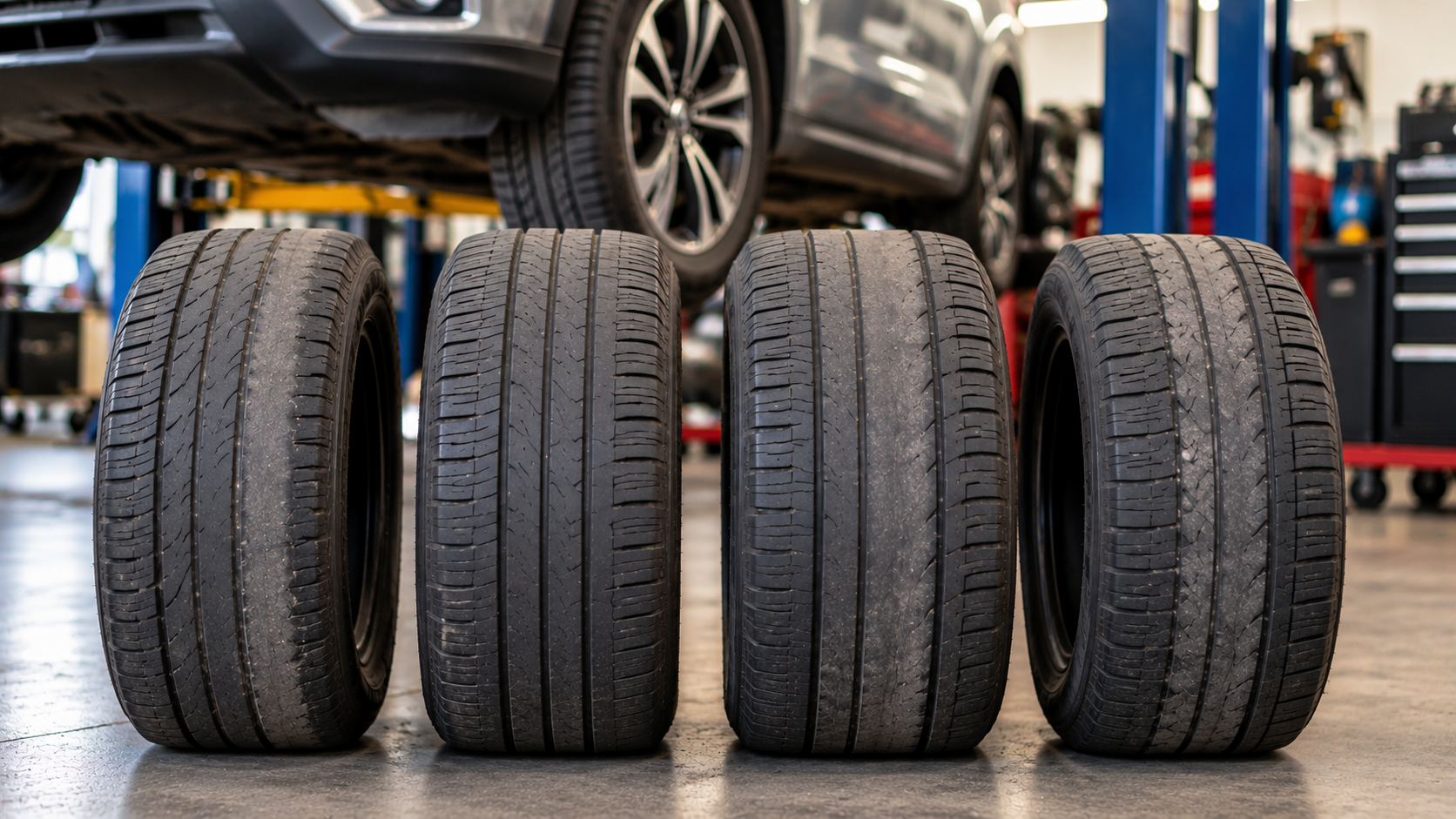
Over time, the persistent vibration from badly damaged rotors can even impact wheel alignment components, leading to alignment-related tire wear issues that compound the problem.
While alignment issues and tire imbalance are more direct causes of uneven tire wear, the condition of your rotors plays a surprisingly important role in your overall wheel and tire health. For maximum tire life and optimal performance, keeping those rotors in good shape is an investment that pays dividends across your entire vehicle.
If you’re experiencing any of these issues, our team at The Wheel Shop can provide a comprehensive inspection and honest recommendations to keep your wheels, tires, and braking system working together in harmony.
The Wheel Shop Difference
Here at The Wheel Shop in Riverside, we see these issues every day. Our technicians have spent decades understanding the nuanced relationship between rotors and wheels. We don’t just fix problems—we help prevent them through careful inspection, honest recommendations, and quality workmanship.
Don’t wait until you feel that telltale vibration in your steering wheel or hear that concerning metallic grinding. Regular brake system check-ups can save you money and, more importantly, keep you and your loved ones safe on the road.
For professional rotor service or comprehensive wheel repair, we’re here to help. With over twenty years in the business, we’ve built our reputation on exceptional craftsmanship and genuine customer care. We don’t just work on cars—we work with people who depend on their vehicles every day.
When it comes to how rotors affect your wheels, knowledge and preventative maintenance are your best allies. Stop by The Wheel Shop today, and let’s make sure your vehicle stops as reliably as it goes. Your wheels—and everyone who rides with you—will thank you.