Why Neglecting Your Wheels and Tires Costs More Than You Think
Neglecting regular wheel and tire maintenance can end up costing far more than the price of a new set of tires. When you skip essential services like alignments, balancing, and tire rotations, small issues can quickly turn into expensive repairs. Uneven wear, poor handling, and reduced fuel efficiency are just the beginning—over time, this kind of neglect can also put your safety at risk and shorten the lifespan of your entire suspension system. Taking care of your wheels and tires today is an investment in both performance and peace of mind.
Here’s what ignoring wheel and tire maintenance really costs:
- Premature tire replacement: $500-$1,200 instead of $20-$50 for regular rotation
- Suspension damage: $1,000-$2,500 in repairs from prolonged misalignment
- Fuel economy losses: Up to 25% increase in fuel consumption from under-inflated tires
- Safety risks: Tire blowouts, longer stopping distances, and loss of vehicle control
- Emergency costs: Roadside assistance, towing, and rental cars during breakdowns
The math is sobering. A $100 alignment check can prevent thousands in damage, and a $50 tire rotation can save you from buying a full set of tires years early. Your wheels and tires are your vehicle’s only contact with the road. When they’re not properly maintained, everything else suffers, from your suspension to your fuel tank to your safety.
The Domino Effect: How Ignoring Wheel Alignment Can Damage Your Vehicle
The true cost of neglecting wheel and tire maintenance begins with something as seemingly small as misalignment—but the consequences extend far beyond that. When your wheels are out of alignment, steering components take on extra stress, your suspension system struggles to compensate, and tires wear unevenly and prematurely. What starts as a minor issue can quickly escalate, setting off a chain reaction that may result in costly repairs and reduced vehicle performance. Regular maintenance is not just about preserving tires—it’s about protecting your entire vehicle from unnecessary strain and expense.
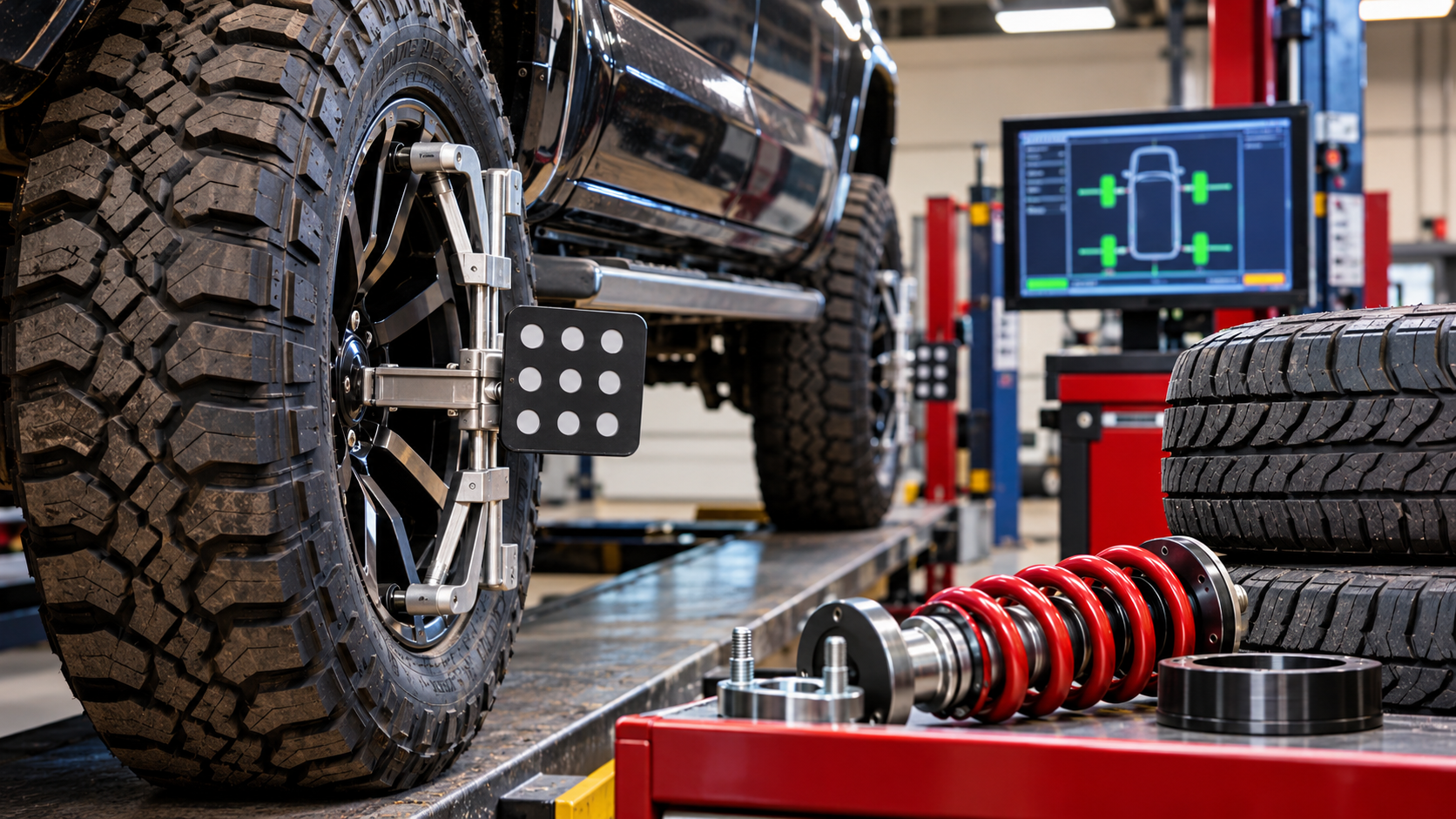
Ignoring wheel alignment is like making your car struggle against itself with every mile you drive. When your wheels are out of alignment—not perfectly straight, perpendicular to the ground, and parallel to each other—your vehicle’s components are forced to compensate for the imbalance. This extra strain doesn’t just affect your tires; it ripples through your suspension, steering system, and even your fuel efficiency. Over time, what starts as a small misalignment can trigger a domino effect of wear and damage, turning a simple maintenance issue into costly repairs.
Here in Riverside, potholes and curbs can easily knock your alignment out of whack. Understanding How Potholes Affect Wheels explains why alignment problems are so common and why Why Proper Wheel Alignment Is Crucial for protecting your investment.
Signs Your Vehicle Needs an Alignment
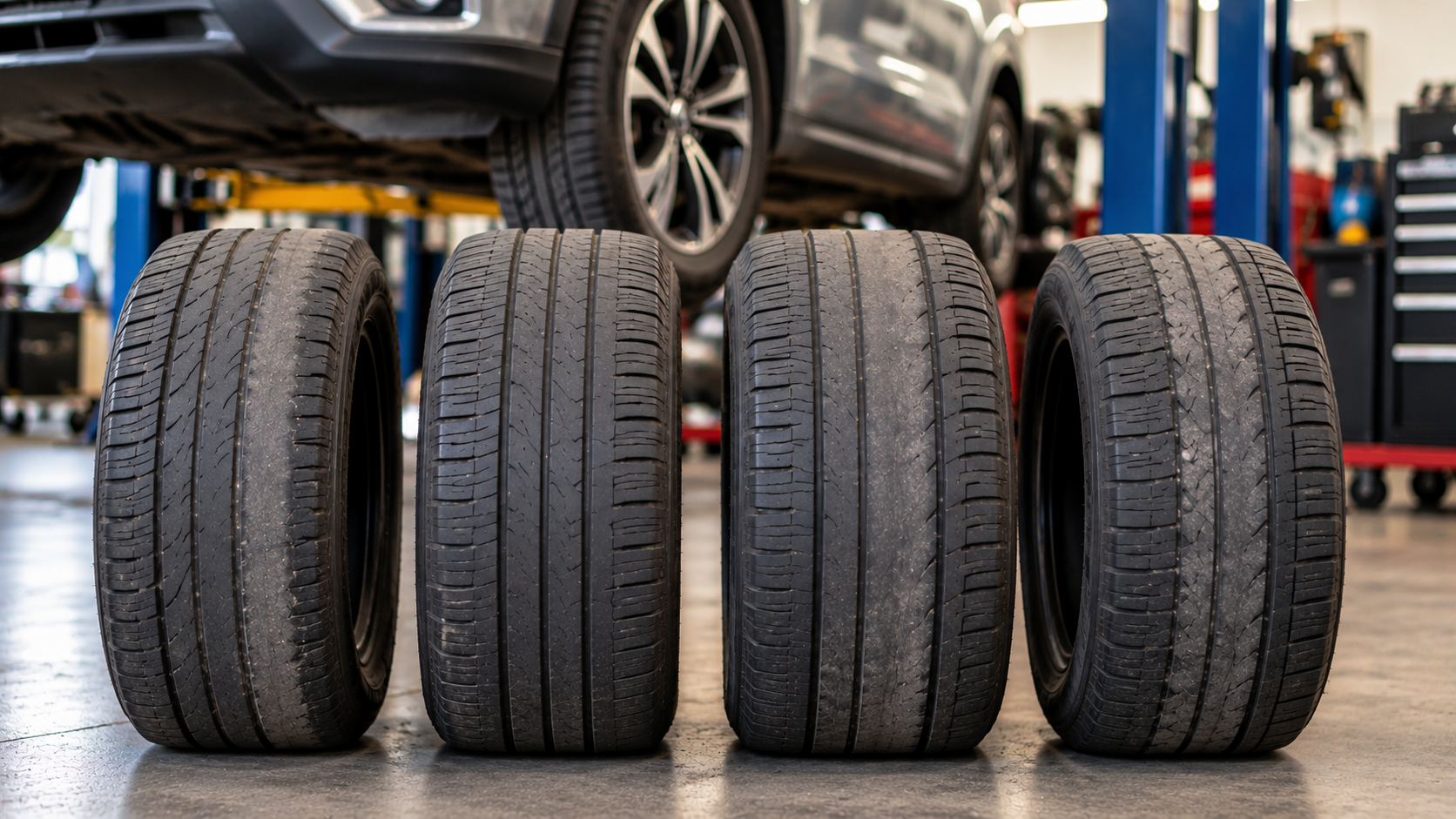
Even small alignment issues can have a big impact on your vehicle’s performance, and recognizing the warning signs early can save you from costly repairs. One of the most noticeable indicators is uneven or rapid tire wear. If you find that one edge of your tires is wearing down faster than the other, it’s a strong signal that your wheels aren’t properly aligned. Ignoring this can shorten tire life and compromise traction, especially in wet or slippery conditions.
Another common symptom is your vehicle pulling to one side while driving. If you notice that you have to constantly correct the steering to keep the car straight, or if the steering wheel feels off-center when driving on a flat road, it’s likely a misalignment problem. This not only makes driving less comfortable but also increases strain on your steering system and suspension components over time.
You may also notice vibrations or unusual handling. Misaligned wheels can cause your car to feel unstable, especially at higher speeds, and you might experience a shaky or loose steering feel. Any of these signs—uneven tire wear, pulling to one side, or vibrations—should prompt a professional alignment check. Addressing alignment issues promptly ensures smoother handling, longer-lasting tires, and overall safer driving.
The Impact on Tire Lifespan and Fuel Economy
Ignoring alignment hits your wallet hard. When your wheels fight each other, tire lifespan is cut dramatically. Premature tire wear from misalignment often appears on the inner or outer edges of your tires. You might only get 25,000 miles from a 50,000-mile set of tires, throwing away half your investment.
Misaligned wheels also create increased rolling resistance, forcing your engine to work harder. This leads to reduced fuel efficiency and more stops at the gas station. The constant internal struggle puts engine strain on your vehicle and burns excess fuel, costing you real money over a year.
Steering, Control, and Safety Risks
The most serious consequence of poor alignment is the safety risk. When your wheels don’t work together, your vehicle becomes less predictable and harder to control. Compromised handling makes driving stressful, as the constant pull to one side leads to driver fatigue.
More critically, unpredictable steering is dangerous during emergency maneuvers. A misaligned car may not respond as you expect when you need to swerve suddenly. The reduced grip and increased accident risk, especially in wet conditions, aren’t worth the small savings. Don’t let poor alignment turn a manageable situation into a dangerous one.
If you’re unsure about the cause of your handling issues, Do You Need a Tire Balance or a Wheel Alignment? can help clarify the problem.
Beyond Alignment: The Hidden Dangers of Neglected Tire Maintenance
Wheel alignment is only one part of a much larger picture. The true cost of neglecting wheel and tire maintenance becomes even more apparent when you consider the other ways a vehicle can suffer. Tires do far more than roll—they grip the road, absorb shocks, and support the full weight of your vehicle. Failing to rotate them, check air pressure, or inspect for wear can turn these critical components from dependable partners into safety hazards. Over time, neglected tires can lead to blowouts, reduced fuel efficiency, and even damage to your suspension and steering systems. Proper care isn’t just about extending tire life—it’s about protecting your vehicle, your wallet, and your safety on the road.
The Critical Role of Tire Pressure and Tread Wear
Two simple things determine your tire’s performance: proper air pressure and adequate tread depth. Under-inflated tires cause the engine to work harder, burning extra fuel and wearing out the tire’s outer edges. Over-inflated tires wear down the center tread and reduce grip.
Checking your pressure monthly to the manufacturer’s recommended level is a five-minute task that saves money and improves safety. Learn more at Why Proper Tire Pressure is More Important Than You Think.
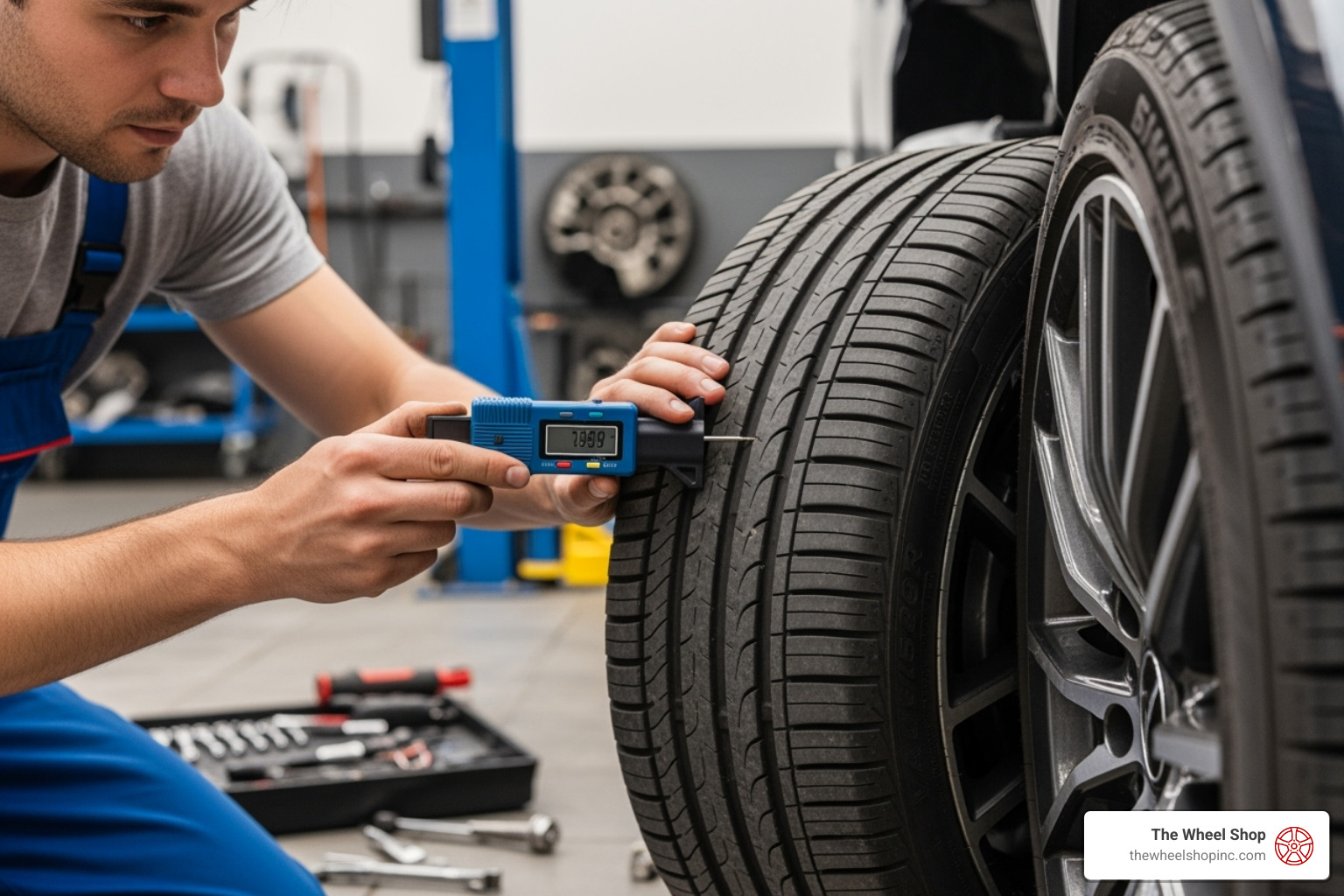
Tread depth is crucial for grip. The grooves channel water away to provide traction. As tread becomes shallow, stopping distances increase dramatically, especially in wet conditions. Check your tread with a penny test or look for the built-in tread wear indicators. Don’t wait until your tires are dangerously worn. Understand this critical safety factor at The Link Between Tread Depth and Stopping Distance.
The Risk of Blowouts, Damaged Rims, and Loss of Traction
Neglecting tire maintenance can quickly escalate into serious danger. Tire blowouts at highway speeds are not just startling—they can be catastrophic. These failures are often caused by under-inflation, overloading, or unseen tire damage. Even minor sidewall damage from curbs, potholes, or road debris can weaken a tire over time, making it prone to sudden failure. Regular inspections can catch these issues before they turn into emergencies.
Bent or damaged rims are more than a cosmetic concern. A compromised rim cannot hold a tire securely, which can result in air leaks, vibration, uneven wear, or sudden tire failure. Addressing rim damage promptly is essential for safety and vehicle performance.
Loss of traction is often a silent threat. Worn or poorly maintained tires reduce your ability to steer, brake, and accelerate effectively, especially in wet or slippery conditions. In a critical moment, the condition of your tires may be the difference between avoiding a collision and causing one. Protecting yourself and your passengers begins with maintaining your tires—the only point of contact between your vehicle and the road.
The True Cost of Ignoring Wheel and Tire Maintenance: A Financial Breakdown
Let’s talk real numbers. The True Cost of Ignoring Wheel and Tire Maintenance isn’t just about replacing worn tires; it’s about small expenses snowballing into huge repair bills. Would you rather spend $50 on a tire rotation today or $800 on a new set of tires next year? The math is straightforward.
When wheels work against each other, the damage spreads. A simple alignment issue becomes a chain reaction. Tire replacement costs are the first wake-up call. You might get only 25,000 miles from a 50,000-mile set of tires, costing $500-$1,200 for a full set years earlier than necessary.
The real pain comes from the suspension. Components like ball joints, struts, shocks, and control arms fail from the extra stress, leading to $1,000-$2,500 in suspension repairs. These costs are avoidable with regular alignments. For example, one customer’s delayed alignment resulted in a $1,000+ bill for a blowout, new tires, and roadside assistance. A compromised suspension also reduces fuel efficiency, adding to your costs.
If you have suspension issues, our Custom Suspension services can help. Catching wheel damage early is also key. Our Wheel Repair services can often save a rim before the problem escalates.
A Proactive Approach: Best Practices for Wheel and Tire Care
The good news is that the serious consequences of neglecting wheel and tire maintenance are entirely preventable with a proactive approach. Consider it like preventive care for your vehicle—small, regular checkups now can save you from costly repairs, dangerous breakdowns, or even accidents down the road. Simple steps like routine inspections, tire rotations, and timely alignments keep your tires performing at their best, extend their lifespan, and ensure your vehicle handles safely in all conditions. A little attention today goes a long way toward protecting both your safety and your wallet tomorrow.
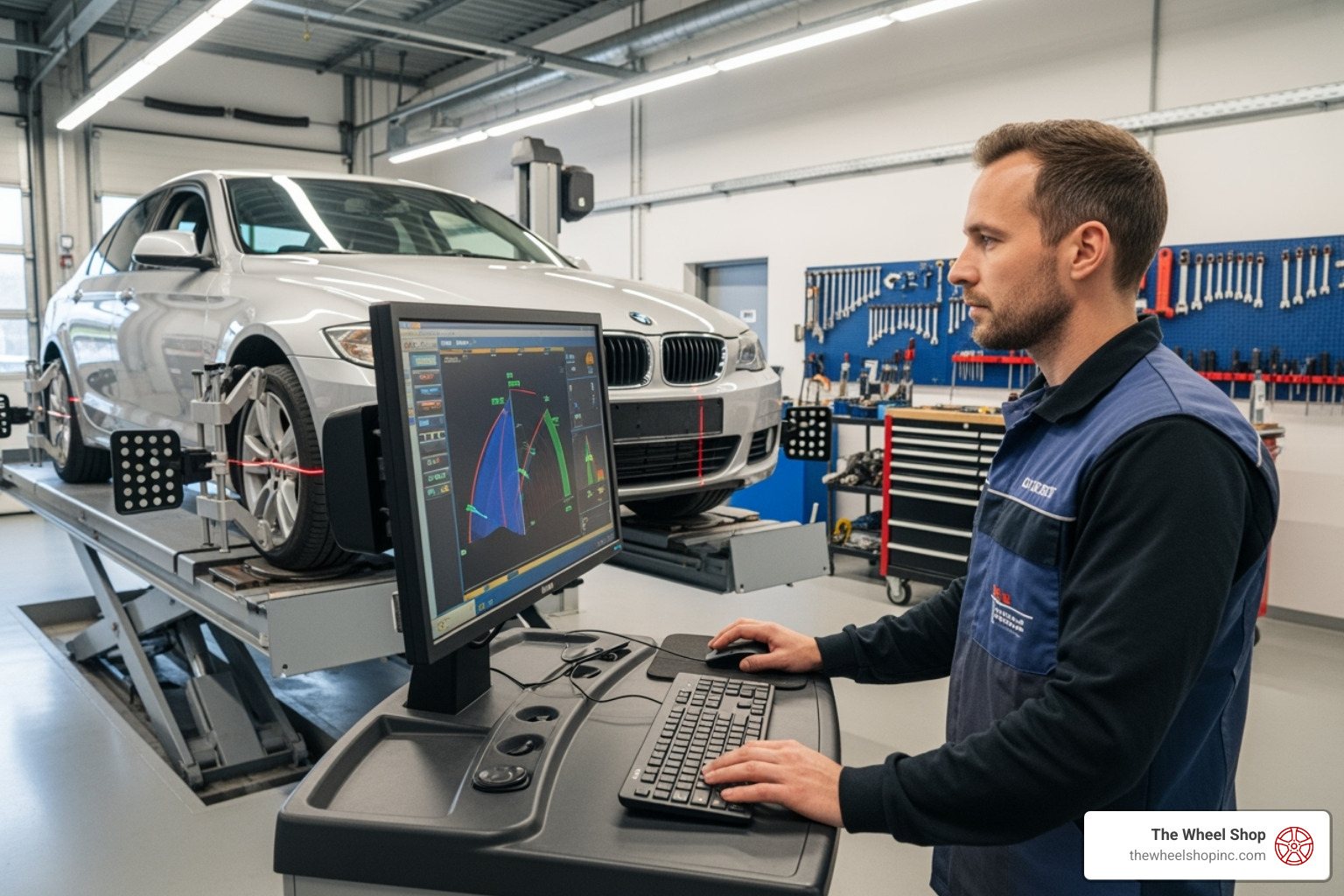
Professional maintenance is about preventing problems, not just fixing them. Modern alignment equipment can detect issues before they become visible, saving you from expensive surprise repairs. Proactive maintenance is simple. You don’t need to be a mechanic, just understand what to watch for and when to seek professional help.
Your Routine Maintenance Checklist
Consistent habits are key to tire care.
- Monthly tire pressure checks: Use a gauge to check pressure when tires are cold. This five-minute task prevents blowouts, improves fuel economy, and extends tire life.
- Regular tire rotation: Every 5,000 to 8,000 miles, rotate your tires to ensure they wear evenly, maximizing your investment.
- Annual alignment checks: Get your alignment checked yearly, or immediately after hitting a large pothole or curb, to prevent hidden damage.
- Visual inspections: A quick walk around your vehicle can reveal cuts, bulges, or unusual wear before they become dangerous.
Your driving style also affects tire longevity. Gentle acceleration and smooth braking can extend tire life. Learn more at How Your Driving Style Impacts Your Tires. For more guidance, see our Tips to Extend the Lifespan of Your Tires.
The Long-Term Benefits of Proper Maintenance
The rewards of proactive care go beyond avoiding costs.
- Improved safety: Proper grip and tracking mean your vehicle responds predictably in emergencies, giving you priceless confidence.
- Improved fuel economy: Correctly inflated and aligned tires reduce rolling resistance, saving you money at the pump.
- Longer vehicle lifespan: Healthy wheels and tires protect your suspension, steering, and drivetrain from unnecessary stress.
- Smoother ride quality: Enjoy your commute without fighting the steering wheel, feeling vibrations, or hearing excess road noise.
- Peace of mind: Knowing your vehicle is reliable and safe allows you to focus on the road, not on potential breakdowns.
Frequently Asked Questions about Wheel and Tire Maintenance
Over our twenty years in business, we’ve heard every question imaginable. Here are answers to the most common ones to help you understand The True Cost of Ignoring Wheel and Tire Maintenance.
How often should wheel alignment be checked?
We recommend checking your alignment at least once a year or every 6,000 miles. However, you should get it checked immediately if you:
- Buy new tires.
- Hit a significant pothole or curb.
- Notice your car pulling to one side.
- See that your steering wheel is crooked when driving straight.
- Find uneven tire wear.
These are early warnings that can save you from bigger expenses. For more guidance, see How Often Should You Replace the Tires on Your Car?.
What is the difference between wheel alignment and wheel balancing?
These two essential services fix different problems.
- Wheel alignment adjusts the angles of your wheels so they are perpendicular to the ground and parallel to each other. This corrects pulling, uneven tire wear, and handling issues.
- Wheel balancing corrects weight imbalances in the tire and wheel assembly by adding small weights to the rim. This eliminates vibrations in the steering wheel or seat, especially at high speeds.
Both are crucial for a smooth, safe ride and maximum tire life.
Can I just replace one or two tires instead of all four?
While tempting to save money, replacing only one or two tires can be risky and costly later.
- For all-wheel-drive (AWD) vehicles, mixing tires with different tread depths is a major problem. The difference in diameter can strain and damage expensive drivetrain components.
- For front-wheel or rear-wheel-drive vehicles, significant tread depth differences can still negatively affect handling, braking, and stability, especially in wet conditions.
Our recommendation is to replace all four tires at once. If that’s not possible, replace them in matching pairs (both fronts or both rears). For a deeper dive, visit Should You Replace All Tires at the Same Time?.
The Wheel Shop Difference
Neglecting wheel and tire maintenance can quickly escalate from a small oversight into costly repairs and significant safety hazards. The math is striking: a $100 alignment today can prevent $2,500 in suspension repairs later, and a $50 tire rotation can extend the life of your tires by years, saving you from premature replacements. These simple, routine services may seem minor, but they are powerful tools for protecting both your wallet and your safety on the road.
Proactive maintenance isn’t an expense—it’s one of the smartest investments you can make in your vehicle. By staying ahead of issues, you protect your family’s safety, save money, and ensure your car remains reliable. The choice is simple: pay a little now for preventive care or a lot more later for major repairs and potential accident costs.
At The Wheel Shop, we’ve spent over twenty years helping Riverside, CA drivers make smart decisions. We’ve seen how proper maintenance provides peace of mind.
Don’t let short-term savings lead to long-term regret. Your wheels and tires work hard for you; they deserve your attention. When you take care of them, they’ll take care of you.
Ready to break the cycle of costly repairs? For expert care from precision alignments to custom wheel and suspension work, explore our comprehensive wheel and tire services. Your future self—and your wallet—will thank you.