Two trucks can leave the factory with the same engine, suspension geometry, drivetrain, and trim package, yet feel completely different on the road after a wheel and tire upgrade. One truck may feel planted, responsive, and smooth over uneven pavement. Another may suddenly feel heavy in corners, rough over bumps, or less stable at highway speeds. To many drivers, this seems confusing because the trucks appear nearly identical. However, wheels and tires influence far more than appearance.
The reality is that a wheel upgrade changes multiple aspects of vehicle dynamics at once. Wheel weight, tire compound, suspension interaction, alignment settings, and overall fitment all work together to shape how a truck behaves in real-world driving conditions. A setup that looks aggressive online may not always produce the driving feel a customer expects once installed.
At The Wheel Shop, we spend a significant amount of time helping customers understand that choosing the right setup is not only about style. It is about creating a balanced driving experience that matches how the vehicle is actually used. Whether someone drives daily through Riverside traffic, regularly tows equipment, or spends weekends off-road, the correct wheel and tire package can dramatically influence ride comfort, steering feel, braking response, and long-term component wear.
Wheel Weight Changes More Than Most Drivers Realize
One of the most overlooked factors in a wheel upgrade is wheel weight. Two wheels may look nearly identical in size and finish, yet differ dramatically in overall mass depending on construction materials, manufacturing methods, and design complexity. Heavier wheels increase what is known as unsprung weight, which refers to the components not directly supported by the suspension system.
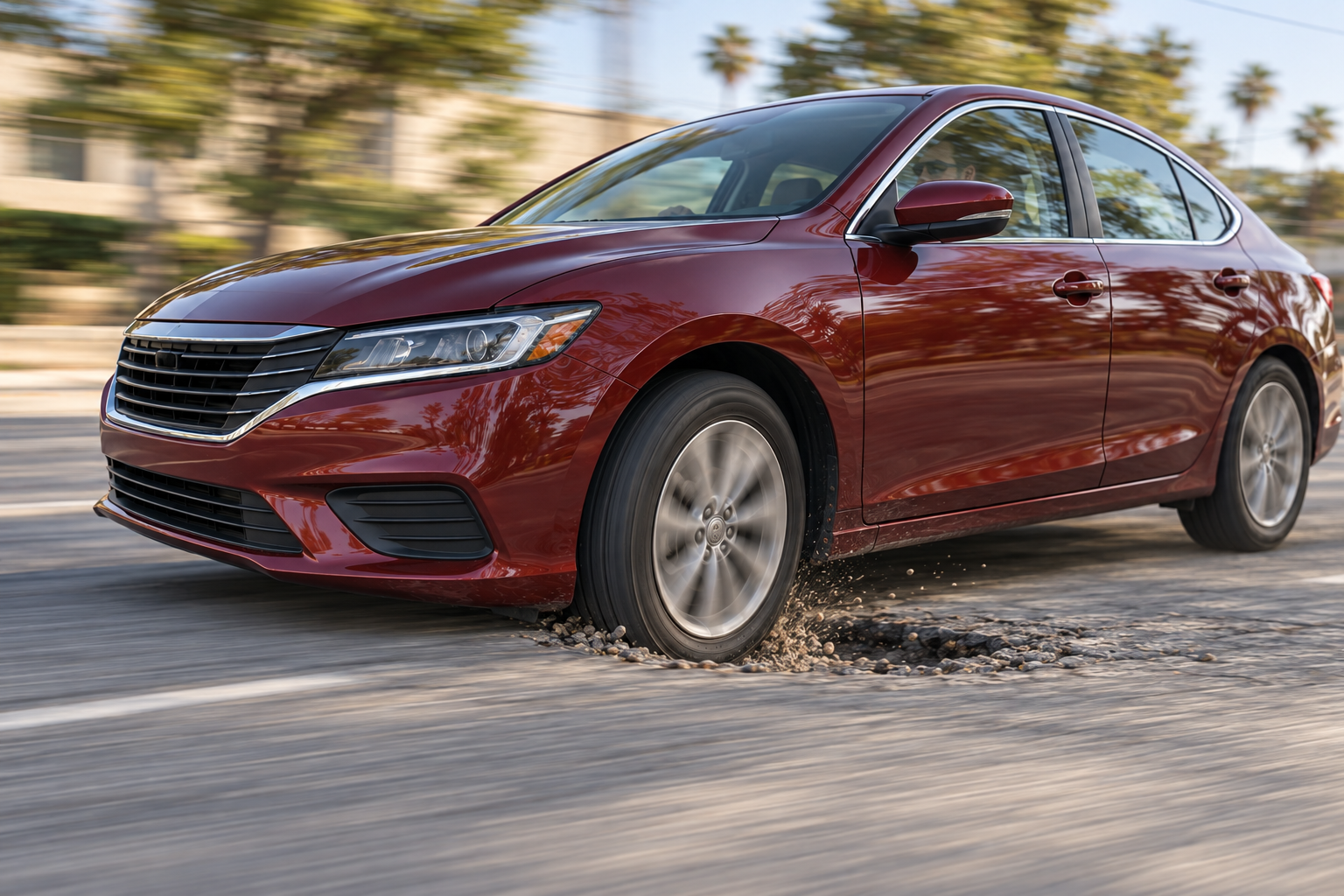
When unsprung weight increases, the suspension has to work harder to control wheel movement over bumps, potholes, and uneven pavement. This can create a truck that feels slower to respond, rougher over road imperfections, and less controlled during aggressive cornering or braking. In fact, wheel weight directly affects acceleration, braking, and handling performance. Even moderate weight increases can noticeably change driving behavior.
Lighter wheels, on the other hand, often allow the suspension to react more efficiently. The truck may feel more responsive during steering inputs and more composed over rough surfaces. This is especially noticeable in trucks with larger wheel diameters because larger wheels already reduce sidewall flexibility. If those larger wheels are also excessively heavy, ride quality can deteriorate quickly.
Drivers often assume that all larger wheels automatically improve handling, but the opposite can happen when weight increases significantly. A truck equipped with oversized cast wheels may actually feel less refined than a properly balanced setup using lighter materials and correctly matched tire specifications.
This becomes even more important for customers interested in aftermarket wheels for towing, off-road use, or daily commuting. A truck used primarily for long freeway drives may benefit from a different wheel construction than a vehicle intended for trail use or heavy hauling. Selecting wheels purely based on appearance without considering weight often leads to disappointment once the vehicle hits the road.
Tire Compound Selection Has a Massive Impact on Driving Feel
Many customers focus heavily on wheel design while underestimating the importance of the tire itself. In reality, tire compound selection may influence driving feel even more than the wheel. Two trucks with identical wheel sizes can behave completely differently simply because of the tires installed.
Tire compounds determine how the rubber interacts with the road surface. Softer compounds generally provide more grip and improved traction, but they may wear faster and generate more road noise. Harder compounds typically last longer and may improve fuel economy, but they can reduce cornering confidence and wet-weather grip.
This balance becomes extremely important in trucks because trucks are often expected to perform multiple roles. A daily-driven pickup may need comfortable highway manners during the week while still maintaining traction for weekend towing or occasional off-road use. The wrong tire compound can make the vehicle feel disconnected, noisy, or unstable even if the wheels themselves are high quality.
The National Highway Traffic Safety Administration emphasizes the importance of proper tire maintenance and alignment through its Tire Safety Ratings and Awareness resources, noting that tire condition and setup directly affect safety, fuel efficiency, and handling. Tire compound plays a major role in all three areas.
For example, aggressive mud-terrain tires with reinforced sidewalls often create a heavier steering feel and increased road vibration compared to highway-oriented all-terrain tires. While that aggressive tread pattern may look ideal on social media, it may not match the customer’s actual driving habits.
Similarly, some performance-oriented truck tires prioritize grip and steering response at the expense of ride softness. Other compounds focus on longevity and comfort. The challenge is finding the correct balance for the customer’s priorities.
At The Wheel Shop, we often explain that a wheel and tire package should function as a system rather than separate purchases. Properly matched truck wheels and tires create a vehicle that not only looks better but also feels more predictable and enjoyable to drive.
Alignment and Suspension Interaction Changes Everything
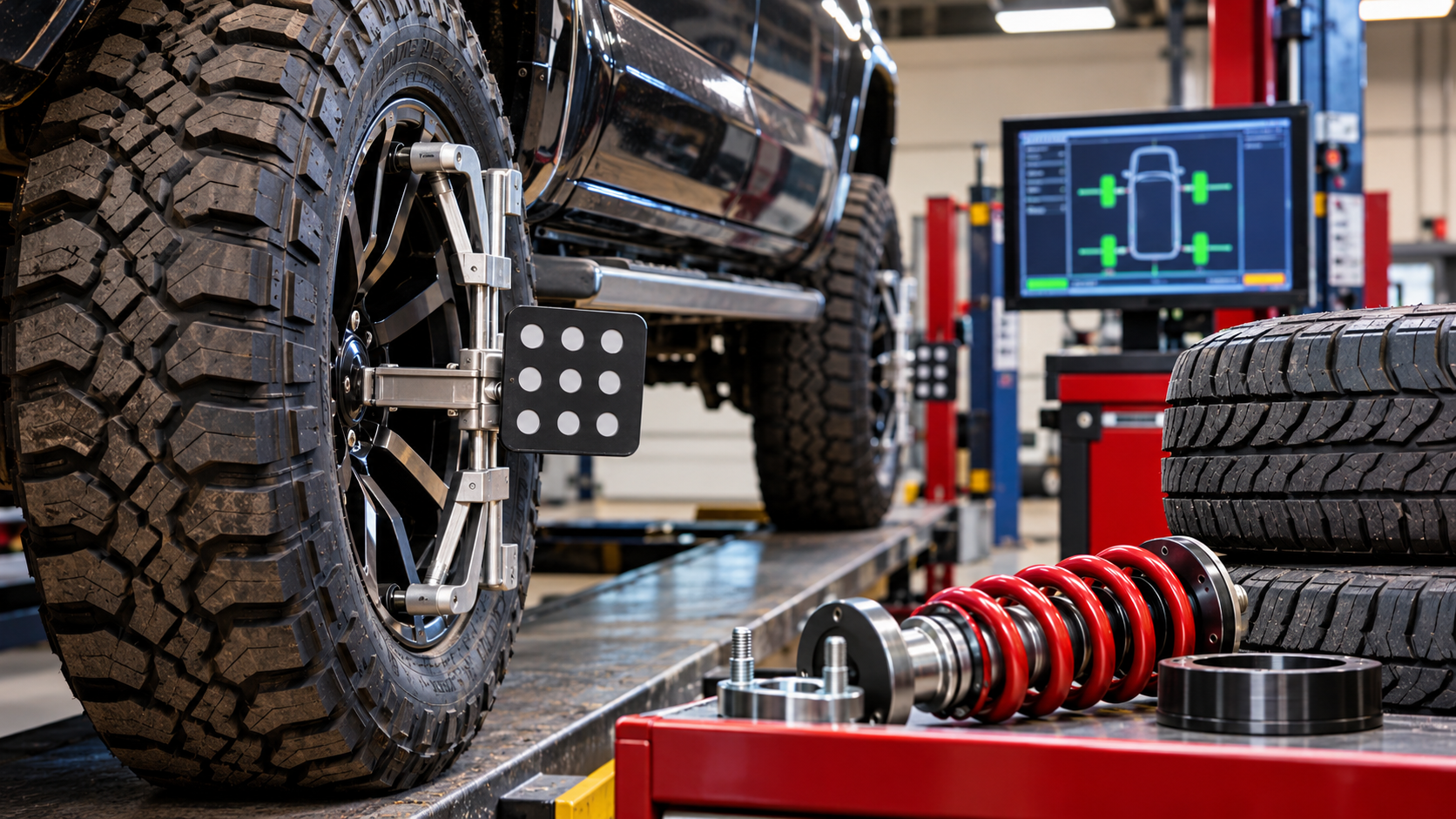
A wheel upgrade does not happen in isolation. Once wheel diameter, width, offset, or tire dimensions change, the vehicle’s suspension geometry and alignment characteristics may also change. This is one of the primary reasons why two similar trucks can drive completely differently after modifications.
Alignment angles such as camber, caster, and toe directly influence steering response, tire wear, and vehicle stability. When larger wheels or different offsets are installed, those angles can shift enough to alter how the truck behaves under braking, cornering, and highway cruising.
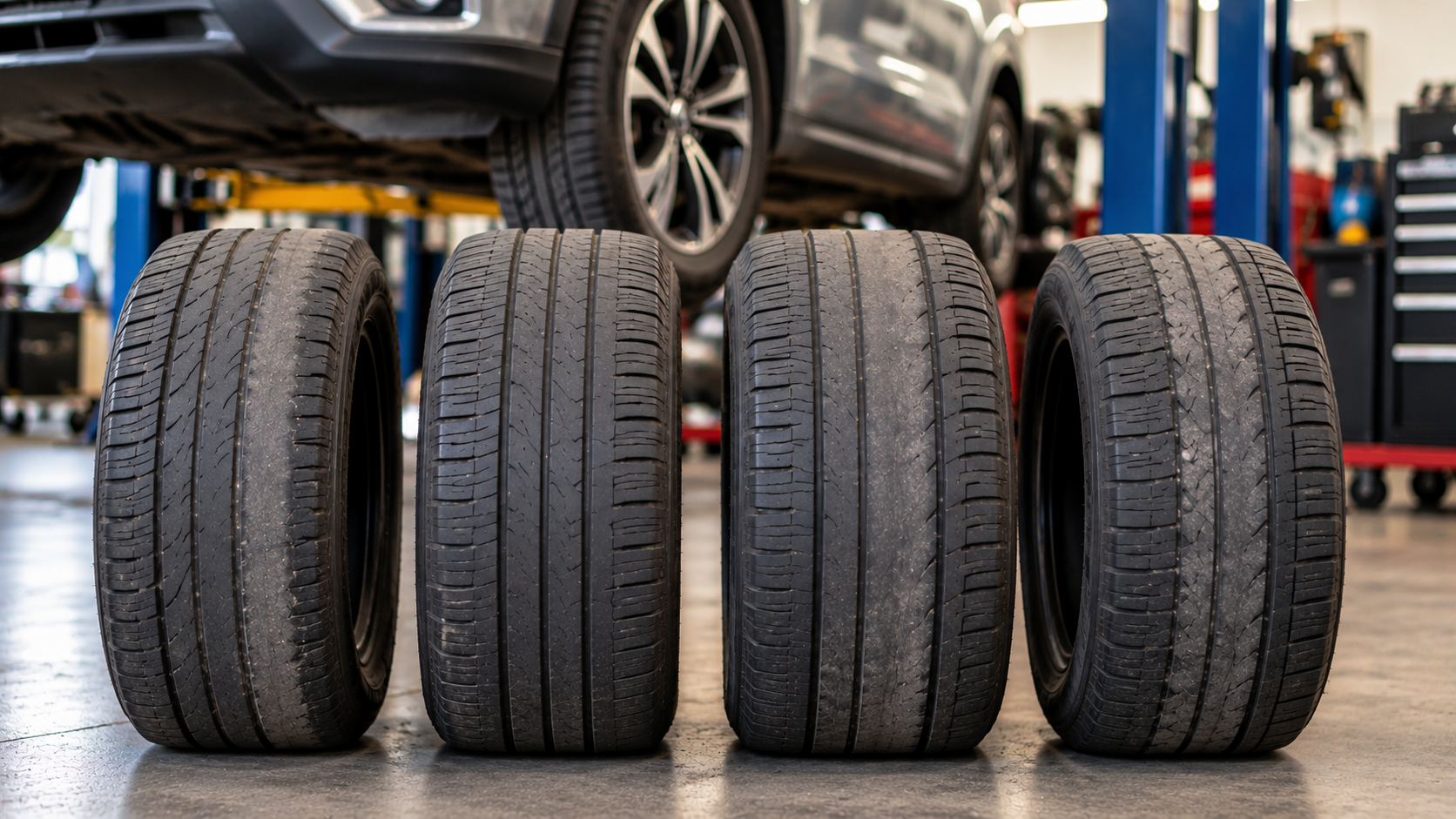
Improper alignment following a wheel upgrade often leads to steering pull, uneven tire wear, vibration, or reduced fuel efficiency. Even small alignment issues can reduce fuel efficiency and accelerate tread wear. Many drivers assume their suspension is defective when the real issue is that the upgraded setup was never properly aligned.
Suspension condition also plays a major role. A truck with worn shocks, bushings, or steering components may react poorly to heavier wheels or lower-profile tires because there is less flexibility available to absorb impacts. Meanwhile, a truck with upgraded shocks and properly calibrated suspension components may handle larger wheels with minimal compromise.
Lifted trucks present an even more complicated situation. Suspension lifts change steering geometry and weight transfer characteristics, meaning wheel and tire selection must be approached carefully. A poorly matched setup can create wandering steering, premature tire wear, or excessive body roll.
Customers searching for suspension upgrades, alignments, or truck accessories often focus primarily on aesthetics. However, the real goal should be preserving drivability while enhancing appearance. A properly engineered setup should feel cohesive rather than compromised.
Real-World Driving Feel Matters More Than Parking Lot Appearance
Many wheel upgrades are judged while the truck is parked. Photographs on social media, wheel fitment galleries, and online forums naturally emphasize appearance because appearance is easy to capture visually. Real-world driving feel is much harder to communicate.
A setup that looks impressive in a parking lot may feel exhausting during everyday driving. Excessively heavy wheels can increase braking distances and steering effort. Aggressive tires may create constant road noise during freeway commuting. Incorrect offsets can place additional stress on steering and suspension components.
According to testing discussed by MotorTrend, wheel weight can meaningfully influence acceleration, braking, and overall performance. While many drivers focus on horsepower gains, reducing rotational weight can also significantly affect responsiveness.
This is why customer goals matter so much during the selection process. A truck used for daily commuting through Southern California traffic requires different priorities than a dedicated off-road build or towing vehicle. Some customers prioritize comfort and low noise. Others want sharper handling or improved load capacity.
The best setups are the ones that balance appearance with usability. A truck should feel stable on the freeway, predictable during emergency maneuvers, comfortable over rough pavement, and confident during braking. These factors influence driver satisfaction far more than appearance alone after the initial excitement wears off.
At The Wheel Shop, we regularly work with customers who initially selected wheels online only to realize the setup did not match their actual driving needs. Proper consultation helps avoid expensive mistakes while creating a truck that feels as good as it looks.
Bigger Is Not Always Better
One of the most common misconceptions surrounding wheel upgrades is that larger wheels automatically improve performance and handling. While larger wheels can improve steering precision in some situations, they also introduce compromises that many drivers do not anticipate.
Larger wheels typically require lower-profile tires with shorter sidewalls. Shorter sidewalls flex less during cornering, which can sharpen steering response. However, they also reduce cushioning over potholes and rough pavement. This can create a harsher ride, especially on trucks already equipped with stiff suspension systems.
Wheel diameter increases can also add rotational mass. Even if the wheel itself is relatively lightweight, larger overall diameters often increase inertia. This may slightly reduce acceleration responsiveness and increase braking effort.
Additionally, larger wheel packages can affect fuel economy because the engine and drivetrain must work harder to rotate the additional mass. Tire rolling resistance also changes depending on tread design and compound selection.
A properly selected 18-inch wheel with a balanced all-terrain tire may outperform a much larger setup in terms of ride quality, drivability, and long-term durability. The right fitment is not necessarily the largest one. It is the one that creates the best overall driving experience.
Why Professional Installation and Fitment Expertise Matter
Modern trucks are more sensitive to wheel and tire changes than many drivers realize. Electronic stability systems, advanced suspension geometry, and increasingly precise steering calibration mean that improper fitment can create issues quickly.
Wheel offset, hub centricity, tire load ratings, brake clearance, and suspension travel all need to be considered together. Installing the wrong setup may lead to rubbing, vibration, premature wear, or compromised handling.
Professional installation also ensures proper balancing and alignment after the upgrade. Balancing becomes especially critical with larger truck tires because even minor imbalances become more noticeable at highway speeds.
That attention to detail matters because every component influences how the truck feels on the road. Proper fitment can transform the driving experience, while poor fitment can create ongoing frustration even when the vehicle looks impressive.
Frequently Asked Questions
Wheel upgrades involve more than selecting a design that looks good online. Customers often have questions about performance changes, ride quality, and long-term maintenance after installing new wheels and tires. Understanding how these factors interact helps drivers make more informed decisions before investing in a new setup.
Do lighter wheels really make a noticeable difference?
Yes. Lighter wheels reduce unsprung and rotational weight, allowing the suspension and steering system to respond more efficiently. Many drivers notice improvements in steering responsiveness, braking feel, and overall ride quality, particularly during daily driving and highway cruising.
Why does my truck feel rougher after installing larger wheels?
Larger wheels usually require lower-profile tires with shorter sidewalls. Those shorter sidewalls absorb less road impact, which can make the ride feel firmer or harsher. Heavier wheel designs can also increase suspension strain and road vibration.
Is an alignment necessary after installing new wheels and tires?
Absolutely. Even moderate changes in wheel size, width, or offset can affect alignment angles. A professional alignment helps prevent uneven tire wear, steering pull, vibration, and reduced fuel efficiency.
Are aggressive off-road tires bad for daily driving?
Not necessarily, but they may create trade-offs. Mud-terrain tires often generate more road noise, heavier steering feel, and reduced fuel economy compared to highway-oriented all-terrain tires. The best tire depends on how the truck is actually used.
The Wheel Shop Difference
Choosing the right wheel and tire package is about much more than appearance. The wrong setup can negatively affect ride quality, suspension wear, steering response, and long-term operating costs. The right setup creates a truck that feels balanced, comfortable, capable, and enjoyable every time you drive it.
At The Wheel Shop, we have spent more than twenty years helping drivers throughout Riverside and surrounding areas build vehicles that perform as well as they look. We specialize in powder coating, wheel repair, alignments, aftermarket wheels, OEM wheels, suspension, calipers, truck accessories, tires, and chrome plating. Our experienced certified mechanics understand how each modification affects real-world performance, not just appearance.
We take the time to understand how our customers actually use their vehicles before recommending a setup. Whether you want a smoother daily commute, improved towing stability, enhanced off-road capability, or a more refined driving feel, we help create a solution tailored to your goals.
If you are considering a wheel or tire upgrade, contact The Wheel Shop today at (951)588-1222 or email us to learn more about our services. From professional fitment guidance to complete installation and alignment services, we are committed to helping you build a truck that drives as good as it looks.
Discover why two identical trucks can drive completely differently after a wheel upgrade. Learn how wheel weight, tire compound, suspension setup, and professional alignments affect handling, ride quality, performance, and long-term tire wear. The Wheel Shop in Riverside, CA specializes in aftermarket wheels, truck tires, suspension upgrades, wheel repair, and alignments.