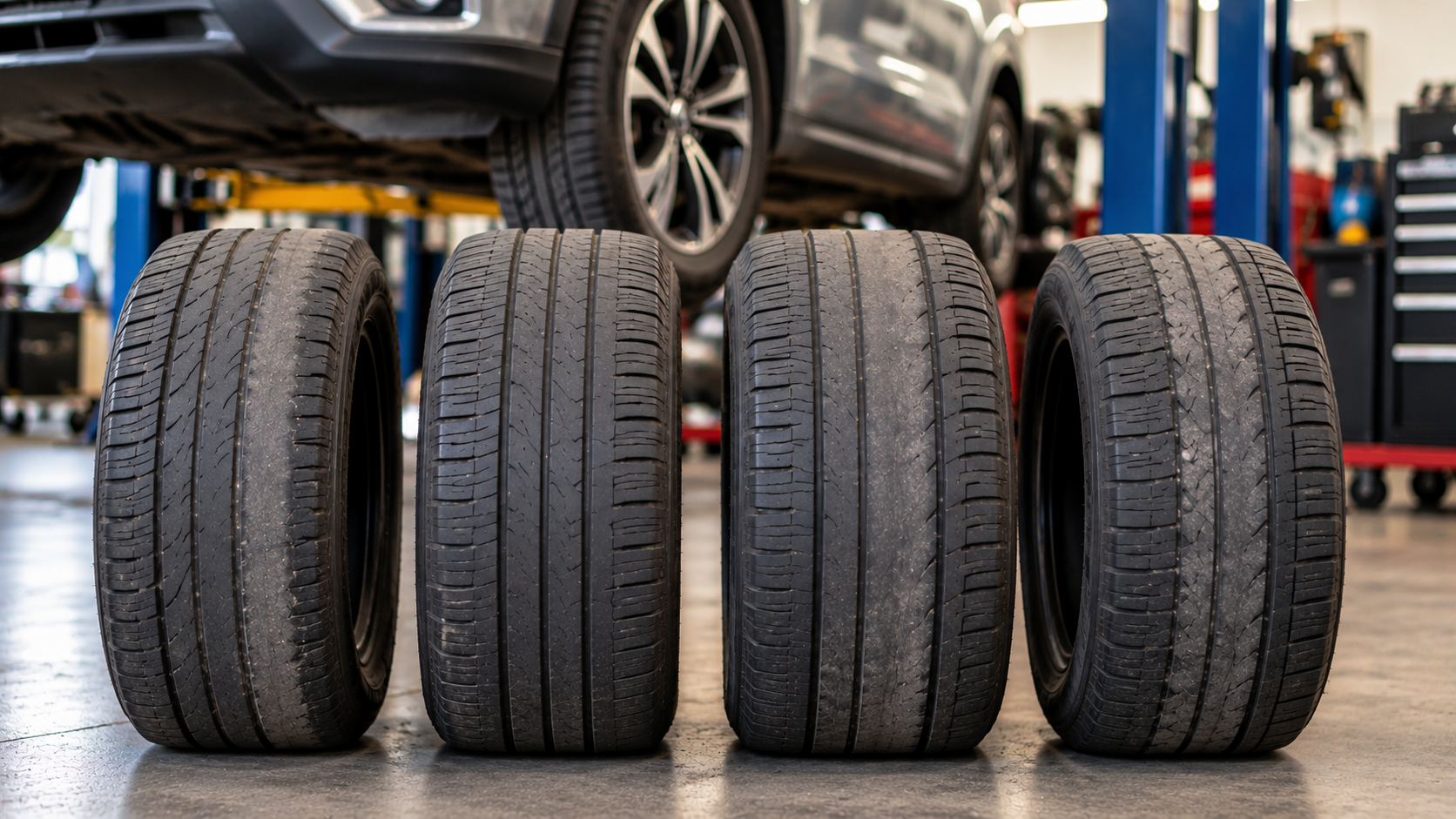
Your tires can reveal a surprising amount about the condition of your vehicle. A worn edge, a smooth patch, or an unusual tread pattern may seem like a minor cosmetic issue, but these changes can indicate problems with wheel alignment, tire pressure, suspension components, or how your tires contact the road. Recognizing these patterns early can help you avoid unnecessary tire replacements and more expensive repairs.
At The Wheel Shop in Riverside, CA, we help drivers understand what their tires are telling them. With more than twenty years of experience working with wheels, tires, and suspension systems, we know that uneven tire wear is often a symptom of something happening elsewhere on the vehicle. Our approach goes beyond replacing worn tires. We help identify contributing factors and recommend solutions that protect your investment and improve how your vehicle handles.
Why Tire Wear Patterns Matter
Every tire gradually loses tread as it travels across the road. Under normal conditions, that wear should be relatively consistent across the tread surface, although driving habits, vehicle design, and tire position can influence the rate. When one area wears significantly faster than another, it often means the tire is experiencing uneven pressure, excessive friction, or irregular movement.
These differences matter because your tires are the only parts of your vehicle that maintain direct contact with the road. Uneven tread can affect traction, braking, steering response, and overall ride quality. The National Highway Traffic Safety Administration emphasizes the importance of checking tire condition, inflation pressure, and tread depth as part of routine vehicle maintenance.
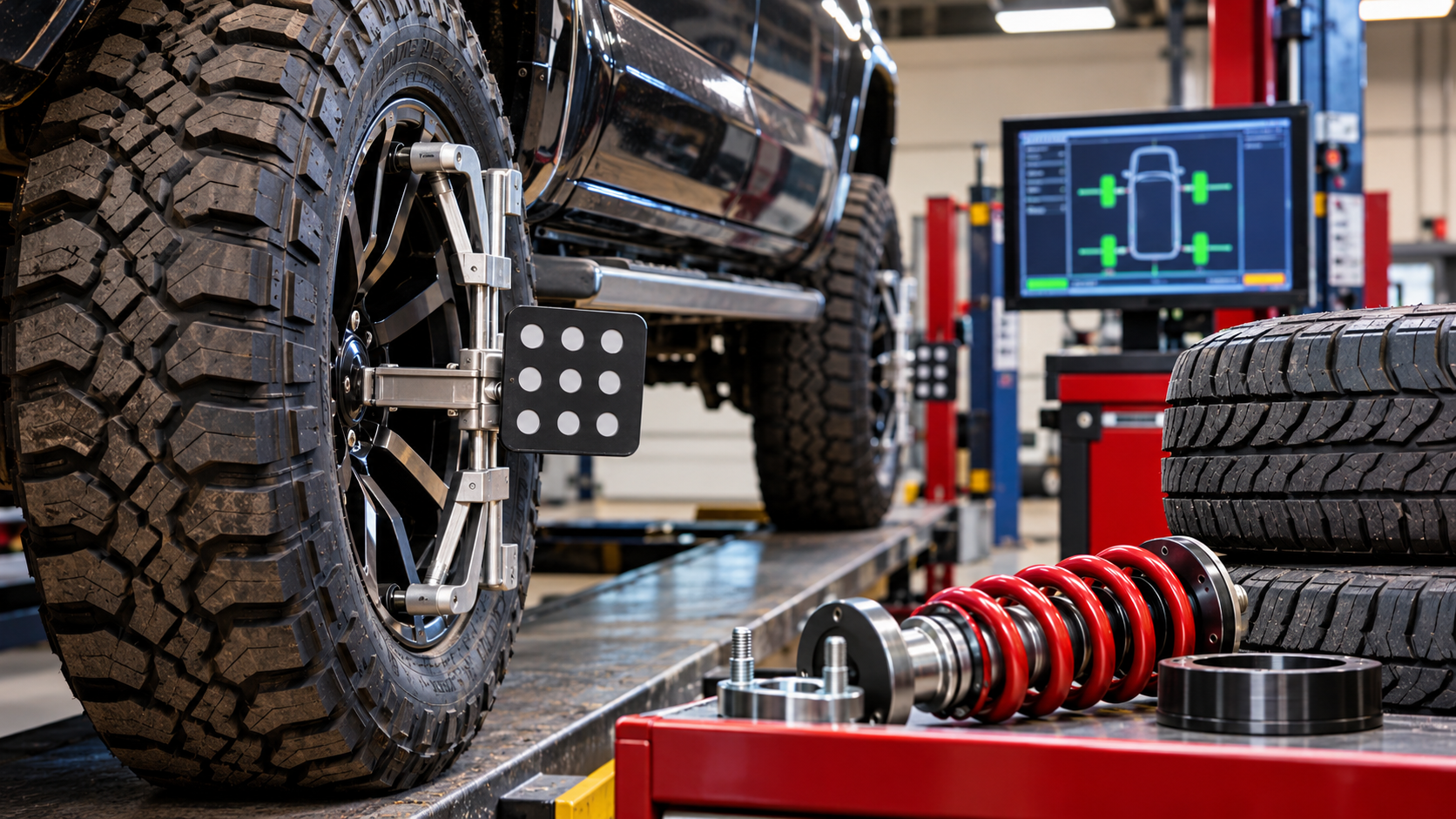
At The Wheel Shop, we look at wear patterns as diagnostic clues rather than isolated problems. Our tire services and wheel alignment services help customers address both the visible wear and the conditions that may have caused it. Understanding the different patterns is the first step toward making an informed repair decision.
Wear on the Inside or Outside Edge of the Tire
One of the most recognizable patterns involves excessive wear along the inner or outer shoulder of a tire. Sometimes the damage is obvious, while other times the affected area is difficult to see without turning the steering wheel or examining the tire from underneath the vehicle.
A common cause is incorrect camber, which describes how much a wheel tilts inward or outward when viewed from the front. Excessive inward or outward tilt can concentrate the tire’s contact pressure on one shoulder. Incorrect toe alignment can also produce rapid shoulder wear, particularly when the tire is being dragged slightly sideways as the vehicle travels forward.
At The Wheel Shop, our professional alignment services help correct alignment angles according to the vehicle’s specifications. We also consider whether worn suspension components, previous impacts, or modifications may be contributing to the problem. Simply installing new tires without addressing the underlying cause could allow the same wear pattern to develop again.
Excessive Wear in the Center of the Tread
When the middle portion of a tire wears faster than both shoulders, excessive inflation pressure is one possible explanation. Overinflation can change how the tire distributes its load across the road, sometimes placing greater emphasis on the center of the tread.
However, center wear does not automatically mean a tire has been overinflated. Tire construction, vehicle loading, driving conditions, and previous inflation history can also influence the pattern. That is why checking the actual tire pressure against the manufacturer’s recommendation is more reliable than judging the tread alone.
At The Wheel Shop, we help customers evaluate tire condition and determine whether continued use is appropriate. We recommend following the pressure listed on the vehicle’s tire information placard rather than the maximum pressure printed on the tire sidewall. If the center tread is already excessively worn, correcting inflation will not restore the missing rubber, and replacement may be necessary.
Wear Along Both Outer Shoulders
When both shoulders wear faster than the center, underinflation is a common possibility. A tire operating below its recommended pressure may flex excessively and distribute its load unevenly. This can increase heat buildup and accelerate deterioration, especially during extended highway driving.
Vehicle loading can make the situation worse. Trucks and SUVs that regularly carry heavy equipment, passengers, or cargo may experience additional tire stress when inflation pressure is not appropriate for the load. Drivers should follow their vehicle manufacturer’s tire pressure and loading recommendations.
The Wheel Shop helps customers select tires suited to their vehicles and driving demands. We also consider load ratings and tire specifications when recommending replacements. Choosing the correct tire and maintaining proper inflation can help reduce premature wear and support consistent performance.
Feathered Tire Tread and What It Means
Feathering occurs when individual tread blocks develop uneven edges. Running your hand carefully across the tread in one direction may feel relatively smooth, while moving in the opposite direction reveals sharper edges. This pattern can be difficult to notice visually, particularly during its early stages.
Incorrect toe alignment is a frequent cause. When wheels point slightly inward or outward instead of following the intended direction of travel, the tires can scrub against the pavement. Over time, this sideways friction creates uneven tread-block edges.
Our precision wheel alignment services at The Wheel Shop help identify and correct alignment conditions that contribute to feathering. We also evaluate whether suspension wear or steering-related issues may be preventing the vehicle from maintaining proper alignment. Correcting the cause can protect replacement tires, although existing feathering may remain noticeable until the affected tread wears down or the tires are replaced.
Cupping and Scalloped Tire Wear
Cupping, sometimes called scalloping, creates alternating high and low spots around the tire’s circumference. The tread may appear to have small scooped-out sections, and drivers may notice a humming, thumping, or vibration that becomes more pronounced at certain speeds.
This pattern is often associated with irregular tire movement. Worn shock absorbers, struts, or other suspension components may allow the tire to bounce excessively rather than maintaining consistent contact with the road. Wheel imbalance, tire irregularities, and other mechanical conditions can also contribute.
At The Wheel Shop, our suspension services complement our tire and wheel expertise. When customers report cupping, we consider the relationship between tire condition, wheel balance, and suspension performance. Addressing the source of irregular movement is important because balancing or replacing a tire alone may not resolve the problem.
Uneven Wear on Only One Tire
Sometimes three tires appear relatively normal while the fourth shows substantial wear. This difference can indicate a localized issue rather than a vehicle-wide maintenance problem. A bent suspension component, damaged wheel, incorrect alignment angle, or improperly inflated tire may affect one corner more than the others.
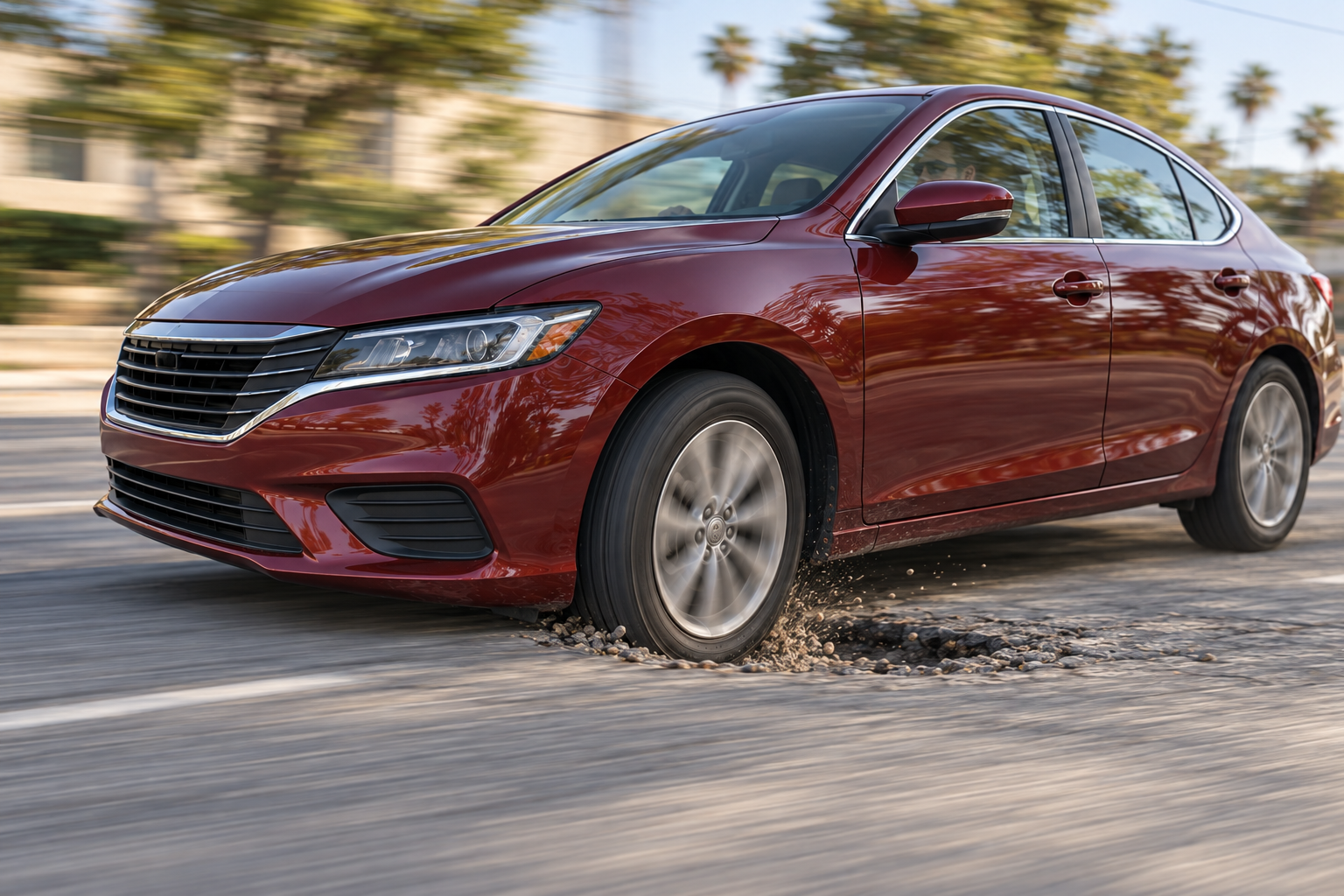
For example, striking a pothole or curb can alter wheel alignment or damage a rim without producing an immediately obvious driving problem. The vehicle may continue traveling normally while the affected tire gradually develops unusual wear.
The Wheel Shop offers wheel repair and alignment services that help customers address damage-related concerns. Our certified mechanics can assess the affected wheel and relevant vehicle components to determine appropriate next steps. Finding the reason one tire is wearing differently can prevent repeated replacements and unnecessary expense.
Flat Spots and Irregular Patches of Missing Tread
A flat spot develops when one section of a tire becomes noticeably flatter or more worn than the surrounding tread. This can happen after severe braking that locks a wheel, although modern anti-lock braking systems help reduce that possibility. Vehicles left stationary for extended periods may also develop temporary flat spotting as the tire rests under the vehicle’s weight.
Not every flat spot is permanent. Some temporary flat spots disappear as the tires warm up during normal driving. However, physical tread loss, internal tire damage, or persistent vibration requires professional attention. According to Michelin’s guidance on tire wear problems, flat spotting and other irregular patterns can result from different mechanical or operating conditions.
At The Wheel Shop, we evaluate unusual tread conditions alongside customer-reported symptoms. If you notice a vibration after hard braking, an impact, or an extended period of storage, we can help determine whether the tire requires replacement or whether another wheel-related issue needs attention.
How Tire Wear Can Reveal Alignment and Suspension Problems
Tire wear becomes particularly useful when considered alongside changes in vehicle handling. A car that pulls to one side, requires frequent steering corrections, or feels unstable during turns may have an alignment or suspension problem. If those symptoms accompany irregular tread wear, the combination provides important diagnostic information.
Wheel alignment and suspension condition are closely related, but they are not interchangeable. Alignment concerns the angles at which your wheels meet the road. Suspension components help control vehicle movement and maintain those angles as you drive. Worn or damaged components can make it difficult to achieve or maintain proper alignment.
At The Wheel Shop, we offer both wheel alignment services and suspension repair and installation. This allows us to approach uneven tire wear with a broader understanding of how wheels, tires, and suspension components work together. Our goal is to identify the contributing problem rather than recommend services based solely on tread appearance.
When Uneven Tire Wear Means You Need New Tires
Discovering an unusual wear pattern does not automatically mean your tires need replacement. If the wear is minor, sufficient tread remains, and the tire has no structural damage, correcting the underlying problem may allow continued use. However, significant tread loss cannot be reversed through an alignment, tire rotation, or inflation adjustment.
Tread depth is especially important. The Michelin tire tread depth guide explains how reduced tread affects wet-road performance and why drivers should monitor remaining tread depth rather than relying on appearance alone. Tires worn to 2/32 inch must be replaced, and earlier replacement may be advisable depending on conditions. Exposed cords, bulges, and other serious damage also require immediate attention.
At The Wheel Shop, we help customers determine whether tire replacement is necessary and select suitable options when it is. Our experience with tire installation in Riverside, aftermarket and OEM wheels, and vehicle-specific tire requirements allows us to recommend combinations that support proper fitment, handling, and long-term performance.
Preventing Uneven Tire Wear Before It Becomes Expensive
Preventing premature wear starts with regular tire inspections. Checking inflation pressure when tires are cold, monitoring tread depth, and looking for differences between tires can reveal developing problems. Tire rotations performed according to manufacturer recommendations also help distribute wear associated with different wheel positions.
Drivers should pay particular attention after hitting a pothole, striking a curb, or making suspension modifications. Even when the vehicle appears to drive normally, alignment angles or wheel components may have changed. An early inspection can help prevent a relatively minor issue from shortening the life of an otherwise healthy set of tires.
The Wheel Shop helps Riverside drivers stay ahead of these problems through professional tire, wheel, alignment, and suspension services. Whether your vehicle is a daily commuter, performance car, SUV, or truck, we can help you understand the condition of your tires and recommend maintenance based on what your vehicle actually needs.
Frequently Asked Questions
Understanding tire wear patterns can help you recognize when your vehicle needs attention. Here are answers to several questions we frequently encounter when customers notice unusual tread conditions.
Can a Wheel Alignment Fix Uneven Tire Wear?
A wheel alignment can correct certain conditions that cause uneven tire wear, but it cannot restore tread that has already worn away. If the tires still have sufficient tread and no serious damage, correcting the alignment may help prevent further abnormal wear. At The Wheel Shop, we can evaluate your alignment and tire condition to determine whether replacement is necessary.
Why Are My Front Tires Wearing Faster Than My Rear Tires?
Front tires often experience additional steering and cornering forces, while wear differences also depend on drivetrain design, vehicle weight distribution, and driving habits. However, excessive differences may indicate incorrect inflation, alignment problems, or suspension issues. Regular tire rotations help manage normal differences, while an inspection can identify abnormal wear.
Can Bad Shocks or Struts Cause Uneven Tire Wear?
Yes. Worn shocks or struts may allow excessive tire movement, contributing to cupping or scalloped tread patterns. Other components and wheel balance can produce similar symptoms, so an inspection is important. The Wheel Shop can assess relevant suspension and wheel conditions and recommend appropriate corrective services.
Should I Replace My Tires Before Getting an Alignment?
If your tires are unsafe, they should be replaced promptly. However, the cause of abnormal wear should also be addressed before the replacement tires accumulate significant mileage. At The Wheel Shop, we can help coordinate the necessary tire and alignment services so your new tires begin service under appropriate conditions.
The Wheel Shop Difference
Your tires should provide reliable traction, predictable handling, and consistent performance throughout their usable life. When unusual wear patterns appear, The Wheel Shop is here to help you understand what is happening and what can be done about it. We believe that effective tire service means looking beyond the worn tread to consider the condition of the entire wheel and suspension system.
For more than twenty years, The Wheel Shop has served customers with professional wheel and tire expertise. Located in Riverside, CA, we specialize in tires, wheel repair, alignments, suspension services, aftermarket and OEM wheels, powder coating, calipers, chrome plating, and truck and car accessories. Our certified mechanics bring years of experience, specialized training, and industry certifications to every repair and installation.
Whether your tires show feathering, cupping, shoulder wear, or another unusual pattern, our team can help identify potential causes and recommend practical solutions. From correcting alignment issues to evaluating suspension components and installing replacement tires, we focus on helping you protect your investment and maintain a vehicle that performs as intended.
If you have noticed uneven tire wear or changes in how your vehicle handles, contact The Wheel Shop today at (951) 588-1222 or visit thewheelshopinc.com to learn more about our services. Let our experienced team help you get more from your tires and enjoy greater confidence every time you get behind the wheel.