The Hidden Connection Between Ride Height, Alignment, and Tire Wear
Changing a vehicle’s ride height can completely transform its appearance and driving experience. A lifted truck gains additional ground clearance and a more commanding presence, while a lowered car develops a sportier stance and a different feel on the road. However, these modifications can affect more than appearance. They can also change how the wheels contact the pavement, how the suspension operates, and how quickly the tires wear.
At The Wheel Shop in Riverside, California, we understand that ride height, wheel alignment, and tire wear are closely connected. Whether you are considering a suspension upgrade, have recently installed a lift kit, or have noticed uneven tire wear, our team can help you understand how these components work together. With the right suspension setup and professional alignment, you can enjoy the appearance and performance you want without unnecessarily sacrificing tire life.
Why Ride Height Affects More Than Vehicle Appearance
Ride height refers to how high a vehicle sits relative to the ground, typically measured at specific points on the body or suspension. Manufacturers establish suspension geometry around a designed operating height, balancing handling, comfort, tire contact, and stability. Raising or lowering a vehicle changes the position of suspension components and can alter the angles at which the wheels meet the road.
For example, installing a suspension lift may change the operating angles of control arms and steering components. Lowering a vehicle can create similar changes in the opposite direction, depending on its suspension design. Even relatively modest adjustments can influence alignment settings, particularly when the suspension moves away from its original operating position.
At The Wheel Shop, we approach suspension modifications as more than cosmetic upgrades. Our technicians consider how changes in ride height affect the entire wheel and suspension system. Whether you need custom suspension installation, a truck leveling kit, or adjustments to an existing setup, our goal is to help maintain predictable handling and reasonable tire wear.
Understanding the Relationship Between Suspension Geometry and Wheel Alignment
Wheel alignment involves three primary measurements: camber, caster, and toe. Each describes a different aspect of wheel positioning, and each can be affected by changes in suspension geometry. Understanding these measurements helps explain why a vehicle can look perfectly level while still wearing through tires prematurely.
Camber describes the inward or outward tilt of a wheel when viewed from the front. Toe measures whether the wheels point slightly toward or away from each other when viewed from above. Caster describes the steering axis angle when viewed from the side and primarily influences steering stability and return-to-center behavior. Excessive camber can concentrate wear along one shoulder of a tire, while incorrect toe can cause rapid tread wear through continuous scrubbing.
When ride height changes, the suspension may settle into a different position along its normal range of movement. Depending on the vehicle, this can alter camber and toe even when no alignment components have been deliberately adjusted. Some vehicles offer sufficient factory adjustment, while others may require compatible correction components.
Our wheel alignment services help identify these changes. At The Wheel Shop, we evaluate alignment measurements against the vehicle’s specifications and the requirements of its suspension configuration, helping customers understand whether standard adjustments or additional corrections are appropriate.
How Lift Kits and Leveling Kits Influence Tire Wear
Lift kits for trucks and SUVs are popular among drivers who want greater ground clearance, larger tires, or a more aggressive appearance. However, different lift systems affect suspension geometry in different ways. A suspension lift changes the relationship between the vehicle’s chassis and suspension components, while certain leveling kits raise the front of a truck to reduce its factory rake.
These changes can affect steering geometry and wheel positioning. For example, a front leveling kit may shift alignment measurements enough to require correction. If toe or camber remains outside an appropriate range, the tires may develop uneven shoulder wear or lose tread life more quickly than expected.
At The Wheel Shop, we help customers consider alignment for lifted trucks as part of the overall modification process. Our technicians can evaluate the installed suspension, check applicable alignment settings, and identify concerns that may affect tire performance.
We also consider the relationship between suspension modifications and aftermarket wheels and tires. Larger tires, different wheel offsets, and altered ride height can introduce clearance and handling considerations. Addressing these factors together helps create a setup that performs as intended.
What Happens When a Vehicle Is Lowered?
Lowering a car can improve its appearance and, with properly matched components, change its handling characteristics. However, lowering springs, coilovers, and other suspension modifications also change the position in which suspension components operate. Depending on the vehicle, this can increase negative camber, alter toe settings, or reduce available suspension travel.
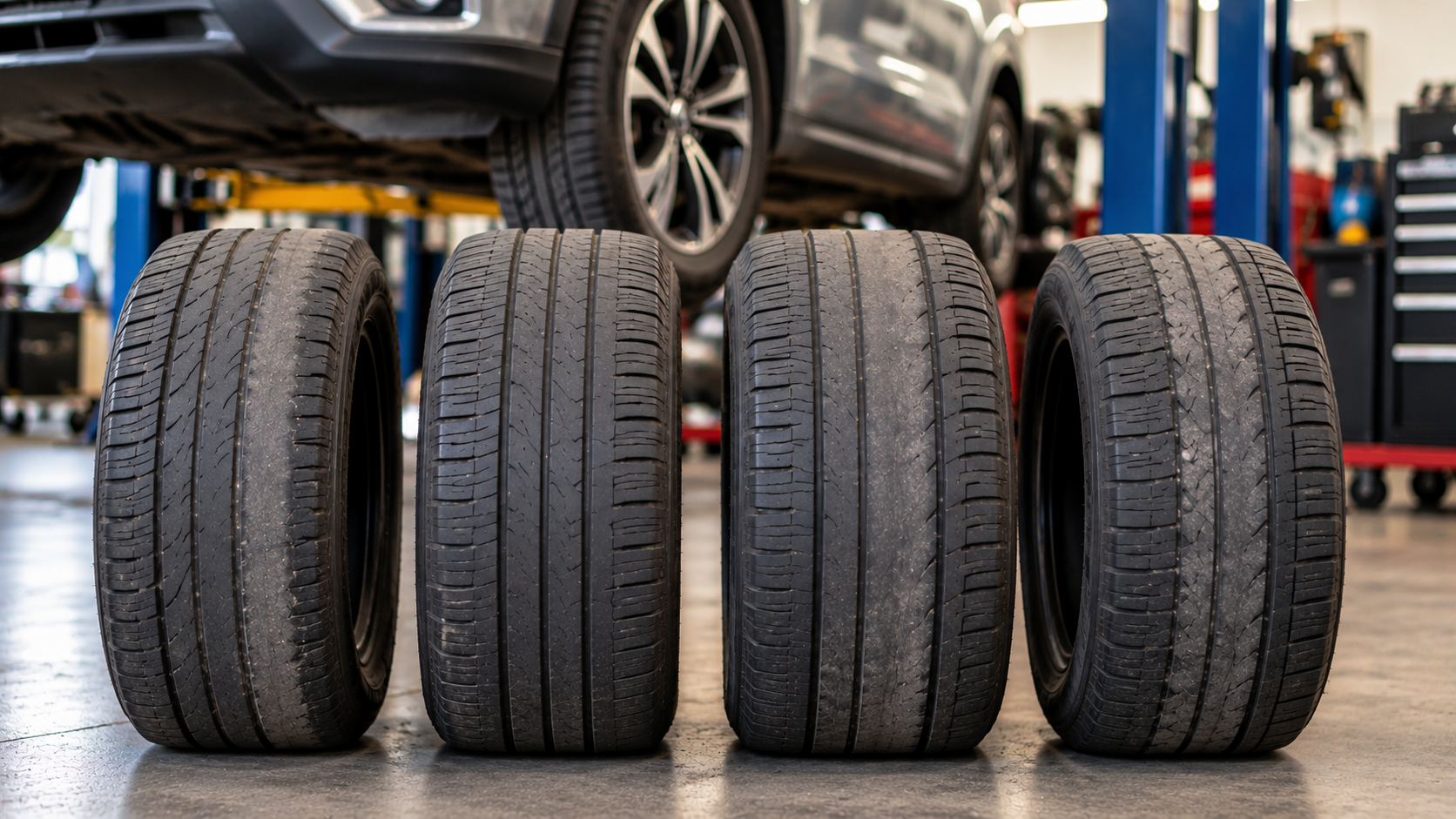
Excessive negative camber can place greater stress on the inner tire shoulders, particularly when combined with incorrect toe. Drivers may notice that their tires look relatively healthy from the outside while the inner edges are significantly worn. This type of damage can go unnoticed without a closer inspection.
At The Wheel Shop, we help customers evaluate lowering suspension modifications and their alignment requirements. Our team can inspect the suspension configuration, identify abnormal tire wear, and determine whether alignment adjustments or compatible correction components are needed.
Properly installed lowering components should also maintain adequate clearance and suspension travel. When a vehicle sits too low for its intended use, bottoming out and repeated impacts can create additional problems. We help customers balance their preferred stance with practical everyday driving requirements.
Recognizing Tire Wear Caused by Alignment Problems
Tire wear patterns often provide early clues that something is wrong with a vehicle’s alignment or suspension. Wear concentrated along one edge may indicate excessive camber or a combination of camber and toe problems. Feathering, where tread blocks feel smoother in one direction than the other, commonly suggests incorrect toe alignment. Cupping, which creates uneven dips around the tire, may be associated with worn suspension components, imbalance, or other mechanical conditions.
These patterns do not always identify a single cause. Incorrect tire pressure, neglected rotations, worn shocks, and damaged suspension components can produce similar symptoms. The National Highway Traffic Safety Administration’s tire safety guidance emphasizes the importance of proper inflation, tire rotation, balancing, and alignment in maintaining tire life.
At The Wheel Shop, we examine uneven tire wear alongside the condition of the suspension and alignment measurements. Rather than assuming every tire problem requires replacement, we work to identify the contributing factors so customers can make informed repair decisions.
When replacement tires are necessary, our tire services can help you select appropriate options. Correcting the underlying problem before installing new tires is important because fresh tread alone will not resolve an alignment or suspension issue.
Why Worn Suspension Components Can Make Alignment Problems Worse
Ride height changes are not the only reason suspension geometry can shift. As vehicles accumulate mileage, shocks, struts, springs, bushings, and other components experience wear. Sagging springs may reduce ride height, while deteriorated bushings or loose joints can allow wheel positioning to change during acceleration, braking, and cornering.
This creates an important distinction between performing an alignment and correcting the condition that caused the misalignment. A vehicle with loose or damaged suspension components may not maintain its intended alignment settings. Adjusting wheel angles without addressing those problems can leave the driver experiencing continued handling concerns and premature tire wear.
At The Wheel Shop, our suspension repair and installation services help address these underlying concerns. We evaluate the condition of relevant components and determine whether repairs are necessary before completing alignment adjustments.
For customers considering suspension upgrades in Riverside, we can also help identify appropriate components for their driving needs. Maintaining suitable ride height, suspension travel, and wheel geometry helps protect the investment in both the suspension and tires.
Why Alignment Should Follow Ride Height Changes
One of the most important steps after modifying a vehicle’s suspension is checking its alignment. Whether installing a lift kit, leveling system, lowering springs, or adjustable coilovers, changing the vehicle’s operating height can affect wheel positioning. An alignment performed before the modification may no longer reflect the vehicle’s new suspension geometry.
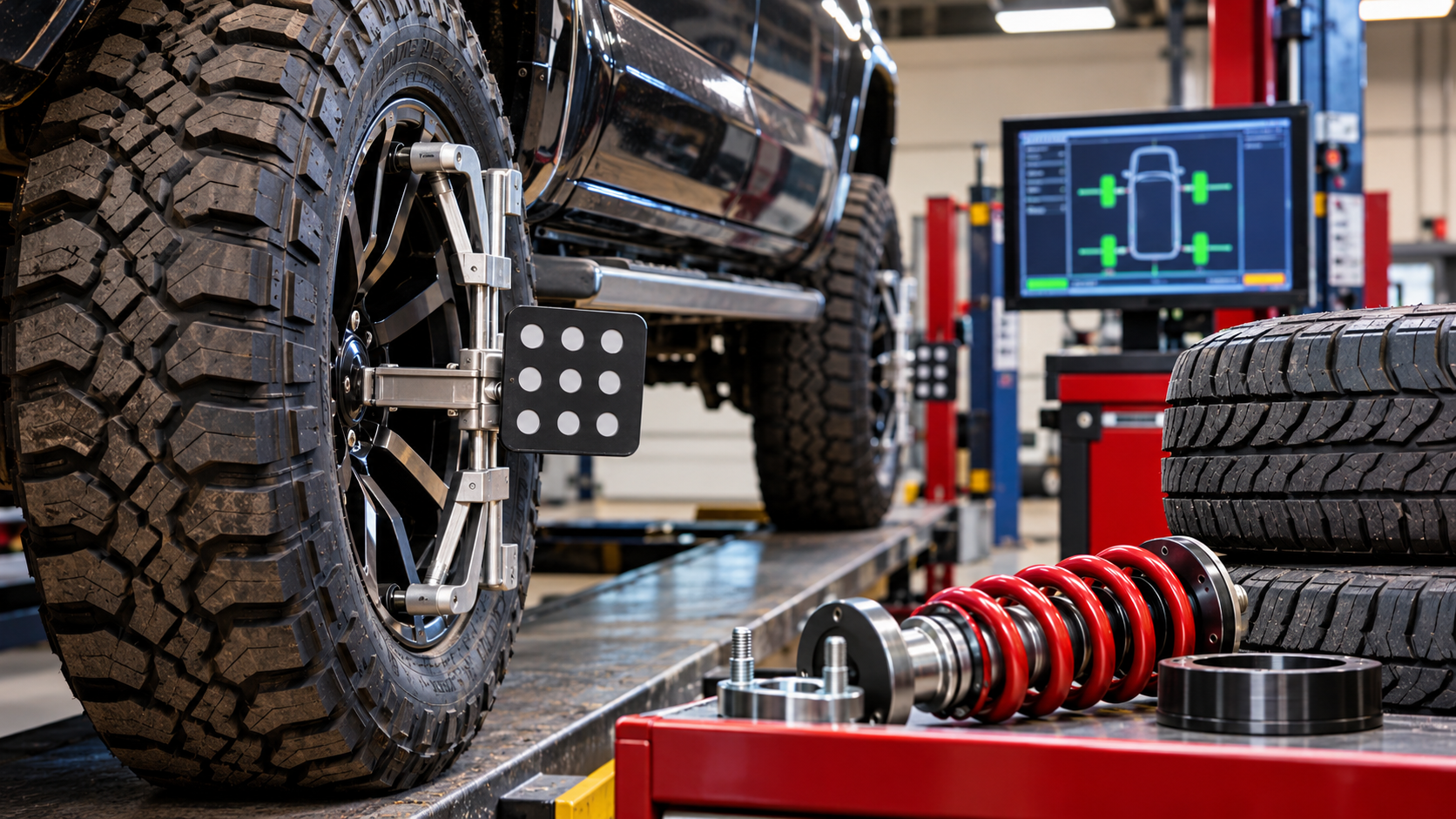
The process should begin with confirming that suspension components are properly installed and the vehicle is sitting at its intended ride height. Once the suspension is ready for measurement, alignment settings can be evaluated and adjusted as appropriate. Some modified vehicles may need specialized correction components to achieve suitable results.
At The Wheel Shop, we understand the importance of wheel alignment after suspension work. Our certified mechanics bring practical experience to suspension installations and alignment services, helping customers avoid unnecessary tire wear and maintain reliable handling.
Frequently Asked Questions
Ride height and alignment concerns can raise questions, especially for drivers considering their first suspension modification. Here are answers to some common questions we hear at The Wheel Shop.
Does lifting or lowering a vehicle always require an alignment?
An alignment check is strongly recommended after changing a vehicle’s suspension ride height. Even when the vehicle appears to drive straight, the modification may have changed camber or toe measurements. An inspection helps determine whether adjustments are necessary.
Can incorrect ride height cause tires to wear unevenly?
Yes. Changes in ride height can alter suspension geometry and wheel alignment, potentially concentrating wear along certain areas of the tread. However, ride height is not the only possible cause. Tire pressure, worn components, and driving conditions must also be considered.
Will an alignment fix tires that are already wearing unevenly?
An alignment can correct certain conditions contributing to uneven wear, but it cannot restore tread that has already worn away. If the tires remain safe and serviceable, correcting the alignment may prevent the problem from progressing. Severely or irregularly worn tires may require replacement.
How often should a modified vehicle have its alignment checked?
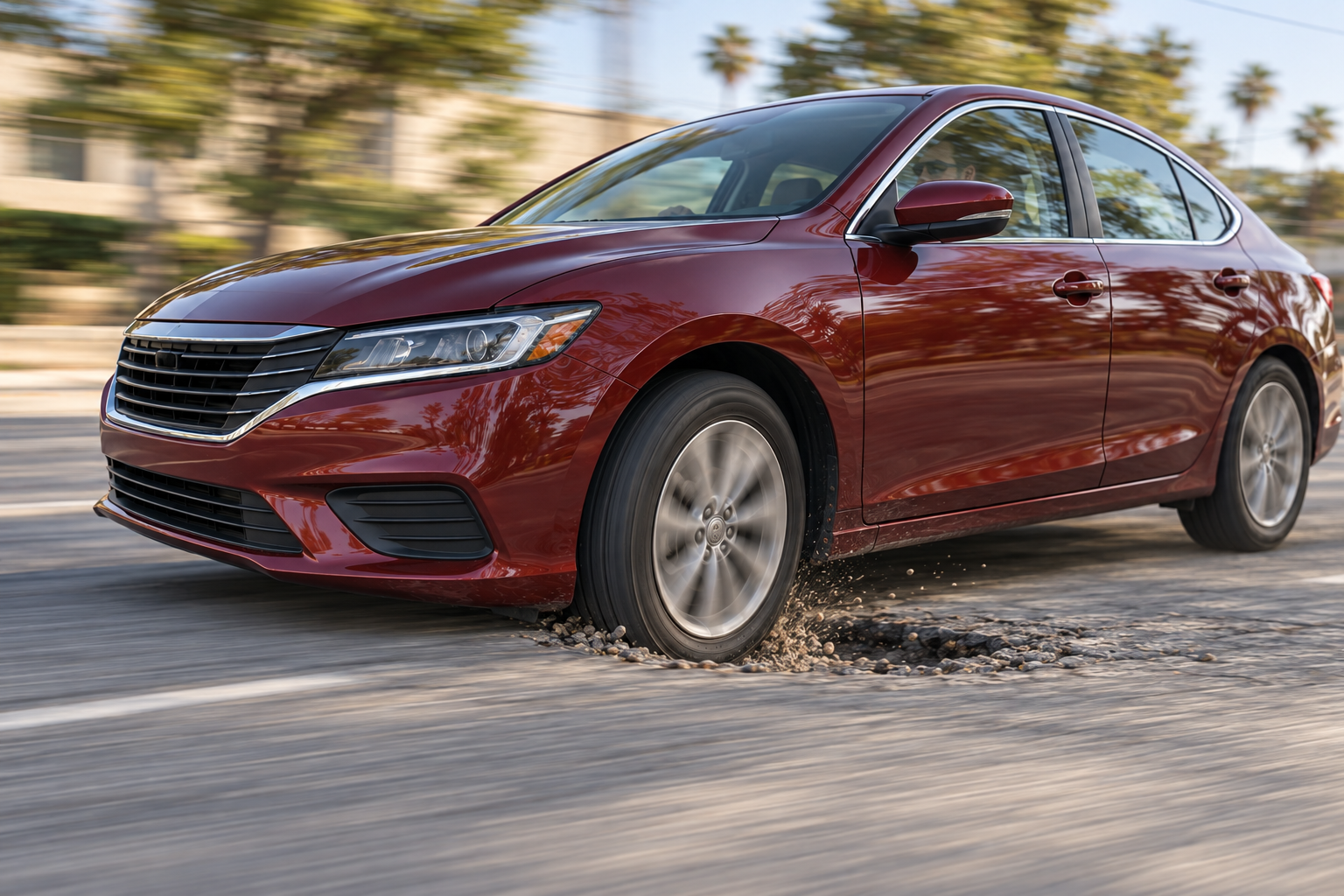
An alignment should be checked after suspension modifications, significant ride height adjustments, or impacts that may disturb wheel positioning. Additional checks are appropriate when you notice pulling, an off-center steering wheel, or unusual tire wear. Regular inspections are particularly valuable for vehicles driven on rough terrain.
The Wheel Shop Difference
At The Wheel Shop, we believe that suspension modifications should deliver more than an attractive stance. They should also support dependable handling, appropriate tire contact, and long-term performance. With over twenty years of industry experience, we help Riverside drivers understand the connection between ride height, alignment, and tire wear so they can make confident decisions about their vehicles.
Our certified mechanics bring specialized training, industry certifications, and years of hands-on experience to every repair and installation. Whether you need precision wheel alignment, suspension work, new tires, or aftermarket wheels, we evaluate how these components function together. Our goal is to help you achieve the appearance and driving experience you want while addressing problems that could lead to unnecessary tire expenses.
The Wheel Shop offers a comprehensive range of automotive services, including suspension modifications, wheel repair, powder coating, chrome plating, caliper services, and truck and car accessories. From everyday vehicles to customized trucks and performance-oriented cars, we provide professional attention to the details that influence appearance, handling, and reliability.
If your vehicle has recently been lifted or lowered, or you have noticed unusual tire wear, contact The Wheel Shop in Riverside, CA. Call us at (951) 588-1222 to discuss your suspension and alignment needs, or visit The Wheel Shop to learn more about our services. Let our experienced team help you protect your tires, improve your driving experience, and get the most from your vehicle.