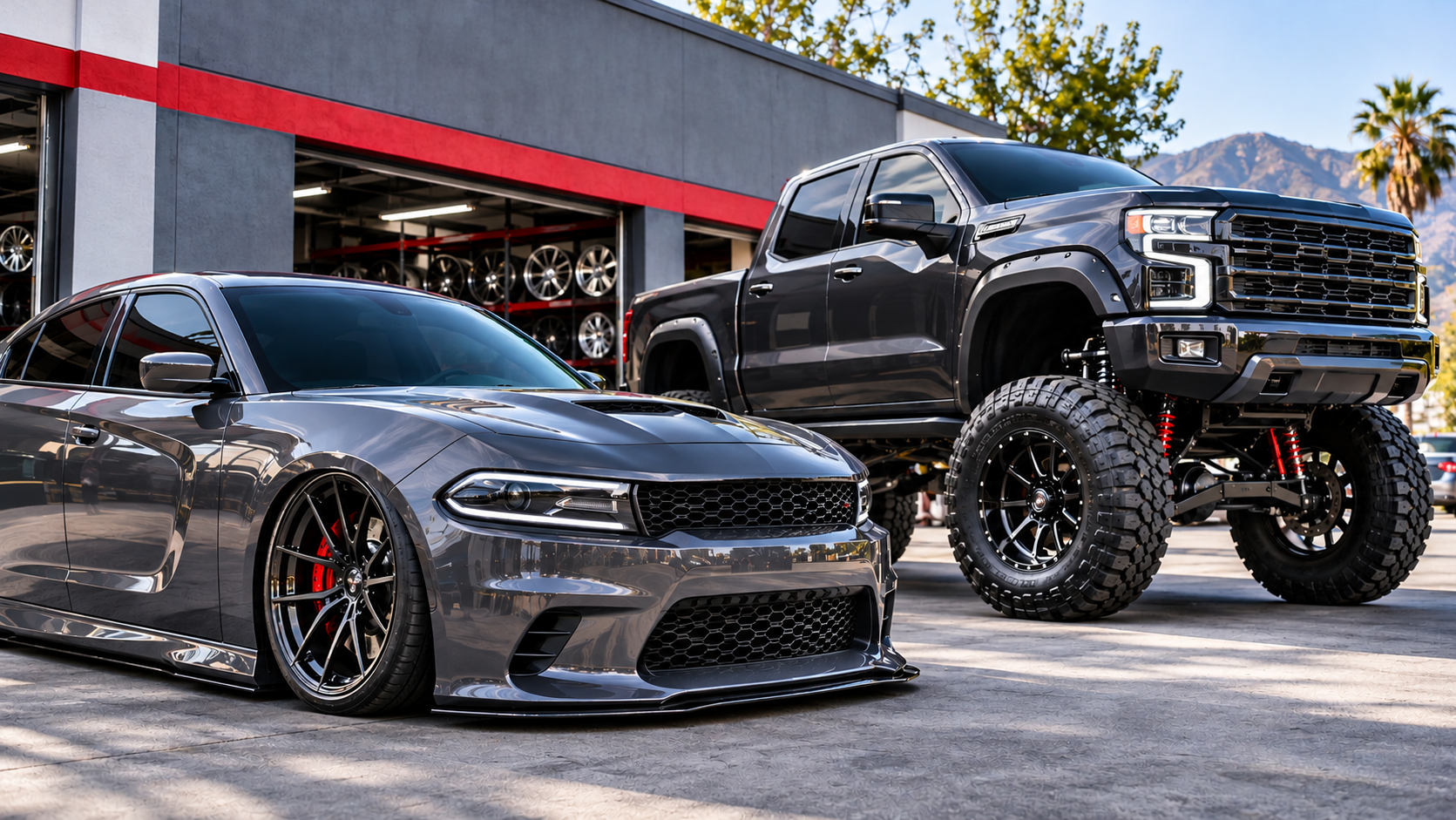
Changing a vehicle’s ride height can completely transform its appearance. A lowered car may look more aggressive and feel more connected to the road, while a lifted truck can gain additional ground clearance and a commanding presence. However, changing how high a vehicle sits also changes how its wheels, tires, and suspension work together. What fit perfectly at the factory ride height may no longer be the best combination after modifications.
At The Wheel Shop in Riverside, California, we help customers understand how suspension upgrades, wheel fitment, and tire selection influence the way their vehicles look, handle, and perform. Whether you are considering a modest drop, a truck leveling kit, or a substantial lift, our goal is to make sure every component works together. The right combination can help you achieve your preferred appearance without sacrificing the everyday drivability, comfort, and reliability you expect.
Why Ride Height Changes More Than Appearance
A vehicle’s suspension determines how its body sits in relation to its wheels and the road. Manufacturers design suspension geometry, steering components, wheel dimensions, and tire sizes to operate together within a particular range. Raising or lowering the vehicle changes that relationship, sometimes in ways that are not immediately noticeable.
For example, lowering a car can reduce the space between the tires and fenders while changing the angles of certain suspension components. Lifting a truck increases the distance between its body and the ground, but may also affect steering geometry, suspension travel, and the angles of drivetrain components. The extent of these changes depends on the vehicle and the modification.
At The Wheel Shop, we approach custom suspension installations as part of a larger wheel and tire setup rather than an isolated upgrade. Before recommending modifications, we consider how the vehicle is currently equipped, how it will be driven, and what the customer wants to accomplish.
This comprehensive approach is especially important when customers plan to combine a ride height change with larger wheels, wider tires, or other aftermarket accessories. Each modification influences the next, making proper planning essential.
How Lowering a Vehicle Affects Wheel and Tire Fitment
Lowering a vehicle reduces the available clearance between its tires, fenders, and certain suspension components. Even a relatively small drop can change which wheel and tire combinations fit comfortably, particularly when the vehicle turns, encounters bumps, or carries passengers.
Wheel offset becomes especially important. Offset describes the position of the wheel’s mounting surface relative to its centerline. A wheel that sits farther outward may create the aggressive stance a customer wants, but it can also increase the possibility of tire contact with the fender. A wheel positioned too far inward may interfere with suspension or brake components.
Tire dimensions also deserve careful consideration. Some lowered vehicles benefit from lower-profile tires that provide the necessary clearance while maintaining an appropriate overall diameter. However, reducing sidewall height can make the ride firmer and leave less cushioning between the wheel and road imperfections.
At The Wheel Shop, we help customers select aftermarket wheels and rims that complement their lowered suspension without creating unnecessary fitment problems. We evaluate wheel width, diameter, offset, tire dimensions, and available clearance so the finished setup looks intentional and functions properly.
What Lifted Vehicles Need From Their Wheels and Tires
Lifting a truck or SUV introduces a different set of considerations. Additional ride height can create room for larger tires, which may improve clearance beneath the axles and provide traction advantages in certain off-road conditions. However, a lift does not automatically mean that any oversized tire will fit.
Larger tires must clear the fenders, suspension components, and other nearby parts throughout steering and suspension movement. Depending on the vehicle, additional modifications may be necessary to accommodate a particular combination.
Larger tires can also affect acceleration, braking, fuel consumption, and speedometer accuracy. Their increased diameter changes the effective gearing, while additional weight can place greater demands on steering, suspension, and braking components.
At The Wheel Shop, our lift kit installation and wheel selection services help customers build setups appropriate for their vehicles. We consider whether a truck primarily handles Riverside commuting, highway travel, towing, or recreational off-road driving before recommending wheel and tire combinations.
For customers interested in truck leveling kits, we also explain how raising the front suspension affects available clearance and vehicle stance. Leveling can improve appearance and accommodate certain tire sizes, but the correct fitment still depends on the specific vehicle and suspension configuration.
Why Wheel Size, Width, and Offset Matter After Suspension Changes
One of the most common misconceptions about modified vehicles is that wheel diameter determines whether a setup will fit. In reality, diameter is only one part of the equation. Wheel width, offset, backspacing, and tire dimensions all influence the space occupied by the complete assembly.
For lowered vehicles, an excessively wide wheel or aggressive offset can increase the likelihood of rubbing during cornering or suspension compression. For lifted trucks, the same characteristics can cause interference with fender liners, control arms, or other components, even when additional vertical clearance is available.
There are also mechanical considerations. Changing wheel offset can alter the leverage applied to wheel bearings and affect steering feel. Selecting substantially heavier wheels and tires may influence how quickly the suspension responds to road imperfections.
Our team at The Wheel Shop helps customers compare OEM wheels with aftermarket alternatives and determine which specifications make sense for their modifications. We focus on achieving the desired stance while respecting the vehicle’s load requirements, brake clearance, and intended use.
How Ride Height Modifications Affect Wheel Alignment
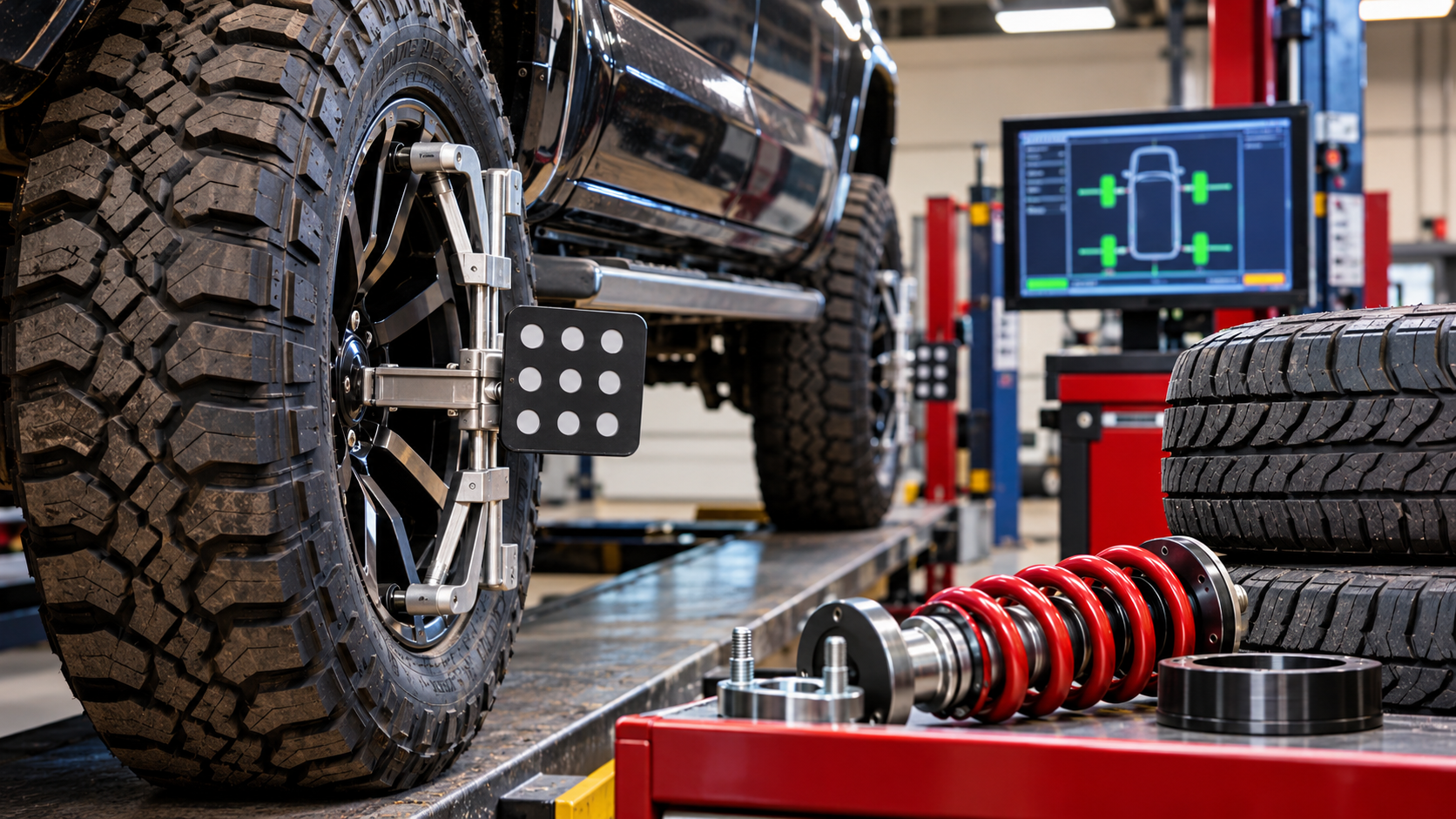
Changing ride height can alter wheel alignment because suspension components operate at different angles than they did before the modification. Depending on the vehicle, camber, caster, and toe settings may shift outside their recommended ranges.
Camber describes the inward or outward tilt of a wheel when viewed from the front. Toe describes whether the tires point slightly inward or outward when viewed from above. Caster relates to the steering axis angle and influences directional stability and steering return.
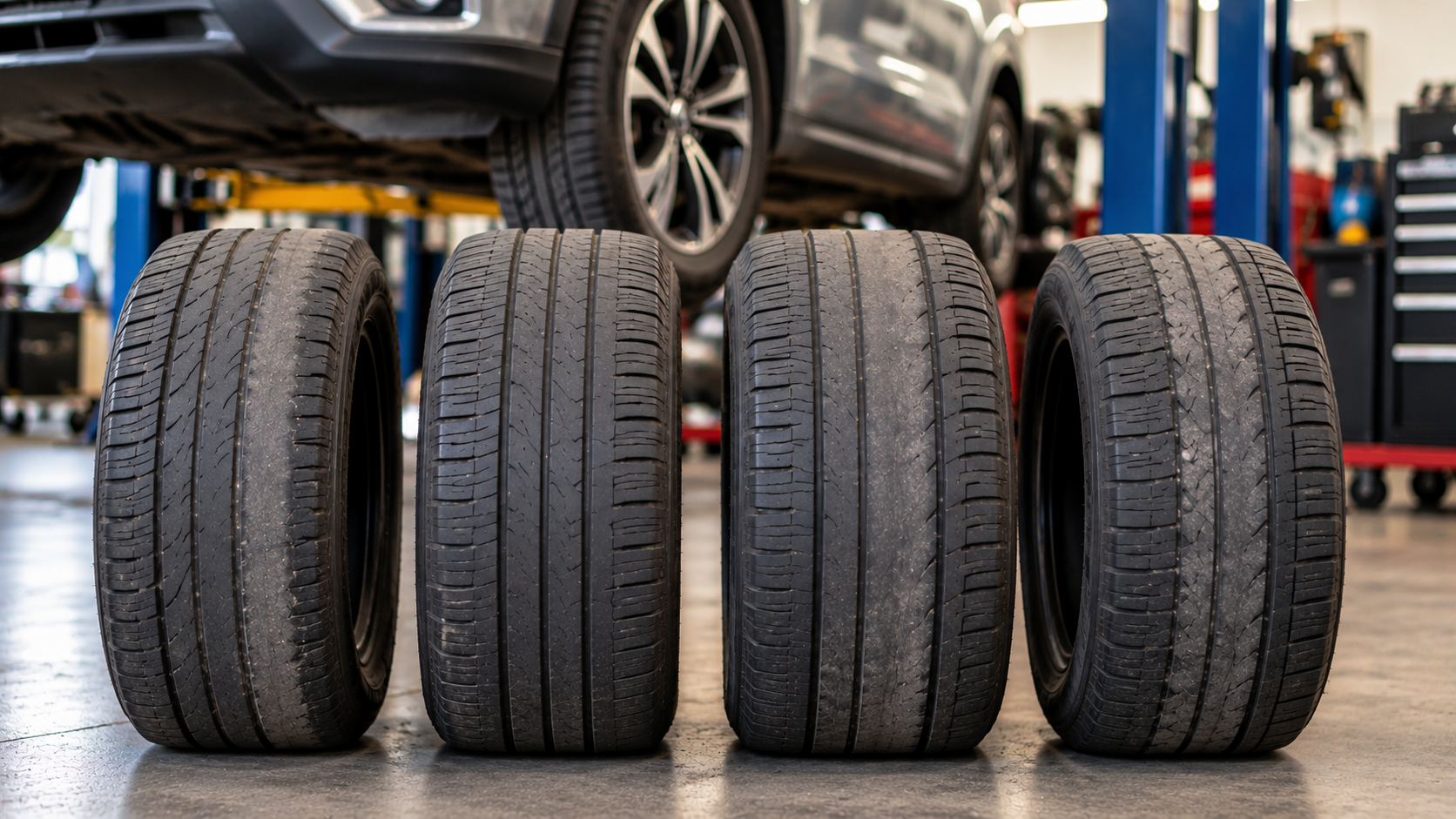
When these settings are incorrect, drivers may experience uneven tire wear, steering pull, or reduced stability. A lowered car might develop excessive negative camber, while a lifted truck may require additional adjustments or components to restore appropriate alignment geometry.
At The Wheel Shop, our precision wheel alignments help customers protect their investment after suspension modifications. We assess the vehicle’s alignment requirements and make appropriate adjustments within the capabilities of its suspension system. When modifications prevent proper alignment, we can help identify what additional corrections may be needed.
Choosing Tires That Match the New Suspension Setup
The right tire for a modified vehicle depends on more than its appearance. Tire construction, tread design, load capacity, and sidewall characteristics all influence how the vehicle performs after a suspension change.
Lowered performance-oriented vehicles often benefit from tires selected for responsive handling and predictable road behavior. However, choosing an excessively low-profile tire simply to achieve a particular appearance can compromise ride comfort and increase vulnerability to impact damage.
Lifted trucks require equally thoughtful decisions. All-terrain tires may provide a practical balance of paved-road comfort and off-road capability, while mud-terrain tires are designed for more demanding loose-surface conditions. Neither is automatically the best choice for every truck.
The National Highway Traffic Safety Administration’s tire safety guidance emphasizes the importance of appropriate tire selection, inflation, maintenance, and load capacity.
At The Wheel Shop, our tire services help customers choose tires that complement their suspension modifications and driving habits. We also consider load ratings, overall diameter, and compatibility with the vehicle’s wheels so the new setup supports practical performance.
The Importance of Suspension Travel and Proper Clearance
Suspension travel refers to how far the wheels can move upward and downward as a vehicle encounters changing road conditions. Lowering or lifting a vehicle can affect the amount of usable travel, making clearance an important consideration even when the vehicle looks properly fitted while parked.
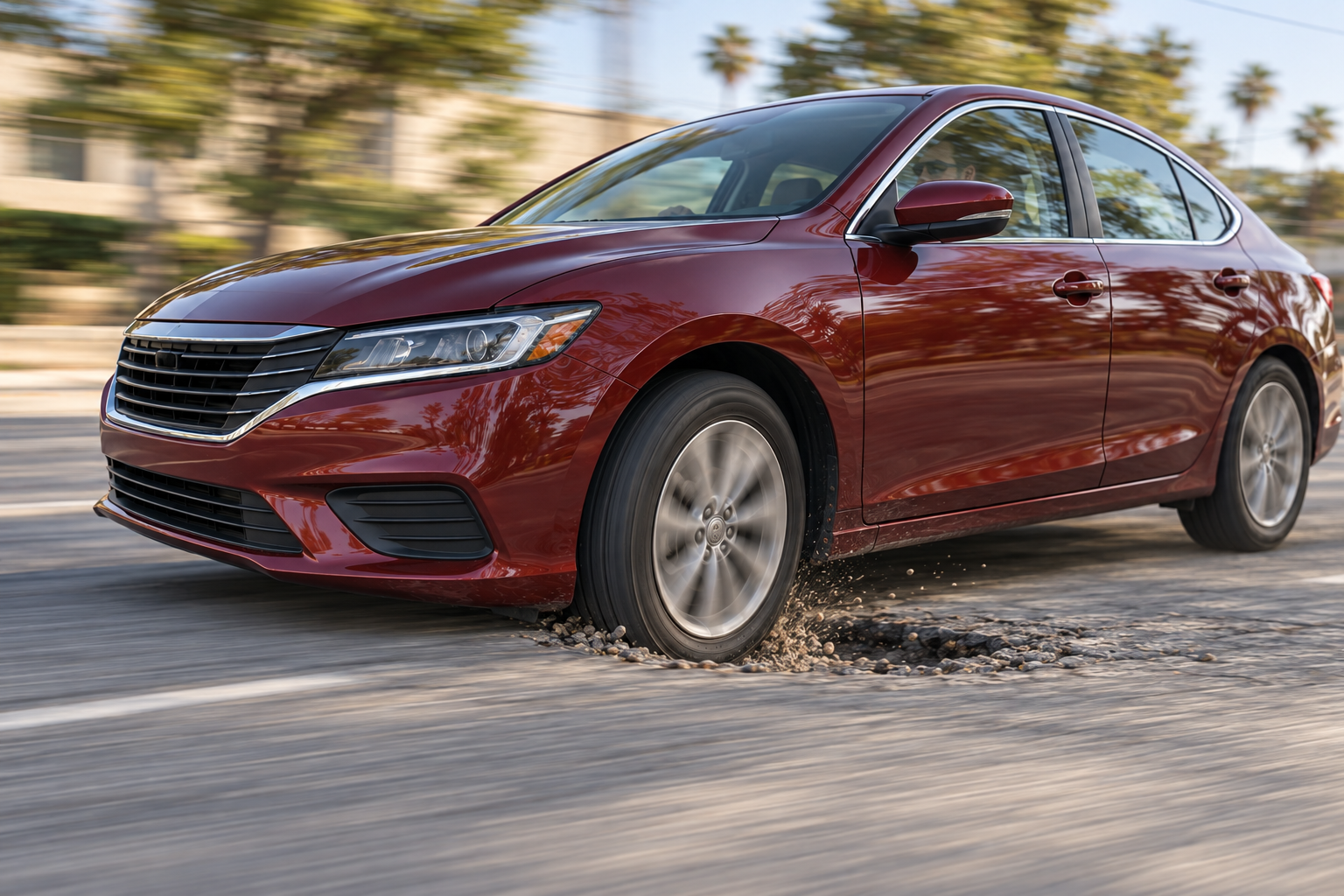
A lowered car may have sufficient clearance on level pavement but experience tire rubbing when entering a driveway or traveling over a bump. Similarly, a lifted truck may accommodate larger tires while stationary but encounter interference during sharp turns or significant suspension articulation.
At The Wheel Shop, we evaluate custom suspension modifications with these real-world conditions in mind. Our suspension services help customers understand how changes in ride height influence suspension movement, wheel clearance, and everyday drivability.
We also consider the condition of existing suspension components. Worn shocks, bushings, or other parts can complicate modifications and affect how the vehicle responds afterward. Addressing these concerns helps create a more dependable foundation for new wheels and tires.
Protecting Your Investment After a Lift or Lowering Installation
Once a vehicle has been modified, ongoing maintenance becomes particularly important. New wheel and tire combinations may respond differently to road conditions, and suspension changes can influence how tire wear develops over time.
Drivers should periodically inspect their tires for uneven wear, monitor inflation pressure, and pay attention to changes in steering or handling. Tire rotations, balancing, and alignment checks should follow the vehicle’s requirements and account for its modifications.
The U.S. Department of Energy also identifies proper tire inflation as an important part of maintaining vehicle efficiency. This becomes especially relevant when customers install larger or heavier tire combinations.
At The Wheel Shop, we provide ongoing support through tire installation in Riverside, wheel services, alignments, and suspension work. Our goal is to help customers enjoy their modifications long after the initial installation, while identifying potential concerns before they become more expensive problems.
Frequently Asked Questions
Lowering or lifting a vehicle often raises questions about tire sizes, alignment, and long-term performance. Here are answers to several common concerns we discuss with customers at The Wheel Shop.
Do I need new wheels and tires when I lower my car?
Not necessarily. Some vehicles can retain their factory wheels and tires after a modest lowering modification, provided there is sufficient clearance and the combination remains compatible with the suspension. However, more substantial changes may require different wheel dimensions or tire sizes. At The Wheel Shop, we evaluate your existing setup before recommending replacements.
Can I install larger tires without lifting my truck?
In some cases, yes. Certain trucks can accommodate slightly larger tires at their factory ride height, depending on wheel offset, tire dimensions, and available clearance. Other combinations may require a leveling kit, suspension lift, or additional modifications. We help determine which options are appropriate for your particular truck.
Is a wheel alignment necessary after lowering or lifting a vehicle?
Yes. A wheel alignment check is strongly recommended after changing suspension ride height. These modifications can affect camber, caster, and toe settings, potentially contributing to uneven tire wear or handling problems. Our alignment services help identify and correct these changes where the suspension permits.
Will lowering or lifting my vehicle make the ride less comfortable?
It can, but the result depends on the components selected and how the suspension is configured. Lowered vehicles with firmer springs and low-profile tires may transmit more road imperfections. Lifted vehicles with larger, heavier tires may also feel different during braking, cornering, and highway driving. At The Wheel Shop, we help customers balance appearance, performance, and comfort when planning modifications.
The Wheel Shop Difference
Lowering or lifting your vehicle should be an exciting upgrade, not the beginning of ongoing tire wear, clearance problems, or unpredictable handling. At The Wheel Shop, we understand that successful modifications require more than choosing attractive wheels or installing suspension components. Our team considers how every part of the setup works together so customers can enjoy both the appearance and performance of their vehicles.
With more than twenty years of industry experience, The Wheel Shop has become a trusted destination for wheels, tires, and automotive customization in Riverside, California. Our certified mechanics bring specialized training, industry certifications, and hands-on expertise to every repair and installation. Whether you need aftermarket and OEM wheels, suspension modifications, alignments, or professional tire services, we provide knowledgeable guidance tailored to your vehicle.
We also offer wheel repair, powder coating, chrome plating, caliper services, and truck and car accessories to help customers complete their desired look. From a subtly lowered daily driver to a lifted truck built for demanding conditions, we help you choose modifications that make sense for how you actually drive.
Ready to upgrade your vehicle’s stance? Contact The Wheel Shop at (951) 588-1222 to discuss your suspension, wheel, and tire options. We are here to help you create a vehicle that looks the way you want while maintaining the handling, comfort, and reliability you need.