Why Replacing Damaged Rims Is Critical for Your Safety
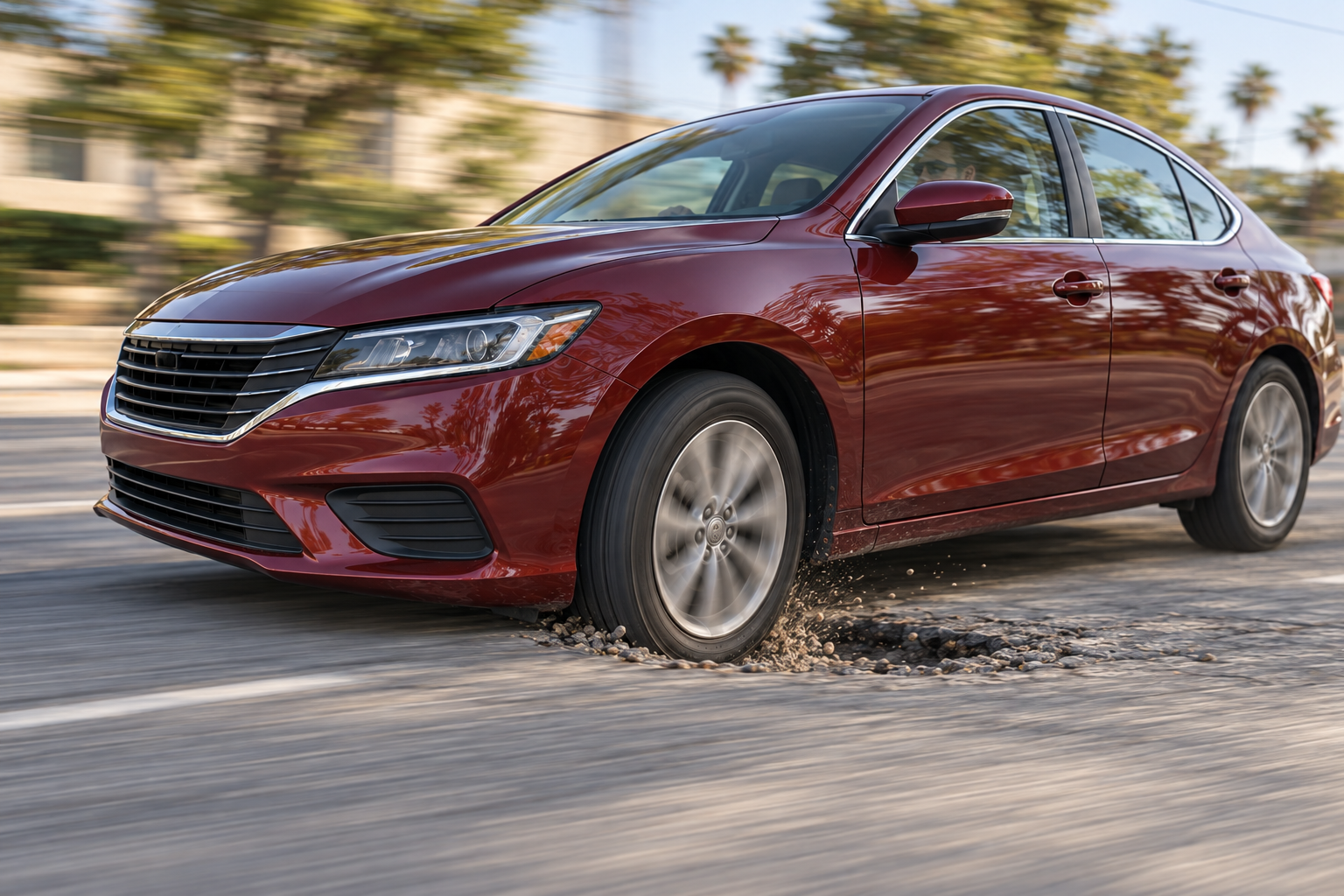
Why It’s Important To Replace Damaged Rims is a question many vehicle owners face after hitting a pothole or scraping against a curb. For those looking for a quick answer:
| Key Reasons to Replace Damaged Rims | Impact |
|---|---|
| Safety Risk | Damaged rims can cause blowouts and loss of vehicle control |
| Performance Issues | Affects handling, braking distance, and fuel efficiency |
| Increased Costs | Delays lead to more expensive repairs and premature tire wear |
| Vehicle Damage | Can strain suspension components and cause alignment problems |
| Resale Value | Damaged or improperly repaired rims decrease vehicle value |
Your vehicle’s rims are more than just aesthetic components – they are critical safety structures that support your entire car. When damaged, they compromise much more than just appearance.
According to research, a cracked or bent rim can lead to a dangerous blowout, especially at high speeds, potentially causing a complete loss of control. Aluminum rims typically last between five and ten years depending on driving conditions, while steel rims can last up to 15 years or more. However, damage can significantly shorten this lifespan.
Even minor damage shouldn’t be ignored. What might seem like a small cosmetic issue can quickly develop into a serious structural problem. Vibrations caused by bent wheels create uneven tire wear, generating extra heat and pressure that can lead to premature tire replacement or dangerous blowouts during highway driving.
Many drivers underestimate the importance of rim integrity until they experience the consequences: decreased stability, difficult steering, or that telltale vibration that makes every drive uncomfortable and potentially hazardous.
Your rims literally keep you connected to the road. Their condition directly impacts your safety, your vehicle’s performance, and ultimately your wallet.
Rim Fundamentals: Safety, Performance, Lifespan
Your car’s rims aren’t just pretty accessories – they’re the unsung heroes keeping you safely connected to the road. Think of them as the backbone of your wheels, silently doing critical work every mile you drive.
At their core, rims serve as the sturdy foundation that bears your entire vehicle’s weight. They create that essential airtight seal with your tire, keeping proper pressure where it belongs. Every time you turn your steering wheel, your rims are transferring that command directly to the road. They’re even working overtime during those sudden stops, helping dissipate heat from your brakes while keeping vibrations in check for a smoother ride.

What your rims are made of matters tremendously. Those sleek aluminum alloy rims on most modern vehicles typically give you 5-10 years of faithful service under normal conditions. The sturdier steel rims found on work trucks and budget-friendly cars can soldier on for 15+ years – they’re like the tortoises of the wheel world: not as flashy, a bit heavier, but incredibly dependable.
Want to maximize that lifespan? Proper Wheel Balancing and Alignment is absolutely essential. Even premium rims will wear out prematurely if they’re wobbling around unbalanced or your alignment is off-kilter.
Core Functions That Keep You Safe
Your rims do far more for your safety than most drivers realize:
Structural integrity is non-negotiable – your rims must maintain their exact shape while enduring extreme forces during cornering, quick acceleration, and emergency braking. Any compromise here isn’t just inconvenient; it could be catastrophic.
Traction support might sound technical, but it’s simple: your rim’s design and condition directly affect how your tire meets the road. Damaged rims can alter this contact, potentially robbing you of crucial grip when you need it most.
Braking system support goes beyond just holding brake components. Modern vehicles rely on perfectly aligned rims to support electronic sensors for your ABS and stability control systems. A damaged rim can confuse these systems, compromising their effectiveness when you’re counting on them most.
When we examine rims at The Wheel Shop, we’re looking beyond cosmetic issues to ensure these life-saving functions remain intact.
How Long Should Rims Last?
With proper care, you should expect:
Aluminum alloy rims: 5-10 years of reliable service
Steel rims: Up to 15 years or more of steadfast performance
But real-world conditions aren’t always ideal. Several factors can significantly shorten your rims’ lifespan:
Frequent encounters with potholes and rough roads can accelerate wear dramatically. Driving in areas where road salt is common creates a corrosive environment that’s particularly tough on aluminum. Improper tire inflation puts extra stress on rim edges – like trying to wear shoes that don’t fit right. Even neglecting regular cleaning allows brake dust to eat away at protective finishes.
We’ve seen well-maintained rims at The Wheel Shop last well beyond their expected lifespan, while neglected or damaged ones can fail prematurely. That small crack or bend you’ve been ignoring? It might be silently compromising your safety with every mile.
Why It’s Important To Replace Damaged Rims becomes crystal clear when you understand just how much these circular workhorses contribute to your vehicle’s safety, performance, and longevity. Protecting your rims means protecting yourself, your passengers, and your investment.
Damage & Detection: Types, Symptoms, Inspection
Ever had that sinking feeling after hearing a loud “thunk” from hitting a pothole? At The Wheel Shop, we’ve seen it all when it comes to rim damage. Recognizing problems early isn’t just about saving money—it’s about keeping you and your passengers safe on the road.
Your rims face a daily gauntlet of challenges: curbs waiting to scrape them, potholes ready to bend them, and winter salt eager to corrode them. The most common types of damage we see include curb rash (those unsightly scrapes from tight parking jobs), bends from impact with road hazards, cracks that compromise structural integrity, corrosion (especially on steel rims), lug hole wear, and various forms of impact damage.

Your vehicle will usually tell you when something’s wrong—if you know how to listen. Pay attention to these warning signs: steering wheel vibration (particularly noticeable at highway speeds), persistent tire pressure loss (that tire that always seems low might be trying to tell you something), unusual thumping or clicking sounds, poor handling where your car seems to have a mind of its own, and of course, visible damage you can spot during a walkaround.
Curious about what causes most wheel problems? Check out our guide on the Most Common Causes of Wheel Damage to learn more about preventing these issues before they start.
Cosmetic vs. Structural Rim Damage
Not all rim damage requires immediate attention—but some definitely does. Here’s how to tell the difference:
| Aspect | Cosmetic Damage | Structural Damage |
|---|---|---|
| Appearance | Surface scratches, minor scuffs, light curb rash | Cracks, deep gouges, severe bends, distorted shape |
| Safety Impact | Minimal to none | Significant – compromises rim integrity |
| Repairability | Highly repairable through refinishing | May require replacement or specialized repair |
| Cost Range | $75-$150 for professional refinishing | $150-$500+ for repair, often more cost-effective to replace |
| Risk Level | Low – primarily aesthetic concerns | High – can lead to air leaks, blowouts, handling issues |
Think of it this way: cosmetic damage hurts your car’s appearance, while structural damage hurts its safety. While that curb rash might hurt your pride, a crack could lead to a dangerous blowout at highway speeds.
DIY Inspection Checklist
We believe in empowering our customers to catch problems early. Here’s a simple inspection routine you can perform every few months (and definitely after hitting that monster pothole):
Start with a thorough visual scan of each rim, looking carefully for cracks, bends, or deep scratches. Pay special attention to the edges where the rim meets the tire—this area takes the brunt of impact damage.
For a more thorough check, perform a run-out test by safely jacking up your vehicle and slowly spinning each wheel. Watch for any wobbling or side-to-side movement that might indicate a bend.
Suspect an air leak? Try the soapy-water test—simply mix dish soap with water, apply it to the rim-tire interface, and look for bubbles that reveal escaping air.
Don’t forget to check that your lug nuts are properly torqued. Both too loose and too tight can cause problems, so follow your manufacturer’s specifications.
Finally, pay attention to your car’s alignment behavior. If your steering wheel isn’t centered when driving straight or the vehicle pulls to one side, it might indicate rim damage.
Potholes are particularly nasty culprits when it comes to wheel damage. Our detailed guide on How Potholes Affect Wheels explains exactly what happens when your wheel meets these road menaces.
Catching rim damage early isn’t just about saving money—it’s about preventing a minor issue from becoming a major safety concern. When in doubt, bring your vehicle to The Wheel Shop for a professional inspection. Our experienced technicians can spot problems that might not be visible to the untrained eye.
Why It’s Important To Replace Damaged Rims
It’s not just about aesthetics—damaged rims can seriously compromise your vehicle’s performance and safety. At The Wheel Shop, we’ve seen firsthand how even minor rim damage can lead to uneven tire wear, poor alignment, reduced fuel efficiency, and increased risk of blowouts. Ignoring bent, cracked, or corroded rims may save you money in the short term, but it can lead to far more expensive repairs down the road. Replacing damaged rims helps ensure a smoother ride, better handling, and most importantly, peace of mind every time you get behind the wheel.

Think of your rims as the crucial middlemen between your car and the road. When they’re damaged, this relationship breaks down in several ways. Your handling becomes compromised as bent or cracked rims alter your vehicle’s geometry, making steering less precise just when you need control the most. Those same damaged rims can lead to extended braking distances – not something you want to find during an emergency stop.
Perhaps most concerning is the increased blowout risk. Cracks or bends can damage the tire bead seal, potentially causing sudden air loss at highway speeds. We’ve unfortunately seen the aftermath of such situations, and they’re never pretty.
Your fuel economy takes a hit too. The reduced fuel efficiency comes from increased rolling resistance that forces your engine to work harder with every mile. Meanwhile, the vibrations from damaged rims transfer directly to your suspension components, wearing them out long before their time.
There’s also the matter of insurance liability concerns. Should you have an accident, known but unaddressed rim damage could affect your insurance claims – a headache nobody needs.
Industry statistics back this up: uncorrected vibrations from out-of-round or bent wheels cause uneven tire wear, generate extra heat and pressure, and can lead to premature tire replacement or dangerous blowouts during highway driving.
Safety Risks of Driving on Damaged Rims
The safety implications simply can’t be ignored. A sudden blowout from a cracked rim can cause immediate loss of vehicle control, especially when you’re cruising at highway speeds. Your risk of hydroplaning increases as damaged rims alter tire contact patterns, reducing your tires’ ability to channel water effectively.
Unlike a typical slow leak that gives you warning signs, a structurally compromised rim can cause sudden deflation scenarios – immediate and complete air loss without warning. In extreme cases, catastrophic rim failure at high speeds can even lead to vehicle rollovers.
As one customer told us after we replaced their severely bent rim: “I had no idea how much that vibration was affecting my control until it was gone. The car feels completely different now – in a good way.”
Damaged rims cause tires to lose air pressure, leading to decreased stability while driving. They also create vibrations that make steering difficult – problems that only worsen over time.
Delaying Replacement: Why It’s Important To Replace Damaged Rims Promptly
We get it – replacing rims isn’t always in the budget. But procrastination often leads to bigger problems down the road.
What starts as a simple rim replacement can evolve into escalating repair costs involving tires, suspension components, and alignment services. Those damaged rims cause accelerated tire wear, forcing you to replace otherwise good tires long before their time.
Planning to sell your vehicle someday? Damaged rims lead to decreased vehicle resale value. Prospective buyers or dealerships will notice the damage and either negotiate a lower price or require replacement before purchase.
Perhaps most concerning is the compounding damage effect. Minor cracks grow into major structural failures, and slight bends worsen with every bump and pothole. Each mile driven increases your safety risk.
At The Wheel Shop, we’ve seen countless situations where timely rim replacement would have saved customers hundreds or even thousands in additional repairs. As one customer put it, “I wish I’d replaced that bent rim when you first recommended it. Now I’m paying for a rim, two tires, AND an alignment.”
The bottom line? Ignoring even minor rim damage leads to more extensive repairs and increases accident risks due to alignment issues and structural weaknesses. Your safety, your vehicle’s performance, and your long-term costs all benefit from addressing rim damage promptly.
Repair vs. Replacement & Cost Considerations
When you’re staring at a damaged rim, one question looms large: fix it or replace it? At The Wheel Shop, we’ve guided countless drivers through this decision, which ultimately comes down to several key factors.
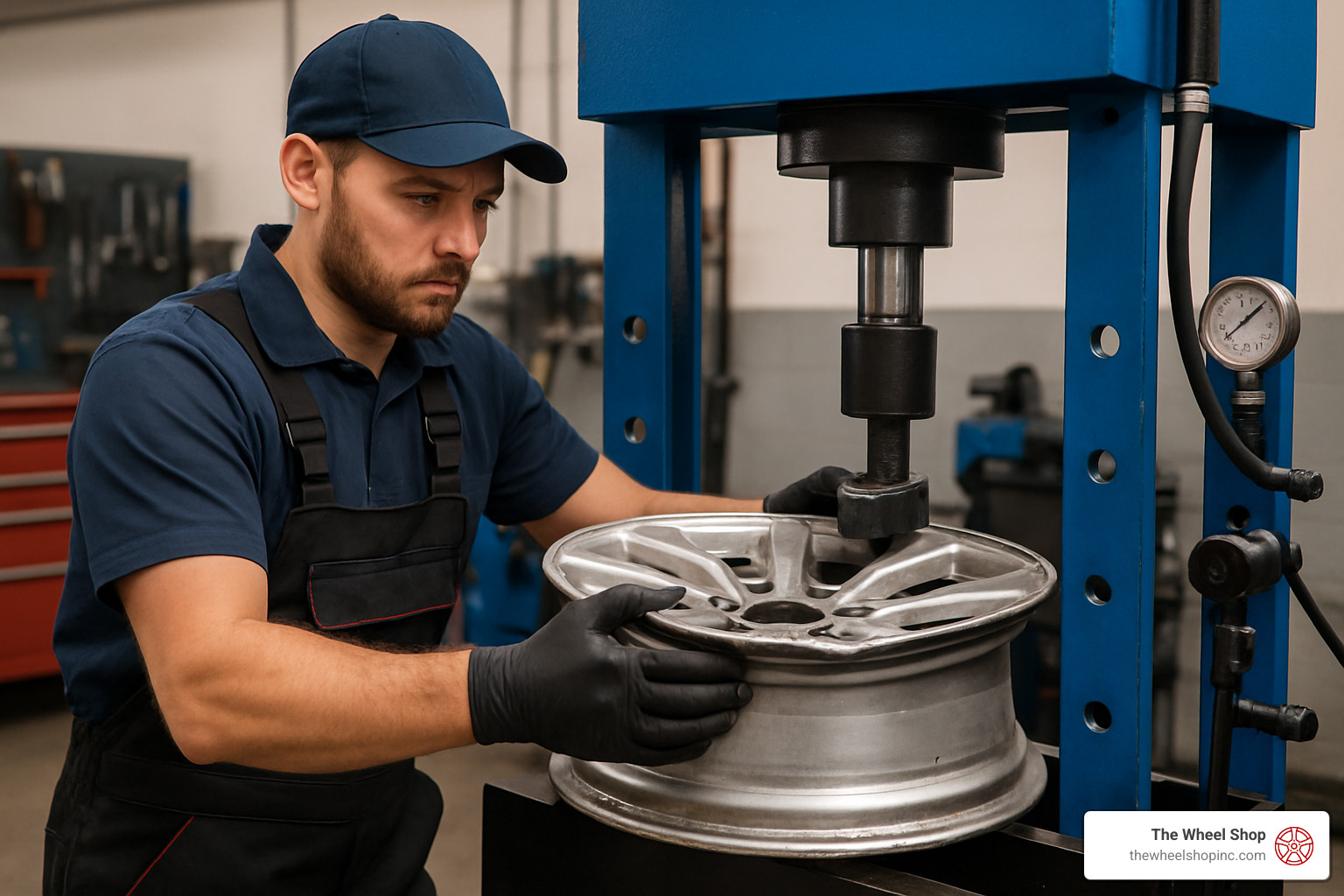
Think of rim damage like an injury – some can be treated with a bandage, while others require surgery. Damage severity is the primary consideration. There’s a threshold where repair becomes not just impractical but potentially dangerous. Similarly, material matters. Aluminum alloy and steel rims don’t just look different; they respond differently to repair techniques.
Many drivers don’t realize that heat-treatment concerns play a crucial role too. Some repair processes can actually weaken alloy wheels by altering their carefully engineered heat treatment. And let’s not forget the practical challenges of OEM matching – finding an exact replacement for just one rim can sometimes feel like hunting for a needle in a haystack.
For minor damage, professional repairs typically range from $75 to $150, depending on what needs fixing. Complete replacement costs vary widely based on your vehicle and whether you choose original equipment or aftermarket options. Sometimes, the price difference between a quality repair and a replacement isn’t as large as you might expect.
At The Wheel Shop, our Wheel Repair services can work wonders when repair is appropriate. When it’s not, we offer access to Factory OEM Wheels to ensure your vehicle gets exactly what it needs.
Decision Matrix: When To Repair
The good news? Many rim issues can be safely repaired. Consider repair when you’re dealing with minor bends that don’t affect the tire seal or structural integrity. Those embarrassing curb rash incidents that left surface scratches? Usually fixable without replacement.
Small air leaks can often be properly sealed without compromising the wheel’s strength. And let’s be realistic about budget constraints – when replacement isn’t financially feasible, a proper repair from professionals like us can be a safe alternative.
Sometimes, repair is the only option when dealing with rare or discontinued wheels. We’ve saved many classic car enthusiasts from the headache of trying to source extinct wheel models.
Our professional repair shop uses specialized equipment including hydraulic presses, precision lathes, and welding equipment that can restore many wheels to safe, like-new condition. The before-and-after changes often amaze our customers!
Decision Matrix: When To Replace
However, there are clear situations where replacement isn’t just recommended – it’s necessary. Cracks in critical areas like the barrel, spoke connections, or flange are major red flags. These structural failures compromise the wheel’s integrity and can lead to catastrophic failure.
If your wheel has been repaired multiple times, that’s the rim equivalent of a check engine light. Repeated repairs suggest underlying issues that won’t be solved with another patch job.
Severely distorted flanges affect the critical tire bead seal area, compromising the wheel’s ability to maintain proper air pressure. And sometimes it simply comes down to safety confidence – when absolute certainty about structural integrity matters more than saving a few dollars.
Finally, when repair costs approach replacement costs, the math simply favors starting fresh. Why invest in repairs that might not last when a new rim provides peace of mind?
Many drivers underestimate just how sophisticated modern wheels are. Today’s alloy wheels feature complex designs, varying metal thicknesses, and proprietary heat treatments that can be compromised during amateur repair attempts. This is definitely not a DIY project for your average weekend mechanic!
At The Wheel Shop, we perform thorough inspections to help you make an informed decision between repair and replacement. We consider both safety and economic factors, because Why It’s Important To Replace Damaged Rims goes beyond just the immediate fix – it’s about your long-term safety and vehicle performance.
Prevention, Myths & FAQs
Let’s face it – nobody wants to deal with rim damage. At The Wheel Shop, we’ve seen countless rims that could have been saved with a little preventive care. Think of your wheels like your teeth – regular maintenance prevents painful (and expensive) problems down the road!
Maintaining proper tire inflation is probably the simplest yet most effective way to protect your rims. Those little pressure gauges at gas stations aren’t just decorative – they’re your first line of defense! Underinflated tires create a cushion that’s too soft, allowing your rim to take the brunt of impacts when you hit that pothole you didn’t see until the last second.
Speaking of potholes, practicing pothole awareness might sound obvious, but it’s amazing how many drivers we see who treat road hazards like unavoidable facts of life. A little defensive driving goes a long way in protecting your wheels. When you spot that crater in the road ahead, safely changing lanes could save you hundreds in repairs.
We’ve all scraped a curb while parking – that sickening sound of metal on concrete! Approaching curbs with care means coming in at a shallow angle and taking it slow. Your future self (and wallet) will thank you for those extra few seconds of patience.
Regular wheel cleaning isn’t just about looking good in the parking lot. Those fancy alloys are constantly battling brake dust and road salt that can eat away at protective finishes. A gentle scrub every few weeks can prevent corrosion before it starts.
Top Three Rim-Care Habits
The most successful rim-protectors we know follow these three simple habits:
- Weekly pressure checks: Keep a quality tire gauge in your glove box and use it weekly. Those dashboard warning lights only activate when you’re already significantly underinflated.
- Monthly cleaning: Mark it on your calendar – a monthly date with your wheels and some appropriate cleaner will keep them looking and performing their best.
- Seasonal inspection: After winter’s assault of salt and potholes, and again before winter begins, have a professional look over your wheels for early signs of trouble.
Understanding Why Proper Wheel Alignment Is Crucial isn’t just about preventing uneven tire wear. Proper alignment ensures forces are distributed evenly across your rims, preventing excess stress that can lead to premature failure.
Myths About Rim Damage and Repair
I can’t tell you how many times customers have rolled into The Wheel Shop with well-intentioned but misguided DIY repair attempts. Let’s bust some common myths:
“This DIY kit will fix my bent rim!” – I wish it were that simple! Those DIY kits might make things look better cosmetically, but they can’t address structural issues. It’s like putting a Band-Aid on a broken arm.
“My alignment guy can fix my bent rim.” – Your alignment technician is skilled at adjusting suspension angles, not reshaping metal. They might compensate for the symptoms, but the underlying problem remains.
“This tiny crack is no big deal.” – Even hairline cracks can grow faster than you’d expect. Each rotation puts stress on that weak point, and physics always wins that battle eventually.
“If I can’t see damage, it’s not there.” – Some of the most dangerous rim damage hides on inner barrels or beneath the tire bead where casual inspection won’t reveal it.
Frequently Asked Questions about Damaged Rims
Can a bent rim really affect fuel economy?
Absolutely! It’s not just marketing hype. When your rim is bent, it distorts your tire’s shape and its contact with the road. This creates additional rolling resistance – basically, your engine has to work harder to push the car forward. It’s like trying to roll a slightly oval wheel instead of a perfectly round one.
Industry testing shows even slightly bent rims can reduce fuel efficiency by 1-3%. That might not sound like much, but over a year of driving, you’re potentially looking at dozens of extra gallons of fuel. Plus, the vibration from bent rims affects your vehicle’s aerodynamics, creating another efficiency drain.
Is it safe to weld a cracked aluminum rim?
I’ll be straight with you – in almost all cases, the answer is no. Here’s why: aluminum alloy wheels undergo specific heat treatments during manufacturing to achieve their strength properties. The welding process introduces intense heat that can permanently alter these properties, potentially weakening the entire structure.
Even if you find someone willing to weld your cracked rim, the process can mask deeper problems. We’ve seen cases where welded cracks looked perfect on the surface but had hidden stress fractures throughout the wheel. At highway speeds, that’s a disaster waiting to happen. At The Wheel Shop, we typically recommend replacement for cracked aluminum rims – your safety is worth more than the cost difference.
Do I need to replace all four wheels if one is damaged?
Not necessarily – it depends on several factors. If your damaged wheel is relatively new and you can find an exact match (which we can help with), replacing just one wheel is often perfectly fine.
However, if your wheels have significant wear or are an older design that’s hard to match, replacing in pairs makes more sense. This maintains balanced handling characteristics, especially important for performance driving.
Sometimes the most economical approach is replacing both the damaged wheel and its matching tire, particularly if your tires already have substantial wear. At The Wheel Shop, we’ll help you evaluate all options to find the solution that makes the most sense for your specific situation, vehicle, and driving needs.
The Wheel Shop Difference
At The Wheel Shop, we’ve spent over twenty years in Riverside helping drivers understand the critical importance of wheel integrity. Our experienced team takes pride in providing personalized service that treats your specific situation with the attention it deserves. We don’t believe in cookie-cutter solutions because we know every vehicle—and every driver—has unique needs.
Whether you’re coming to us for straightforward rim replacement or you’re curious about More info about aftermarket wheel & tire upgrades, you’ll find our commitment to craftsmanship and customer care is unwavering. We treat every vehicle that enters our shop as if it were our own, because we understand what’s truly at stake.
Your wheels are literally where your vehicle meets the world. Their condition influences nearly every aspect of your driving experience, from the smoothness of your ride to the safety of your family. This isn’t an area where compromise makes sense.
If you’ve noticed vibrations while driving, handling that feels “off,” recurring air pressure problems, or visible damage to your rims, we encourage you to stop by The Wheel Shop for a professional assessment. Your safety isn’t just worth the investment—it’s priceless. And proper rim maintenance is one of the most fundamental ways you can protect it.
Your vehicle takes care of you on every journey. Returning the favor with proper wheel care isn’t just smart—it’s essential.