Why Investing in Quality Wheels and Proper Alignment Saves You Money
Investing in quality wheels and maintaining proper alignment is about far more than appearance. While upgraded wheels can enhance a vehicle’s visual appeal, their true value lies in performance, durability, and long-term cost savings. High-quality wheels are engineered to meet precise standards for strength, weight distribution, and balance. When paired with correct alignment, they contribute to improved handling, better fuel efficiency, reduced tire wear, and a smoother overall driving experience. Over time, these benefits translate into measurable financial returns that many drivers overlook.
Proper alignment ensures that your wheels meet the road at the correct angles, preventing uneven tire wear and unnecessary strain on suspension components. Even minor misalignment can lead to accelerated tire replacement, reduced fuel economy, and costly repairs. By prioritizing quality wheels and consistent alignment checks, vehicle owners protect their investment and extend the lifespan of critical components. The long-term return on investment is not just found in performance gains, but in avoiding preventable expenses and preserving the integrity of the entire vehicle system.
Key Financial Benefits:
- Extended Tire Life – Proper alignment can extend tire lifespan from 30,000 to 45,000 miles, preventing premature replacement
- Fuel Efficiency Gains – Correct alignment improves fuel economy by up to 10%, saving over $100 annually for average drivers
- Avoided Repairs – Regular alignment catches suspension issues early, preventing costly component damage
The Long-Term ROI of Quality Wheels and Proper Alignment
When we talk about the the ROI of Quality Wheels and Proper Alignment, we aren’t just talking about keeping your car going straight. We are talking about a comprehensive strategy to protect one of your largest investments. Your vehicle relies on a delicate balance of physics and geometry to move efficiently. When that balance is disrupted—even by something as small as a Riverside pothole—the financial repercussions begin to stack up.

At The Wheel Shop, we’ve spent over twenty years seeing the difference between vehicles that receive regular care and those that are neglected. The ROI is found in tire longevity and How a Wheel Alignment Pays for Itself. A vehicle with perfect geometry ensures that the tire’s contact patch is distributed evenly across the road surface. Without this, you are essentially dragging your tires sideways down the 91 freeway, scrubbing away expensive rubber with every rotation.
Understanding Why Proper Wheel Alignment is Crucial involves looking at the hidden costs. It isn’t just the tires; it’s the stress placed on your tie rods, control arms, and bushings. The True Cost of Ignoring Wheel and Tire Maintenance often manifests as a $2,000 suspension overhaul that could have been avoided with a $150 alignment check.
Maximizing The Long-Term ROI through Fuel Savings
One of the most immediate “dividends” you’ll see from a precision alignment is at the gas pump. It sounds like magic, but it’s actually simple mechanics: rolling resistance. When your wheels are misaligned, they are essentially fighting each other. Imagine trying to walk with your toes pointed inward; you’d get tired much faster. Your car feels the same way.
Research shows that correcting a significant misalignment can result in a 10% efficiency gain. For the average Southern California driver covering 12,000 miles a year at 25 miles per gallon, that translates to over $100 in annual savings just on fuel. If you ignore this, Alignment Matters: Taking vehicle alignment for granted could cost you significantly more over the life of the vehicle. By reducing the effort required to move the car forward, you keep more money in your pocket and less in the fuel tank.
How The Long-Term ROI of Quality Wheels and Proper Alignment is Improved by Professional Equipment
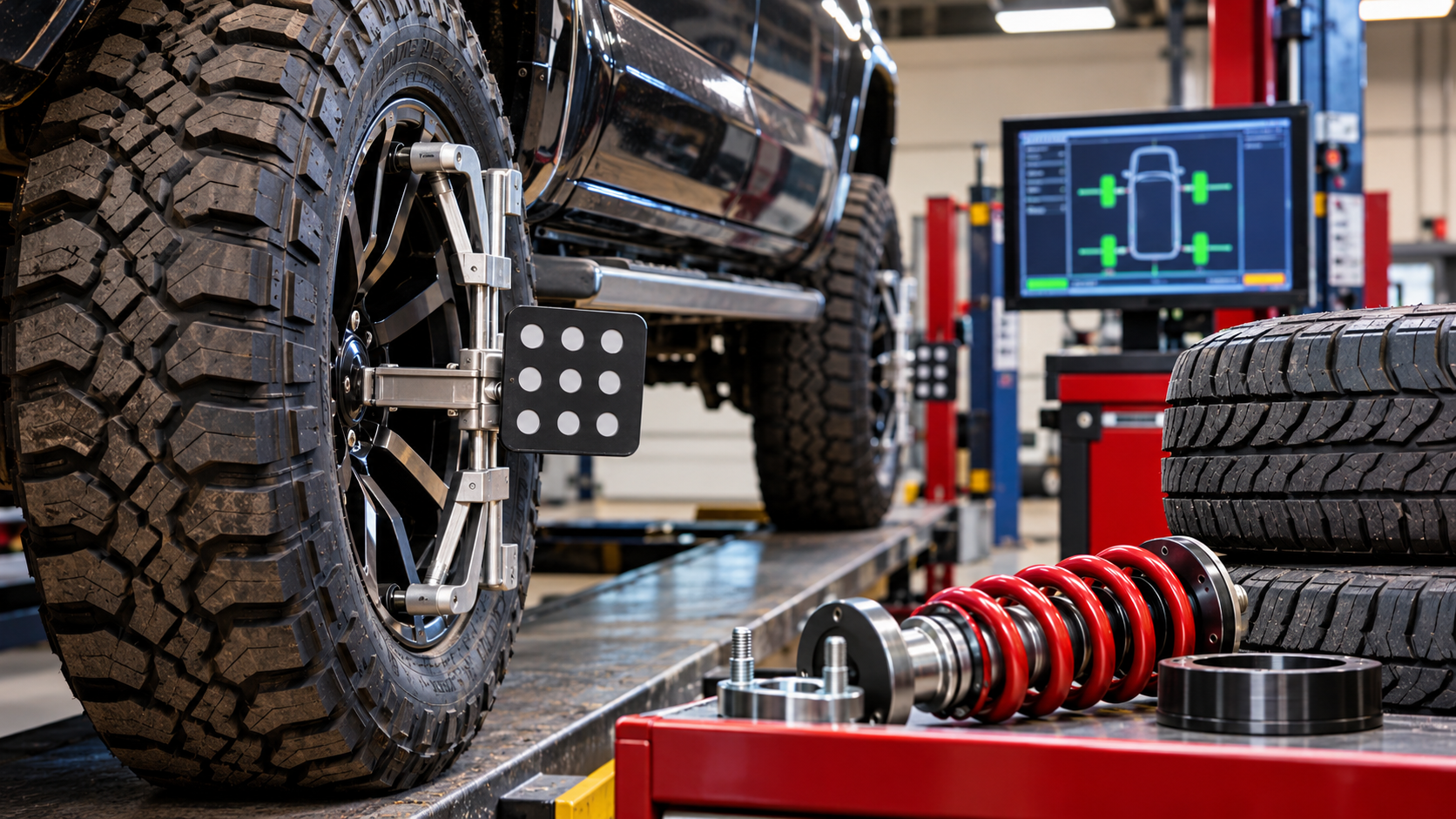
Not all alignments are created equal. In the old days, technicians used strings and levels. Today, we use high-definition 3D imaging systems that provide a level of precision previously impossible. These systems use digital cameras to create a three-dimensional model of your wheel positions, allowing for adjustments within fractions of a millimeter.
This precision is vital for The ROI of 3D Wheel Alignment Systems. Modern vehicles are packed with Advanced Driver Assistance Systems (ADAS), such as lane-keep assist and emergency braking. These systems rely on sensors that assume your wheels are pointing exactly where the manufacturer intended. A slight deviation doesn’t just wear your tires; it can cause your safety tech to malfunction. Utilizing Precision Wheel Alignment Balancing ensures that your vehicle’s “brain” and its “feet” are perfectly synced.
Timing is Key
We recommend an alignment check during these critical windows:
- New Tire Installation: Never put new rubber on a car without checking the alignment. It’s like buying a tuxedo and wearing it through a mud puddle.
- Suspension Work: If we are installing custom suspensions or replacing a strut, the geometry is inherently changed.
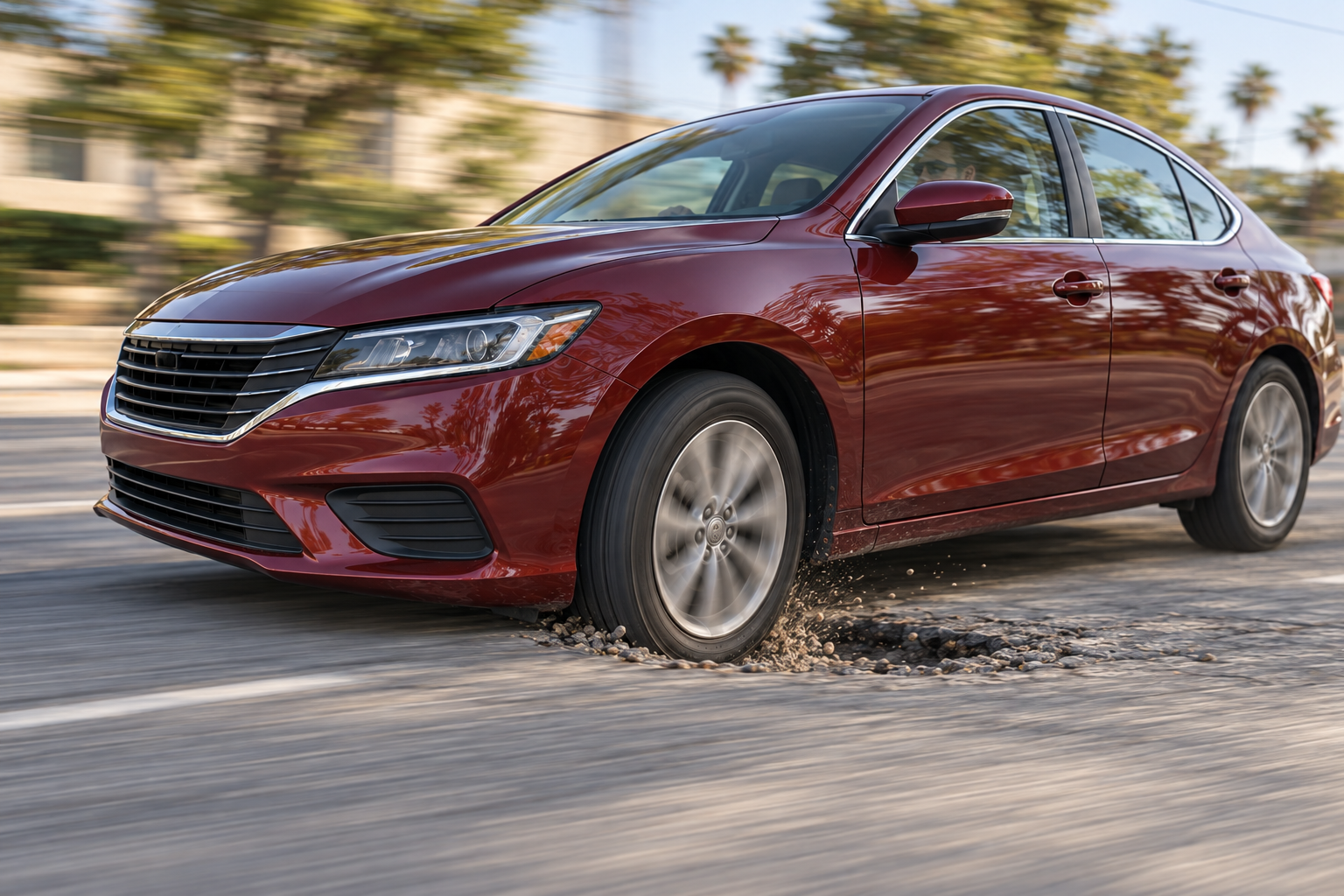
- The “Pothole Event”: If you hit a curb or a deep pothole hard enough to make you wince, your alignment likely shifted.
- Annual Check-up: Even without major impacts, parts wear down and settle. Wheel alignment involves adjusting the angles of your vehicle’s wheels to the manufacturer’s recommended specifications. Doing this annually prevents small deviations from becoming big expenses.
Signs and Risks of Neglecting Wheel Alignment
How do you know if your ROI is slipping away? Your car usually tries to tell you, but you have to know how to listen.
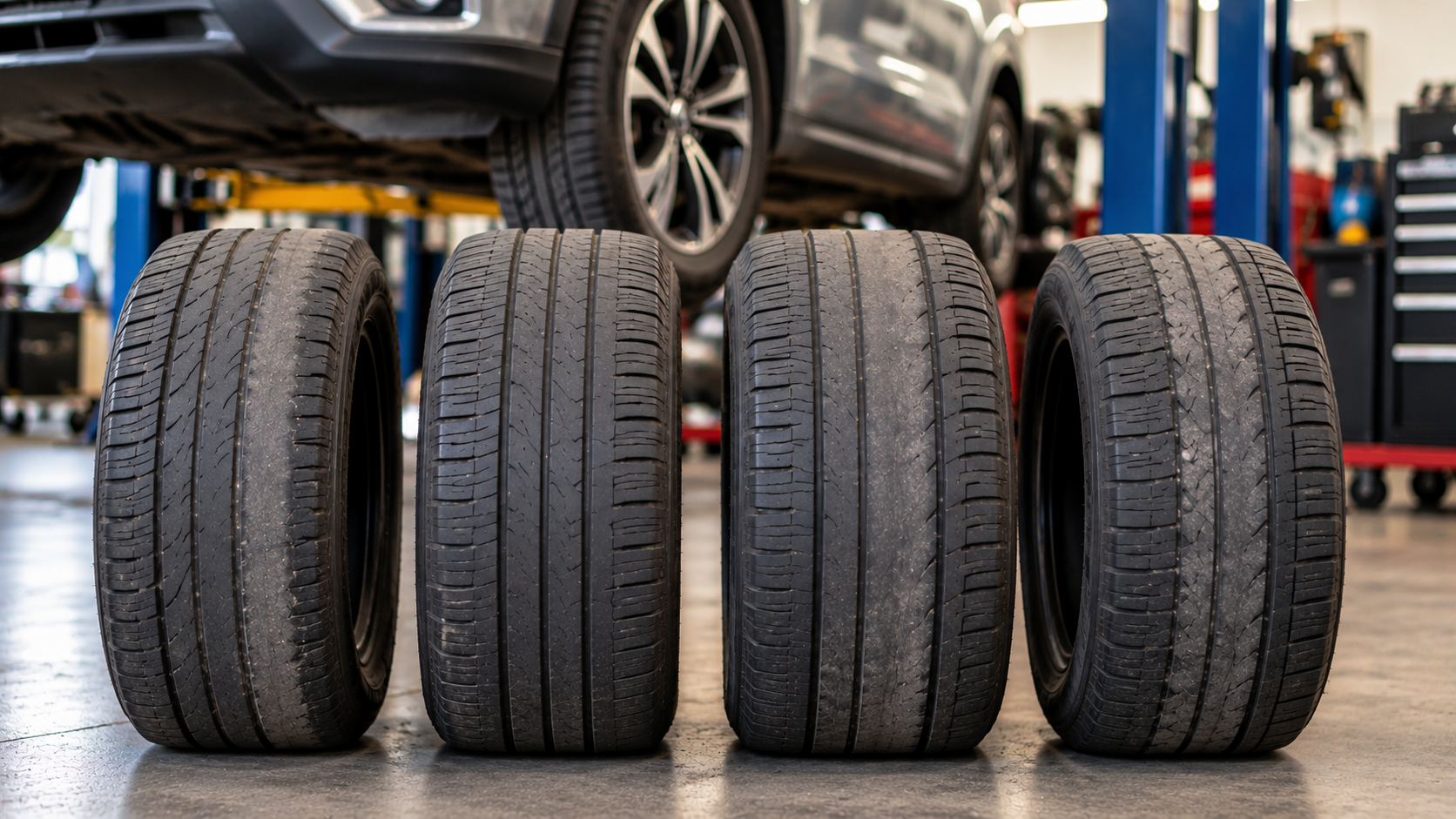
The most obvious sign is uneven tire wear. Look for “feathering” (where the tread blocks feel smooth in one direction but sharp in the other) or “cupping” (dips or scallops in the tread). These patterns are the “smoking gun” of misalignment. Other signs include:
- The “Riverside Drift”: Your vehicle pulls to one side on a flat road.
- Crooked Steering Wheel: You’re driving straight, but your steering wheel is centered at 11 o’clock.
- Vibrations: An off-center wheel can cause a shimmy in the steering wheel, often confused with an unbalanced tire.
Maintenance Synergy: Amplifying ROI with Complementary Practices
Maintenance synergy plays a critical role in amplifying the return on investment from quality wheels and proper alignment, as complementary practices work together to protect and enhance overall vehicle performance. Regular tire rotations, proper inflation checks, suspension inspections, and routine balancing ensure that the benefits of precise alignment and durable wheels are fully realized over time. When these maintenance efforts are coordinated rather than treated as isolated tasks, they reduce uneven wear, prevent premature component failure, and maintain optimal handling and fuel efficiency. This integrated approach not only extends the lifespan of tires, wheels, and suspension systems, but also minimizes unexpected repair costs, ultimately maximizing long-term value and driving confidence.
- Tire Rotation: We recommend this every 5,000 to 7,500 miles. It ensures that the front tires (which handle the steering and most of the braking) and the rear tires wear at the same rate.
- Wheel Balancing: While alignment deals with angles, balancing deals with weight distribution. An unbalanced wheel creates a vibration that can actually cause suspension parts to wear out faster, ruining your alignment.
- Pressure Checks: Under-inflated tires create more rolling resistance and heat, which kills tires regardless of how straight they are pointed.
Understanding the Uniform Tire Quality Grading System can help you pick tires that are built to last, but even the best tires need Wheel Balancing and Alignment to reach their potential. If you’re unsure which you need, ask yourself: Do You Need a Tire Balance or a Wheel Alignment? Usually, the answer for maximum ROI is both.
The Role of Quality Wheels and Rims
The “Quality Wheels” part of the ROI equation is often overlooked. Investing in high-quality alloy rims isn’t just about looking good at a car show in Riverside; it’s about performance.
Quality alloy rims are typically lighter than steel wheels. This reduces “unsprung weight,” which allows your suspension to react faster to bumps, keeping your tires in contact with the road more consistently. They also dissipate heat better, which protects your brakes and tires during heavy stop-and-go traffic.
If you are looking at aftermarket wheels, make sure you consult a pro. A poorly fitted wheel can ruin your suspension geometry from day one. Our Beginner’s Guide to Aftermarket Wheels: Fitment, Styles, and Materials is a great place to start ensuring your upgrade is a smart financial move, not just a cosmetic one.
Frequently Asked Questions about Wheel Alignment
How often should I have my wheel alignment checked?
For most drivers in Riverside, we recommend a check every 12,000 miles or once a year. However, if you frequently drive on rough roads or have a run-in with a curb, you should have it checked immediately. Think of it as an annual physical for your car’s legs.
Do I really need an alignment every time I buy new tires?
Yes! Putting new tires on a misaligned car is the fastest way to waste $1,000. New tires have deep tread that is highly susceptible to “scrubbing” if the angles are off. An alignment ensures you get every mile you paid for out of that new rubber.
Can poor wheel alignment affect my car’s fuel economy?
Absolutely. As mentioned earlier, misalignment increases rolling resistance. If your wheels are fighting each other, your engine has to work harder to maintain speed. Correcting this can boost your fuel efficiency by up to 10%, which adds up to significant savings over a year of commuting.
The Wheel Shop Difference
Maximizing long-term performance is not about selecting wheels that simply fit your vehicle. It requires a comprehensive, data-driven approach that considers wheel specifications, tire pairing, suspension geometry, and precise alignment. Every component must work together to achieve optimal handling, efficiency, and durability. For drivers seeking expert guidance on achieving the ideal fitment and performance balance, the professionals at The Wheel Shop deliver advanced technical knowledge backed by meticulous craftsmanship and attentive customer service.
With more than twenty years of experience serving drivers in Riverside, California, The Wheel Shop team specializes in matching the right wheels to each vehicle’s specifications, driving habits, and performance goals. Their services extend beyond installation to include specialty wheel and rim repair, caliper and wheel powder coating, custom suspension installations, and precision alignments. By addressing every aspect of the upgrade process, The Wheel Shop ensures that your investment not only enhances visual appeal but also delivers measurable improvements in performance, longevity, and overall return on investment.
Ready to transform your ride? For expert advice and a wide selection of Aftermarket Wheels & Tires, contact us today. Let’s find the perfect wheels to lift your driving experience.
We are passionate about equipping your vehicle with the right tires for your needs in Riverside, CA, and beyond.
Explore our expert wheel and tire services today and experience the difference of a proper tire fitment.
More info about precision wheel alignment and balancing services