That Unsettling Jolt and the Wobble That Follows
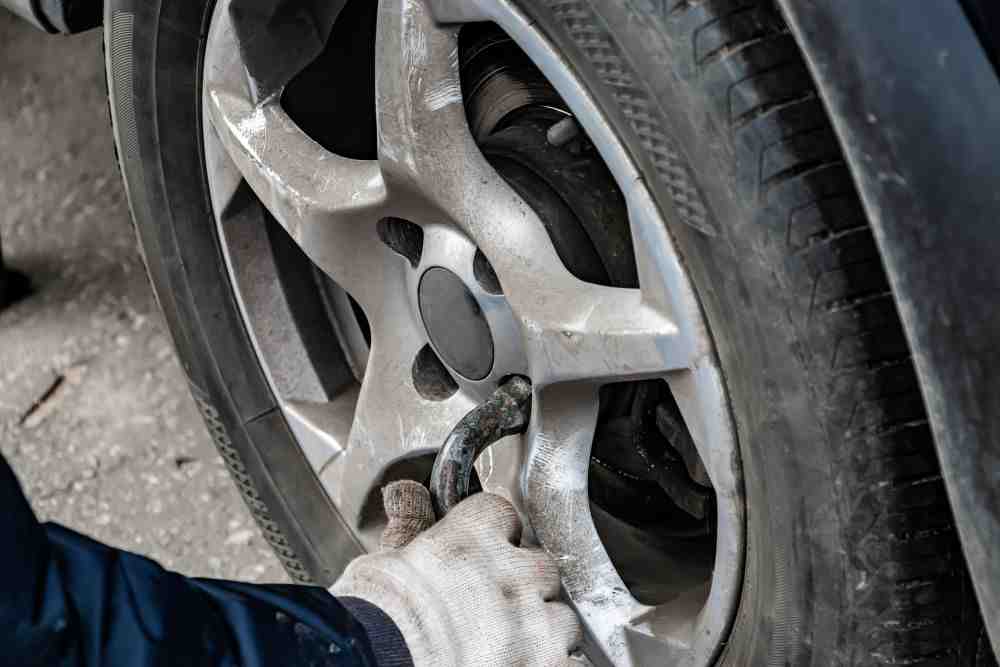
Bent wheels can often be saved, but it depends entirely on how much damage they have taken and where that damage is located. Some bends are cosmetic or minor enough that a professional can restore the wheel to full safety and performance. Others compromise structural integrity and should never be repaired or reused.
Here is the straightforward breakdown: light bends on the wheel lip or slight distortions from potholes are typically fixable, while cracks, severe warping, or damage near load-bearing areas usually mean replacement is the only safe option. Understanding the difference helps you make a smart decision, avoid unnecessary costs, and ensure your vehicle stays safe on the road.
Repairable Wheel Damage:
- Minor bends on the inboard (inner) side of the wheel
- Small dents on the rim flange without cracks
- Slight wobbles that can be straightened with professional equipment
- Most steel wheel bends
- Cosmetic damage like curb rash and scratches
Non-Repairable Wheel Damage:
- Any visible cracks or fractures in the wheel
- Severe bends, especially on the outboard (face) side
- Damaged or bent spokes
- Multiple bends across different areas
- Damage near the lug nut mounting holes
- Bends exceeding 50% of replacement cost to repair
The good news is that many bent wheels can be saved with professional repair—but not all of them. The difference between a safe repair and a necessary replacement comes down to the wheel’s structural integrity. Making the wrong call can affect your vehicle’s safety, tire wear, and overall performance.
How to Tell if Your Wheel is Bent: Causes and Symptoms
That sudden jolt from a pothole can leave more than just a bad feeling. It often shows up later as persistent steering vibrations, a pull to one side, or a tire that slowly loses air no matter how many times you refill it. Before you can determine what is truly repairable and what is not, it helps to understand what causes wheel damage in the first place and learn to spot the early warning signs.
Recognizing these symptoms right away allows you to address minor issues before they escalate into major safety concerns or costly repairs. A quick inspection and timely action can make the difference between a simple wheel correction and a full replacement.

Common Causes of Bent Wheels
Your wheels are tough, but daily driving presents many hazards that can bend them.
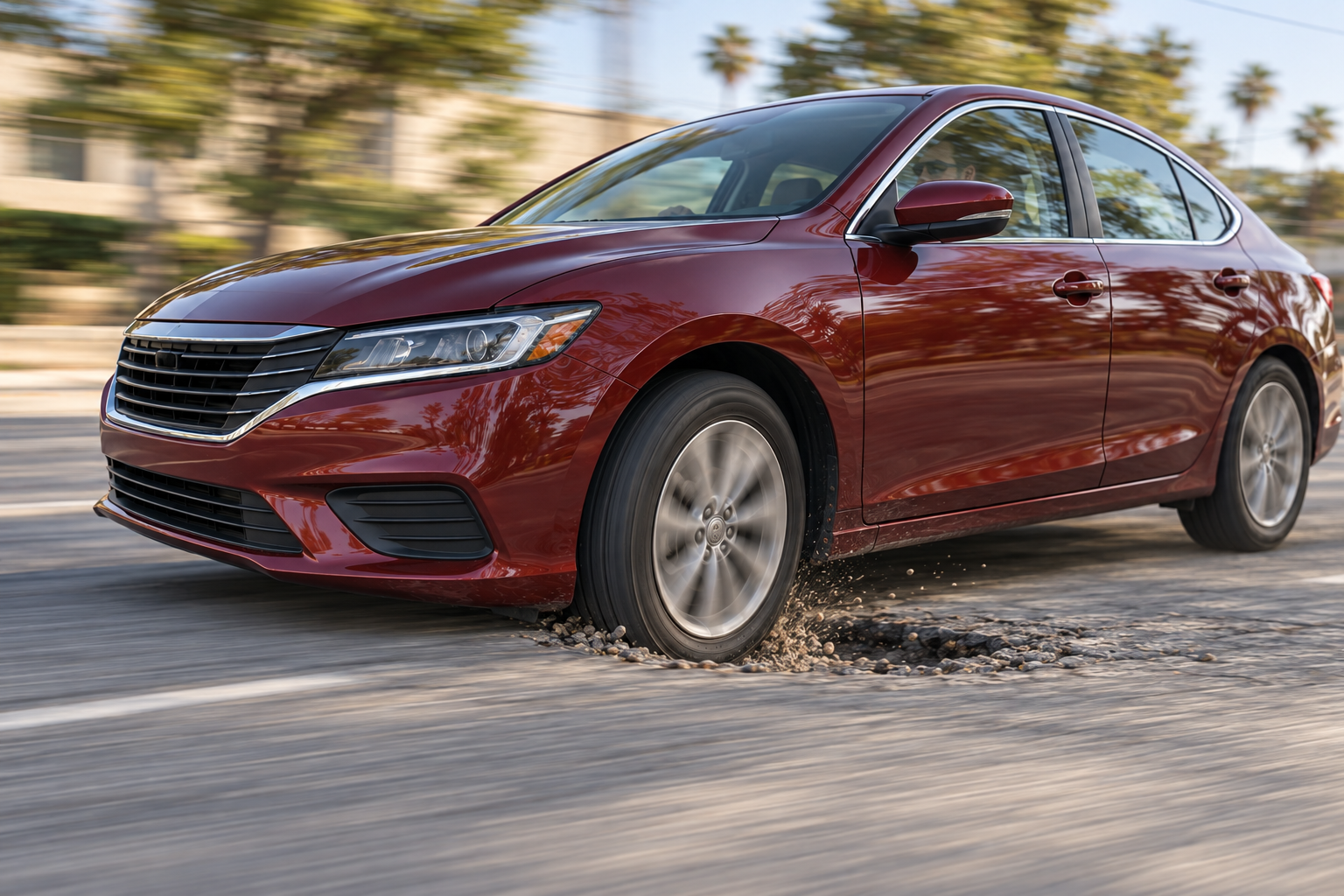
Potholes are the number one enemy. The jarring impact delivers massive force to your wheel, often resulting in a bend or crack. Learn more in our guide on How Potholes Affect Wheels.
Curbs are deceptively dangerous. Misjudging a turn or parking spot can dent, scrape, or bend your wheel’s rim flange, sometimes on the unseen inner side.
Road debris like construction materials or fallen rocks can appear out of nowhere, delivering concentrated force to your wheel and causing serious localized damage.
Underinflated tires are a hidden culprit. Low tire pressure reduces cushioning, forcing the wheel to absorb more direct impact from bumps and potholes, making it more vulnerable to bending.
Even minor accidents can transfer enough force to warp a wheel without leaving obvious signs at first.
These scenarios represent the Most Common Causes of Wheel Damage we repair. Knowing what to look for helps you catch problems early.
Key Symptoms to Watch For
Your car sends clear messages when a wheel is bent. Here’s how to read them:
Steering wheel vibration is often the first sign, especially at highway speeds (50-70 mph). The shaking occurs because the bent wheel is no longer perfectly round, creating an imbalance.
A wobbly or shaky ride throughout the vehicle is another symptom. It feels like you’re on a bumpy road even when the pavement is smooth.
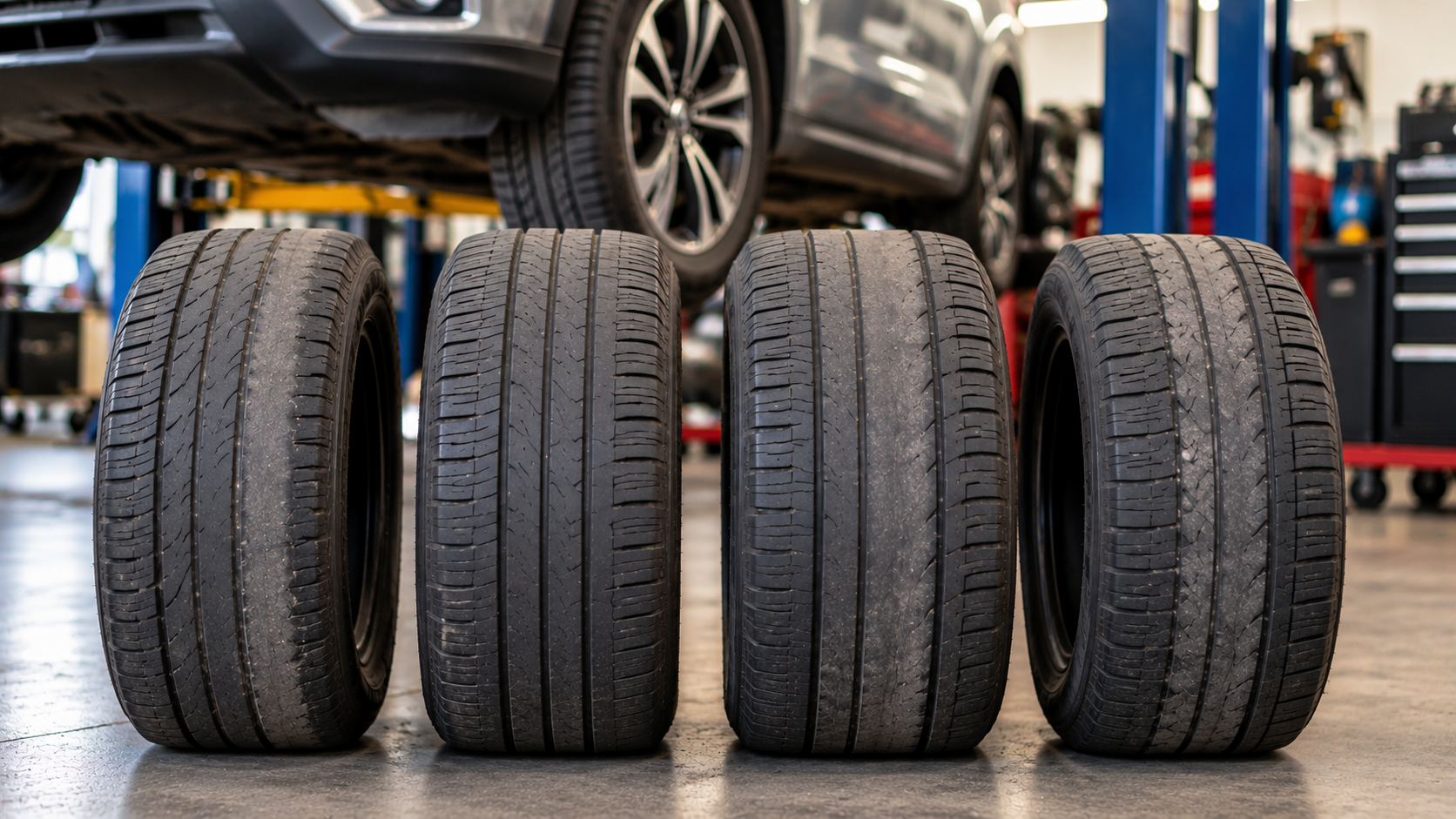
Uneven tire wear is a major indicator. A bent wheel causes irregular contact with the road, leading to feathering, cupping, or excessive wear on one side, which shortens your tire’s lifespan. Our Tips to Extend the Lifespan of Your Tires can help protect your investment.
Vehicle pulling to one side on a flat road can be caused by a bent wheel disrupting weight distribution, though alignment issues can also be a cause.
Visible damage like a flat spot, warp, or dent can sometimes be seen with a quick walk-around inspection.
Persistent air loss in one tire may indicate a bent rim is preventing a proper seal with the tire bead, causing a slow leak.
Ignoring these symptoms can lead to suspension damage, poor fuel efficiency, and safety risks. Understanding The True Cost of Ignoring Wheel and Tire Maintenance highlights why addressing these issues early is crucial for your safety and your wallet.
Can Bent Wheels Be Saved? A Professional Assessment
After hitting a pothole or curb, the question on every driver’s mind becomes clear: can bent wheels be saved, and what is truly repairable versus what is not? The answer depends entirely on the type, location, and severity of the damage. Cosmetic issues such as curb rash are similar to a surface scrape—unsightly but generally harmless. Structural problems, however, are an entirely different matter. A bend, crack, or distortion in a load-bearing area is more like a broken bone, weakening the wheel and putting your safety at risk every time the vehicle moves.
Understanding the difference helps you make the right call before minor issues turn into dangerous, expensive problems.

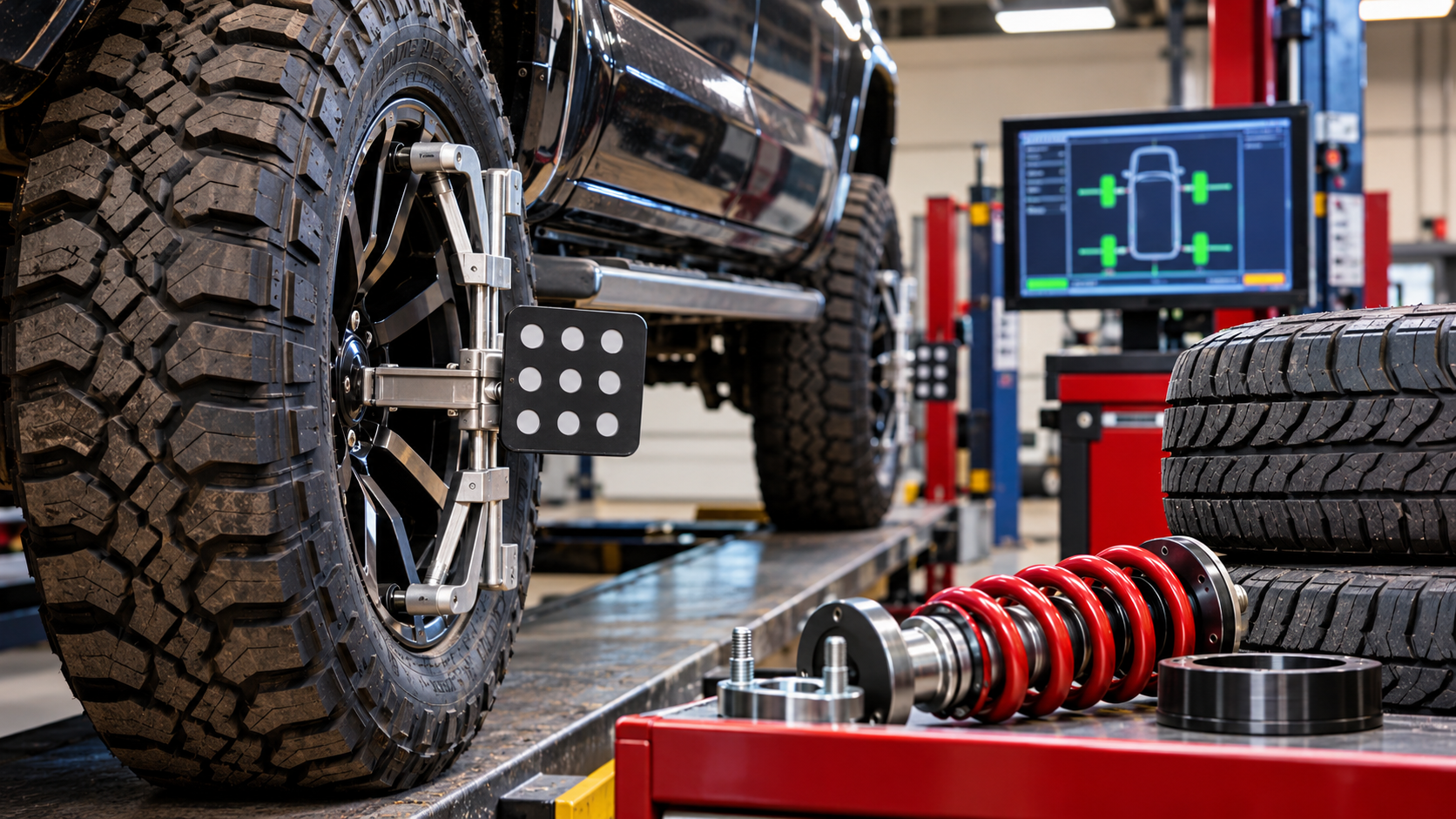
This is where a professional assessment is critical. We don’t just look at your wheel; we evaluate its entire structural integrity to ensure it can handle the stresses of driving. Our team combines visual inspection with specialized testing, often alongside our Precision Wheel Alignment & Balancing services, to get a complete picture.
What’s Repairable: Minor Bends and Damage
Many bent wheels can be saved. We’ve successfully repaired thousands of wheels that drivers thought were beyond hope.
Minor bends are often repairable. If your wheel has a small, localized bend, there’s an excellent chance we can straighten it for $75 to $100, assuming no hidden cracks.
Location is key. Bends on the inboard side (the inner part of the wheel) are generally easier to fix because the area is more flexible and less complex than the outer face.
A slight wobble is also often fixable. Our hydraulic straightening equipment can restore your wheel to its perfectly round shape, eliminating vibrations.
Small dents on the rim flange (where the tire sits) can usually be addressed, as long as they haven’t created cracks. This is a common issue we handle with our Alloy Wheel Pothole Repair service.
Cosmetic damage like scuffs, scratches, and curb rash is almost always repairable through refinishing, sanding, and repainting, and poses no safety concern.
Steel wheels are generally tougher and more forgiving. Their natural flexibility makes most bends repairable, though their low replacement cost can make a new wheel an equally attractive option.
What’s Not Repairable: When Replacement is Necessary
Some wheels simply can’t be saved. When damage compromises a wheel beyond safe repair, we will always recommend replacement.
Any crack, anywhere on the wheel, makes it non-repairable. Even a hairline fracture compromises the wheel’s structural integrity and can spread under driving stress, leading to catastrophic failure. Your safety is non-negotiable.
Severe deformation indicates the wheel’s metal has been stressed beyond its limits. Attempting a repair would further weaken the compromised metal.
Bends on the outboard side (the visible spoke side) are much harder to repair. This is the strongest, most complex part of an alloy wheel, and bending it often creates hidden cracks or cosmetic damage during the repair process.
Damaged spokes are a deal-breaker. Spokes are critical load-bearing structures; if one is bent or cracked, it cannot be safely repaired. Period.
Multiple bends across the wheel suggest it took an extremely hard hit. Straightening multiple areas can make the metal brittle and prone to failure.
Damage near the lug nut holes is a major safety concern, as it affects how securely the wheel mounts to your vehicle. We will not repair damage in this critical area.
Finally, consider the economics. If a repair costs more than 50% of a replacement, it usually makes more sense to buy a new wheel. As we explain in our article about Why It’s Important to Replace Damaged Rims, driving on a compromised wheel is a risk not worth taking.
The Wheel Straightening Process: How Professionals Save a Bent Wheel
If your wheel is repairable, what’s next? At The Wheel Shop, we don’t use hammers. Restoring a bent wheel to factory specs requires specialized equipment, precise techniques, and years of experience. It’s a science-focused process designed to get you back on the road safely.

The process involves controlled heating to make the metal workable, followed by hydraulic pressure applied at precise angles to gradually reshape the wheel. It’s a delicate balance to ensure the metal’s strength is preserved. Finishing work ensures the wheel is not only structurally sound but looks great, too.
Repairing Different Wheel Materials
The repair approach changes dramatically depending on the wheel’s material.
Alloy wheels, the most common type, are made from a lightweight aluminum alloy that is prone to bending and cracking. We repair them using sophisticated machines that apply controlled heat to make the aluminum pliable. Then, we use hydraulic pressure to carefully massage the bend out, working gradually to avoid stressing the metal. After straightening, the wheel may be turned on a lathe for perfect roundness and refinished with services like Powder Coating Aluminum Wheels.
Steel wheels are heavier but more forgiving. Due to steel’s natural malleability, we can often fix minor bends with simpler methods. For more serious bends, we use a metal press with heat and multi-angle pressure. Steel is less brittle than aluminum, allowing more flexibility in the repair.
Forged wheels are high-end, incredibly strong, and lightweight. Their superior density and strength make them desirable but also challenging to repair. They do not respond well to the typical straightening process, so for significant damage, replacement is often the only safe option.
The Importance of Professional Inspection
The question of whether a bent wheel can be safely repaired or must be replaced is something only a trained professional can determine. The severity, location, and type of damage require expert evaluation, specialized equipment, and precise measurements. Attempting a do-it-yourself fix with a sledgehammer or makeshift tools is not only ineffective but can also create hidden structural weaknesses that put you at risk on the road.
A professional technician can assess the wheel, identify any underlying issues, and recommend a repair or replacement that maintains both safety and performance. Investing in a proper inspection ensures that the problem is resolved correctly the first time and prevents more serious failures down the line.
When you bring your wheel to The Wheel Shop, our technicians perform a thorough inspection:
- Determining Repairability: We examine the bend’s location, severity, and the wheel’s overall condition. A bend on the inboard side is very different from one on the outboard spoke side.
- Finding Hidden Cracks: What you can’t see is often the most dangerous. Our experienced team knows where to look for hairline fractures that indicate hidden structural damage.
- Ensuring Structural Safety: Our top priority is safety. If we have any doubt about a repair’s ability to restore the wheel to a safe condition, we will recommend replacement.
- Using Specialized Equipment: Our hydraulic presses and measuring devices apply force with a precision that basic tools cannot achieve, ensuring the wheel returns to its original specifications.
- Final Wheel Balancing: After any repair, balancing is essential to prevent vibrations and uneven tire wear. It’s the final step to ensure your repaired wheel performs like new.
If you’re in Southern California, our team provides comprehensive Rim Repair Riverside CA services with the expertise to do the job right. We’ll give you an honest evaluation because your safety is our priority.
The Big Decision: Repairing vs. Replacing Your Bent Wheel
After a professional assessment, you face the decision: repair or replace? The choice balances cost, time, and long-term reliability. At The Wheel Shop, we provide the information you need to make the best choice for your vehicle and budget.

Cost and Factors: Can Bent Wheels Be Saved? What’s Repairable vs. What’s Not
When considering whether you should repair the wheel vs replacing it, cost is a major factor. Repairing a bent wheel is typically more budget-friendly than replacing it, provided the damage is repairable.
Professional bent wheel repair typically costs $75 to $250 per wheel. Minor bends without cracks are on the lower end ($75-$100). More moderate damage involving welding or extensive refinishing can cost $150 to $250. In contrast, a full replacement can run from $200 to $1,000+ per wheel, depending on your vehicle and wheel type. When replacement is necessary, you can choose between Factory OEM Wheels for an exact match or aftermarket options for different styles or prices.
Material and finish also play a role in repair costs. The complexity of the work varies for alloy, steel, or forged wheels, and finishes like paint, chrome, or powder-coating can influence the final bill.
A practical rule of thumb: if repair estimates exceed 50% of the cost of a new wheel, replacement is often the more sensible option. You’re paying nearly as much for a repair as you would for a brand-new wheel with no damage history.
Finally, consider the time factor. Repairs can often be completed within a day, while ordering a new rim might take several days, meaning less downtime for your vehicle.
When to Consider an Upgrade
A bent wheel can be an opportunity. If your wheel is beyond economical repair or you’ve been wanting a new look, this might be the perfect time to upgrade.
A new set of wheels allows you to personalize your vehicle’s appearance. We offer a wide range of options through our Custom Wheel Finishes: How to Make Your Vehicle Stand Out services, including unique powder coating.
Upgrading can also bring performance benefits. Lighter aftermarket wheels reduce unsprung weight, which can improve acceleration, braking, and overall responsiveness.
If your old wheels were showing their age, a new set can dramatically transform your vehicle’s appearance, making it look fresher and more modern.
You might also want to change your wheel size for a different aesthetic or performance characteristic. A bent wheel needing replacement is the perfect excuse to make that change. For guidance on choosing the right fit, check out our comprehensive resource: A Beginner’s Guide to Aftermarket Wheels: Fitment, Styles, and Materials.
Whether you choose repair or replacement, the most important thing is to make an informed decision that prioritizes safety. Our team at The Wheel Shop is here to provide honest, expert guidance for your specific situation.
Frequently Asked Questions
When it comes to bent wheels, it is normal to have questions about what can be repaired and what requires replacement. Understanding the difference is crucial for both safety and cost. The following frequently asked questions address the most common concerns drivers have, helping you make informed decisions and avoid potential hazards on the road.
1. How do I know if my bent wheel can be repaired?
A professional inspection is the only reliable way to determine if a wheel is repairable. Minor bends or cosmetic damage can often be fixed, while cracks, severe warping, or damage to load-bearing areas usually require replacement. Signs like vibrations, pulling, or air leaks can indicate structural issues that need immediate attention.
2. Can I try to fix a bent wheel myself?
No. DIY attempts using hammers or makeshift tools can worsen the damage and compromise safety. Wheel repair requires specialized equipment and expertise to ensure the wheel maintains its structural integrity and performs safely.
3. How much does wheel repair typically cost?
The cost varies depending on the severity and type of damage, as well as the wheel’s material and size. Minor cosmetic repairs are generally affordable, while structural repairs can be more expensive. In some cases, replacement may be the safer and more cost-effective option.
4. How can I prevent wheel damage in the future?
Avoiding potholes, curbs, and other obstacles whenever possible is the first step. Maintaining proper tire pressure and choosing tires suited to your driving conditions can also reduce the risk of bending or cracking wheels. Regular inspections can catch minor issues before they become serious problems.
The Wheel Shop Difference
At The Wheel Shop, we have spent over twenty years helping drivers in Riverside, CA make informed decisions. Our technicians use specialized equipment to detect hidden cracks and assess structural integrity. If your wheel can be safely repaired, we’ll do it with precision. If it needs to be replaced for your safety, we’ll tell you that, too. Our commitment is to top-tier craftsmanship and honest customer service.
Prevention is your best defense. Stay alert for potholes, maintain proper tire pressure, and visually inspect your wheels regularly. If you feel a vibration or notice your car pulling, get it checked right away.
Whether you need expert repair, quality replacement wheels, or just peace of mind from a thorough inspection, we’re here to help. Our team is ready to assess your wheels and get you back on the road safely.
Contact Us today for expert wheel repair services in Riverside, CA. Let’s make sure your wheels are in the best shape possible—because you deserve to drive with confidence.