Why Understanding Wheel Fitment Matters for Every Driver
Grasping the impact of wheel offset and backspacing on handling, tire wear, and suspension integrity is essential before making any wheel or tire modifications. These specifications determine the positioning of your wheels in relation to the vehicle’s body and suspension components. Incorrect measurements can result in costly repairs, increased tire wear, and compromised driving safety.
Quick Answer:
- Handling: Incorrect offset alters your vehicle’s track width and scrub radius, affecting steering, stability, and road shock sensitivity.
- Tire Wear: Improper offset causes uneven wear and potential rubbing against fenders or suspension parts.
- Suspension Health: Deviating from factory specs increases leverage on wheel bearings, ball joints, and tie rod ends, causing premature failure.
Vehicle engineers calculate the perfect wheel offset and backspacing for optimal steering geometry and component life. Even a small change of 10-15mm can create clearance issues, increase steering effort, or put excessive stress on bearings.
Whether you’re installing winter tires, upgrading to larger wheels, or lifting a truck, understanding these measurements prevents costly mistakes. A wheel that looks great might rub against your fender or create dangerous handling characteristics at highway speeds.
With the right knowledge and professional guidance, you can achieve the performance and appearance you want without compromising your vehicle’s safety or longevity.
The Fundamentals: Defining Wheel Offset and Backspacing
Perfect wheel fitment starts with understanding the basic dimensions that dictate where a wheel sits. These precisely engineered components are critical to your vehicle’s performance and safety.

What is Wheel Offset? (Positive, Zero, and Negative)
Wheel offset is the distance from the wheel’s mounting surface to its true centerline, measured in millimeters (mm). It’s often marked as “ET” (Einpresstiefe, German for “insertion depth”).
- Positive Offset: The mounting surface is outboard of the centerline, tucking the wheel into the fender well. This is common on modern front-wheel-drive (FWD) cars to maintain proper steering geometry.
- Zero Offset: The mounting surface is perfectly aligned with the wheel’s centerline. This is often found on older or some rear-wheel-drive (RWD) vehicles.
- Negative Offset: The mounting surface is inboard of the centerline, pushing the wheel outward for a wider, more aggressive stance. While desired for looks, excessive negative offset negatively impacts How Wheel Offset and Backspacing Affect Handling, Tire Wear, and Suspension Health.
Understanding these measurements is crucial for tire clearance and vehicle handling. For more details, see our guide on Understanding Wheel and Tire Dimensions.
What is Backspacing and How Does It Differ from Offset?
While offset is the modern industry standard, backspacing is another key measurement, especially for older American cars and trucks.
Backspacing is the distance from the wheel’s rearmost edge to its mounting surface, measured in inches.
The key difference is the reference point:
- Offset measures from the wheel’s centerline.
- Backspacing measures from the wheel’s back edge.
Offset is now the more universal measurement, but the two are directly related. Knowing the wheel’s width allows you to calculate one from the other, which is vital for proper fitment. This is especially important when choosing from different styles, as detailed in A Beginner’s Guide to Aftermarket Wheels: Fitment, Styles, and Materials.
How to Measure and Calculate Your Wheel’s Fitment
Precision is key when measuring your wheels. Here’s a basic guide:
- Measuring Backspacing:
- Lay the wheel face down.
- Place a straight edge across the back of the rim.
- Measure from the straight edge down to the hub mounting surface. This distance is your backspacing.
- Calculating Offset: With the backspacing and overall wheel width, you can calculate offset.
- Find the centerline: Divide the overall wheel width by two.
- Calculate the difference: Backspacing – Centerline = Offset (in inches).
- Convert to millimeters: Multiply the result by 25.4 to get the final offset value (e.g., a positive result is a positive offset).
For instance, an 8-inch wide wheel with 4.75 inches of backspacing has a +19.05mm offset.
Why Factory OEM Offset is the Engineered Benchmark
A vehicle’s factory wheels are not chosen arbitrarily. Engineers carefully calculate every millimeter of their design, including offset, to ensure optimal performance, safety, and component longevity.

The Role of Scrub Radius and Steering Geometry
One of the most critical factors influenced by wheel offset is the scrub radius. This is the distance between where the steering axis intersects the ground and the center of the tire’s contact patch.
- Factory Settings: Engineers design the factory offset to achieve a specific scrub radius (often slightly negative on FWD cars) for a stabilizing effect, especially during braking on uneven surfaces.
- Impact of Changes: Altering the offset changes the scrub radius. Pushing wheels out with a more negative offset can make steering less stable and increase feedback and effort.
- Torque Steer: On FWD vehicles, incorrect offset can worsen torque steer—the pulling sensation during hard acceleration.
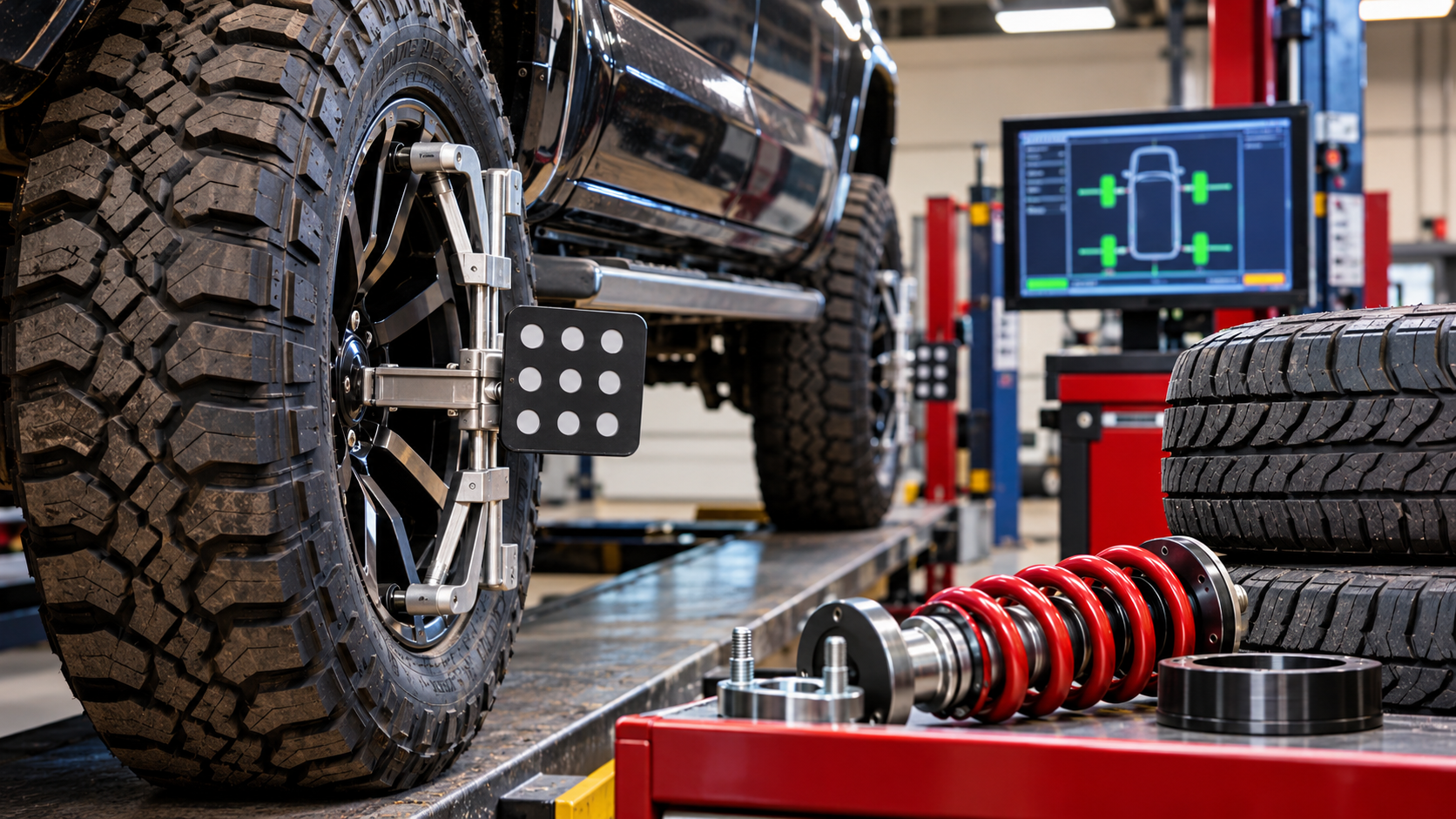
Maintaining the factory steering geometry is vital for predictable handling, which is why Why Proper Wheel Alignment is Crucial is so important with new wheels.
Protecting Wheel Bearings and Suspension
Factory offsets are also chosen to minimize stress on wheel bearings and suspension parts.
- Load Distribution: The correct offset centers the load from the wheel and tire through the wheel bearing, minimizing leverage on suspension components.
- Minimizing Wear: Deviating from the factory offset moves the wheel’s load center, creating a longer “lever arm” that puts significantly more stress on wheel bearings. This leads to premature wear and costly failure of bearings, ball joints, and tie rod ends.
Factory OEM Wheels represent an engineering benchmark for handling, durability, and safety. Understanding these principles is key to making smart aftermarket wheel choices.
How Wheel Offset and Backspacing Affect Handling, Tire Wear, and Suspension Health
Adjusting wheel offset and backspacing can significantly change your vehicle’s performance and driving dynamics. Here is an in-depth look at how wheel offset and backspacing impact handling, tire wear, and suspension health in real-world conditions.
Impact on Vehicle Handling and Stability
Your car’s feel on the road is heavily influenced by wheel offset.
- Track Width: Changing offset alters the track width (the distance between the wheels on an axle). A wider track (from a more negative offset) can improve cornering stability but may also increase steering effort, make the car follow road imperfections (tramlining), and transmit more road shock through the steering wheel.
- Scrub Radius: As noted, altering offset changes the scrub radius, which can make steering less predictable under braking or acceleration.
Straying too far from factory specs can negatively impact your Custom Suspension system’s engineered performance.
How Wheel Offset and Backspacing Affect Handling, Tire Wear, and Suspension Health: The Consequences for Your Tires
Incorrect wheel fitment leads to numerous tire problems.
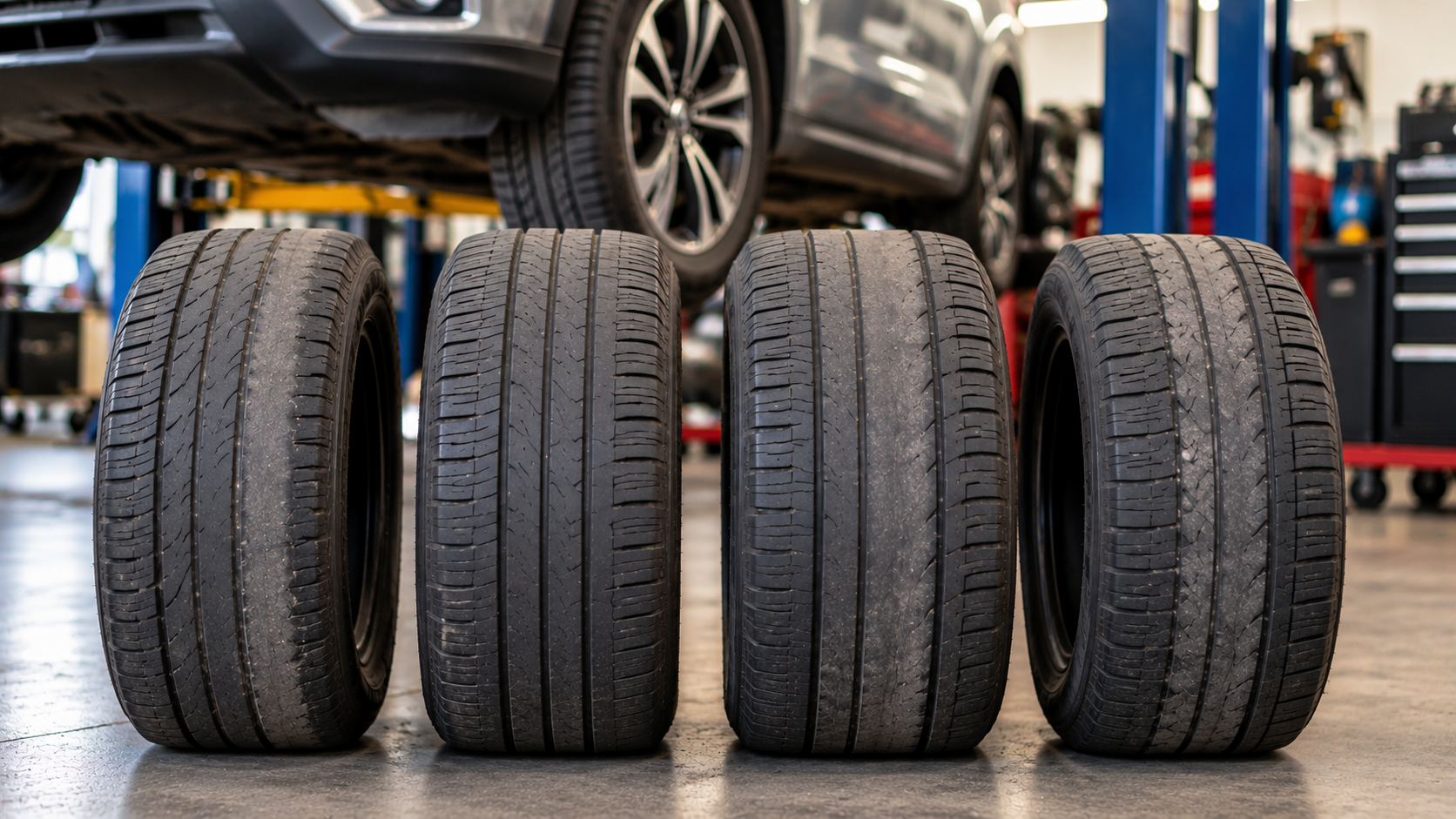
- Uneven Tire Wear: This is a common sign of improper fitment. An altered scrub radius can change how the tire loads and wears, causing a “scrubbing” effect that accelerates wear patterns that an alignment can’t fix.
- Fender Rubbing and Sidewall Damage:
- Excessive Negative Offset: Wheels that stick out too far can rub against fender lips during turns or over bumps, damaging the fender and potentially causing a tire blowout.
- Excessive Positive Offset: Wheels tucked in too far can rub against inner fender liners, struts, or control arms, which is equally dangerous.
How Wheel Offset and Backspacing Affect Handling, Tire Wear, and Suspension Health: The Strain on Suspension Components
Changing your wheel offset introduces new leverage points and stress on your suspension and steering components.
- Increased Leverage: Pushing wheels further out creates a longer lever arm, forcing suspension parts to endure greater forces than they were designed for.
- Premature Wear: This constant, added stress leads to premature failure of critical components. The parts most at risk include:
- Wheel Bearings
- Ball Joints
- Tie Rod Ends
- Steering Knuckles
- Control Arm Bushings
The cumulative effect is a less stable ride, higher maintenance costs, and unsafe handling. While Suspension Upgrades That Transform Your Ride can help, proper wheel fitment should always be the starting point.
Modifying Your Fitment: Spacers, Clearance, and Making the Right Choice
Adjusting wheel fitment for a custom look or larger tires often involves tools like wheel spacers, but they require careful consideration.
Using Wheel Spacers to Adjust Effective Offset
Wheel spacers are discs that fit between the hub and the wheel, pushing the wheel outward and effectively decreasing its offset. They can be used to fine-tune fitment, achieve an aggressive stance, or create clearance for larger brakes.
- Types: Thinner slip-on spacers slide over existing wheel studs and require longer studs for safety. Thicker bolt-on spacers bolt to the hub and provide a new set of studs for the wheel.
- Quality and Safety: Quality is paramount. Always use high-quality, hub-centric spacers from reputable brands to avoid vibrations or failure. Spacers, like wheels with more negative offset, increase stress on wheel bearings and suspension components.
Avoiding Fender and Suspension Interference
The goal is to ensure your tires don’t rub against anything. Incorrect offset is the primary cause of interference.
- Excessive Positive Offset Risks (Tucked In): Tires can rub on inner fender liners, struts, control arms, or other suspension components.
- Excessive Negative Offset Risks (Pushed Out): Tires can rub on outer fender lips, especially during turns or over bumps. This can damage the tire and fender and may be illegal in states like California without fender flares.
Measuring for Clearance: To prevent these issues, meticulous measurement is key. We measure static and dynamic clearance to account for suspension travel and steering angle, ensuring a perfect, rub-free fit.
Proper tire fitment is a science. Learn more at The Science Behind Proper Tire Fitment: More Than Just Size.
Frequently Asked Questions about Wheel Offset and Backspacing
Here are answers to common questions we hear at our Riverside shop about How Wheel Offset and Backspacing Affect Handling, Tire Wear, and Suspension Health.
Is a small change in offset (e.g., 5-10mm) a big deal?
Yes. A small change can alter the scrub radius, affecting steering feel and stability. It can also be the difference between clearing a fender and rubbing, and it will increase the load on wheel bearings, accelerating wear over time. For performance and longevity, every millimeter counts.
Do I need a wheel alignment after changing my wheels?
Yes, a professional wheel alignment is highly recommended after changing wheels, especially if the offset or width is different. A new offset changes your vehicle’s track width and scrub radius, which can affect camber and toe settings. An alignment ensures these settings are correct for the new setup, optimizing tire life and handling. Learn more about How a Professional Wheel Alignment is About More Than Just Straight Wheels.
Can I run different offsets on the front and rear axles?
Yes, this is called a staggered fitment and is common on rear-wheel-drive (RWD) performance cars. Wider rear wheels and tires (often with a different offset) can improve traction and handling. The main drawback is that you cannot rotate tires front-to-rear, which can reduce overall tire life. When considering a staggered setup, consult with an expert to ensure the chosen offsets are appropriate for your vehicle and driving style.
The Wheel Shop Difference
Achieving optimal performance isn’t about picking a tire that just “fits.” It’s about a holistic, scientific approach. For expert advice on achieving the perfect fitment with the right wheels and tires, the professionals at The Wheel Shop provide top-tier craftsmanship and exceptional customer service.
At The Wheel Shop, our team in Riverside, CA, has over twenty years of experience helping drivers make the right choice. We match the perfect wheel to your vehicle, driving style, and goals. Our services cover every aspect of your upgrade, from specialty wheel and rim repair and caliper and wheel powder coating to custom suspension installations and precision alignments. Our top-tier craftsmanship and exceptional customer service ensure you get wheels that look great and perform flawlessly.
Ready to transform your ride? For expert advice and a wide selection of Aftermarket Wheels & Tires, contact us today. Let’s find the perfect wheels to lift your driving experience.
We are passionate about equipping your vehicle with the right tires for your needs in Riverside, CA, and beyond. Explore our expert wheel and tire services today and experience the difference of a proper tire fitment.