Why Wheel and Tire Choices Have a Bigger Impact on Resale Value Than You Think
When it comes to maintaining a vehicle’s value, most owners focus on regular maintenance, mileage, and cosmetic upkeep—but the choices you make for wheels and tires can have a surprisingly significant impact on resale value. Beyond aesthetics, wheels and tires influence performance, safety, and buyer perception, all of which factor into how a vehicle is evaluated in the resale market.
Opting for high-quality, compatible wheels and tires signals that a car has been well cared for, while mismatched or aftermarket options that compromise ride quality can raise red flags for potential buyers. From maintaining optimal performance to enhancing curb appeal, your wheel and tire decisions are more than just a style statement—they are an investment in the long-term value of your vehicle.
Here’s a quick summary:
- OEM wheels in good condition are the safest bet for broad buyer appeal
- Quality aftermarket wheels (proper fitment, reputable brand) can maintain or boost value — especially in enthusiast markets
- Damaged, worn, or poorly fitted wheels can noticeably lower your asking price
- Tire condition (tread depth, even wear, matching set) signals how well the car was maintained
- Flashy or niche modifications tend to shrink your buyer pool
Your car starts losing value the moment you drive it off the lot. On average, a new vehicle drops around 20% in value in the first year alone — and up to 50% over the first three years. A $50,000 car can be worth just $32,000 by year three.
That’s a steep drop. And while you can’t stop depreciation, you can control how fast it happens.
Wheels and tires are one of the first things a buyer sees. Before they check the mileage, open the hood, or take a test drive — they’re already forming an opinion based on what the car is sitting on.
Scuffed rims, uneven tire wear, or an awkward aftermarket fitment sends a signal: this car wasn’t cared for. The right set of wheels, in great condition, sends the opposite message.
The choices you make — and how well you maintain them — can meaningfully shift where your car lands on the market.
How Wheel and Tire Choices Affect Resale Value: OEM vs. Aftermarket
When it’s time to sell your car in Riverside, one of the first questions we often hear at The Wheel Shop is: “Should I go back to stock wheels, or will these custom ones help me get a better price?” The answer depends largely on who is buying.
OEM (Original Equipment Manufacturer) wheels are the rims that came on the car from the factory. They are the “safe” choice. Why? Because the vehicle’s suspension, speedometer, and safety systems were all calibrated specifically for those dimensions. For the average buyer looking for a reliable daily driver, OEM wheels represent peace of mind.
On the other hand, the aftermarket wheel industry is massive, with over $6 billion in annual sales. People love to customize. However, making the right financial choice between OEM vs aftermarket wheels requires looking past the initial “cool factor.”
If you are selling a standard commuter car, aftermarket wheels can sometimes be a hurdle. A buyer might worry about the quality of the rims or whether they will cause issues down the road. But if you’ve followed A Beginner’s Guide to Aftermarket Wheels: Fitment, Styles, and Materials, you know that high-quality, tasteful upgrades can actually set your car apart from the hundreds of other identical models on the market.
| Feature | OEM Wheels | Aftermarket Wheels | OEM Replica Wheels |
|---|---|---|---|
| Resale Appeal | Universal / Broad | Niche / Enthusiast | Broad / Safe |
| Perceived Quality | High (Factory Standard) | Variable (Brand Dependent) | Moderate to High |
| Price | Expensive to replace | Ranges from budget to luxury | Cost-effective |
| Performance | Balanced for comfort | Can improve handling/weight | Similar to stock |
| Fitment | Guaranteed perfect | Requires expert selection | Guaranteed perfect |
How Wheel and Tire Choices Affect Resale Value in Enthusiast Markets
If you’re selling a performance car or a dedicated off-road rig, the rules change. In these “enthusiast markets,” high-end aftermarket wheels are often viewed as a value-add.
Performance-minded buyers look for forged wheels because they are significantly stronger and lighter than cast factory wheels. We often discuss how Wheel Weight 101: Why Lighter Wheels Make a Heavier Impact Than You Think because of “unsprung mass.” Essentially, every pound you shave off the wheels helps the suspension react faster and the engine work less to rotate the tires.
Does it actually make a difference? Absolutely. Research shows that every 10% reduction in unsprung mass contributes to roughly a 6% improvement in acceleration performance. If you can show a buyer that your car has premium, lightweight wheels, you’re proving that the car handles and accelerates better than a stock version. If you’ve ever wondered “Does Wheel Weight Really Matter?“, the answer is a resounding “yes” when it comes to performance resale.
Why Some Aftermarket Choices Lower Resale Value
We’ve all seen it: a car that looks great from a distance, but as you get closer, the wheels are poking out past the fenders or looks like they’re about to rub the wheel well. These are the modifications that kill resale value.
Improper fitment — such as the wrong bolt pattern or an incorrect offset — can lead to serious mechanical problems. If the wheels rub against the suspension components or fenders, it’s a safety hazard. Furthermore, whether aftermarket wheels affect resale value often depends on whether the modification voids the vehicle’s warranty. Many manufacturers will deny suspension-related warranty claims if they find aftermarket wheels with radical offsets have put undue stress on the wheel bearings.
Aesthetics also play a huge role. While you might love neon green wheels with spikes, the average buyer in Riverside probably won’t. Extreme styling choices create a “niche appeal,” meaning you’ll have to wait much longer to find that one specific buyer who shares your taste. For a quick sale at a high price, neutral and professional finishes are always the winner.
How Condition and Maintenance Influence Your Car’s Price
You could have the most expensive wheels in the world, but if they are covered in “curb rash” (those nasty scratches from hitting a sidewalk), they are a liability. When a potential buyer sees damaged rims, they immediately start calculating how much it will cost them to fix it — and then they subtract that amount (plus a “hassle tax”) from your asking price.
Structural integrity is even more critical. A bent or cracked rim isn’t just an eyesore; it’s a safety risk that can cause vibrations, air leaks, and even blowouts. This is Why It’s Important to Replace Damaged Rims before listing your car.
Maintenance goes beyond just avoiding curbs. Neglected wheels often suffer from brake dust corrosion. Brake dust is actually a mix of iron particles, carbon fibers, and adhesive residues. When left on the wheel, it can eat through the clear coat and pit the metal. The True Cost of Ignoring Wheel and Tire Maintenance shows up when you try to sell; a car with “burnt-on” brake dust looks years older than it actually is. Understanding what affects a car’s resale value means realizing that cleanliness and finish preservation are just as important as mechanical health.
The Role of Precision Alignment and Tire Health
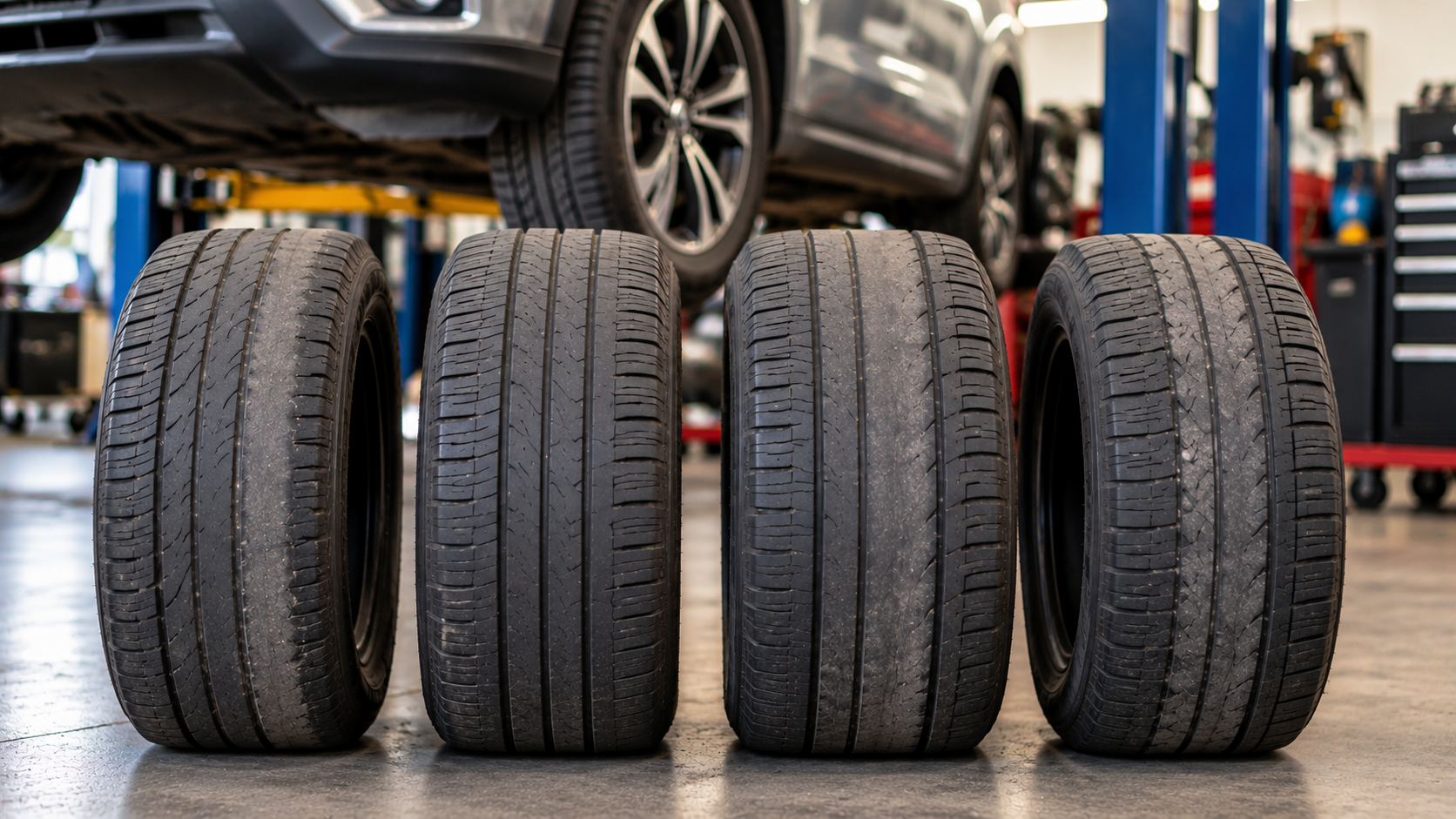
Tires are the only part of your car that actually touches the road. If they are bald, mismatched, or wearing unevenly, it’s a massive red flag.
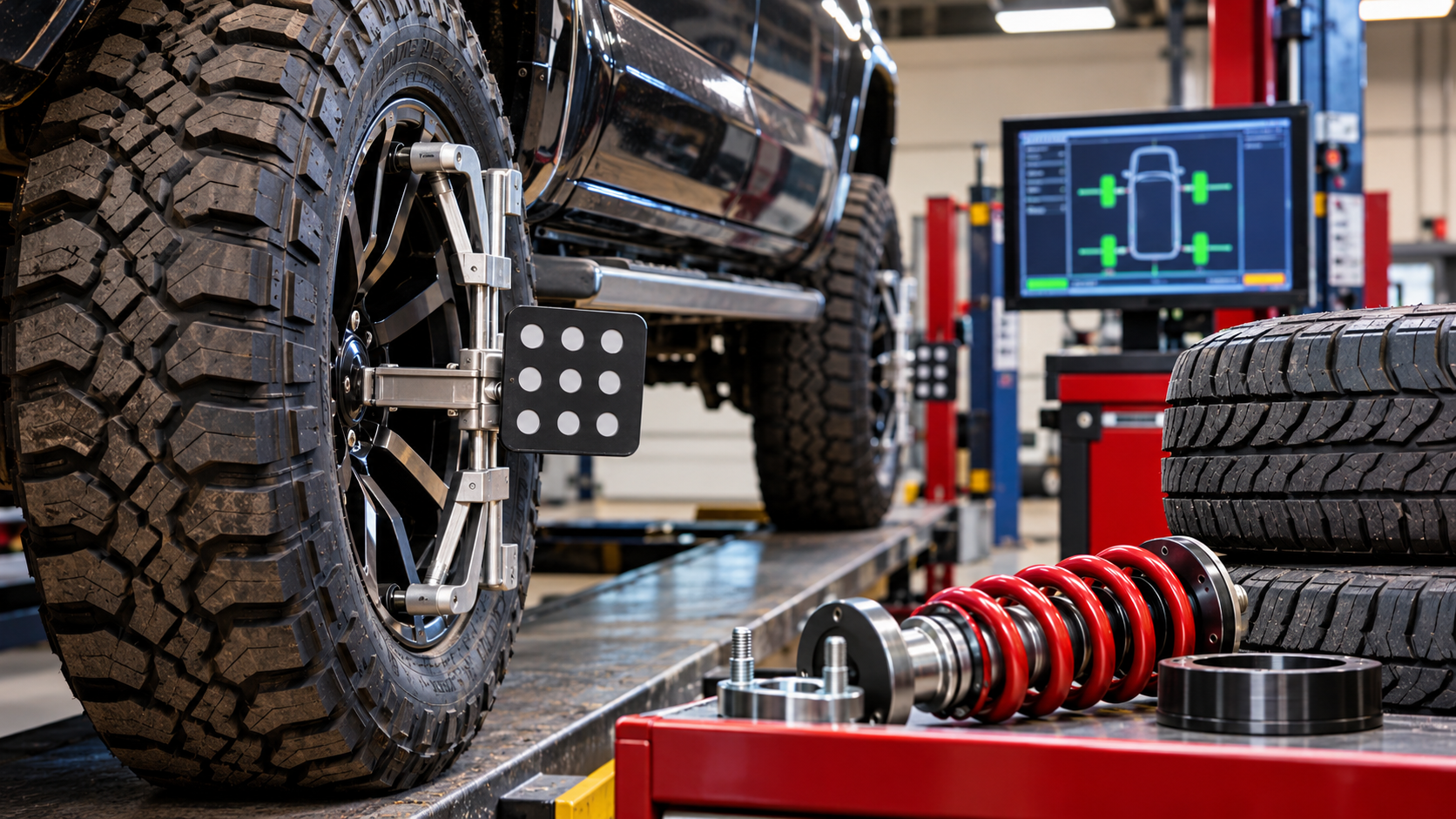
Uneven wear patterns usually point to a suspension or alignment issue. Buyers are savvy; if they see the inside of a tire is worn down while the outside looks new, they know the car needs work. That’s why The Importance of Proper Wheel Alignment and How Often You Need It cannot be overstated. A fresh alignment sheet provided with the sale proves you’ve taken care of the vehicle’s geometry.
Strategic Upgrades: Which Modifications Actually Add Value?
If you’re looking to spend a little money to make a lot of money on your sale, you need to be strategic. Not all upgrades are created equal.
How Equipment Choices Affect a Car’s Resale Value often follows the “Goldilocks effect.” This means that mid-level upgrades usually provide the best return on investment. For example, upgrading from basic steel wheels with plastic hubcaps to a clean set of factory-style alloy wheels can drastically improve the look of a base-model car and allow you to ask for a premium price.
When choosing a style, aim for “Aesthetic Harmony.” You want the wheels to look like they could have come from the factory, even if they didn’t. How to Make Your Car Stand Out with Aftermarket Wheels involves choosing finishes like gunmetal, silver, or satin black that complement the car’s paint color rather than clashing with it.
How Wheel and Tire Choices Affect Resale Value for Specific Vehicle Types
The impact of your choices varies wildly depending on what you’re driving:
- Trucks and SUVs: In Riverside, the “off-road look” is king. A set of high-quality all-terrain tires and rugged wheels can significantly boost a truck’s appeal. Buyers expect trucks to be capable, and the right rubber proves it.
- Sports Cars: Here, weight and performance are the priorities. Lighter wheels that improve 0-60 times (which can vary by as much as 0.3 seconds just based on wheel size!) are a major selling point.
- Daily Drivers: For your average sedan, stick to comfort. How Wheel Size Impacts Ride Quality, Handling, and Fuel Economy is a major factor here. If you put 20-inch wheels on a car designed for 16s, the ride will be harsh and the fuel economy will drop—two things a commuter buyer definitely doesn’t want.
Preparing Your Wheels and Tires for a Maximum Value Sale
Before you snap those photos for the listing, your wheels need to shine. A professional detail is worth every penny, but you can do a lot yourself. Use a dedicated wheel cleaner to remove all that built-up brake dust, and don’t forget to clean the “barrels” (the inside part of the wheel).
If your wheels have minor damage, consider professional reconditioning. At The Wheel Shop, we’ve seen how The Long-Term ROI of Quality Wheels and Proper Alignment pays off during a sale. Spending a couple of hundred dollars to fix curb rash can often add five hundred or more to your final sale price because it removes a “reason to haggle” for the buyer.
If you did upgrade to aftermarket wheels, consider selling the car with the stock wheels and selling the custom ones separately. This often nets you the most total cash. If you do need to buy new tires before the sale, How to Choose the Right Replacement Tires suggests staying close to the original specs. Buyers feel more comfortable when they see a brand they recognize. Finally, keep your receipts! Knowing How Often Should You Replace the Tires on Your Car? and showing a buyer that the tires only have 5,000 miles on them is a massive confidence booster.
Frequently Asked Questions about Wheel and Tire Resale Value
Do aftermarket wheels void my vehicle’s warranty?
Not necessarily, but they can complicate things. Under the Magnuson-Moss Warranty Act, a dealer cannot void your entire warranty just because you have aftermarket wheels. However, if a failure occurs in the suspension or drivetrain that can be traced back to the wheels (like an incorrect offset causing bearing failure), that specific repair may not be covered.
Should I keep my original OEM wheels if I upgrade?
Yes! If you have the space in your garage, keep them. When it’s time to sell, you can give the buyer the choice, or swap the stock wheels back on to appeal to a wider audience. It’s like having an insurance policy for your car’s resale value.
How much does curb rash actually deduct from a car’s value?
While there isn’t a fixed “Blue Book” price for curb rash, it’s a major psychological factor. A buyer might see $200 worth of damage but try to negotiate $500 off the price because “the wheels are all beat up.” It’s almost always cheaper to fix the rash before you list the car.
The Wheel Shop Difference
Whether you are looking to repair your current rims to get top dollar for your sale, or you want to upgrade to a set of custom wheels that will turn heads in Riverside, we are here to help. With over twenty years of experience, The Wheel Shop provides top-tier craftsmanship in wheel repair, powder coating, and precision alignments.
With more than twenty years of experience serving drivers in Riverside, California, The Wheel Shop team specializes in matching the right wheels to each vehicle’s specifications, driving habits, and performance goals. Their services extend beyond installation to include specialty wheel and rim repair, caliper and wheel powder coating, custom suspension installations, and precision alignments. By addressing every aspect of the upgrade process, The Wheel Shop ensures that your investment not only enhances visual appeal but also delivers measurable improvements in performance, longevity, and overall return on investment.
Ready to transform your ride? For expert advice and a wide selection of Aftermarket Wheels & Tires, contact us today. Let’s find the perfect wheels to lift your driving experience.
We are passionate about equipping your vehicle with the right tires for your needs in Riverside, CA, and beyond.
Explore our expert wheel and tire services today and experience the difference of a proper tire fitment.
More info about precision wheel alignment and balancing services